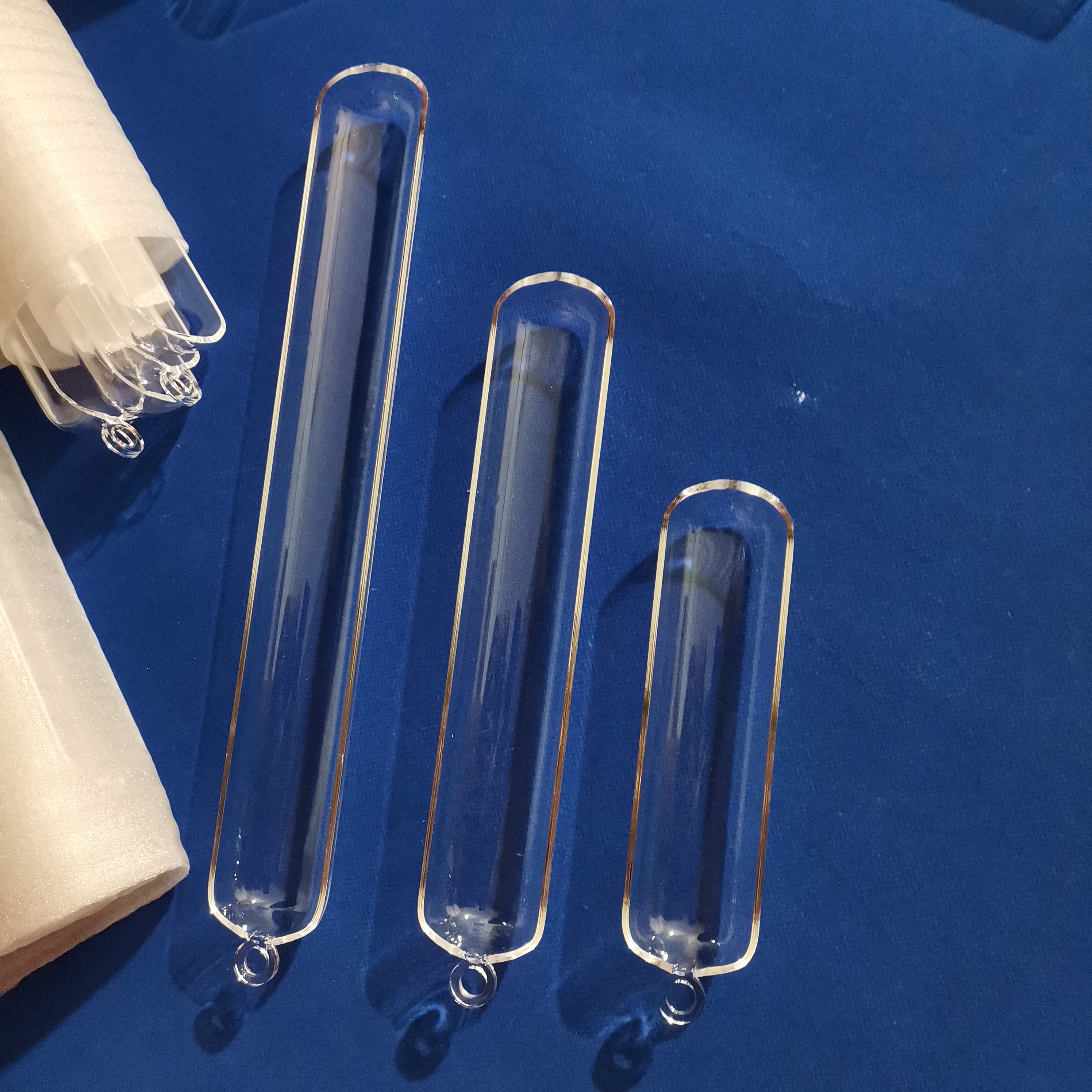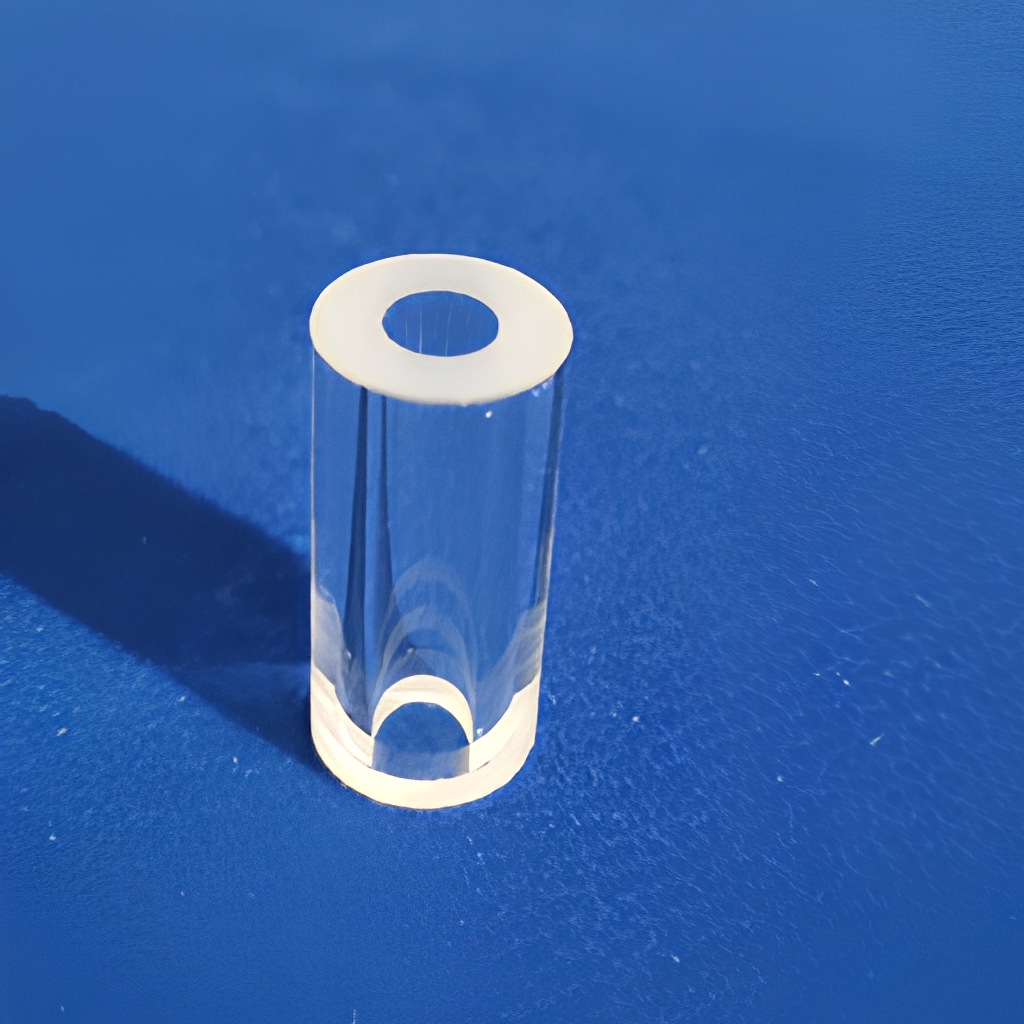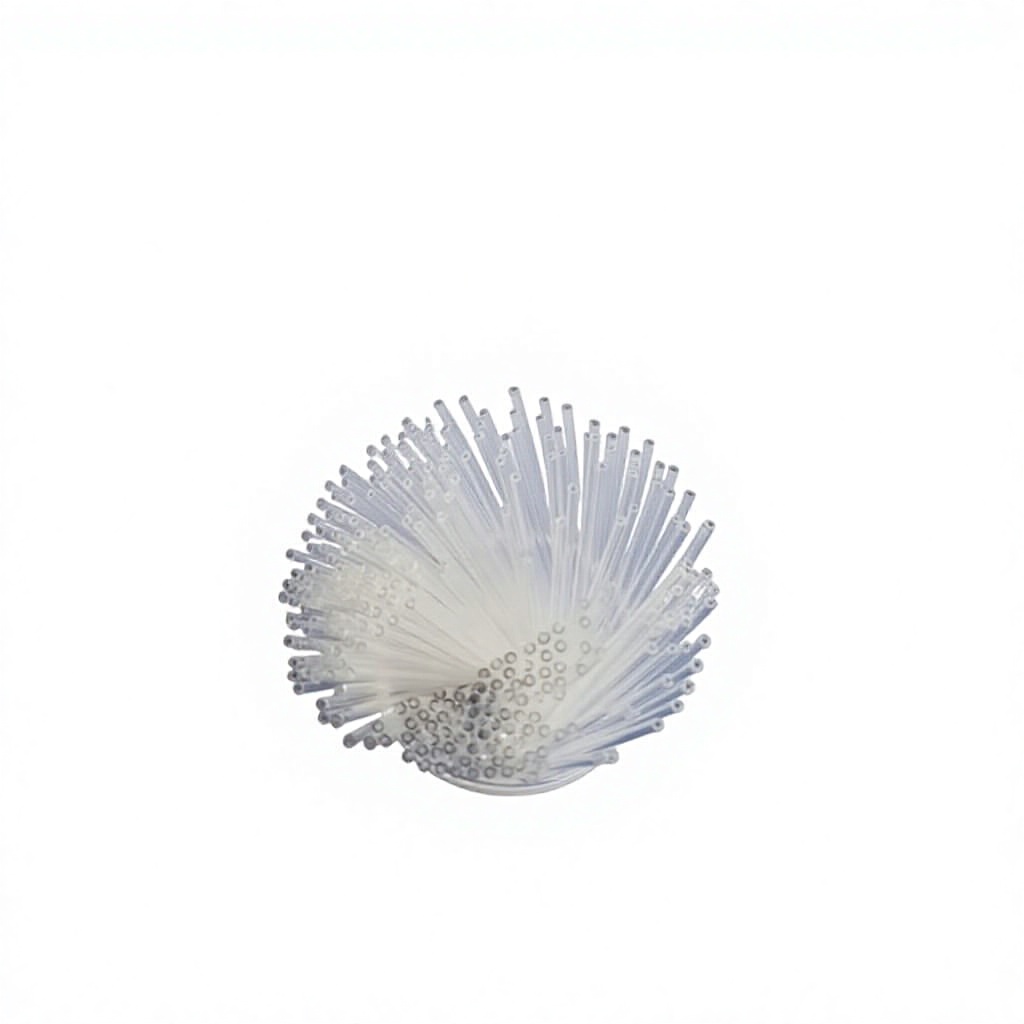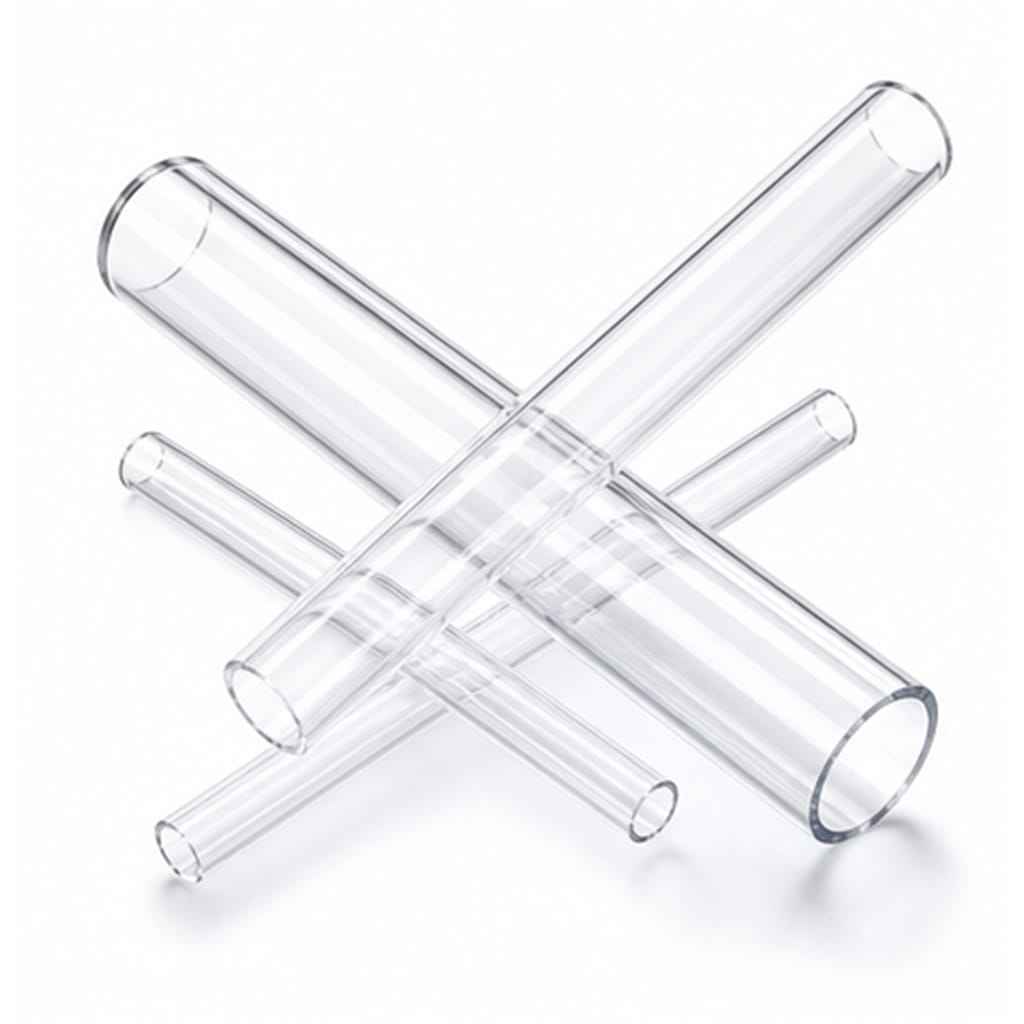
Precision Flat-Cut Fused-Quartz Straight Process Tubes with 90-Degree Squared Ends
- End Geometry: 90° precision diamond cut
- Operational Limit: 1100 °C continuous
- Application: CVD chamber liners & furnaces
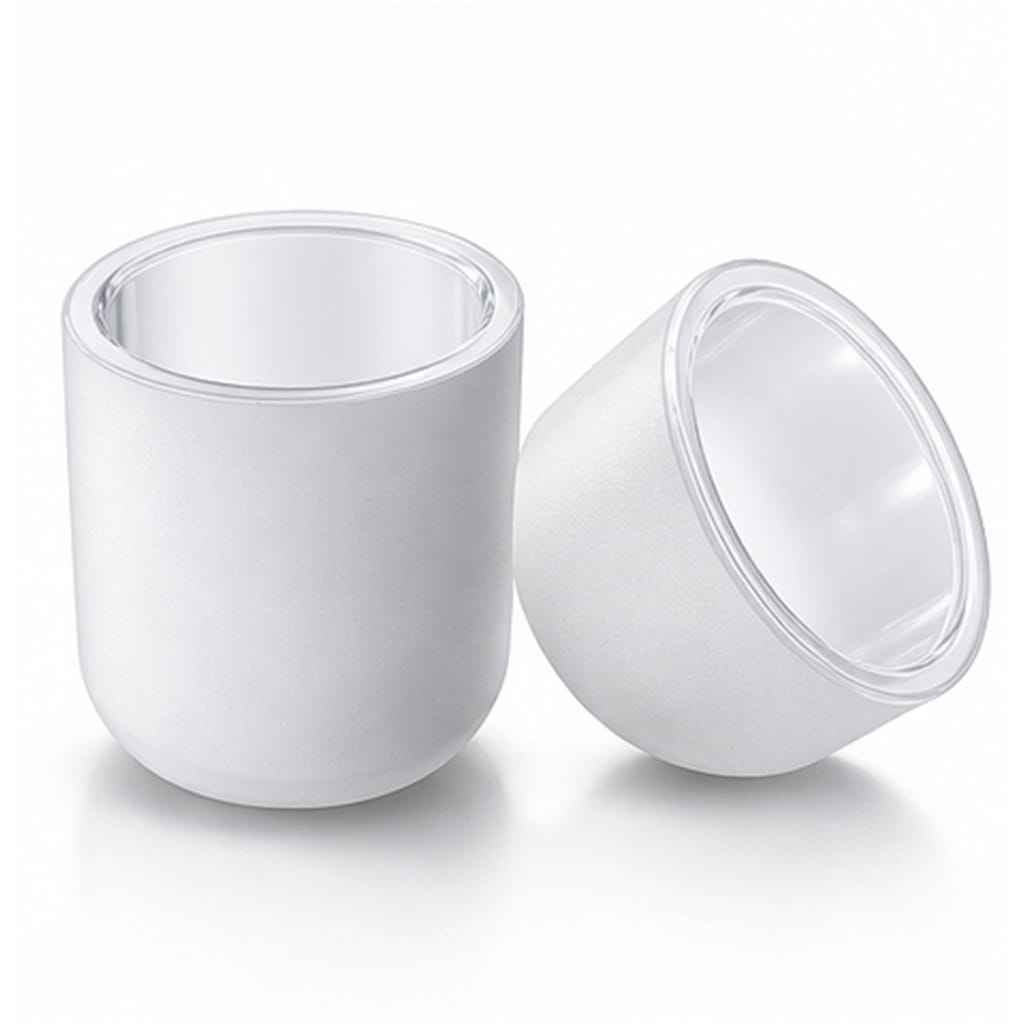
Fabricated from Donghai source crystals featuring ≥ 99.99% SiO₂ purity, high dielectric breakdown, exceptional UV-Vis-NIR optical transmission, and extreme thermal stability up to 1450 °C.
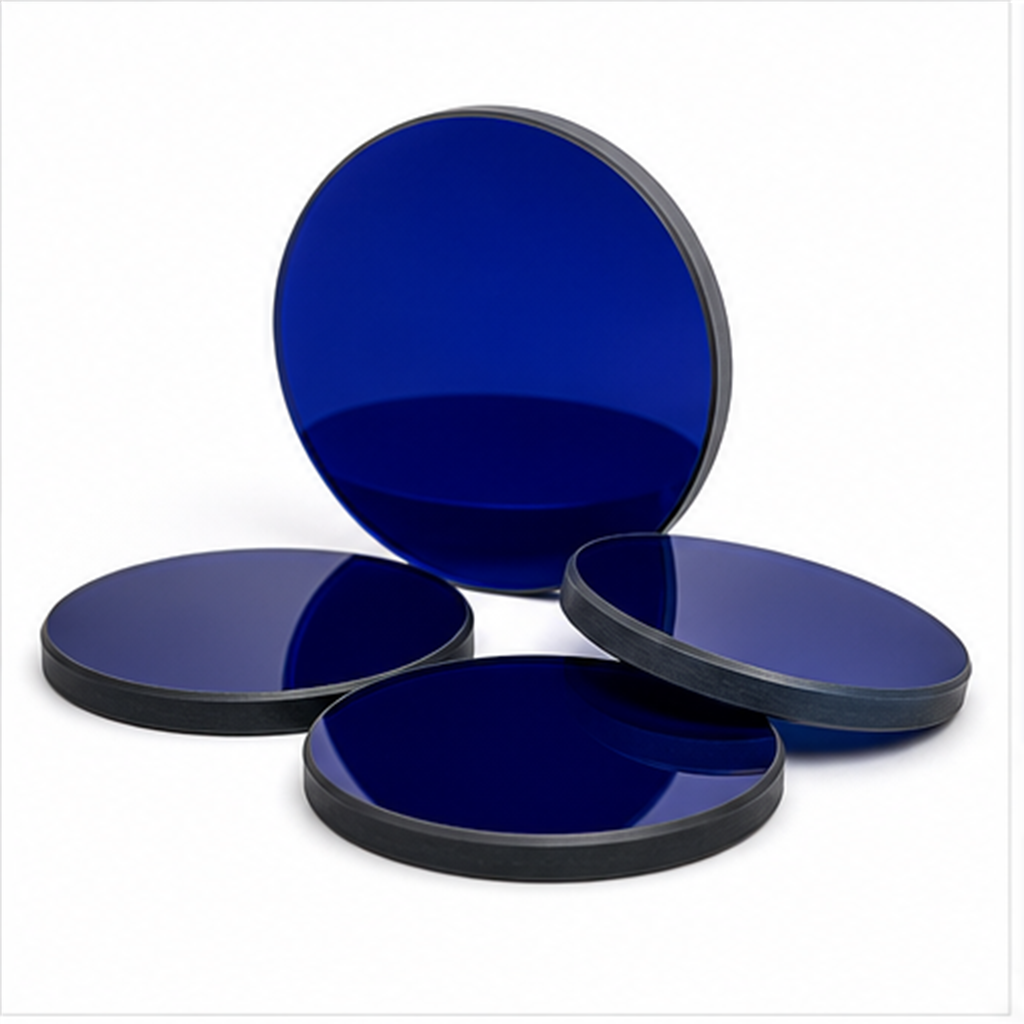
As Cambodia accelerates its industrial transformation under the Industrial Development Policy (IDP), fused silica plates have become an indispensable material in high-spec processing zones from Phnom Penh to the Gulf of Thailand.
Textile and footwear manufacturing represents a pillar of Cambodia's export economy centered in the Phnom Penh Special Economic Zone (PPSEZ). Automated screen printing and fabric drying lines require fused silica plates as protective UV lamp shields. Unlike borosilicate glass which degrades and yellows under intense 254 nm and 365 nm UV radiation, synthetic fused silica plates maintain >90% deep ultraviolet transmission, preventing lamp overheating and ensuring uniform ink cross-linking without thermal fabric damage.
Cambodia's major solar parks in Kampong Chhnang, Pursat, and Bavet SEZ rely on state-of-the-art photovoltaic assembly and testing stations. Fused quartz plates and diffusion tubes are deployed inside photovoltaic thermal diffusion furnaces and laminators. The material's low coefficient of thermal expansion (5.5 × 10⁻⁷/°C) guarantees zero thermal deformation across temperature swings from 25 °C ambient to 1100 °C operating heat, eliminating wafer micro-crack risks.
The manufacturing cluster along the Thailand and Vietnam borders focuses on precision PCB manufacturing, automotive wire harnessing, and micro-optics assembly. Double-side polished fused silica windows act as debris shields and inspection windows for industrial laser cutters and automatic optical inspection (AOI) machines, delivering low wavefront distortion and extreme scratch resistance in high-throughput electronics environments.
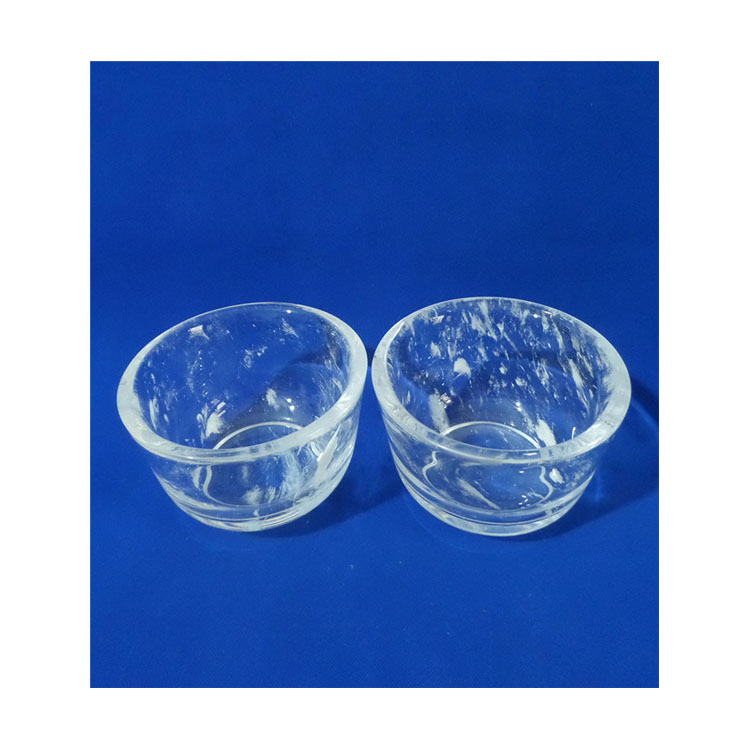
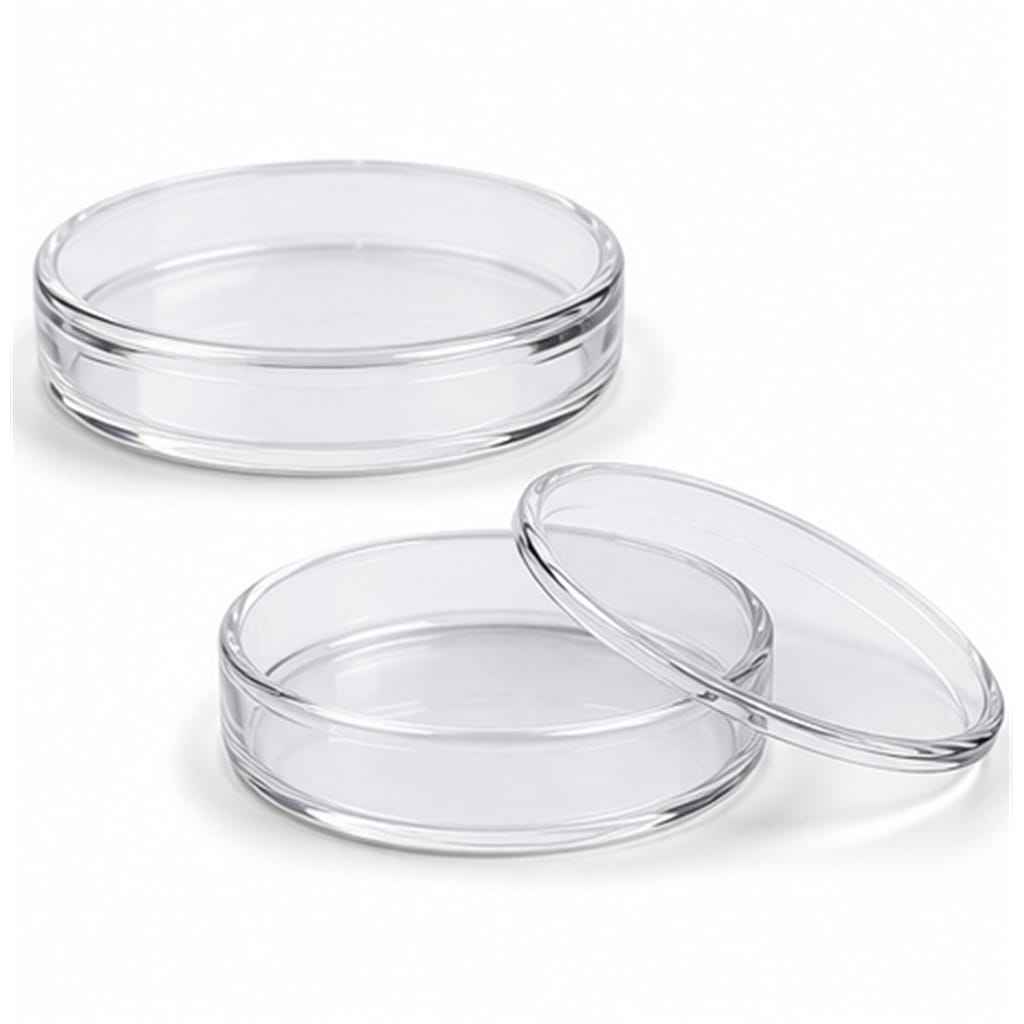
Rubber, cassava, and rice processing laboratories in Battambang and Sihanoukville utilize fused quartz plates, cuvettes, and petri dishes for high-temperature mineral digestion and spectrophotometry. Fused quartz provides complete resistance to concentrated nitric, hydrochloric, and sulfuric acids even at boiling points, preventing alkali metal leaching that invalidates trace analysis data.
An authoritative analysis of procurement dynamics, supply chain redesign, and technological standards reshaping technical ceramic and glass importation across the Kingdom.
Factory maintenance engineers across the Sihanoukville Special Economic Zone (SSEZ) are systematically replacing legacy borosilicate sight glasses with high-purity fused silica plates. High-pressure steam autoclave boilers and chemical reaction vessels operated under tropical humidity suffer from glass leaching and micro-fissures when using standard soda-lime or borosilicate materials. Fused silica’s thermal softening point of ~1683 °C eliminates catastrophic failure risks in continuous high-duty manufacturing setups.
Cambodian corporate procurement managers previously relied on third-party intermediaries based in Bangkok, Ho Chi Minh City, or Singapore, which introduced 35%–55% markups and prolonged lead times. Today, factories across Cambodia directly source custom-machined fused silica plates from integrated manufacturers in Donghai, China. Direct factory-to-site container routes through the Port of Sihanoukville (PAS) and Phnom Penh Autonomous Port (PPAP) reduce delivery times to under 12–18 days.
As multinational manufacturing investments from Japan, South Korea, and China increase their footprint in Cambodia, component traceability has become mandatory. Procurement specifications now formally demand ISO 9001 certifications, spectrographic purity reports proving SiO₂ ≥ 99.99%, and interferometric flatness data (λ/2 to λ/4). Suppliers capable of furnishing certified factory test data with every batch maintain a clear competitive edge.
Empirical performance parameters demonstrating why fused silica plates are chosen for Cambodia's harshest thermal, mechanical, and optical environments.
| Property Parameter | High-Purity Fused Silica (Kemzo) | Borosilicate Glass 3.3 | Standard Soda-Lime Glass | Operational Significance for Buyers |
|---|---|---|---|---|
| Chemical Purity (SiO₂) | 99.99% – 99.999% | ~81% | ~72% | Zero trace ion contamination in cleanrooms and chemical reactions. |
| Max Working Temp (Continuous) | 1100 °C | 450 °C | 150 °C | Withstands industrial furnace and plasma chamber temperatures. |
| Max Working Temp (Short-Term) | 1450 °C | 500 °C | 200 °C | Softening point of 1683 °C prevents structural slump during spikes. |
| Thermal Expansion (20–300 °C) | 5.5 × 10⁻⁷ / °C | 33 × 10⁻⁷ / °C | 85 × 10⁻⁷ / °C | Immune to extreme thermal shock (e.g. heated glass immersed in water). |
| Refractive Index (nD @ 589.3 nm) | 1.4585 | 1.4720 | 1.5170 | Low chromatic dispersion and high optical transmission across UV-NIR. |
| UV Transmission @ 254 nm (10mm) | > 90% | < 1% (Opaque to DUV) | 0% (Blocks UV completely) | Critical for UV sanitization, photolithography, and UV ink curing. |
| Acid & Hydrolytic Resistance | Class 1 (Inert to mineral acids) | Class 1 | Class 3 | Zero etching or hazing under hot hydrochloric and nitric acids. |
Headquartered in Donghai, China—the world’s recognized crystal capital—Donghai Kemzo Quartz Products Co., Ltd. combines local geological abundance with advanced CNC fabrication to deliver global-spec quartz parts.
Our strategic factory location in Donghai gives us direct access to pristine natural quartz sands and high-grade silica reserves. We eliminate upstream raw material markups, ensuring rigorous purity control (≥99.99% SiO₂) and cost-stable volume pricing for export clients in Southeast Asia.
Every fused silica plate, disc, crucible, and tube is manufactured under an audited ISO 9001:2015 quality control infrastructure. From spectrographic raw material inspection to annealing stress verification and laser interferometry, zero defects escape our packing lines.
Over 11 years of OEM/ODM expertise enabling bespoke production. We execute laser cutting, diamond CNC edge profiling, hole drilling, slotting, optical double-side polishing, and flame welding strictly to customer CAD/DXF specifications with tolerances down to ±0.05 mm.
Quartz and silica are brittle assets. Our specialized packaging employs custom high-density EVA shock-absorbing foam inserts, vacuum sealing, and fumigated reinforced wooden cases. We support flexible trade terms: FOB, CIF Sihanoukville, CFR Phnom Penh, EXW, and express DDU shipping.
Key technical, logistics, and commercial answers for plant engineers and procurement teams sourcing fused silica plates and quartz glass in Cambodia.
Fused quartz is produced by electric or flame melting of high-purity natural quartz crystals. It provides exceptional thermal stability (up to 1100 °C continuous), remarkable mechanical strength, and excellent chemical resistance at an economical price point, making it ideal for furnace tubes, sight windows, and high-temperature plates. Synthetic fused silica is created via the vapor-phase hydrolysis of silicon tetrachloride (SiCl₄). This results in virtually zero metal impurities and superior optical transmission in the deep ultraviolet spectrum (190 nm to 260 nm). Choose synthetic fused silica for deep UV photolithography and advanced laser optics; choose fused quartz for thermal furnace plates, UV curing shields, and industrial chemical vessels.
For consolidated container shipments (LCL or FCL), cargo departs from Lianyungang or Shanghai ports directly to the Port of Sihanoukville (PAS) or Phnom Penh Autonomous Port (PPAP) via river-ocean feeders, typically arriving within 10 to 14 days. For urgent plant maintenance and custom replacement glass, we offer expedited air courier delivery (DHL, FedEx, UPS) directly to Phnom Penh International Airport (PNH) with delivery in 3 to 5 business days.
We deploy export-tested packaging developed over a decade of international freight handling. Each silica plate is individually wrapped in anti-static, dust-free film, cushioned within multi-layer high-density EVA shock-absorbent foam slots, and sealed in corrugated boxes. These are packed into fumigated, metal-banded marine plywood crates engineered to withstand port cranes, container vessel vibrations, and inland road transit between Sihanoukville and regional industrial parks.
Yes. We have comprehensive in-house CNC machining centers, precision waterjet cutters, diamond milling machinery, and ultrasonic drilling stations. Send your engineering drawings (.DWG, .DXF, .PDF, or .STP) to our engineering team. We routinely execute custom stepped plates, circular sight glasses with bolt holes, beveled edges, optically polished observation windows, and ground frosted surfaces with dimensional tolerances held within ±0.05 mm.
We support standard international commercial terms including FOB China Ports, CIF Sihanoukville, CFR Phnom Penh, EXW, and DDU door-to-door terms for registered entities. We accept payments in US Dollars (USD)—the standard commercial transaction currency in Cambodia—as well as EUR and CNY via Telegraphic Transfer (T/T), Letter of Credit (L/C), and PayPal for prototype sample runs.
Yes. Fused silica displays near-total chemical inertness to virtually all inorganic and organic acids—including concentrated hydrochloric acid (HCl), nitric acid (HNO₃), and sulfuric acid (H₂SO₄)—even at elevated boiling temperatures. The only exceptions are hydrofluoric acid (HF) and hot concentrated phosphoric acid (>150 °C), which will react with silicon dioxide.