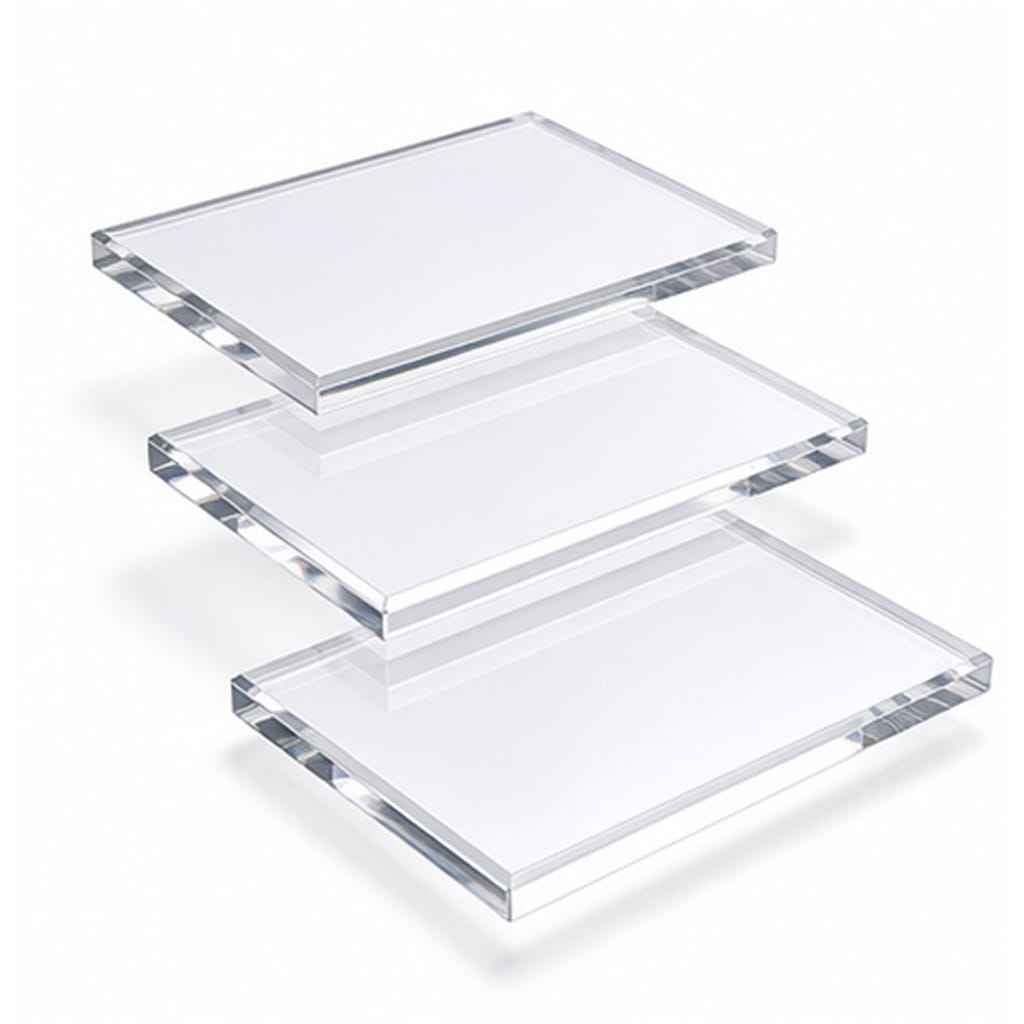
High-Purity Quartz Catalog
Featured Thermal & Optical Quartz Products Serving Suai
Kemzo Quartz supplies high-purity natural and synthetic fused silica components directly to industrial operations, assay laboratories, and energy projects in Suai. Review our core production inventory below.
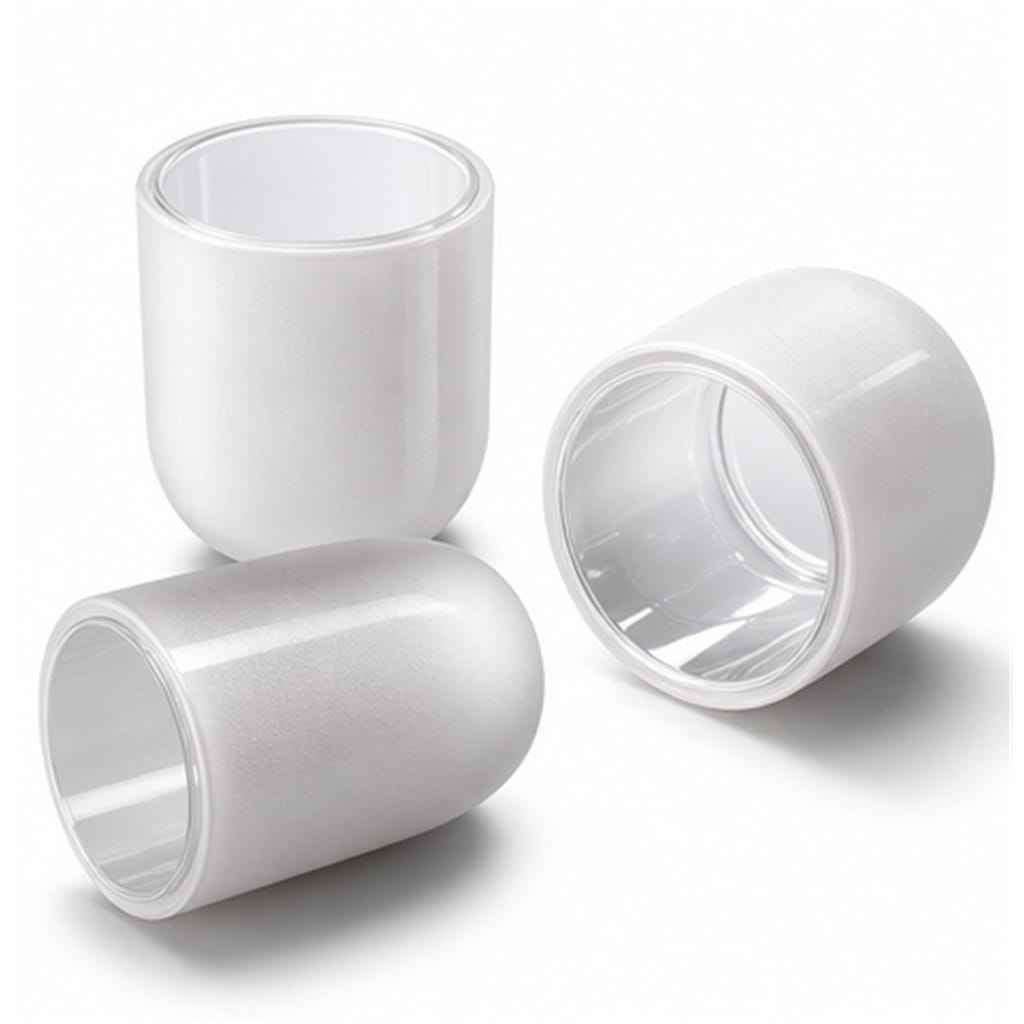
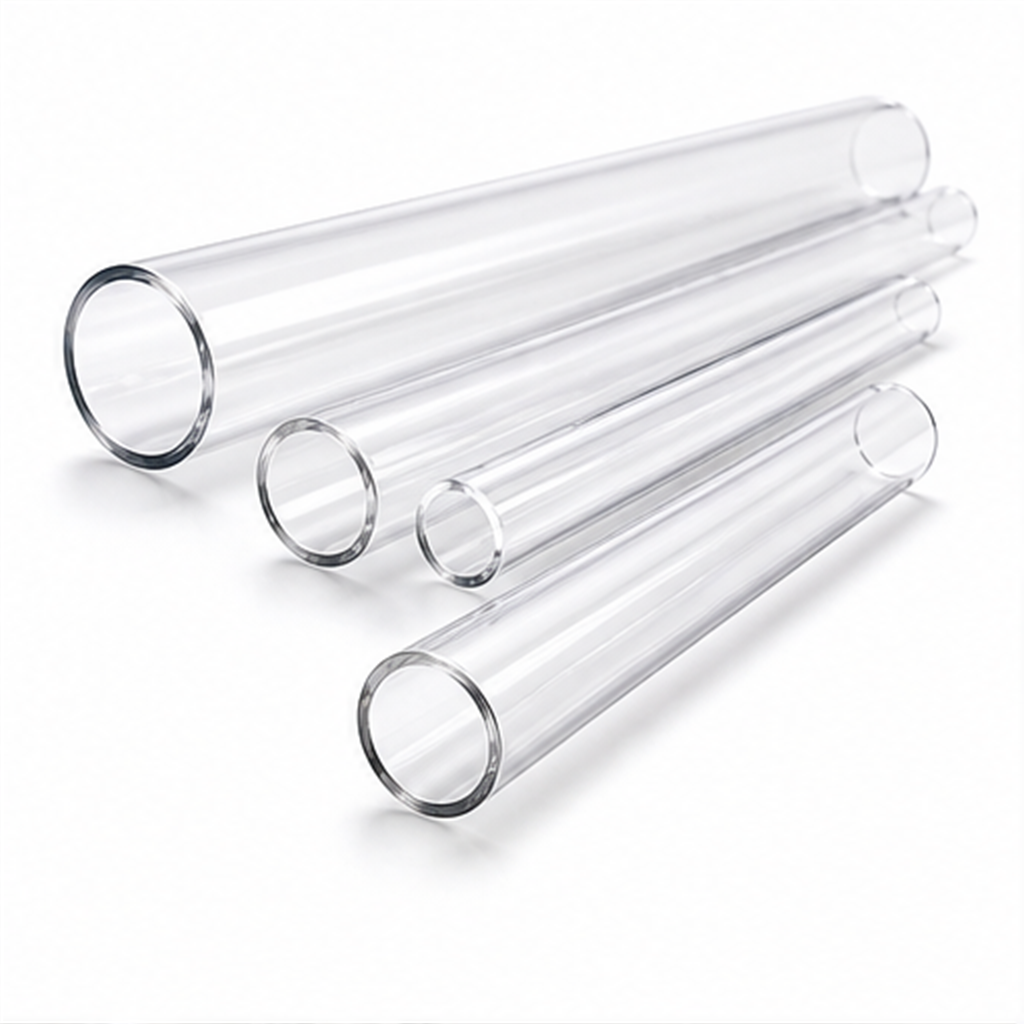
Technical Whitepaper
Materials Science of High-Temperature Quartz Crucibles: Thermodynamic Mechanics & Devitrification Suppression
A comprehensive evaluation of amorphous SiO₂ matrix stability, thermal mechanical resilience, and structural purity for metallurgical, chemical, and petrophysical processes.
In high-temperature thermal synthesis, precious metal casting, and pyrometallurgical assaying, containment vessels face aggressive thermomechanical strains, corrosive vapor atmospheres, and critical contamination risks. High-temperature quartz melting crucibles manufactured by Donghai Kemzo Quartz Products Co., Ltd. leverage the ultra-high purity of natural quartz crystal deposits in Donghai County—widely recognized as China's crystal capital—processed through precision electric arc fusion and oxy-hydrogen thermal synthesis.
Unlike standard borosilicate glass or high-alumina ceramics, fused quartz consists of a non-crystalline, amorphous silica (>99.99% SiO₂) network characterized by strong, multi-directional silicon-oxygen tetrahedra (Si-O-Si bonds). This singular chemical architecture grants the material an exceptionally low coefficient of linear thermal expansion (α = 5.5 × 10⁻⁷ /°C between 20°C and 300°C), making it the premier refractory material for thermal cycling without micro-fissuring or mechanical deformation.
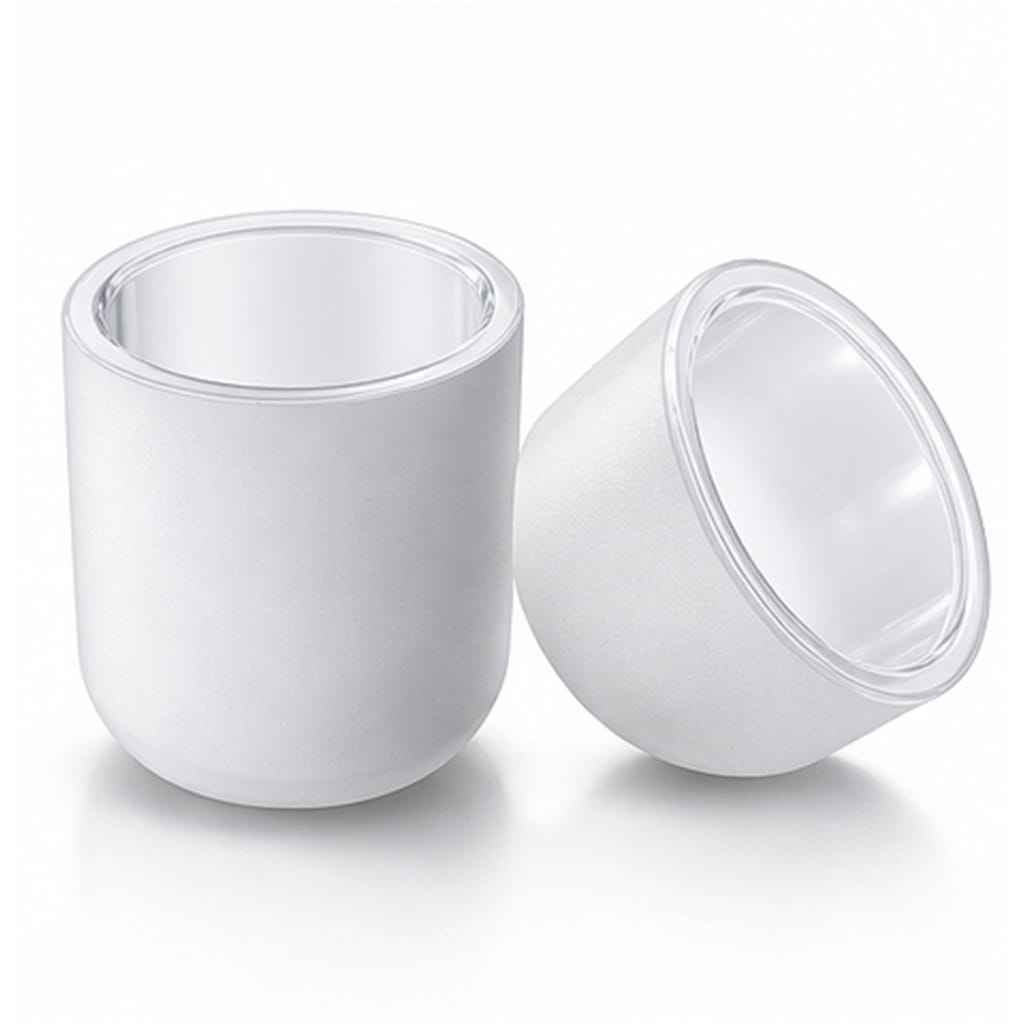
Key Engineering Finding: Kemzo's proprietary double-layer fused quartz structure features a micro-bubble-free inner vitreous skin (<100 μm bubble threshold) mated to an opaque, heat-diffusing outer layer. This configuration mitigates thermal gradient localization during induction melting, eliminating thermal shock failures even when quenched from 1100°C directly into ambient fluids.
The primary degradation mechanism of silica refractories operating above 1150°C is devitrification—the nucleated transition of the metastable vitreous phase into crystalline cristobalite. Cristobalite undergoes a destructive displacive α-to-β phase change at 220°C to 270°C accompanied by an abrupt volumetric change of up to 2.8%. Kemzo crucibles suppress cristobalite formation by controlling alkali metal contaminants (Na⁺, K⁺, Li⁺, Ca²⁺) to aggregate levels below 8 ppm. Since alkali ions act as network modifiers that break bridging oxygens and accelerate phase recrystallization, maintaining ultra-low impurity levels extends crucible service life across hundreds of continuous thermal hours in demanding smelting regimes.
Sub-PPM Purity Chemistry
Fabricated using beneficiated Donghai natural quartz and ultra-refined synthetic precursors. Heavy metal content (Fe, Cu, Ni, Cr) is kept beneath 0.2 ppm, preventing trace cross-contamination during ultra-pure gold, silver, and alloy assays.
Broad Thermal Spectrum
Continuous operational endurance at 1100°C, with intermittent thermal tolerance reaching 1450°C. Annealed in automated vacuum furnaces at 1215°C to eliminate residual internal strains before precision fire-polishing.
Impermeable Vitreous Glaze
The interior contact surface undergoes multi-pass flame fusion, producing a glass glaze that resists aggressive mineral acid digestion, including concentrated HF-free aqua regia and boiling organic solvents.
Regional Deployment Analysis
Industrial Applications in Suai: Petroleum Logistics, Mineral Assays & Infrastructure Testing
Contextualizing fused silica refractory performance within the unique operational and environmental ecosystem of the Suai Supply Base (SSB) and Southern Timor industrial corridor.
The municipality of Covalima, with its capital in Suai, serves as the critical hub for Timor-Leste's southern coast infrastructure initiatives, most notably the Suai Supply Base (SSB) and related energy transition infrastructure. As offshore petroleum drilling, geological exploration, and downstream marine logistics develop along the Timor Sea margin, the demand for precision materials testing, hydrocarbon QA/QC, and high-temperature assaying has scaled substantially.
Operating analytical and metallurgical equipment in Suai introduces specific engineering challenges:
Petrochemical Ash & Catalyst Testing
Laboratories supporting marine bunkering and upstream crude staging require crucibles capable of withstanding rapid ASTM D482 ash-content ignitions at 775°C and catalyst digestion at 1000°C without leeching silicon or heavy metals into the residue.
Geological Core Sample Assaying
Mining exploration and civil engineering infrastructure projects across Covalima require high-throughput lithium metaborate/tetraborate fusion at 1050°C to dissolve refractory silicate minerals for XRF and ICP-OES geochemical mapping.
Marine Atmosphere Corrosion Immunity
With Suai's equatorial coastal climate, standard refractory hardware suffers from salt-mist humidity and accelerated surface weathering. Fused quartz is completely inert to sodium chloride aerosols, eliminating ambient atmospheric contamination.
Procurement Forecast 2025–2035
Industrial Trends Driving Quartz Crucible Demand Across Timor-Leste
How modernization of southern energy assets, regional mineral prospecting, and port-adjacent testing centers are reshaping technical material specifications.
Over the next decade, Suai and the greater Covalima district will see steady upgrades in testing and processing requirements. As national modernization frameworks advance under Timor-Leste's Strategic Development Plan, localized industrial operations are pivoting from overseas sample shipping toward in-country verification testing. This structural shift highlights three key trends:
1. Rise of Localized Hydrocarbon Quality Control
With the expansion of onshore pipeline connections and support vessels in the Timor Sea, on-site laboratories in Suai are eliminating multi-week turnaround times by building out induction furnace capabilities. Fused quartz crucibles provide the thermal baseline required for rapid, accurate sulfur, metals, and sediment determinations.
2. Geothermal & Clean Energy Exploration
Exploration of geothermal prospective zones along Timor's central mountain spine and southern tectonic collision zone requires high-pressure hydrothermal digestion vessels and fused quartz sight chambers capable of enduring supercritical fluid interaction up to 600°C without leaching boron or alumina.
3. ISO/IEC 17025 Laboratory Accreditation
Domestic engineering laboratories are actively pursuing international accreditation. Meeting stringent repeatability and blank-contamination benchmarks necessitates moving away from porous ceramic crucibles to bubble-free fused silica with traceable raw material pedigrees.
Empirical Benchmarking
Comparative Matrix: Fused Quartz vs. Alternative Refractory Crucibles
Evaluate physical, thermal, and chemical performance metrics to make informed procurement decisions for high-temperature smelting installations.
| Performance Property | Kemzo Fused Quartz | High-Purity Alumina (Al₂O₃) | Silicon Carbide (SiC) | Borosilicate Glass 3.3 |
|---|---|---|---|---|
| Maximum Working Temp (Continuous) | 1100 °C | 1600 °C | 1400 °C | 450 °C |
| Peak Limit (Short Term) | 1450 °C | 1750 °C | 1650 °C | 500 °C |
| Thermal Expansion (20–300°C) | 5.5 × 10⁻⁷ /°C | 8.0 × 10⁻⁶ /°C | 4.5 × 10⁻⁶ /°C | 3.3 × 10⁻⁶ /°C |
| Thermal Shock Resistance | Exceptional (ΔT 1000°C quench) | Poor (ΔT ~150°C crack risk) | Moderate (ΔT ~400°C) | Moderate (ΔT ~150°C) |
| Chemical Contamination Risk | Extremely Low (<0.01% impurities) | Medium (Al leeching at high pH) | High (Carbon/Silicon uptake) | High (Boron/Sodium leeching) |
| Acid Resistance (except HF/H₃PO₄) | Class 1 Superior | Class 2 Moderate | Class 2 Moderate | Class 1 Good |
| Optical Transmittance (UV–Vis) | > 90% (JGS1 / JGS2) | Opaque (0%) | Opaque (0%) | Limited UV (<310 nm cutoff) |
Data gathered under standardized ASTM/DIN refractory test protocols. Test certificates and batch-specific ICP-MS impurity sheets are provided with every industrial dispatch to Suai.
Operational Excellence
Why Suai Procurement Teams Partner with Kemzo Quartz
Over a decade of specialized export experience, direct origin resource advantages, and ISO 9001 certified quality control systems.
Source-Region Raw Mineral Access
Donghai Crystal CapitalSituated directly at China's mineral synthesis center, we eliminate intermediary material markups and strictly select pegmatite ore to secure raw silica purity ≥ 99.99%.
End-to-End In-House Precision
10+ Continuous LinesComplete control over cold processing (diamond cutting, surface CNC grinding, ultrasonic drilling) and hot processing (flame polishing, high-vacuum crucible sintering).
Verified Quality Certifications
ISO 9001 & High-TechRecognized as a Jiangsu High Technology Enterprise. Every batch undergoes full visual backlight inspection, dimension tolerance verification, and polariscope stress analysis.
Fragile-Safe Global Freight
FOB, CIF, DDU to Dili/SuaiReinforced multi-layer suspension packaging using shock-absorbing closed-cell EPE foam enclosed in fumigated export crates to ensure pristine delivery through tropical maritime corridors.
Buyer Guidance
Frequently Asked Questions: Ordering Quartz Crucibles in Suai
Technical, logistical, and commercial inquiries answered by our senior applications engineering team.
What is the typical shipping lead time and logistics route from Donghai to Suai?
For standardized crucibles and tubes, production lead times are 7–10 working days. Shipments to Timor-Leste typically transit via Shanghai/Ningbo ocean freight to Dili Port (approx. 18–24 days), followed by road transport to Suai. For urgent operational shutdowns at the Suai Supply Base, we provide expedited international air courier (DHL/FedEx/air freight) directly to Dili Airport with customs clearing assistance.
How do fused quartz crucibles perform when exposed to molten metal fluxes in assay labs?
Our crucibles are completely non-reactive to neutral and acidic slag chemistries. However, when working with high-alkali fluxes (such as sodium carbonate or sodium peroxide fusions) above 900°C, basic oxides will gradually react with the acidic SiO₂ matrix. For such workflows, we supply thick-walled opaque crucibles with reinforced base structures to extend operational cycles.
Can Kemzo fabricate custom crucibles and boats according to proprietary engineering drawings?
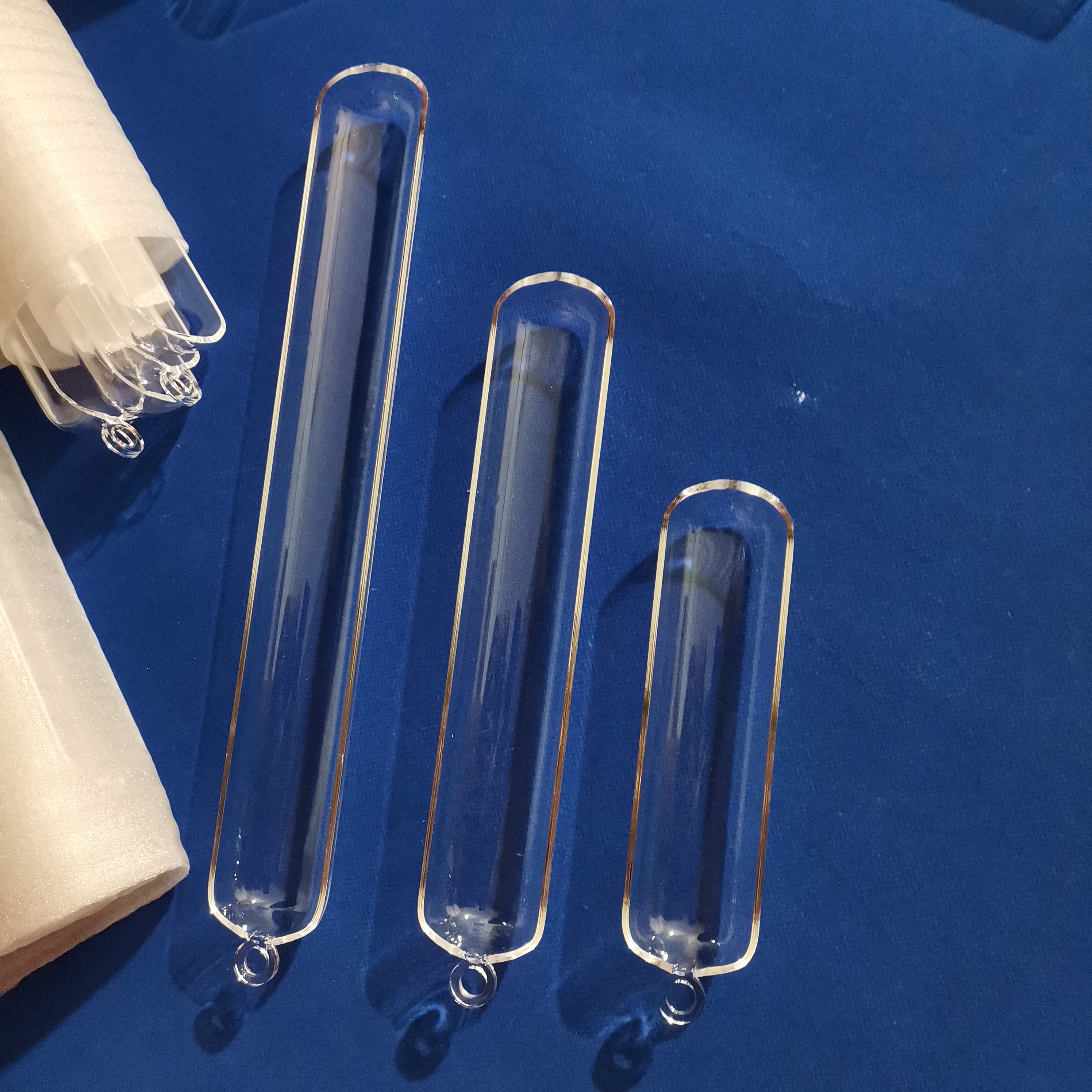
Yes. OEM/ODM customization is our core capability. Over 70% of our production is made to print. We accept CAD, STEP, DXF, or hand-dimensioned PDF files. Our engineering department verifies dimensional tolerances (±0.05 mm achievable on ground geometries), wall thickness uniformities, and draft angles before production commences.
What payment currencies and Incoterms are supported for buyers in Timor-Leste?
Because Timor-Leste utilizes the United States Dollar (USD) as its official legal tender, all transactions can be directly invoiced in USD without currency conversion friction. We accept T/T, Irrevocable Letters of Credit (L/C), and PayPal. We regularly operate under FOB, CFR, CIF (Dili), and DDU delivery terms.