Featured Fused Quartz Component Catalog
Direct factory supply of precision-drawn clear and opaque milky quartz components optimized for high-temperature applications across Latvia and the Baltic region.
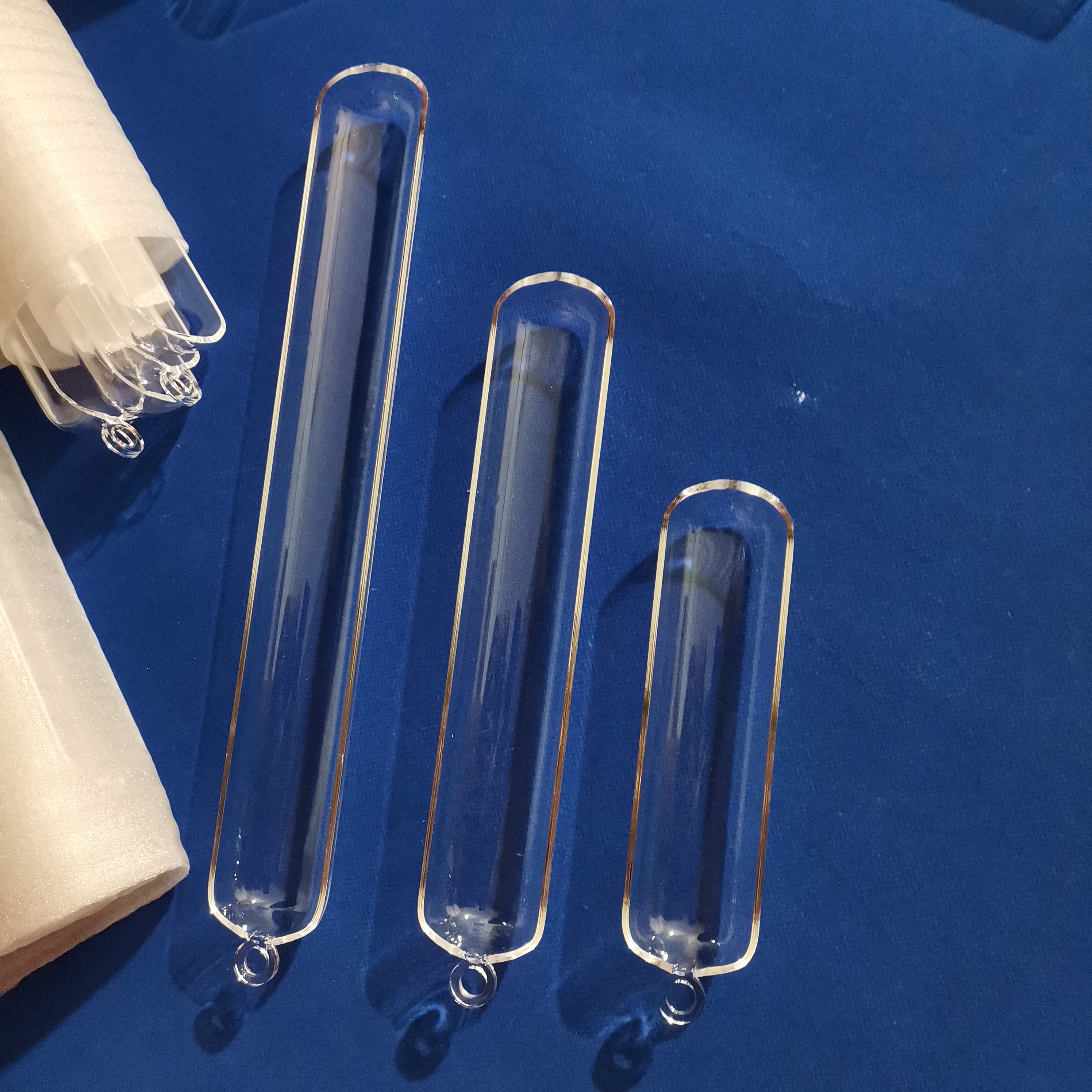
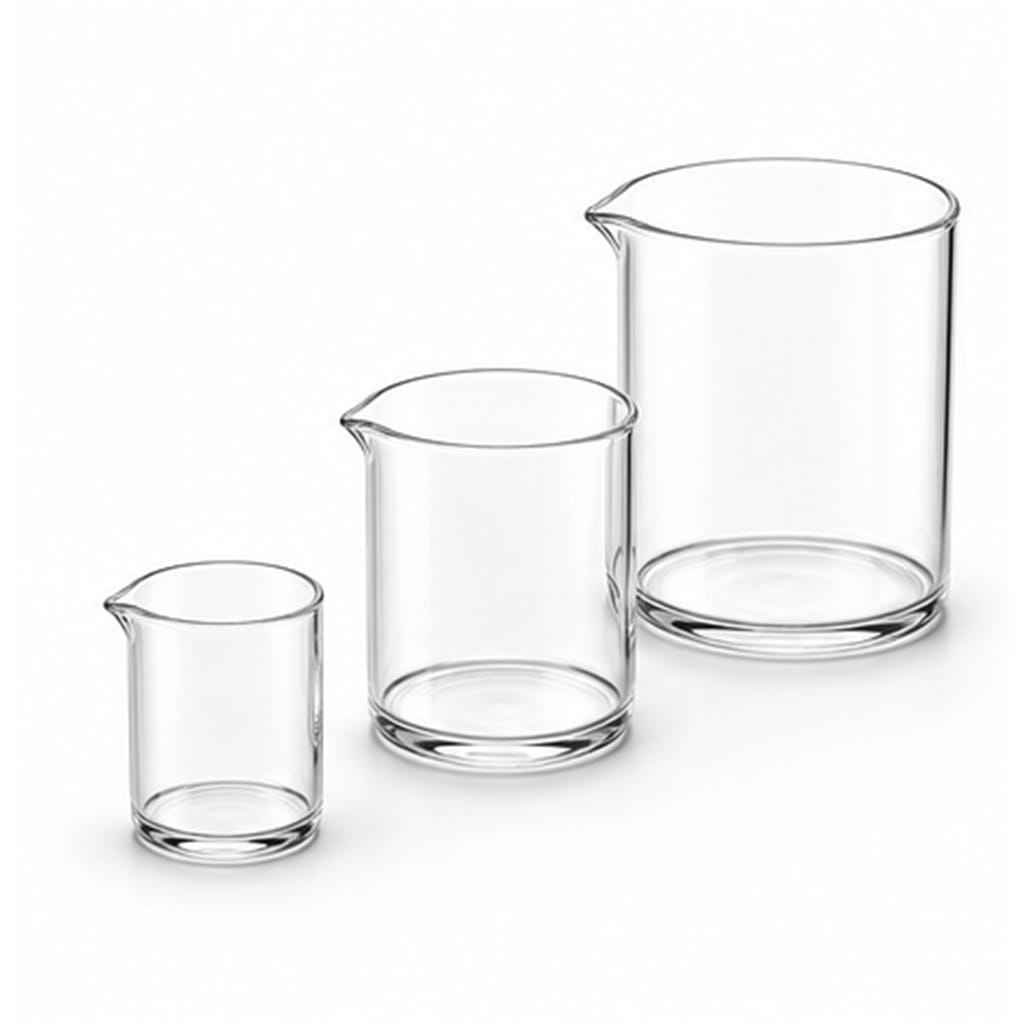
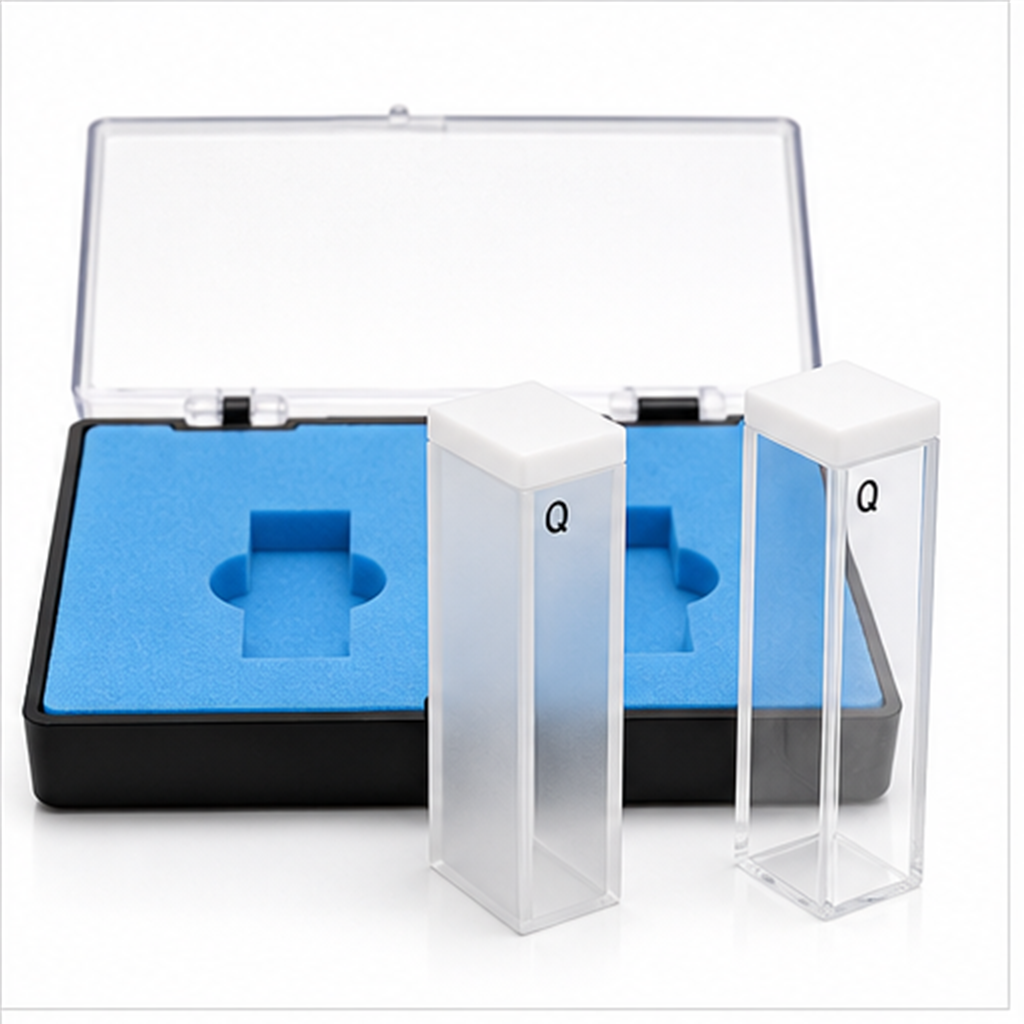
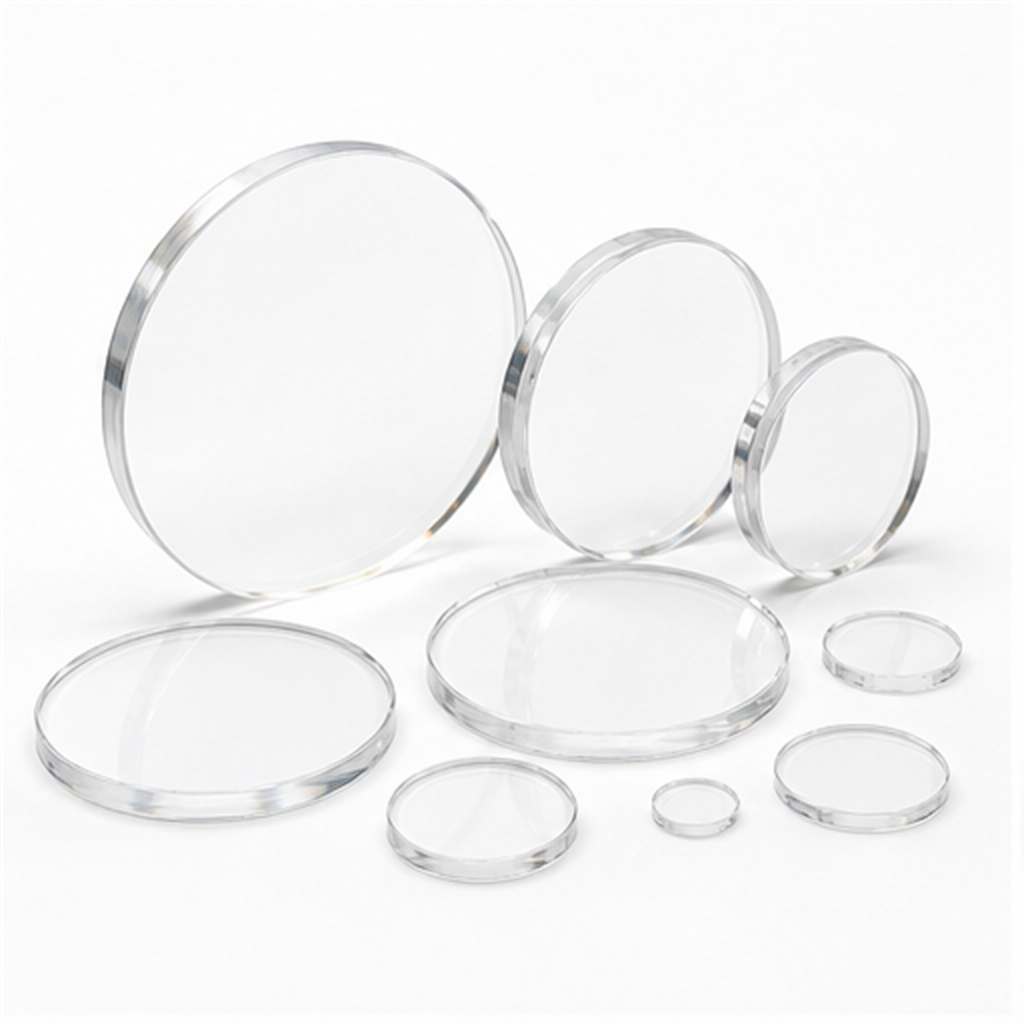
Executive Overview: Milky Quartz Tube Engineering for Riga's Industrial Hubs
As the industrial and logistical capital of the Baltic region, Riga, Latvia, maintains a rapidly evolving manufacturing ecosystem spanning advanced wood-processing, pharmaceutical synthesis, electronics assembly, municipal infrastructure, and specialized clean-tech engineering. Operating high-efficiency heating systems, environmental reactors, and analytical laboratory apparatus in these industries demands materials that possess uncompromising thermodynamic stability, chemical inertness, and precise optical scattering capabilities.
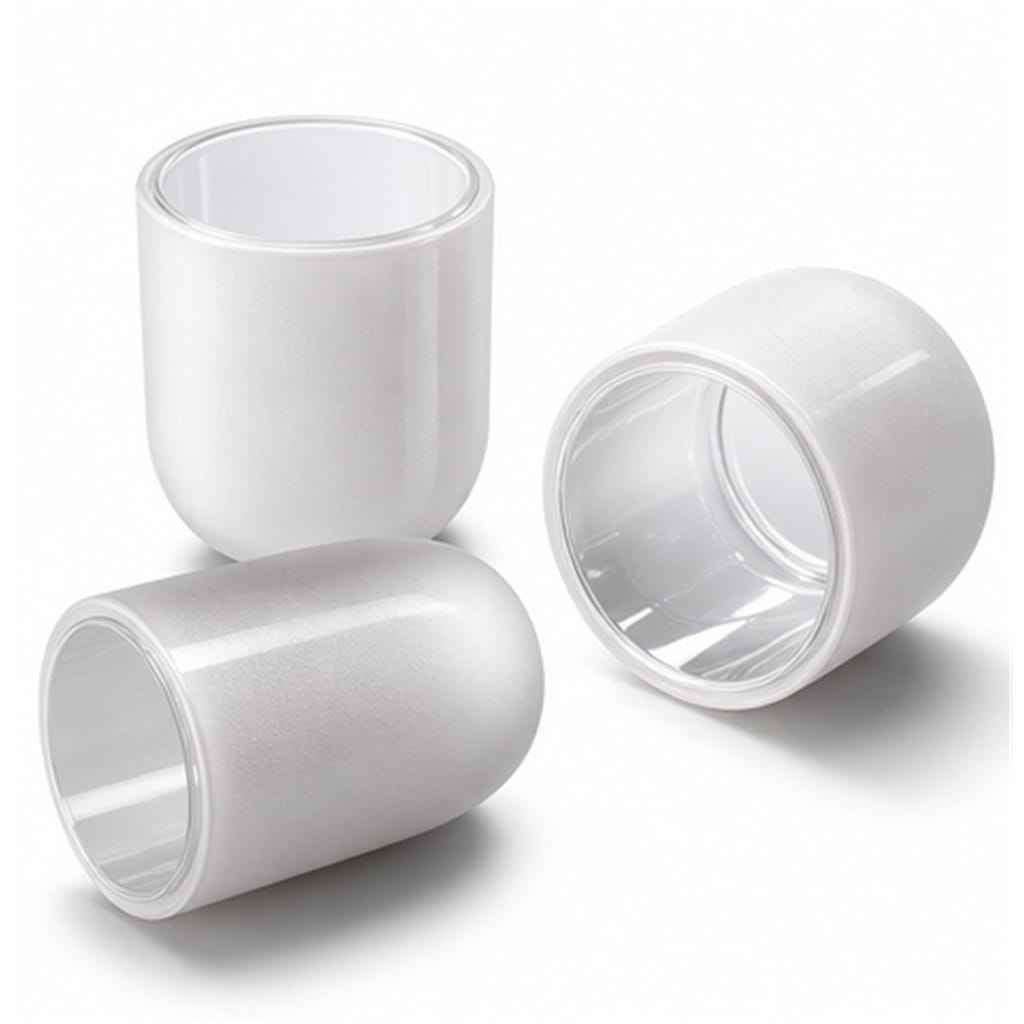
Milky quartz tubes (frequently designated as opaque fused quartz or translucent silica tubing) represent a specialized glass material engineered specifically to solve high-temperature diffuse thermal radiation challenges. Unlike transparent fused quartz glass—which maximizes direct optical transmission across UV, visible, and near-infrared spectrums—milky quartz utilizes a controlled density of microscopic, trapped gas micro-voids (typically 10 to 50 microns in diameter) evenly dispersed within the high-purity silicon dioxide ($\text{SiO}_2$) matrix.
This deliberate micro-structural porosity triggers intense diffuse thermal scattering. When fitted over electric resistance wires or infrared halogen filaments, a milky quartz tube acts as a graybody or near-blackbody radiator, converting focused electrical energy into uniform, long-wavelength infrared thermal energy ($2.0\text{ }\mu\text{m}$ to $4.0\text{ }\mu\text{m}$). For industrial process engineers in Riga, this mechanical transition eliminates localized heat spikes, delivers exceptional thermal shock resistance ($\Delta T > 1000^\circ\text{C}$ quenching capacity), and reduces electrical power consumption by up to 18% in continuous thermal drying operations.
Material Science & Technical Benchmark: Milky Quartz vs. Clear Fused Quartz
Understanding the physical and thermodynamic differences between clear fused quartz and opaque milky quartz is critical for procurement managers and mechanical engineers in Riga. Below is the quantitative engineering breakdown comparing these material grades under operational furnace conditions.
| Physical / Optical Property | Milky / Opaque Fused Quartz | Clear Fused Quartz Glass | Standard Borosilicate Glass |
|---|---|---|---|
| Chemical Purity ($\text{SiO}_2$) | $\ge 99.99\%$ | $\ge 99.99\%$ | $\sim 80.6\%$ ($\text{SiO}_2 + \text{B}_2\text{O}_3$) |
| Micro-Structure | Controlled Micro-Void Scattering Density | Homogeneous Vitreous Matrix | Amorphous Glass Network |
| Continuous Working Temperature | $1100^\circ\text{C}$ | $1100^\circ\text{C}$ | $450^\circ\text{C} - 500^\circ\text{C}$ |
| Short-Term Peak Temperature | $1350^\circ\text{C} - 1450^\circ\text{C}$ | $1450^\circ\text{C}$ | $600^\circ\text{C}$ |
| Coefficient of Thermal Expansion ($20-300^\circ\text{C}$) | $5.4 \times 10^{-7} /^\circ\text{C}$ | $5.5 \times 10^{-7} /^\circ\text{C}$ | $33 \times 10^{-7} /^\circ\text{C}$ |
| Infrared Emissivity ($\lambda = 2.5 - 4.0\text{ }\mu\text{m}$) | $\sim 0.90 - 0.95$ (High Diffuse Radiator) | $\sim 0.20 - 0.35$ (High Transm. Cutoff) | $< 0.15$ (Low Thermal Resilience) |
| Thermal Shock Tolerance ($\Delta T$) | Rapid Air/Water Quenching ($1000^\circ\text{C} \rightarrow 20^\circ\text{C}$) | Rapid Air Quenching ($1000^\circ\text{C} \rightarrow 20^\circ\text{C}$) | Cracks at $\Delta T > 160^\circ\text{C}$ |
| Acid Resistance (except $\text{HF}$ & $\text{H}_3\text{PO}_4$) | Extreme Inertness ($< 0.1\text{ mg/cm}^2$ loss) | Extreme Inertness ($< 0.1\text{ mg/cm}^2$ loss) | Moderate (Degrades in Strong Acid) |
Localized Application Scenarios across Riga Industry
Direct trade data and industrial growth metrics highlight four key sector hubs within the greater Riga region (Riga Freeport Industrial Zone, Olaine Chemical Hub, Mārupe Tech Park, and Vidzeme Timber Corridor) where milky quartz tubing provides crucial operational upgrades:
1. Timber & Wood Veneer Drying
Latvia is one of Europe's largest exporters of engineered birch plywood and kiln-dried timber. Plywood mills in the Riga municipality utilize custom-length milky quartz infrared heating tubes to execute uniform surface drying of wood veneers before resin bonding. The diffuse medium-wave radiation prevents wood cell collapsing and blistering caused by direct halogen hot-spots.
2. Pharmaceutical & Fine Chemicals
Located along the Riga-Olaine industrial corridor, major Baltic pharmaceutical producers mandate high-purity ($\text{SiO}_2 \ge 99.99\%$) milky quartz thermowells and heating elements. Because milky quartz remains unaffected by boiling nitric, sulfuric, and hydrochloric acids, it serves as protective sheathing for internal immersion heaters during aggressive chemical synthesis.
3. High-Temp Industrial Furnaces
Riga’s machinery builders and metallurgical testing laboratories incorporate milky quartz furnace liner tubes for thermal insulation and radiation diffusion. Operating at $1000^\circ\text{C} - 1200^\circ\text{C}$, opaque quartz sleeves shield delicate furnace heating coils against corrosive off-gassing while minimizing radial heat loss.
Baltic Regional Trends: CleanTech Transition & Energy Compliance
Industrial manufacturing across Latvia is undergoing a structural transition driven by the EU Green Deal and national energy efficiency directives. Factory managers in Riga are actively replacing legacy gas-fired convective drying tunnels and unshielded metal resistance heaters with high-efficiency electric infrared thermal systems.
Ecodesign Directive Alignment
Stricter EU energy efficiency benchmarks require Latvian factories to reduce parasitic heat losses. Milky quartz infrared tubes maximize directional spectral emission, directing radiant energy straight into process materials with minimal background loss.
Adoption of Cleanroom Quartzware
With the growth of photonics, quantum research, and micro-optical device prototyping at Riga Technical University and affiliated technology parks, demand for zero-outgassing, ultra-clean quartz tooling has increased rapidly.
Municipal Water Treatment Upgrades
Water purification systems surrounding the Daugava River basin rely on high-grade quartz sleeves to isolate ultraviolet disinfection lamps from low-temperature river water, preventing thermal shock cracking.
Why Baltic Procurement Teams Partner with Donghai Kemzo Quartz
Situated in Donghai County, Lianyungang, Jiangsu, China—globally recognized as the World's Crystal Capital—Donghai Kemzo Quartz Products Co., Ltd. combines direct raw material access with advanced glassblowing, cutting, grinding, and fire-polishing infrastructure.
Source Material Access
Direct proximity to Donghai’s high-purity silica deposits guarantees stable raw sand purity ($\text{SiO}_2 \ge 99.99\%$) and competitive factory-direct pricing for Riga buyers.
ISO 9001 Certified Quality
Every production batch undergoes strict dimensional verification ($\pm 0.05\text{ mm}$ wall thickness tolerance) and thermal stress annealing to prevent operational fracturing.
11+ Years OEM/ODM Customization
Complete custom fabrication according to engineering drawings. Capabilities include flange welding, closed ends, ground joints, slotting, and surface polishing.
Direct Export Logistics to Riga
Proven international export packaging utilizing multi-layer foam separation and reinforced wooden crates. Express air freight to Riga (RIX) and ocean shipping to Port of Riga.
Frequently Asked Questions for Riga Industrial Buyers
Get expert technical answers regarding product specifications, ordering procedures, and shipping logistics to Latvia.
Why should Riga factories choose milky (opaque) quartz tubes over transparent quartz tubes for heating elements?
What dimensional tolerances and custom fabrications can Kemzo deliver to Latvian engineers?
What is the standard shipping lead time and customs process for delivery to Riga, Latvia?
How does Kemzo guarantee zero breakage for fragile quartz tubing during transport to the Baltic region?
What payment and international trade terms (Incoterms) are available for buyers in Latvia?
Request Engineering Support & Factory Quote for Riga
Need custom milky quartz tubes, furnace sleeves, or replacement laboratory quartzware? Send your CAD drawings, dimensional specifications, or working temperature requirements to our engineering team for a detailed response within 1 hour.
Contact Us