Featured Precision Quartz Components
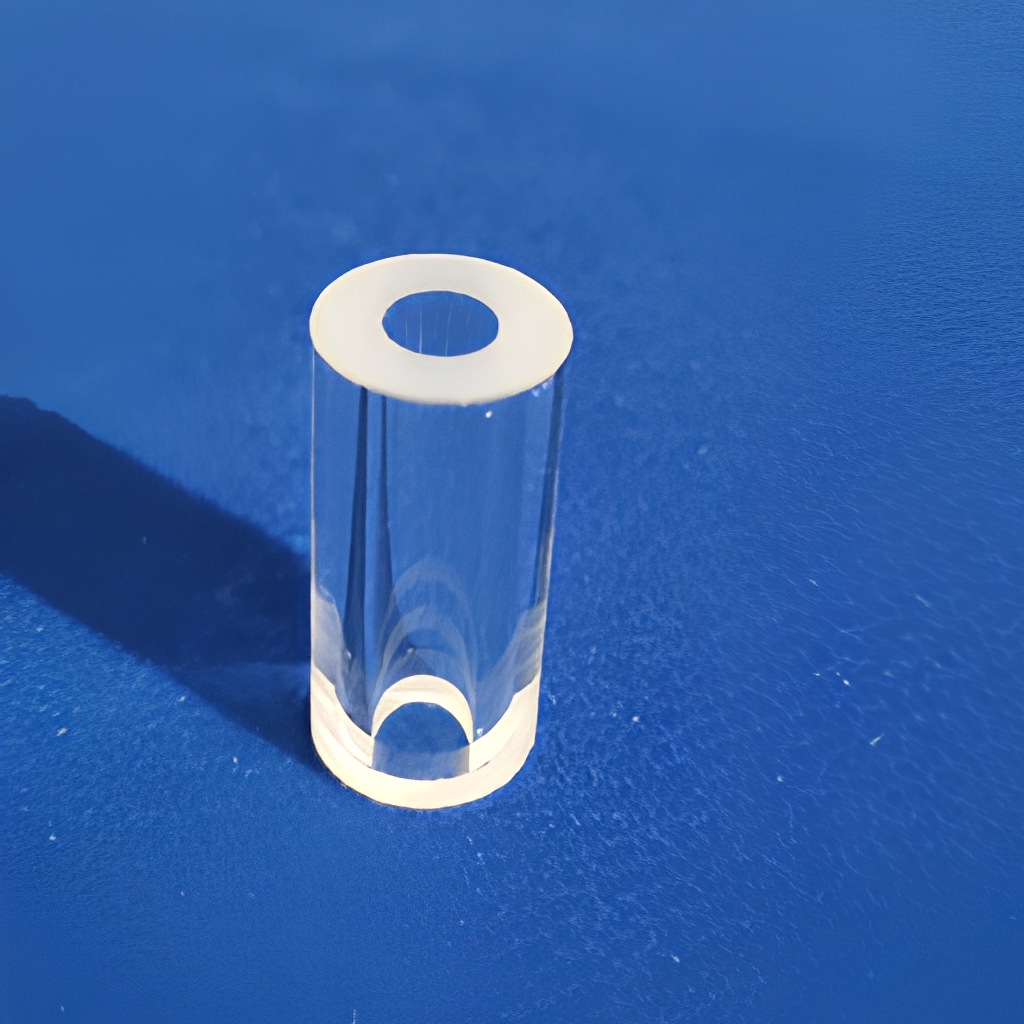
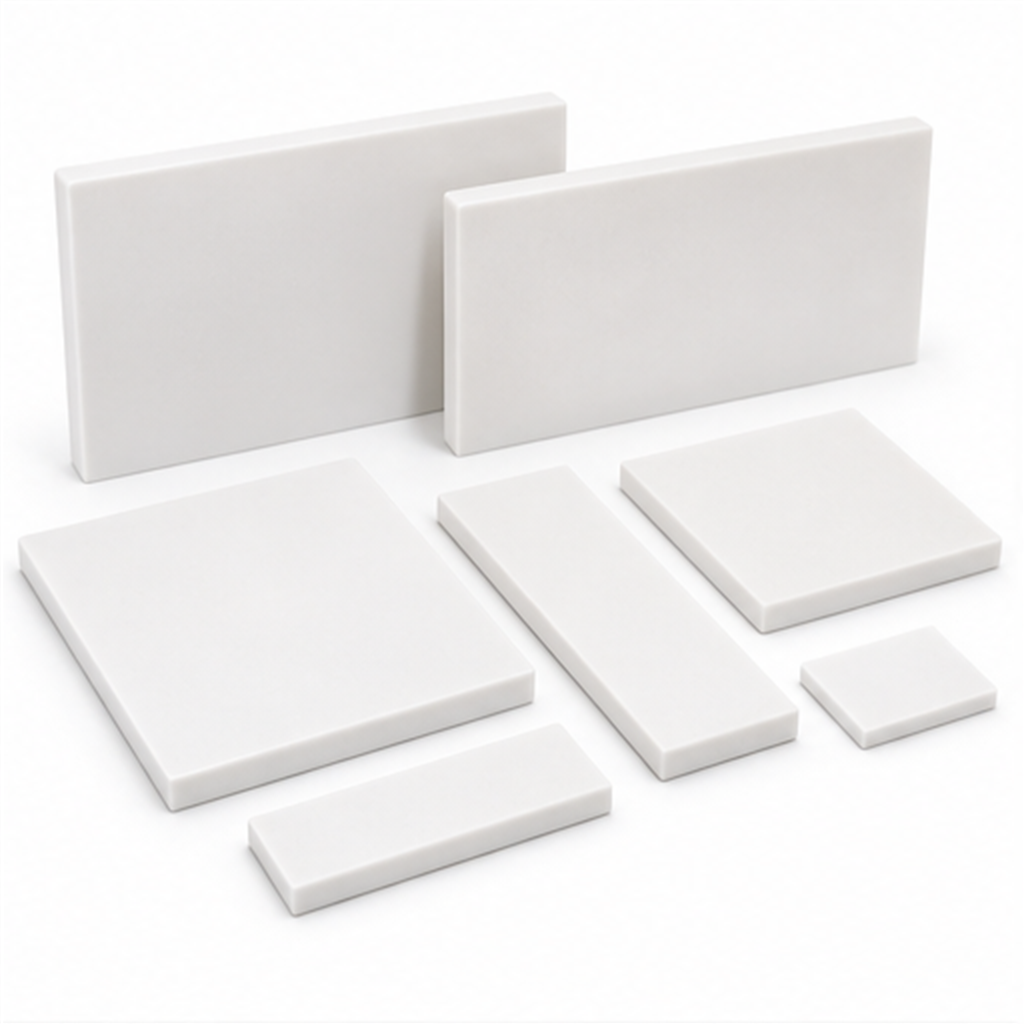
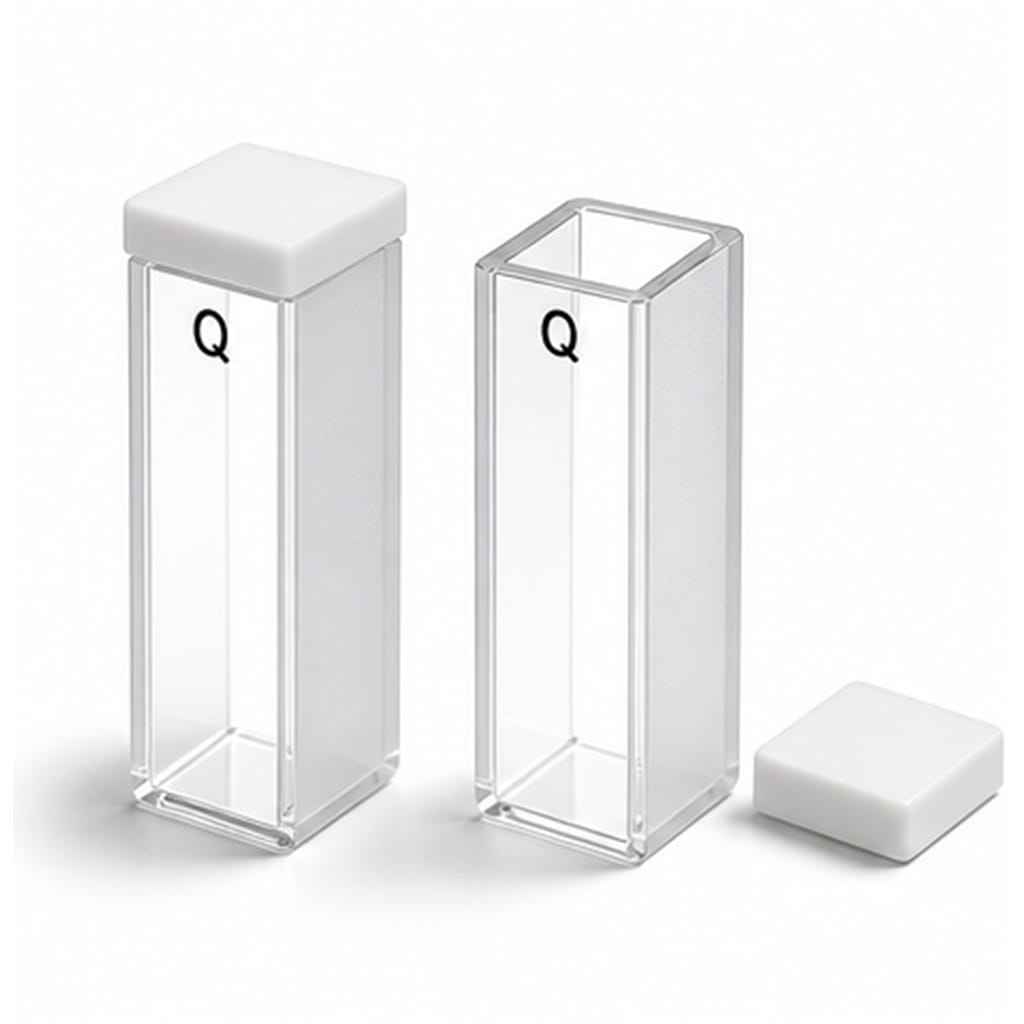
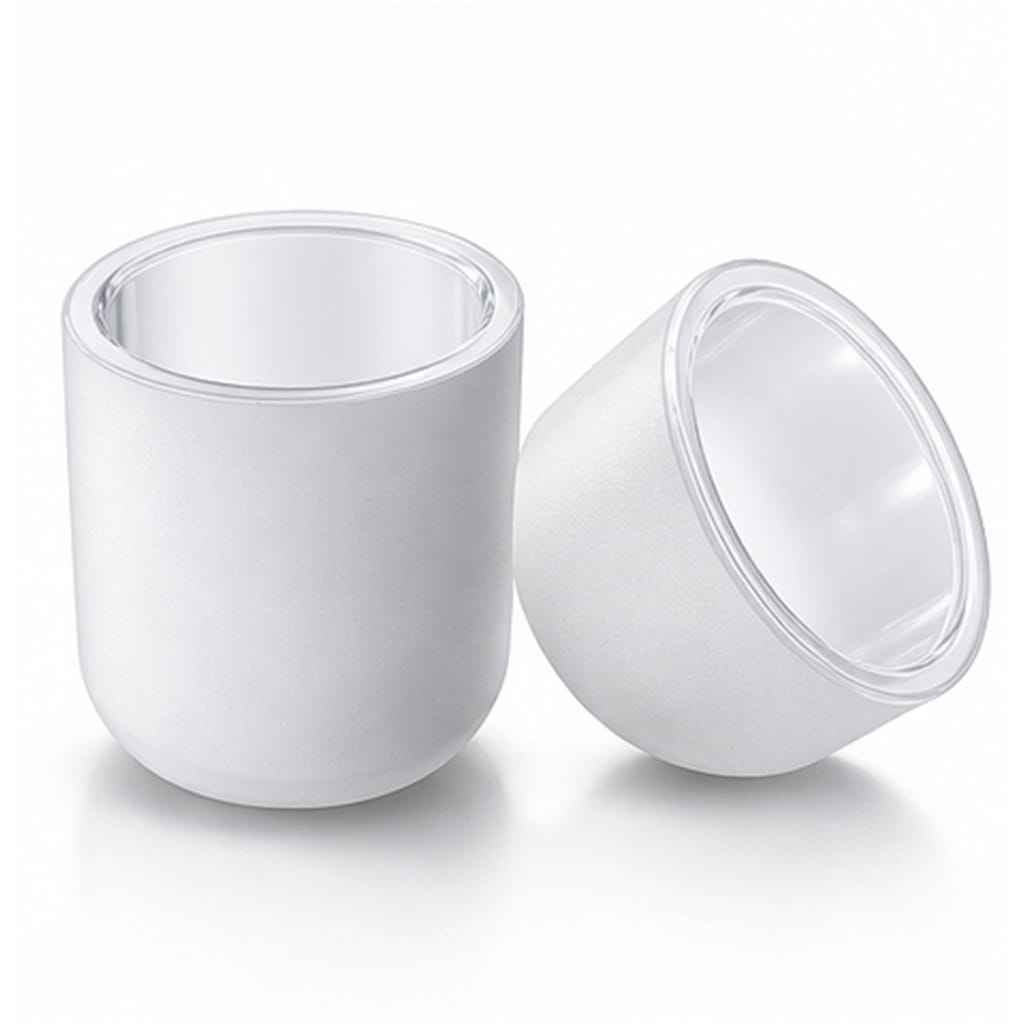
Explore our ISO 9001:2015 certified range of high-purity fused quartz tubes, optical plates, crucibles, and customized capillary components engineered for zero thermal distortion and deep UV transmission.
Micro-Bore Capillary Quartz Glass Technology: An Engineering Whitepaper
Understanding the mechanical, optical, and thermal criteria that make OEM/ODM high-purity fused quartz capillary tubes indispensable for high-precision European industries.
1. Material Composition & Hydroxyl (OH⁻) Control Strategy
In modern capillary engineering, the transition from standard borosilicate glass to synthetic fused silica and natural fused quartz is dictated by molecular purity and operational limits under extreme environments. Natural quartz raw material sourced from Donghai undergoes multi-stage acid leaching, thermal calcination, and electromagnetic separation to reduce trace alkali metals (Na, K, Li) to sub-ppm levels. Alkali ions cause devitrifcation (crystallization into cristobalite) at elevated temperatures exceeding 1000°C.
Furthermore, for optical lightguides and laser-induced fluorescence (LIF) capillaries deployed in photonics hubs like Bordeaux’s ALPhANOV and Route des Lasers, hydroxyl content (OH⁻ concentration) is strictly regulated during the thermal drawing process. Low-OH grades (< 1 ppm) eliminate absorption bands in the near-infrared spectrum (1380 nm and 2200 nm), whereas high-OH grades (> 800 ppm) enhance resistance to UV-induced color center formation (solarization) down to 190 nm wavelength.
2. Thermal Shock Resistance & Mechanical Integrity
The ultra-low coefficient of thermal expansion (CTE) of fused quartz (5.5 × 10⁻⁷ / °C from 20°C to 300°C) is approximately 1/6th that of borosilicate glass and 1/20th that of soda-lime glass. This near-zero expansion allows capillary tubes with inner diameters as small as 10 µm and outer diameters of 100 µm to undergo rapid thermal cycling—such as direct immersion from a 1100°C furnace into cold water—without experiencing micro-fracturing or dimensional creep.
For high-pressure liquid chromatography (HPLC) and gas chromatography (GC) applications, the tensile strength of the capillary wall is paramount. Through controlled flame-polishing and laser-assisted edge cleaving, microscopic surface flaws (Griffith cracks) are eliminated. This process raises the internal burst pressure rating of thin-walled micro-capillaries beyond 300 bar (4,350 psi), providing a substantial safety factor for analytical instruments.
Localized Application Scenarios in the Bordeaux Region
Bordeaux and the surrounding Nouvelle-Aquitaine ecosystem represent a unique convergence of world-class laser research, aerospace innovation, and advanced agricultural chemistry.
Oenological Analytics & Terroir Profiling
Bordeaux is home to the world-renowned ISVV (Institut des Sciences de Vigne et du Vin) and leading private analytical laboratories. OEM capillary quartz tubes are critical components in capillary electrophoresis and gas chromatography-mass spectrometry (GC-MS) devices. They allow precise separation of volatile aromatic compounds, polyphenol profiling, pesticide residue trace analysis, and TCA (cork taint) detection at parts-per-trillion (ppt) sensitivity levels without sample interaction or background leaching.
Aerospace Optics & Laser Mégajoule (LMJ)
With major defense and aerospace hubs in Mérignac and Le Haillan (Aerospace Valley), as well as the CEA Laser Mégajoule facility, regional research institutes require ultra-pure, micro-machined capillary waveguides. Customized quartz capillaries act as gas-filled spatial filters, pulse-compression channels, and target delivery tubes in petawatt-class ultrafast lasers where high optical breakdown thresholds (> 10 GW/cm²) are mandatory.
Microfluidic Synthesis & Fine Photochemistry
Nouvelle-Aquitaine's chemical synthesis industry uses micro-channel continuous flow reactors fabricated from precision-cut fused quartz capillary arrays. Fused quartz’s complete immunity to organic solvents, concentrated nitric acid, and sulfuric acid at temperatures up to 300°C enables hazardous exothermic reactions and UV-initiated photolytic reactions to proceed safely with optimal heat transfer and precise residence time control.
Bordeaux Market Trends: Innovation in Precision Quartz Procurement
How European environmental regulations, miniaturization, and supply-chain agility are reshaping the demand for quartz components in southwestern France.
Green Analytical Chemistry (GAC) Shift
French analytical laboratories are actively reducing hazardous chemical waste. Transitioning from standard analytical columns to capillary-bore quartz tubes (ID < 100 µm) reduces organic solvent usage by up to 95% per run, directly aligning with ISO 14001 environmental targets enforced by French regulatory bodies.
REACH & RoHS Strict Material Compliance
Industrial buyers across Nouvelle-Aquitaine require complete material traceability. OEM components imported into Bordeaux must provide REACH SVHC declarations and RoHS compliance certificates confirming zero heavy metals (lead, cadmium, mercury, hexavalent chromium) in the quartz substrate or outer protective coatings.
Rapid Prototyping for High-Tech Incubators
With the rapid expansion of deep-tech startups emerging from Technowest Mérignac and the University of Bordeaux, the demand for small-batch ODM micro-machining (10 to 500 units) with short lead times has surpassed standard mass-production cycles. Custom CAD-to-part turnarounds within 10 to 14 days have become a key standard.
Technical Specification Benchmark: Quartz vs. Alternative Substrates
A comparative engineering evaluation highlighting why high-purity fused quartz outperforms borosilicate glass and sapphire in demanding analytical and optical applications.
| Physical / Technical Property | High-Purity Fused Quartz (Donghai) | Borosilicate Glass 3.3 | Synthetic Fused Silica | Single-Crystal Sapphire |
|---|---|---|---|---|
| SiO₂ Purity Grade | ≥ 99.99% | ~ 81% (with B₂O₃, Na₂O) | Synthetic (Zero Crystal) | Al₂O₃ (100%) |
| Continuous Max Temperature | 1100°C | 500°C | 1150°C | 1900°C |
| Softening Point | 1683°C | 820°C | 1710°C | 2030°C |
| Thermal Expansion (20-300°C) | 5.5 × 10⁻⁷ /°C | 33.0 × 10⁻⁷ /°C | 5.1 × 10⁻⁷ /°C | 53.0 × 10⁻⁷ /°C |
| UV Transmittance Range | 200nm - 2500nm | 320nm - 2500nm | 185nm - 2500nm | 170nm - 5500nm |
| Dielectric Strength (20°C) | 25-30 kV/mm | 10-15 kV/mm | 30 kV/mm | 40 kV/mm |
| Micro-Bore Tolerance Capability | Up to ±0.002mm | Up to ±0.015mm | Up to ±0.001mm | Up to ±0.005mm |
| Cost-to-Performance Ratio | Optimal for OEM Industry | Low / Basic Lab Only | Very High / Niche Optics | Extremely High |
Why Choose Donghai Kemzo Quartz Products Co., Ltd.
Leveraging the natural raw material reserves of Donghai—China’s crystal capital—with over 11 years of international OEM manufacturing excellence.
Integrated Source Supply
Located at 7 North Huaya Road, Lianyungang, Jiangsu, our plant operates directly within China's largest quartz hub. We control raw sand selection, high-temperature melting, drawing, and cold processing under one roof.
ISO 9001:2015 Quality System
Every batch undergoes strict inspection: dimensional verification via digital optical comparators, strain-point stress relief testing, and backlight visual audits to guarantee zero internal bubble defects or micro-airlines.
11+ Years OEM/ODM Precision
We engineer custom quartz components directly from client CAD files (.STEP, .DWG, .PDF). Our capabilities include precision cutting, grinding, CNC ultrasonic drilling, surface double-side polishing, flame welding, and ground-joint tapers.
Global Export Logistics
With 71%-80% of our production exported across Europe, North America, and East Asia, we specialize in shock-proof export packaging (individually foam-encased inside reinforced wooden crates) with full CIF, FOB, DDP, and DDU terms into Bordeaux.
Frequently Asked Questions by Bordeaux Procurement Managers
Technical, logistical, and commercial inquiries answered by our senior engineering team.
Q1: What is the typical lead time for custom OEM capillary quartz tube orders shipped to Bordeaux?
For standard micro-bore dimensions or catalogue capillary profiles, sample prototypes are dispatched within 3 to 5 working days. Custom ODM drawings requiring special wall thickness tolerances, laser end-cleaving, or ground joints typically take 10 to 14 days for production. Air freight to Bordeaux-Mérignac Airport (BOD) takes approximately 4 to 6 business days, while sea freight to Grand Port Maritime de Bordeaux takes 28 to 35 days.
Q2: How does fused quartz perform under hydrofluoric acid exposure in chemical lab settings?
Fused quartz offers exceptional corrosion resistance against almost all acids—including concentrated hydrochloric, nitric, and sulfuric acids at high temperatures. However, like all silicon dioxide structures, quartz is attacked by hydrofluoric acid (HF) and hot phosphoric acid (above 150°C). For applications involving HF traces, we recommend evaluating custom protective polymer linings or alternative synthetic material configurations.
Q3: Can Donghai Kemzo supply quartz capillary tubes with polyimide or protective outer coatings?
Yes. To increase flexible mechanical strength and prevent physical abrasion in gas chromatography or bio-analytical instrumentation, we offer capillary quartz tubing coated with high-temperature polyimide (stable up to 380°C) or fluoro-polymer sleeves. Bare fire-polished capillaries are also available for optical transmission and high-temperature furnace use up to 1100°C.
Q4: What dimensional tolerances can your CNC micro-machining process achieve on small capillary bores?
Utilizing high-precision thermal drawing lines and diamond-tooled CNC grinding equipment, we achieve inner diameter (ID) tolerances down to ±0.002 mm (2 µm) and outer diameter (OD) tolerances within ±0.005 mm. Bore concentricity is strictly maintained above 98%, ensuring symmetrical flow rates in analytical microfluidic systems.
Q5: What payment terms and currencies do you support for French corporate accounts?
We accept payment via T/T (Telegraphic Transfer), Irrevocable L/C at sight, and PayPal. Transactions are accepted in Euros (EUR), US Dollars (USD), and British Pounds (GBP). For established corporate buyers and research institutes in France, flexible commercial credit terms can be arranged following an initial credit assessment.
Q6: How are fragile micro-capillaries packaged to ensure zero breakage during transport?
Every capillary tube bundle is immobilized inside rigid polycarbonate storage tubes, cushioned with custom high-density EVA foam inserts, vacuum-sealed against dust and moisture, and housed in heavy-duty corrugated export boxes or export wooden cases. We maintain a verified transport breakage rate below 0.1% for long-distance European freight.
Request a Precision Engineering Quotation Today
Submit your CAD drawings, dimensional specifications, or material requirements. Our senior engineering team will review your project and provide a technical feasibility feedback and competitive quotation within 1 hour.