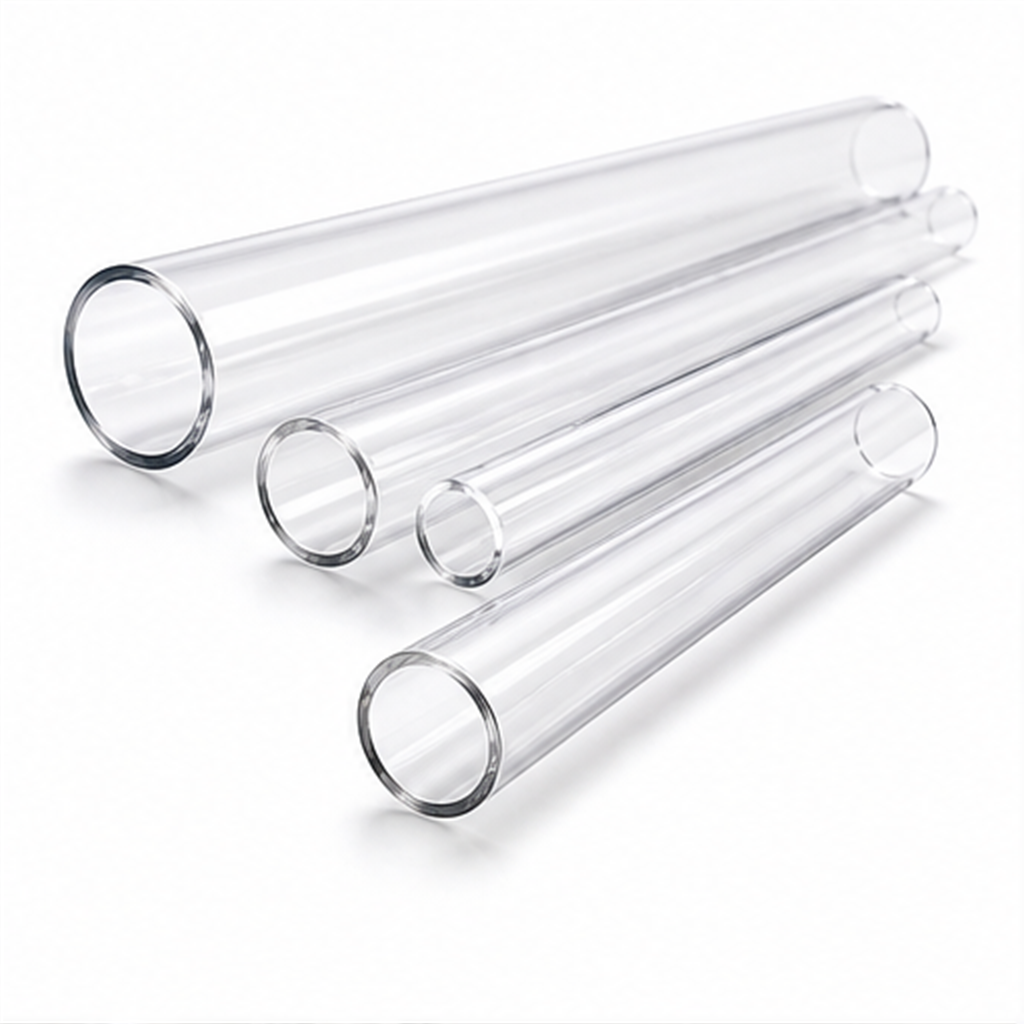
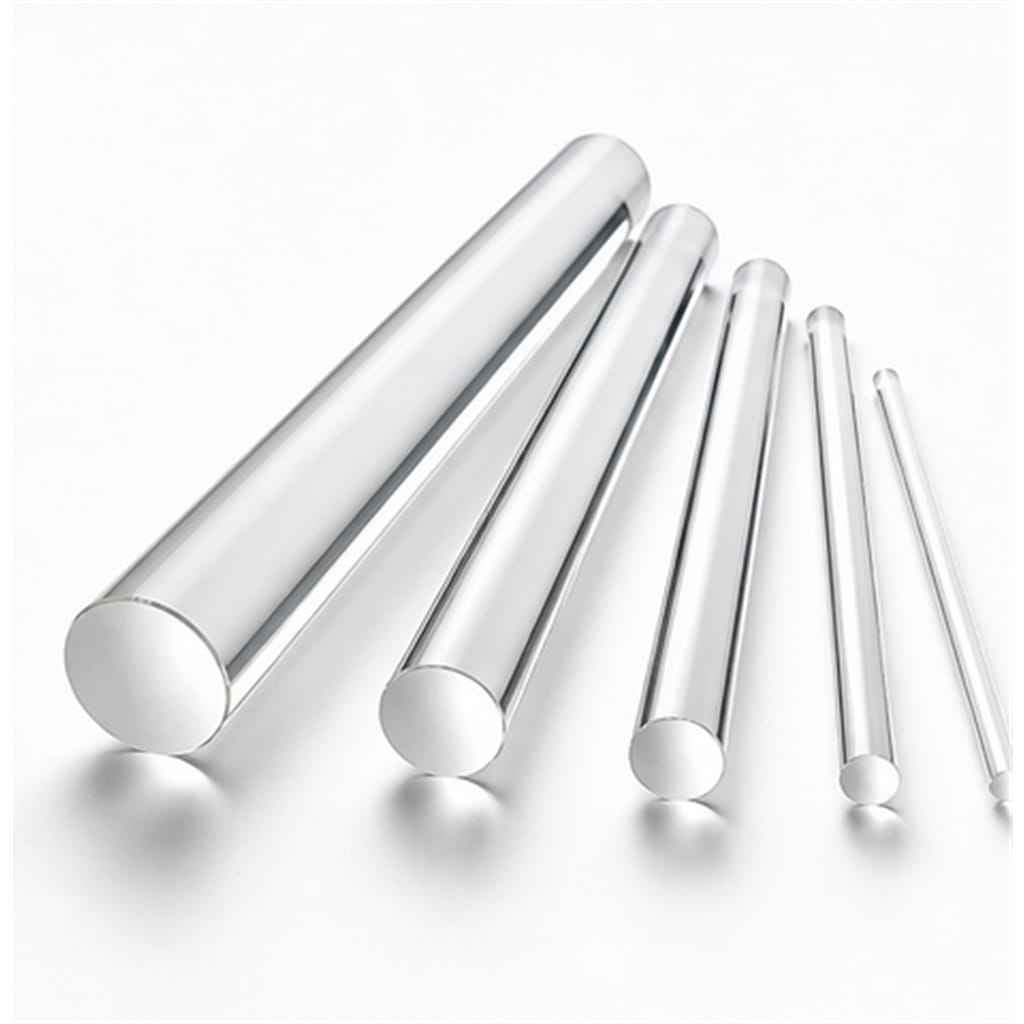
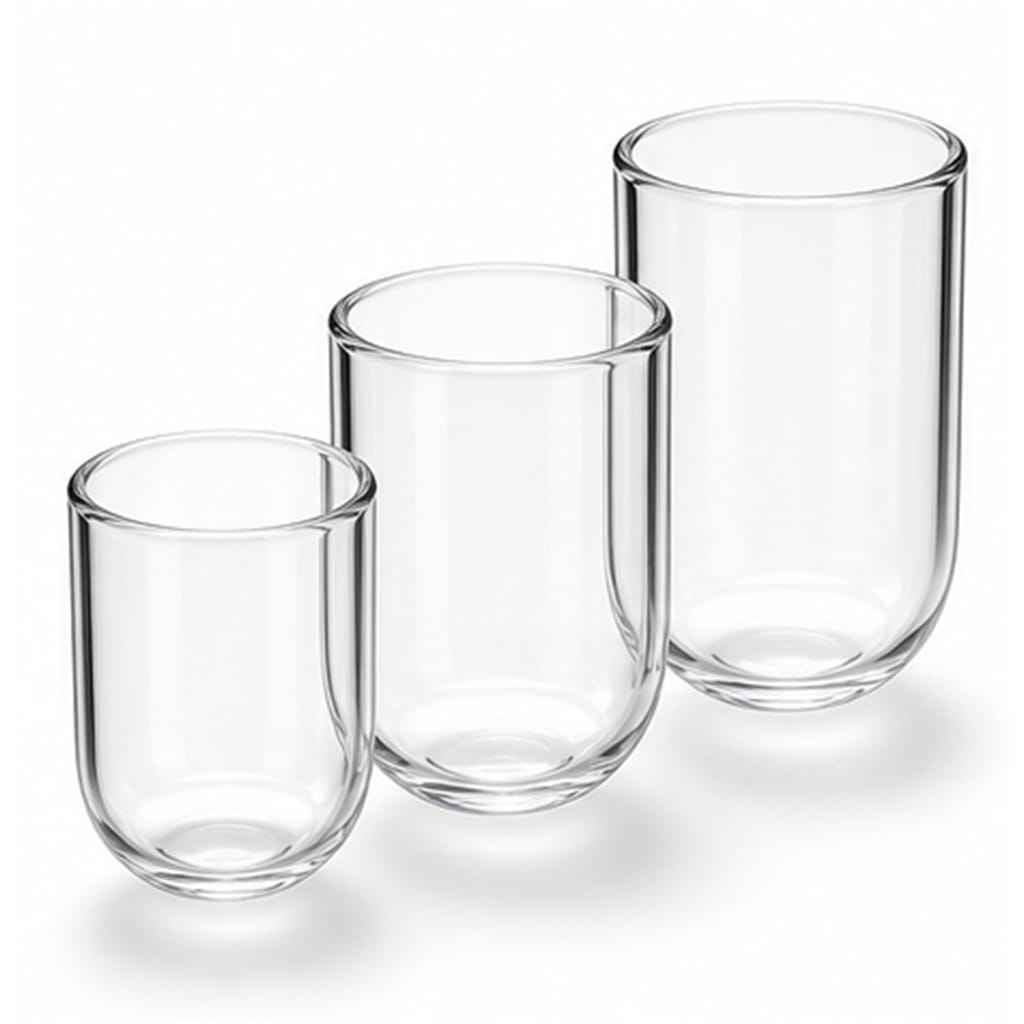
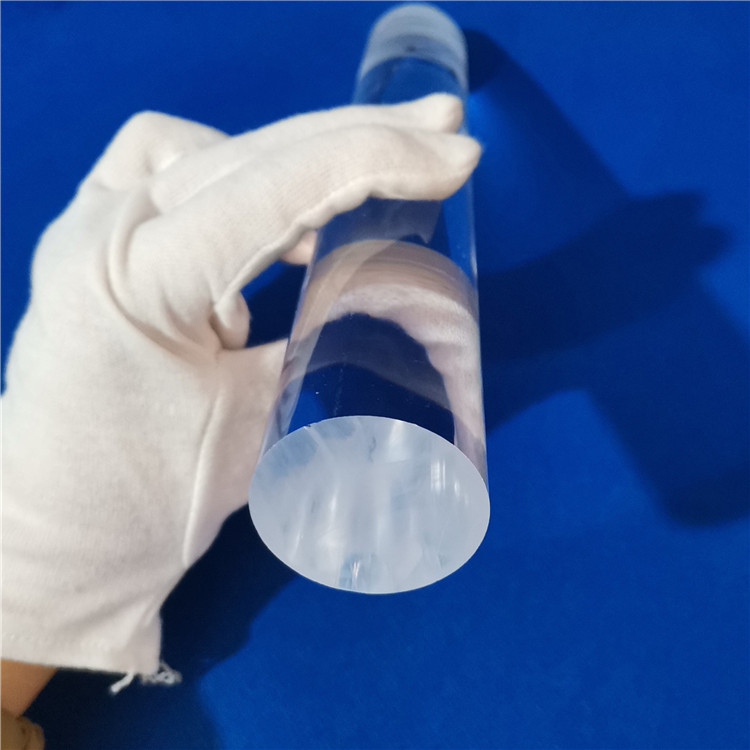
Standard & Custom Industrial Quartz Products
Direct factory fabrication adhering to strict ISO 9001 standards. Each component undergoes optical interferometry, dimensional tolerance inspections, and complete thermal stress-relief annealing.
≥ 99.99%
Pure SiO₂ Content
1100°C
Continuous Operating Limit
≤ 1 Hour
Technical Inquiry Feedback
ISO 9001
Certified Quality System
Engineering Whitepaper: Precision Quartz Glass Domes in Tropical Coastal Environments
Precision quartz glass domes (hemispherical and hyper-hemispherical shells) represent the apex of protective optical boundaries. Unlike standard borosilicate or soda-lime glass, fused quartz (synthesized or melted from high-grade natural SiO₂ crystals) exhibits an exceptionally low thermal expansion coefficient of 5.5 × 10⁻⁷/°C, zero birefringence under optimized thermal annealing, and profound resistance to atmospheric saline corrosion. For equipment operators, scientific institutions, and civil engineering infrastructure projects in Port-au-Prince and throughout the Republic of Haiti, selecting the appropriate optical glass grade is critical for preventing solar degradation, mechanical shear failures, and optical distortion.
1. Optical Geometry & Wavefront Transmission Mechanics
An optical quartz dome comprises two concentric, parallel spherical surfaces. When deployed as a viewport or sensor window, the dome acts as a zero-power diverging meniscus lens when surrounded by air, or as an active refractive interface when deployed underwater in marine submersibles and port surveillance fixtures in the Gulf of La Gonâve. Achieving high-fidelity signal transmission requires sub-micron sphericity errors (typically within λ/4 to λ/2 at 632.8 nm) and tight wall thickness uniformity (±0.02 mm). This prevents wavefront aberration and angular displacement during broadband radiometric readings or high-resolution imaging.
Our production facilities utilize three primary fused silica grades tailored to application requirements: JGS1 (Synthetic Fused Silica, deep UV to near-IR, free of OH-absorption dips), JGS2 (Fused Natural Quartz, standard optical grade for visible and solar spectra), and JGS3 (Infrared Grade, optimized for 250 nm up to 3500 nm transmission). In tropical marine environments like Port-au-Prince, where high UV indices coincide with humid air, synthetic JGS1 and JGS2 materials resist solarization and maintain an internal transmittance exceeding 92% across critical wavelengths.
2. Structural Integrity & Pressure Resistance Under Hydrostatic Loads
Marine sensor housings, subsea robotic visual systems, and sealed environmental chambers depend on the structural geometry of the hemisphere. The compressive strength of fused quartz (1100 MPa) is roughly ten times its tensile strength (50 MPa). Under external hydrostatic loading, such as deep-water monitoring instruments anchored off the coast of Haiti, a hemispherical dome distributes compressive forces uniformly across the circular mounting rim without inducing peak localized shear stresses.
Our ISO 9001 certified CNC grinding, ultrasonic contouring, and automated flame-polishing protocols guarantee that the dome's edge interface is chamfered, ground flat, or stepped according to precise O-ring or metal-gasket sealing specifications. This prevents micro-cracking caused by mounting torque or fluctuating pressure differentials during coastal surge events.
Localized Application Scenarios in Port-au-Prince
From port logistics at the Port International de Port-au-Prince to off-grid solar energy installations and municipal water safety, our quartz components withstand rigorous tropical and industrial demands.
Maritime & Port Infrastructure Monitoring
Installed at the Port International de Port-au-Prince and coastal facilities throughout the Bay of Port-au-Prince, quartz domes serve as rugged enclosures for underwater visual inspection, LiDAR harbor scanning, and coastal water level telemetry. High-salinity resistance prevents the salt-fog etching and pitting common to standard technical glass.
Solar Energy Pyranometers & Clean Grids
Haiti's rapid expansion of decentralized commercial solar mini-grids demands reliable solar radiation monitoring. Double-dome quartz pyranometers preserve spectral response from 285 to 2800 nm, delivering zero thermal offset under intense midday heat and preventing reading drift in mission-critical photovoltaic arrays.
Municipal & Clinic UV Disinfection Units
Water security is a public health pillar across metropolitan Port-au-Prince. High-output germicidal UV-C systems (254 nm) utilize custom quartz sleeves and protective dome viewports. With transmission rates ≥ 90% at 254 nm, our high-purity quartz ensures optimal pathogen inactivation in both municipal and field hospital purification setups.
Technical Data: High-Purity Fused Quartz vs. Alternate Substrates
When engineering optical enclosures for high-temperature kilns, solar testing chambers, or marine installations, physical property variations determine equipment lifespan. The table below outlines the mechanical, thermal, and optical benchmarks of our fused quartz components supplied to Port-au-Prince.
| Performance Metric | Kemzo Fused Quartz (JGS2/Natural) | Synthetic Fused Silica (JGS1) | Borosilicate Glass 3.3 |
|---|---|---|---|
| SiO₂ Content | ≥ 99.99% | ≥ 99.999% | ≈ 81% |
| Continuous Service Temp | 1100 °C | 1150 °C | 450 °C |
| Peak Short-Term Temp | 1450 °C | 1500 °C | 500 °C |
| Thermal Expansion (20–300°C) | 5.5 × 10⁻⁷ /°C | 5.2 × 10⁻⁷ /°C | 33 × 10⁻⁷ /°C |
| Refractive Index (nd at 589 nm) | 1.4585 | 1.4584 | 1.4720 |
| UV-C Transmission (254 nm, 10mm) | ≥ 85% | ≥ 91% | ≤ 1% (Solarizes/Blocks) |
| Acid Corrosion Resistance | Exceptional (Immune to all except HF) | Exceptional | Moderate (Degrades with strong alkali) |
Procurement & Infrastructure Development Trends in Haiti
Industrial procurement in Port-au-Prince is undergoing a strategic shift toward resilient, high-durability components capable of surviving harsh tropical environments, frequent power fluctuations, and logistical isolation. Engineering teams and international agencies operating in Haiti now prioritize three central procurement trends:
Decentralized Energy & Microgrid Optical Telemetry
Given regional electrical grid instabilities, industrial facilities in Port-au-Prince increasingly rely on independent solar-diesel hybrid microgrids. Monitoring performance in these installations requires high-accuracy pyranometers, IR thermal cameras, and optical pyrometers shielded behind optical quartz domes. Procurement officers avoid lower-cost soda-lime glass because solarization under the intense Caribbean sun quickly clouds the glass, leading to false sensor readings and unnecessary replacement downtime.
Robust Water Sanitation & UV-C Water Purification
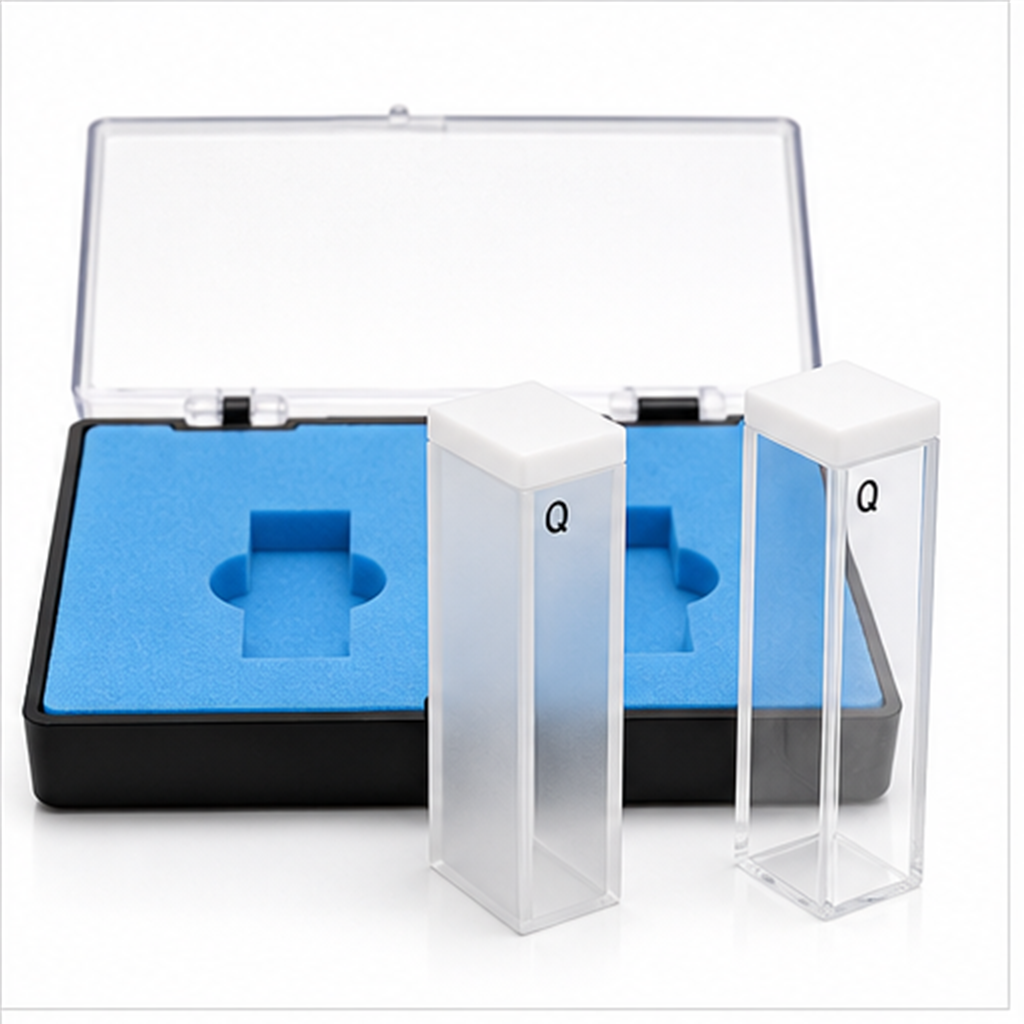
Potable water supply initiatives managed by public institutions (such as DINEPA) and non-governmental medical agencies in Haiti utilize inline UV disinfection reactors. Fused quartz protective domes, custom-curved sleeves, and spectrophotometric cuvettes represent non-negotiable procurement items. Quartz materials provide absolute resistance to fouling, zero micro-leaching of toxic metallic impurities, and structural tolerance against water-hammer hydraulic shocks in unbuffered distribution pipelines.
Consolidated Multi-Modal Freight & Safe Crating Protocols
Due to complex shipping logistics and customs clearance procedures in Port-au-Prince, international buyers favor suppliers that guarantee reinforced, specialized fragile crating. A broken dome halts entire assembly lines or water facilities. Modern procurement contracts stipulate custom shock-isolated, hermetically sealed internal packaging and ISPM 15 treated wooden export containers to endure ocean transit through the Caribbean Basin and domestic overland transport.
Donghai Kemzo Manufacturing Capabilities
Combining natural resource proximity in China's crystal capital with advanced CNC optical machining, serving industrial buyers in over 50 countries worldwide.
Source-Cluster Raw Material
Located in Donghai County, Jiangsu Province—the global hub of natural high-purity quartz reserves—we maintain direct control over quartz crystal feedstock. This provides stable bulk pricing, uniform raw material purity, and consistent supply reliability for Caribbean buyers.
11+ Years OEM/ODM Precision
Our workshop houses multi-axis CNC grinding centers, high-temperature hydrogen-oxygen flame lathes, ultrasonic drilling units, and specialized annealing furnaces. We fabricate to CAD/STEP drawings with surface qualities reaching 60/40 or 40/20 scratch-dig standards.
Export Logistics & Incoterms
Over 70% of our annual production serves international markets across the Americas, Europe, and Asia. We support FOB, CFR, CIF Port-au-Prince, and door-to-door express deliveries (DHL/FedEx/Air Freight), providing prompt technical feedback within 1 hour.
Frequently Asked Questions for Port-au-Prince Buyers
Practical technical, operational, and commercial insights for engineers and supply chain managers ordering precision quartz glass products.
What parameters are required to quote a custom OEM quartz glass dome?
To provide an accurate technical assessment and quotation, our engineering team requires: Outer Diameter (OD), Wall Thickness, Height (standard hemispherical is OD/2, or specify hyper-hemispherical rise), Flange geometry (flat ground rim, stepped shoulder, or bevel), Optical Grade (JGS1 synthetic for deep UV, JGS2 natural for visible/solar, or JGS3 for IR), and Surface Finish specification (commercial 60/40 or precision optical 40/20 scratch-dig). Drawings in PDF, DXF, or STEP format are preferred.
How do you ensure quartz glass domes survive maritime shipment to Port-au-Prince?
We deploy a multi-tiered export packaging system developed specifically for delicate optical glass. Each dome is wrapped in cleanroom-grade protective film to prevent surface scuffs, encapsulated within high-density expanded polyethylene (EPE) shock-absorbing foam molds, and packed into individual inner cartons. Cartons are then secured inside heavy-duty, reinforced plywood export crates (ISPM 15 heat-treated) equipped with exterior shock and tilt indicators. This protocol prevents transit shock and vibration damage during container transport through the Caribbean.
Can fused quartz domes withstand rapid tropical rainwater quenching from high process temperatures?
Yes. Due to its ultra-low coefficient of thermal expansion (5.5 × 10⁻⁷ /°C), transparent fused quartz possesses extraordinary thermal shock resistance. A quartz dome operating at 1000 °C can be quenched directly into cold water without structural failure or micro-cracking. This makes our quartz viewports and sight domes exceptionally safe for outdoor industrial reactors, furnaces, and flare stacks in Port-au-Prince subject to sudden, torrential tropical downpours.
What is the lead time for custom prototype domes versus volume manufacturing?
Standard prototype domes fabricated via precision CNC grinding and flame-polishing typically require 10 to 15 business days for fabrication, annealing, and optical inspection. Volume production runs (100 to 1,000+ units) are normally fulfilled in 3 to 4 weeks depending on tooling and raw blank availability. For urgent maintenance requirements in Haiti, express air-freight options are coordinated directly upon quality sign-off.
Which Incoterms and payment terms are supported for shipments to Haiti?
We routinely execute contracts under CIF Port-au-Prince, CFR, FOB China ports (Shanghai/Qingdao/Lianyungang), and DDU or Express Courier for rapid, small-batch delivery. Accepted payment structures include Telegraphic Transfer (T/T), Letter of Credit (L/C at sight for institutional and volume procurement), and verified online trade platforms. Transacting currencies include USD, EUR, and CNY.
How does high-humidity tropical saline air affect quartz glass longevity compared to borosilicate?
Standard borosilicate and soda-lime glasses contain modifier ions (such as sodium, potassium, and boron) that can leach over time when continuously exposed to high humidity and warm marine salt fog, resulting in permanent optical hazing and surface devitrification. Fused quartz is chemically inert and consists almost entirely of pure silica (≥ 99.99% SiO₂). It exhibits near-zero solubility in neutral water and saltwater solutions, maintaining pristine optical clarity throughout multi-year coastal deployments.
Do you supply flanged quartz domes with mounting holes or metal-to-quartz seals?
Yes. Our precision workshop offers ultrasonic drilling and CNC contouring to produce mounting holes, alignment notches, flat sealing flanges, and step-ground seating surfaces directly onto the quartz dome rim. We also produce Kovar-matched ground joints, metal-to-quartz transitions, and elastomeric gasket interfaces designed to maintain high vacuum or watertight integrity under pressure.
Request an Engineering Consultation & OEM Quotation
Whether you require standard stock optical quartz components or customized hemispherical domes tailored to specific engineering drawings for deployment in Port-au-Prince, our technical team is ready to assist. Contact our engineering desk for rapid feasibility reviews, material grade recommendations, and competitive commercial terms.