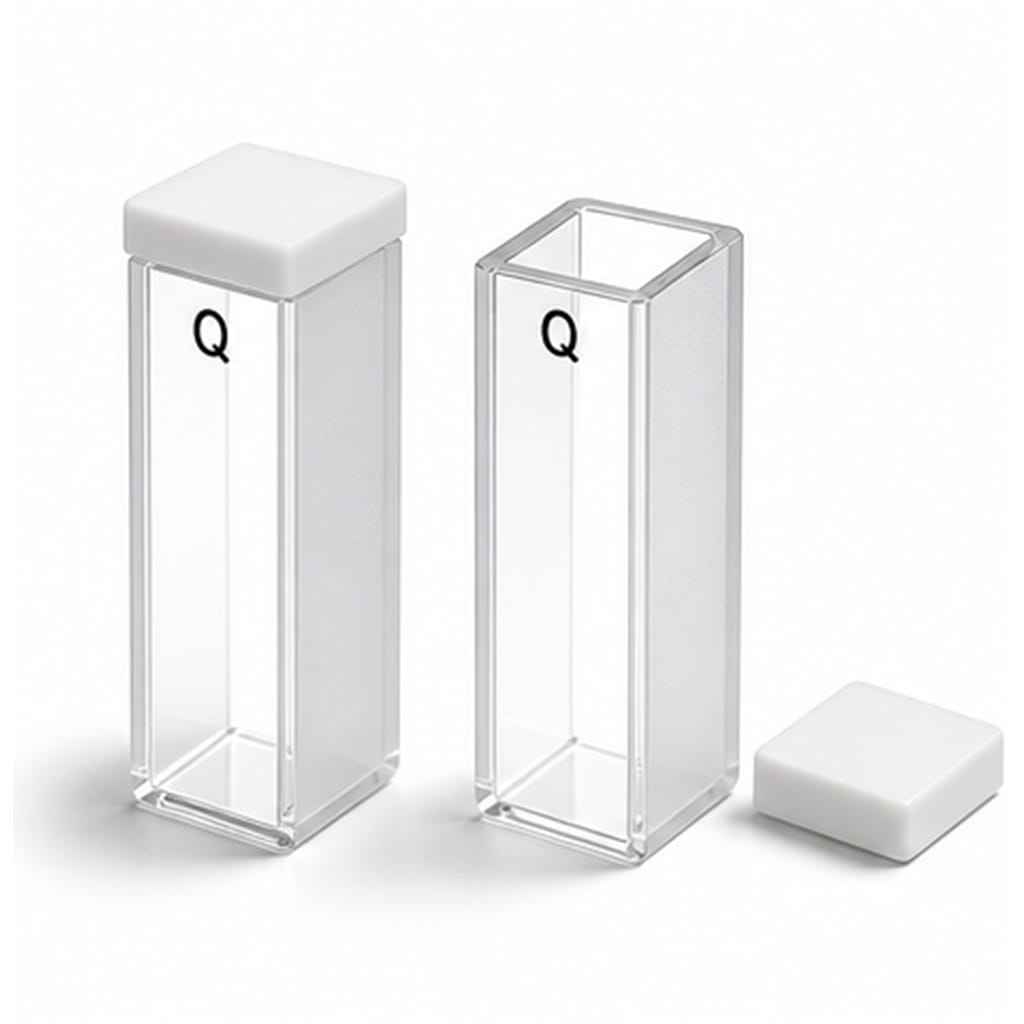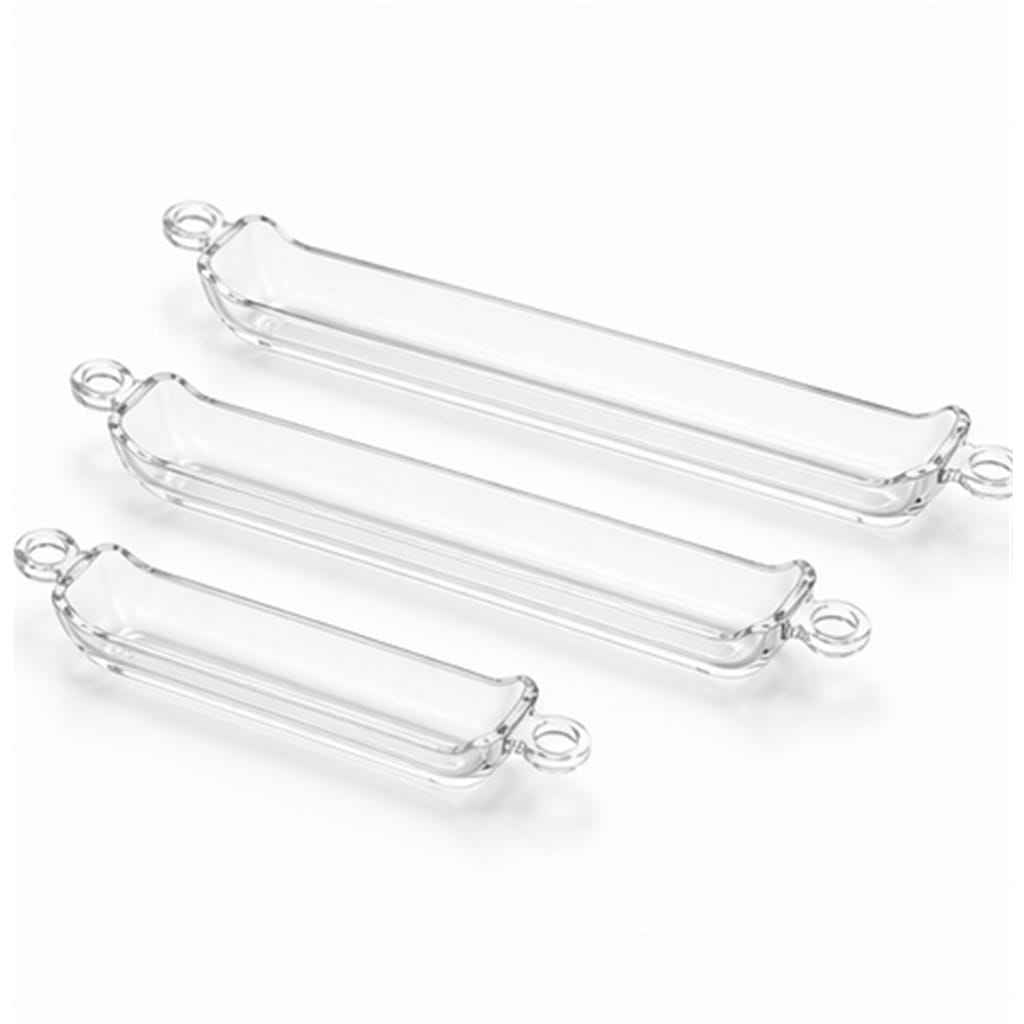
Clear Fused-Quartz Combustion Vessels with Fused Pull Rings
Engineered for high-temperature tube furnaces, offering ultra-low thermal expansion (5.5 × 10⁻⁷/°C) and micro-fused structural rings.
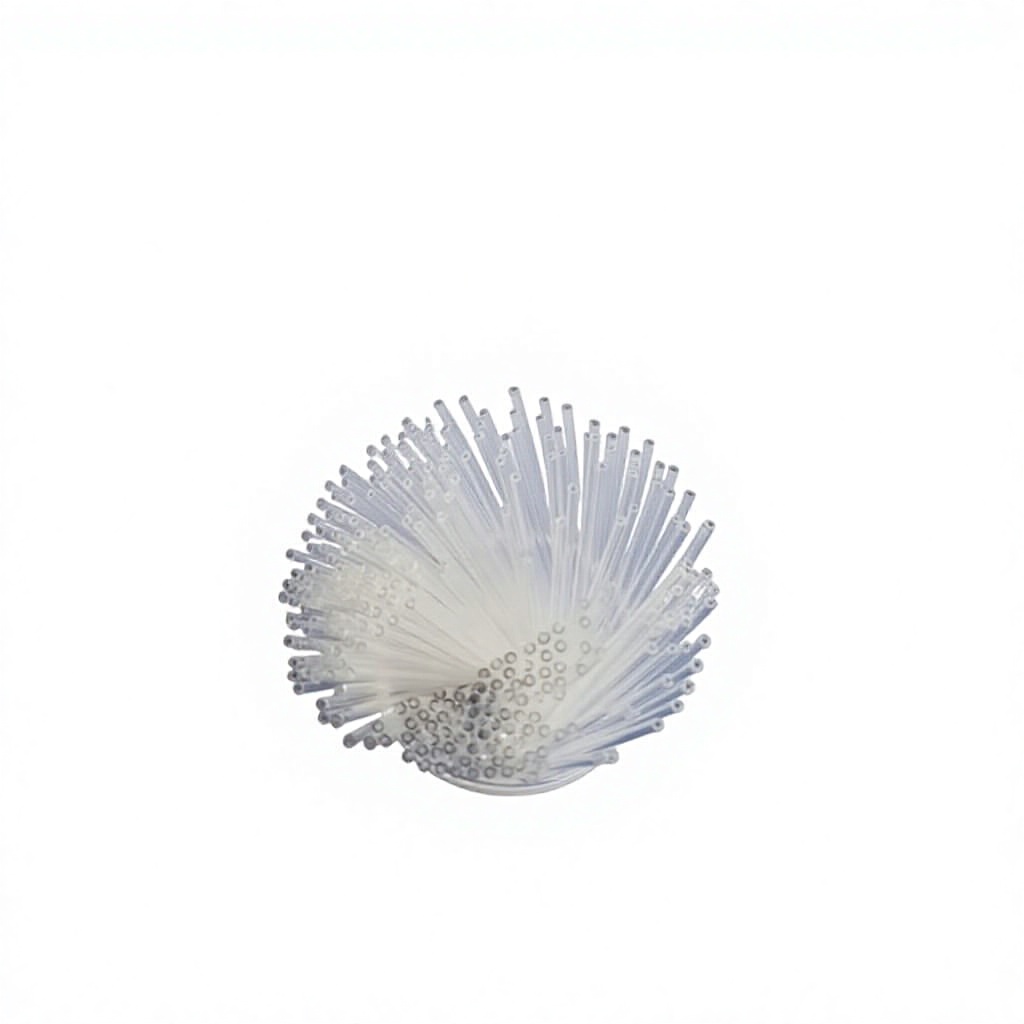
Every optical cell and high-purity thermal component is synthesized under ISO 9001 certified precision processes, guaranteeing flame-fused hermetic seams, 190 nm to 2500 nm transmission, and superior resistance to chemical attack.
Engineered for high-temperature tube furnaces, offering ultra-low thermal expansion (5.5 × 10⁻⁷/°C) and micro-fused structural rings.
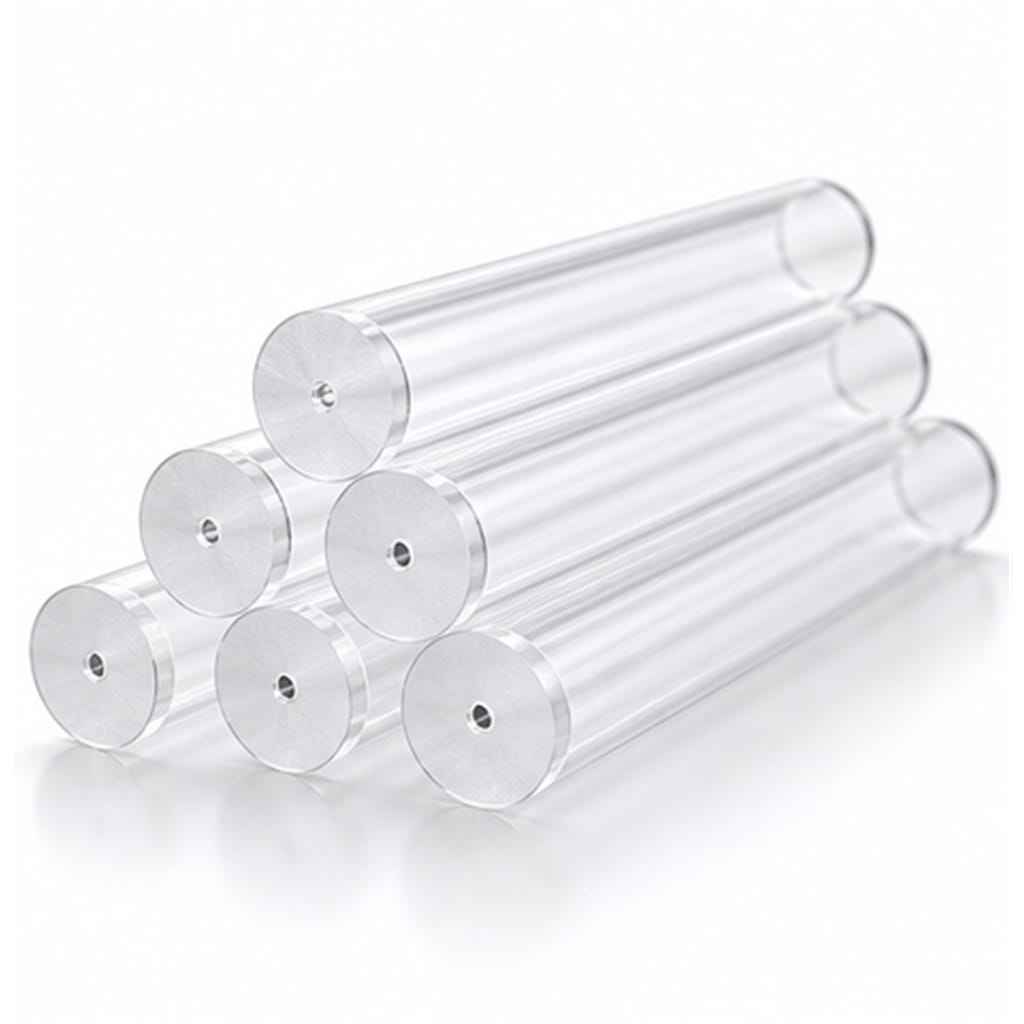
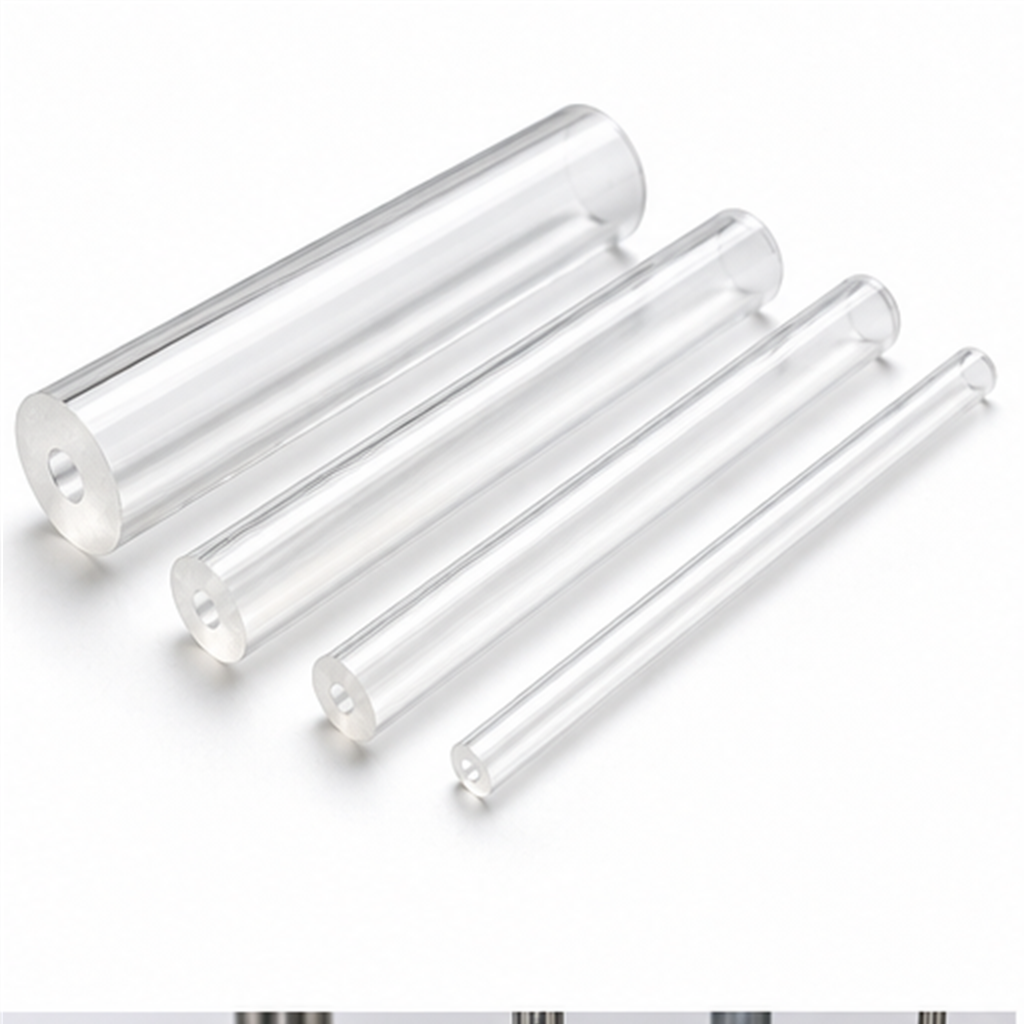
Ozone-free twin-bore capillary configuration with flame-polished edges for specialized chemical transfer and high-pressure fluid flow.
Precision micro-apertures tailored for gas chromatography (GC) separation columns and precision microfluidics with mirror-honed inner bores.
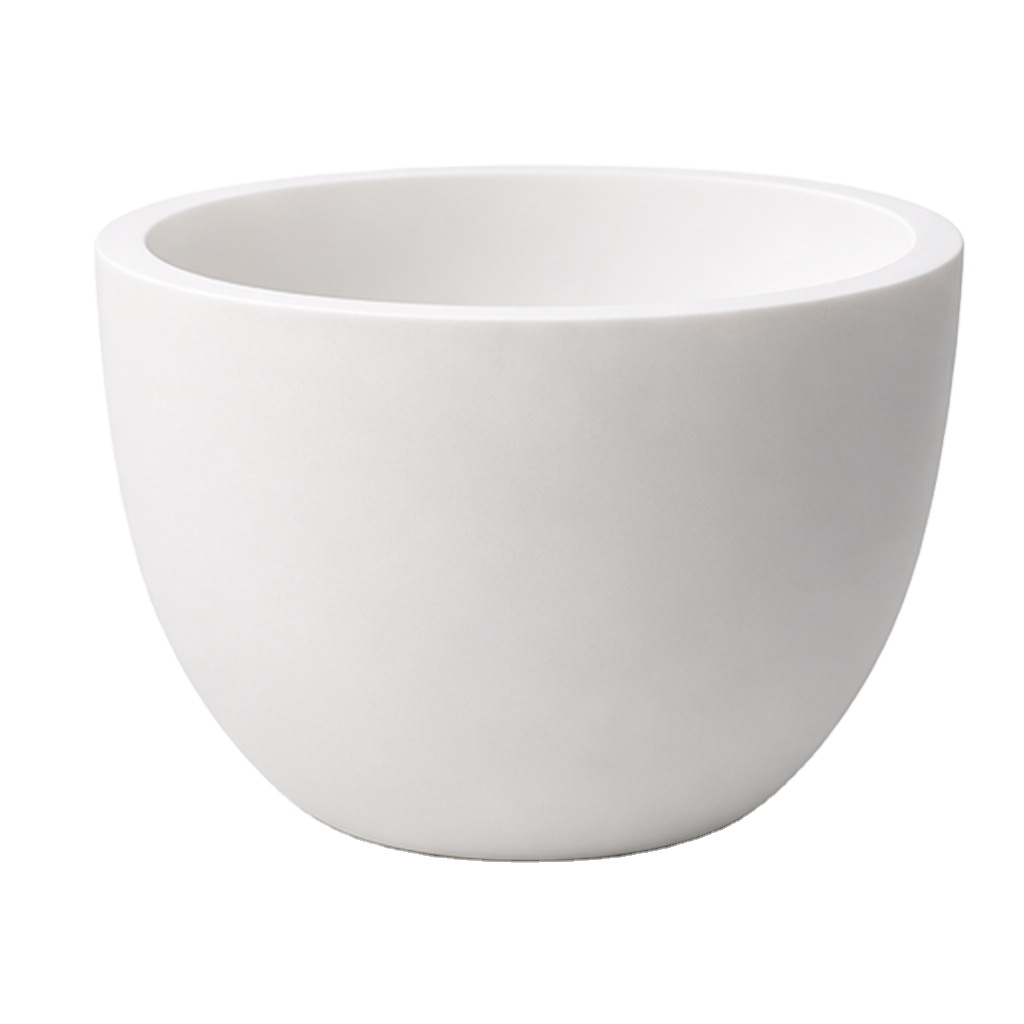
Heavy-duty thermal crucible designed for high-temperature metal melting, silicon casting, and vacuum furnace alloy processing up to 1450 °C.
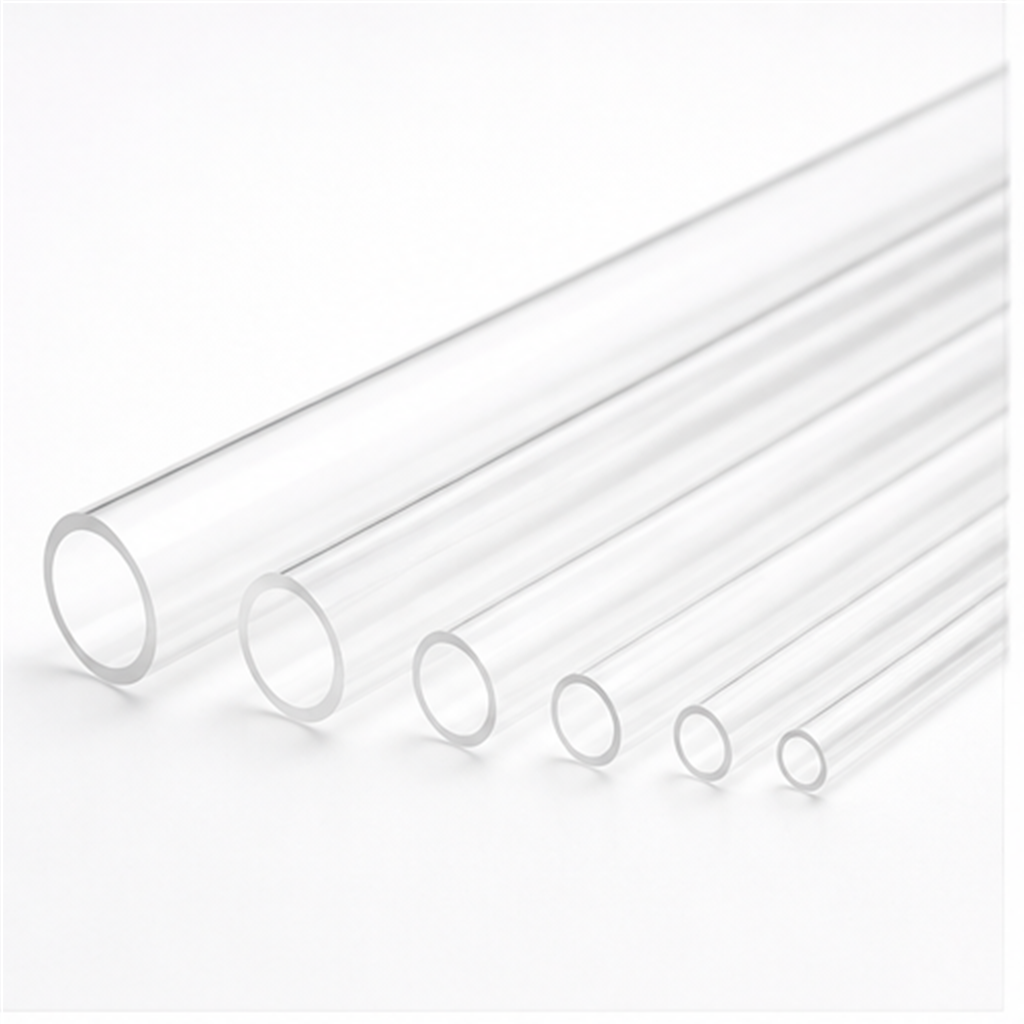
Stock industrial glass tubes with unpolished flat-cut ends, providing 99.99% SiO₂ matrix purity for laboratory and lamp fabrication.
Reinforced hydraulic and pneumatic gauge tubes with heavy wall thicknesses engineered to withstand cyclic thermal and hydrostatic pressures.
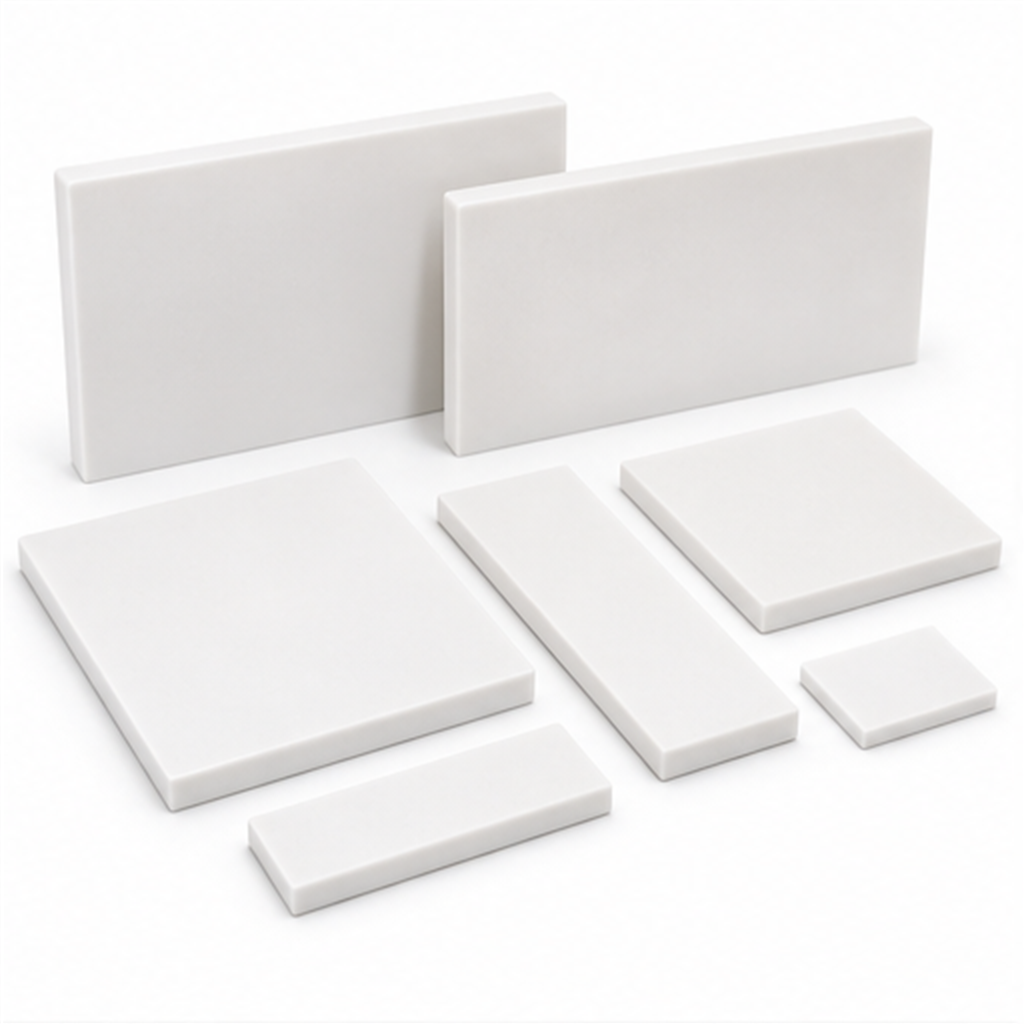
Thermal insulating slabs and radiation shields scattering infrared energy evenly across semiconductor and furnace annealing chambers.
Standard 10 mm pathlength analytical cells fused without optical glues. Exceptional light transmission from deep UV to NIR ranges (190–2500 nm).
Established in 2011 within Donghai County—the epicenter of global natural quartz crystal supply—Donghai Kemzo Quartz Products Co., Ltd. couples regional resource dominance with rigorous CNC optical grinding and heat-treatment infrastructure.
Situated in China's quartz heartland, we process selected natural silica crystal with trace metal values below standard limits, ensuring batch-to-batch spectral stability.
Recognized as a Jiangsu High Technology Enterprise, our manufacturing facility enforces strict quality control gates from crystal sorting through final polariscopic stress audits.
Equipped with ultrasonic glass milling, double-sided optical polishing machines, and high-temp vacuum annealing kilns to fabricate complex flow cells directly to CAD drawings.
Serving laboratories and distribution hubs across Glasgow and broader Scotland with customized suspension packaging that eliminates shock damage during transit.
From the historic academic labs along the River Clyde to the modern bio-incubators across Strathclyde, specialized optical cuvettes serve as mission-critical measurement interfaces.
Glasgow's thriving clinical biology research centers utilize our far-UV synthetic quartz cells for measuring nucleic acid concentrations (A260/A280 ratios) and protein assays at 230 nm without background substrate interference or UV cut-off artifacts.
Quality assurance laboratories in Scotland's premier scotch whisky and brewing industry apply spectrophotometer cells to track polyphenol extraction, colorimetry indices (EBC), ester concentrations, and fermentation purity under harsh solvent exposure.
Laboratories testing water samples from the Firth of Clyde and regional lochs rely on high-transmission 50 mm and 100 mm long-pathlength quartz cells to detect trace heavy metal ions, hydrocarbon leachates, and micro-nutrient phosphorus levels.
Collaborating with local physics departments and laser laboratories, our 4-window polished fluorometer cells and quartz beam-splitter windows maintain wavefront distortion below λ/4 for precise fluorescence emission characterization.
Supporting pharmaceutical manufacturing facilities across West Scotland, these cuvettes deliver tight matched-pair transmission consistency (within 0.5% T tolerance) to meet stringent British Pharmacopoeia (BP) compliance criteria.
Processing complexes in the central lowlands implement our chemically fused, heavy-wall quartz cuvettes for analytical hydrocarbon profiling, high-octane aromatic determination, and fuel additive quality testing without risk of seal degumming.
A direct technical comparison highlighting why our fused silica and quartz glassware prevents measurement drift across demanding thermodynamic and spectroscopic test matrices.
| Physical & Optical Parameter | Kemzo Optical Fused Quartz (UV-Grade) | Standard Technical Borosilicate Glass | Operational Impact on Spectrometry |
|---|---|---|---|
| Wavelength Transmission | 190 nm – 2500 nm (T% > 80% at 200 nm) | 320 nm – 2000 nm (Opaque below 310 nm) | Enables deep ultraviolet DNA, RNA, and protein absorbance quantification. |
| Pathlength Tolerance | ± 0.005 mm (Laser Interferometer Inspected) | ± 0.05 mm – ± 0.1 mm | Eliminates pathlength variance errors in Beer-Lambert absorbance calculations. |
| Thermal Expansion (20–300 °C) | 5.5 × 10⁻⁷ / °C | 33 × 10⁻⁷ / °C | Zero cell deformation during high-temperature thermodynamic kinetics runs. |
| Softening / Strain Point | 1683 °C / 1120 °C | 820 °C / 510 °C | Withstands extreme autoclaving, flame sterilisation, and furnace use. |
| Seam Assembly Method | Molecular Fire-Fused (No adhesive / No resin) | Epoxy Resin or Glued Joint | Complete inertness to acetone, acids, benzene; eliminates solvent extraction peaks. |
| Refractive Index (Nd at 589 nm) | 1.4585 ± 0.0002 | 1.5100 ± 0.0050 | Low dispersion index minimizes beam steering and internal reflection artifacts. |
Navigating modern supply chain changes across Glasgow's scientific supply chain reveals an increasing demand for direct OEM production lines and rigorous material certification.
Scottish academic institutions and corporate diagnostic centers are increasingly bypassing local third-party distributors. Procuring directly from certified manufacturers reduces recurring consumables budgets by 30% to 50% while opening direct channels for custom dimensional fabrication.
With clinical diagnostics scaling towards multi-channel automated analysis, demand for 'matched pairs' has shifted towards matched sets of 4, 8, or 16 cuvettes exhibiting transmission variances under 0.5% across the entire 200–800 nm spectrum.
Industrial sustainability initiatives require smaller reagent volumes. Laboratories across Glasgow are transitioning to sub-micro (50–100 µL) masked quartz flow cells that combine narrow sample apertures with black self-masking quartz walls to eliminate stray light interference.
Addressing essential technical specifications, international trade documentation, customs handling, and optical properties.
Connect with our technical glass engineering team today. Send us your required pathlengths, spectral ranges, or bespoke dimensional schematics for immediate engineering feedback and transparent wholesale quotations.
Get a Quote