Chromatography
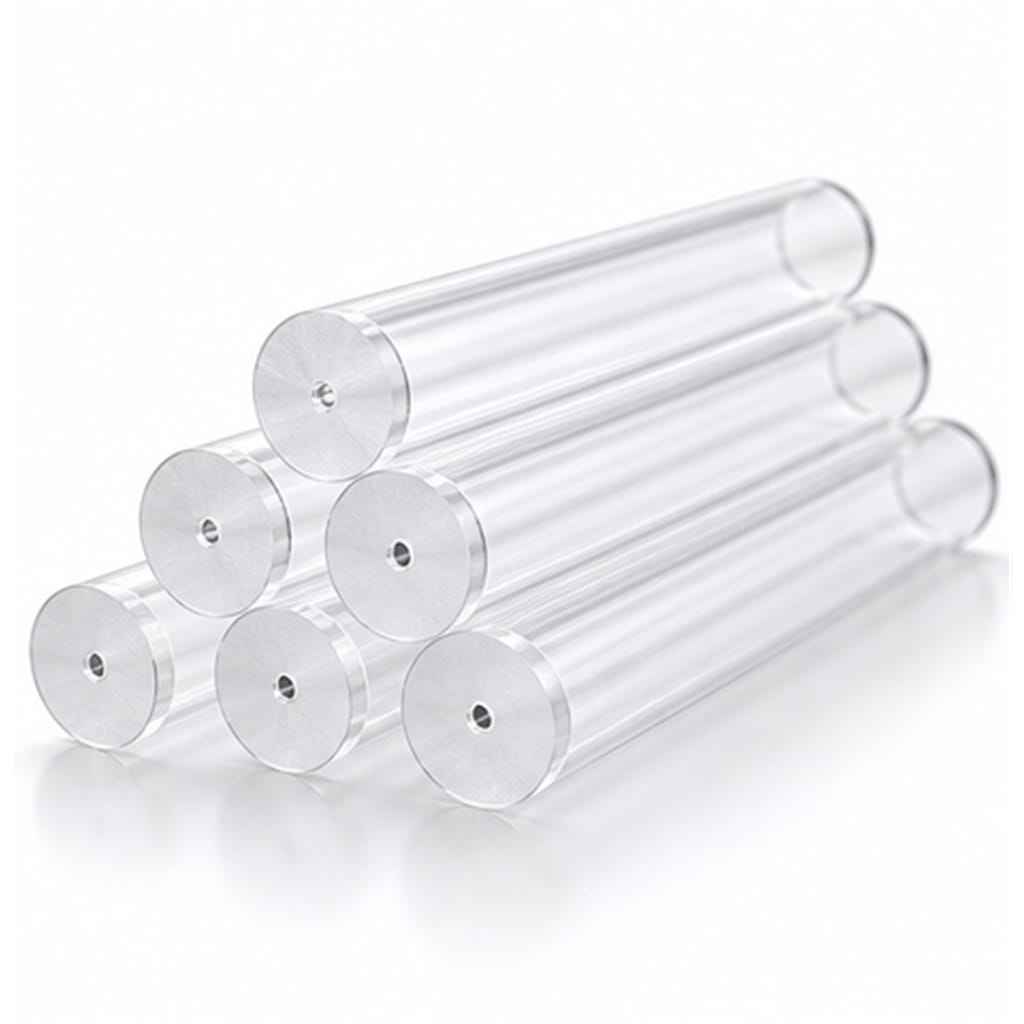
Engineered from semiconductor-grade fused quartz (SiO₂ ≥ 99.99%) to eliminate trace leaching, thermal deformation, and thermal shock failures across rigorous British pilot programs.
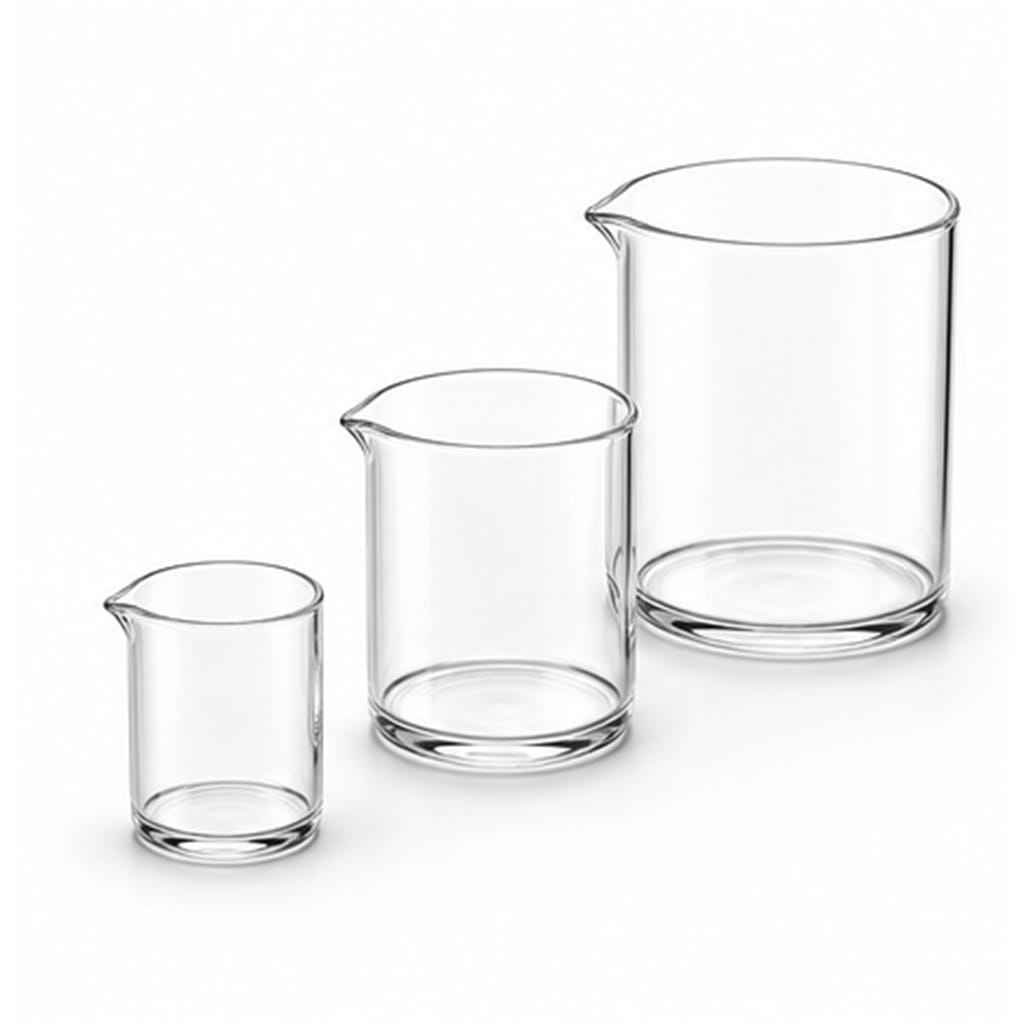
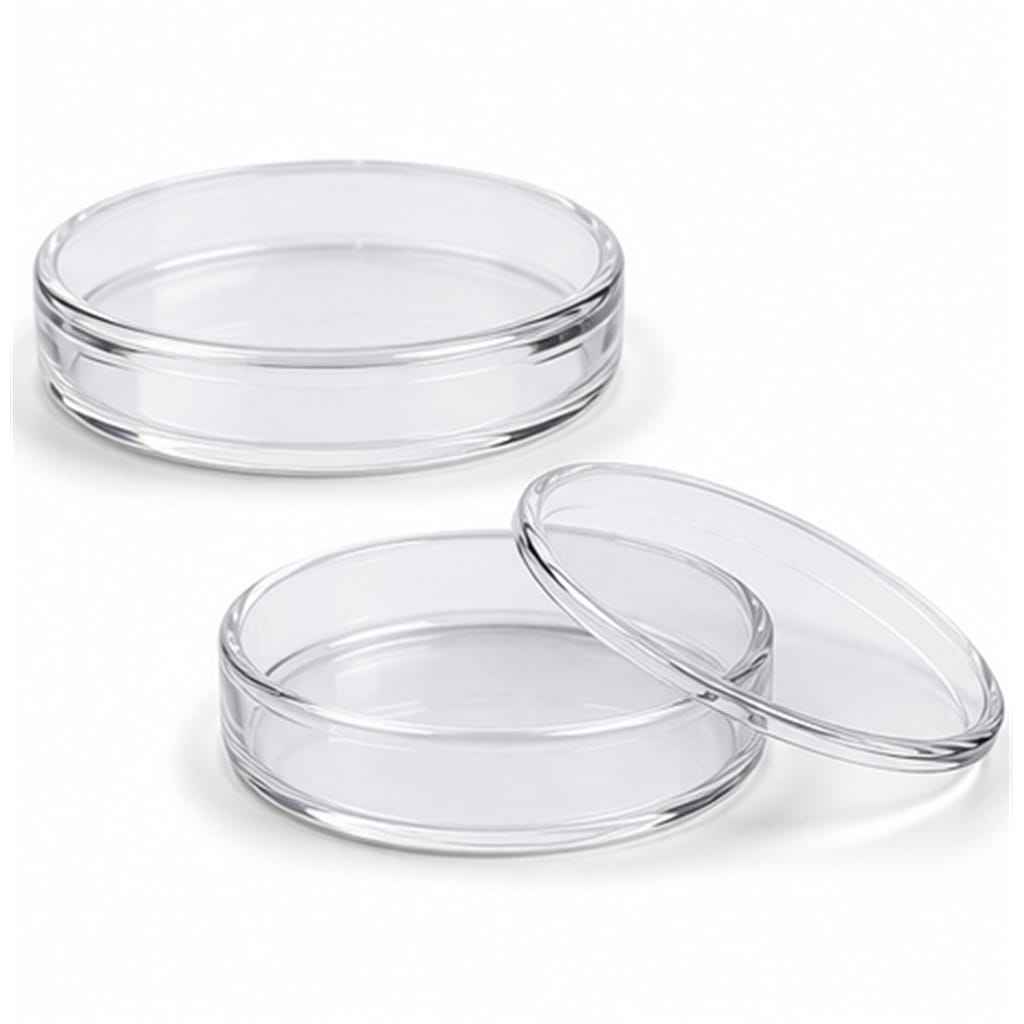
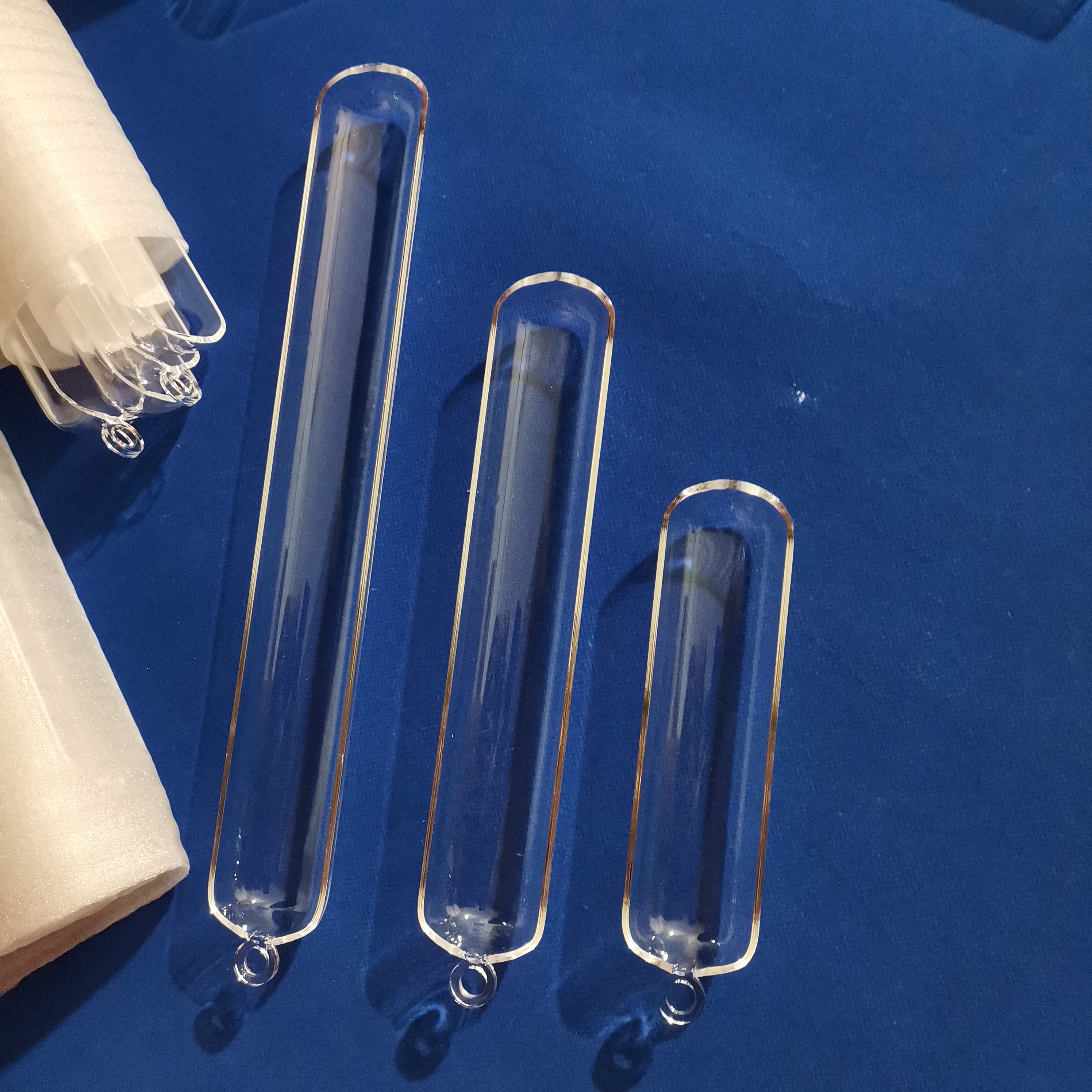
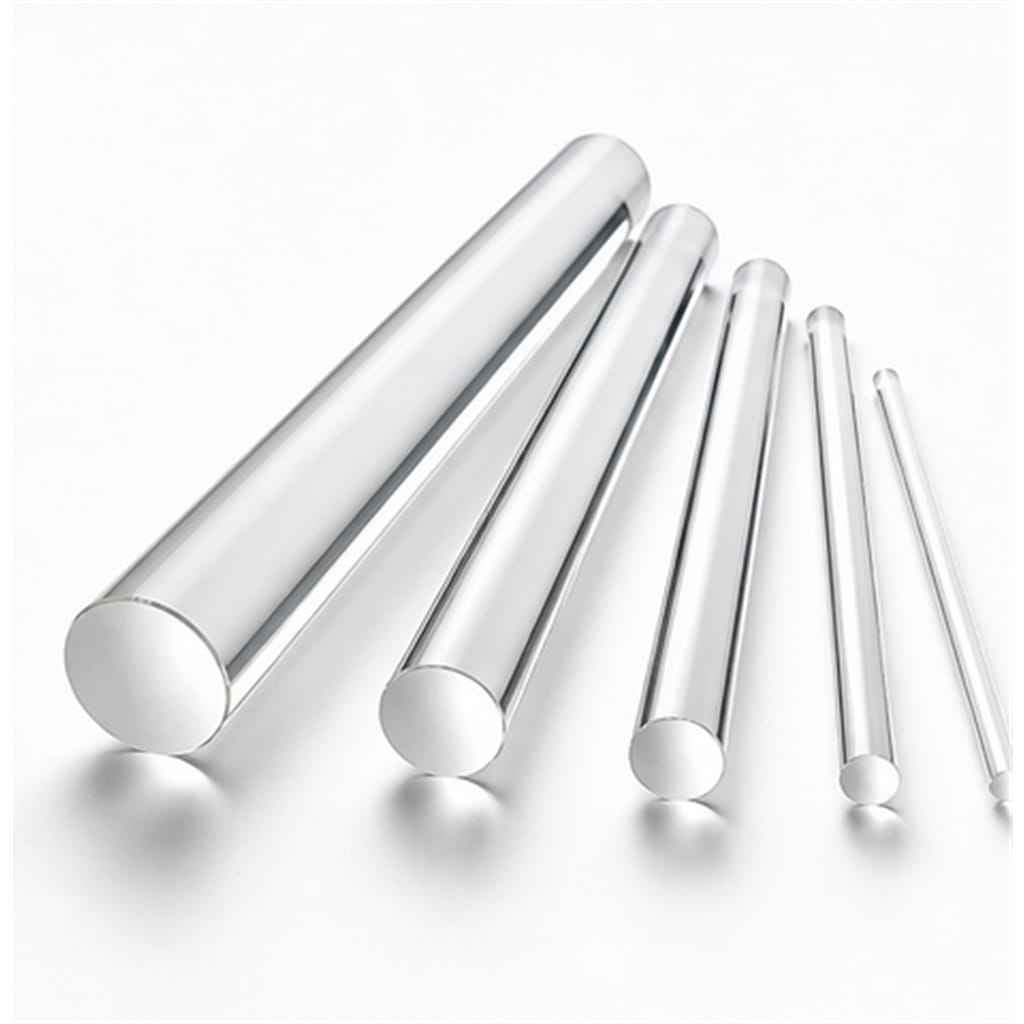
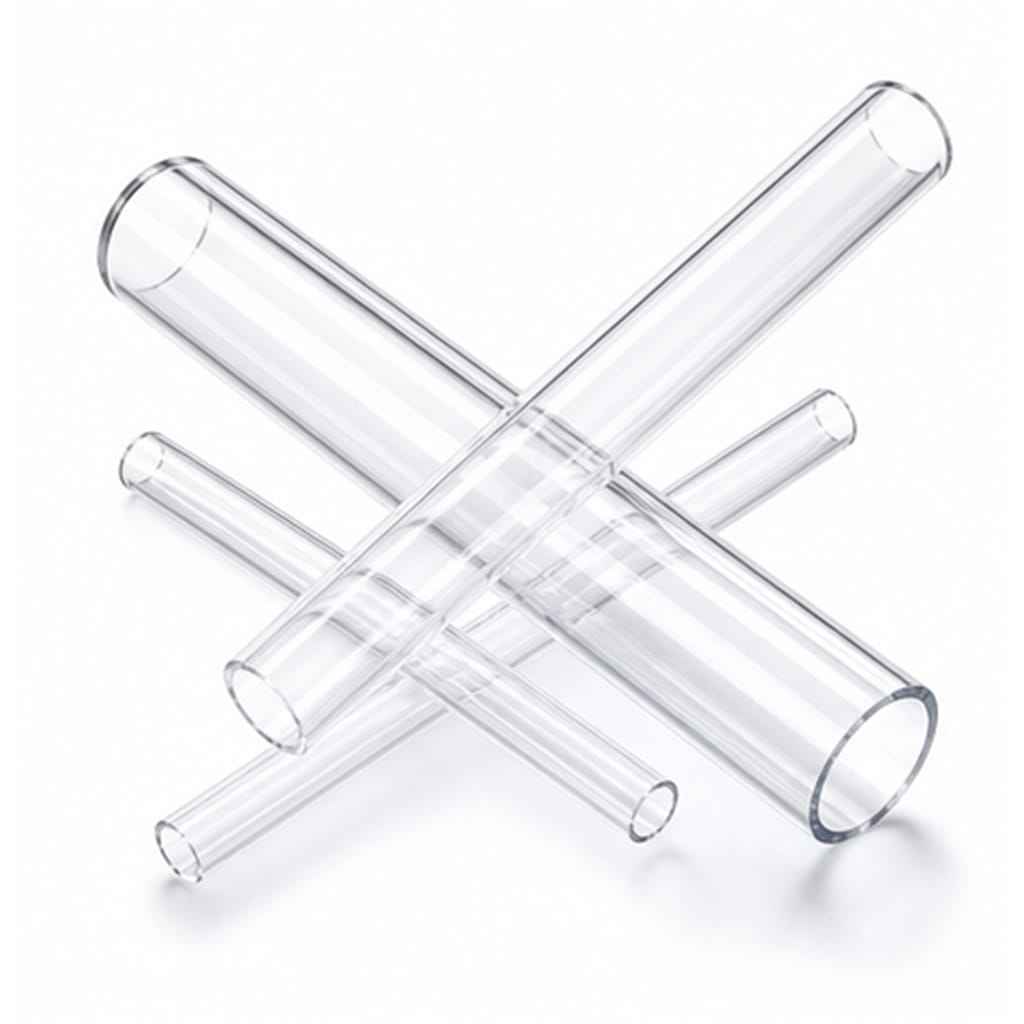
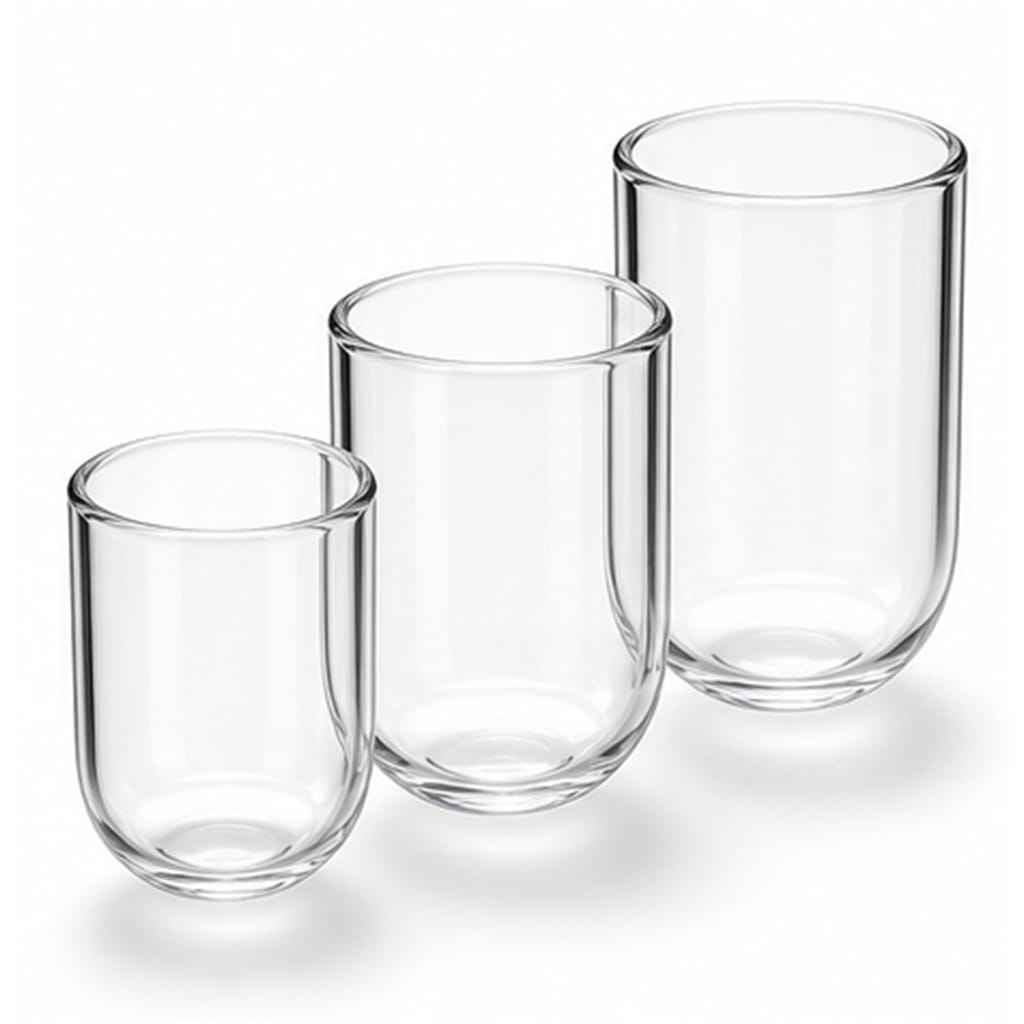
In high-specification laboratory synthesis, analytical digestion, and continuous pharmaceutical batch refluxing throughout the United Kingdom, standard borosilicate 3.3 glassware regularly meets its metallurgical ceiling. As process temperatures routinely surpass 450°C, or when exothermic reaction pathways cycle between thermal extremes in seconds, traditional glassware experiences structural micro-fissuring, alkaline earth metal extraction, and fatal thermal shock failure. Fused quartz boiling flasks, fabricated from pure crystallised natural silica, redefine thermal and chemical limits across the UK's high-tech industrial footprint.
Unlike standard technical borosilicate, which incorporates up to 13% boron trioxide, 4% sodium oxide, and trace aluminum, our transparent fused quartz laboratory apparatus is refined to an absolute purity level where SiO₂ exceeds 99.99%. For chemical developers situated in Oxford's biotech cluster, pharmaceutical pilot labs in Cheshire, and clean-energy research initiatives around Aberdeen, eliminating trace boron and sodium leaching is not a luxury—it is fundamental to reproducible chromatographic yields and trace-level chemical assays.
The defining physical parameter of transparent fused quartz boiling flasks is an extraordinarily diminutive linear coefficient of thermal expansion (5.5 × 10⁻⁷ cm/cm·°C between 20°C and 320°C). This value is roughly one-sixth that of borosilicate glass. Practically, an engineer or laboratory technician can heat a quartz flat-bottom or round-bottom boiling flask containing concentrated sulphuric acid directly to 1100°C and instantly quench it with chilled solvent without the slightest structural fracturing.
| Performance Characteristic | High-Purity Fused Quartz | Standard Borosilicate 3.3 | Operational Impact for UK Laboratories |
|---|---|---|---|
| Continuous Heat Rating | 1100°C to 1150°C | 450°C to 500°C | Enables high-temp vacuum pyrolysis & solvent boiling points |
| Short-Term Max Exposure | 1450°C | 520°C | Survives sudden flame surges and heating mantle runaway |
| Softening Point | ≈ 1683°C | ≈ 820°C | Immune to neck sagging under heavy distillation head weights |
| Acid Resistance (except HF) | Complete chemical inertness | Leaches alkali at high temps | Crucial for ultra-pure nitric, hydrochloric, & perchloric digestions |
| Broadband Transmission | UV-C (190nm) to NIR (3.5μm) | Cuts off sharply below 310nm | Permits direct in-situ photochemical irradiation during reflux |
A continuous challenge identified by UK procurement directors sourcing boiling flasks is vacuum preservation at elevated temperatures. Standard conical ground joints often seize, freeze, or gall when subjected to prolonged thermal soaking above 300°C. Donghai Kemzo Quartz precision tools each vessel with flame-polished, optical-interference checked standard tapers (including UK-standard B14, B19, B24, B29, B34, and quick-release spherical ball-and-socket joints). Every boiling flask, whether single-neck, angled two-neck, or multi-neck vertical claisen configurations, undergoes rigorous strain-point annealing at 1120°C and complete thermal stress-relief cycles at 1215°C inside computer-controlled muffle ovens. This meticulous stress-relief protocol guarantees zero residual birefringence, ensuring vacuum tight seals under 10⁻⁵ mbar at continuous operational temperatures.
Strategic alignment with British academic excellence, clean energy transitions, and precision pharmaceutical manufacturing clusters.
Biomedical incubators, genomics discovery units, and academic spin-offs deploy our quartz round-bottom flasks for high-temperature enzymatic isolation, peptide synthesis, and photolytic reactor setups requiring deep ultraviolet light transmission down to 220nm.
In South Wales and the Thames Valley, compound semiconductor fabrication facilities utilise custom quartz flasks and chemical delivery vessels for ultra-pure chemical etching mixtures, organometallic precursor synthesis, and vacuum degassing where metal trace contaminants must remain strictly below parts-per-billion thresholds.
Operating across Cheshire's chemical parks and Aberdeen's energy transition laboratories, our heavy-wall quartz boiling flasks deliver unflinching service in hydrocracking catalysis evaluation, high-temperature brine distallation, and supercritical carbon capture analytical scrubbers.
Operating from Donghai, the globally acknowledged capital of crystalline quartz, Kemzo Quartz has paired deep natural mineral access with advanced ISO 9001 certified optical processing since 2011.
Situated directly at China's richest raw quartz deposits, our raw material screening ensures low aluminum, titanium, and iron content before electric melting even commences.
With an experienced technical bench dedicated to bespoke scientific apparatus, we produce flasks with custom neck angles, thermowells, and ground flat flanges according to direct CAD blueprints.
Recognised as a Jiangsu High Technology Enterprise, our manufacturing floor operates strict inline wall-thickness gauging, vacuum leak spectrometry, and optical strain checks.
Over 70% of total output enters the international export pipeline. We manage multi-tiered cushioned packaging ensuring zero transit breakage to Heathrow, Southampton, or inland depots.
Direct technical and commercial answers addressing shipping, regulatory compliance, and thermal parameters for laboratory suppliers across the United Kingdom.
Borosilicate begins to soften and experience trace chemical degradation at 500°C. Fused quartz safely operates continuously up to 1100°C (with short exposure capabilities to 1450°C), possesses virtually zero thermal expansion, and guarantees no sodium, boron, or zinc ion extraction into sensitive organic syntheses or analytical samples.
Yes. We regularly supply UK universities and commercial manufacturers with standard British B-type joints (B14, B19, B24, B29, B34, B40), flat o-ring flanges, and quick-fit spherical joints manufactured to precise British Standards and ISO 383 specifications to seamlessly interface with existing glassware apparatus.
Fragile quartz apparatus requires multi-layer shock mitigation. Each flask is individually nested in custom-molded high-density expanded polyethylene (EPE) foam, secured in multi-ply cartons, and subsequently crated into export-grade ISPM-15 treated fumigated timber cases. We maintain an in-transit breakage rate of under 0.2%.
We routinely execute shipments under DDP (Delivered Duty Paid), DAP, CIF (Felixstowe / Southampton / London Gateway), and express air freight (DDU/DAP via DHL/FedEx/UPS). We provide complete commercial invoices, packing lists with precise HS codes (7017.10), and Certificates of Origin for rapid UK Border Force customs clearance.