Core Precision Quartz Components & Apparatus
Engineered from certified natural crystalline silica with SiO₂ purity up to 99.99%. Each item is cut, optically lapped, fire-polished, or diffusion-bonded to withstand high chemical aggression and thermal shock.
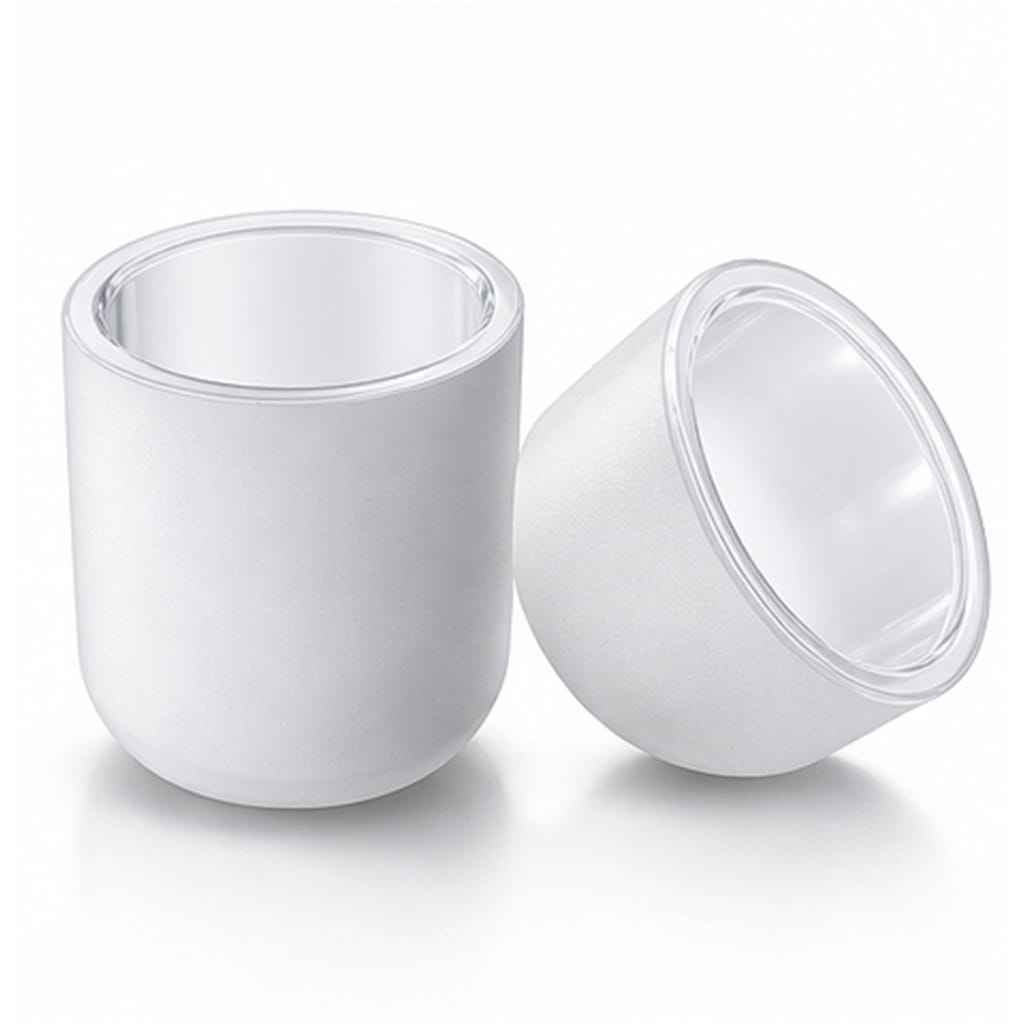
4-Inch US Sand Fused-Quartz Crucibles (Bubble-Free Inner Layer)
- High-temperature melting up to 1450 °C
- Synthetic inner bubble-free boundary layer
- Zero chemical outgassing for crystal pullers
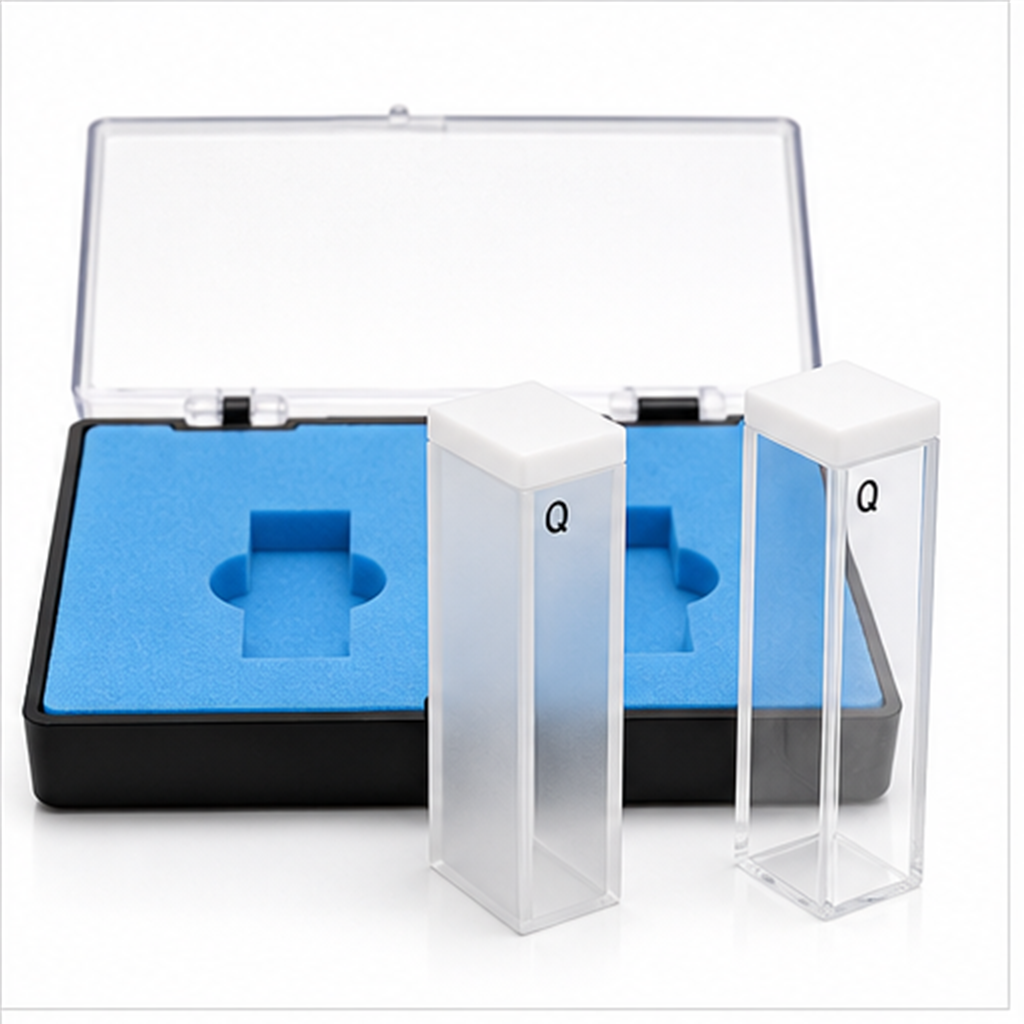
Standard 2-Window & 4-Window UV Quartz Cuvettes (Black Q Mark)
- Optical spectral band: 190 nm – 2500 nm
- Precision matched path length (10 mm ± 0.05 mm)
- Molecular fusion bonding; zero adhesive residue
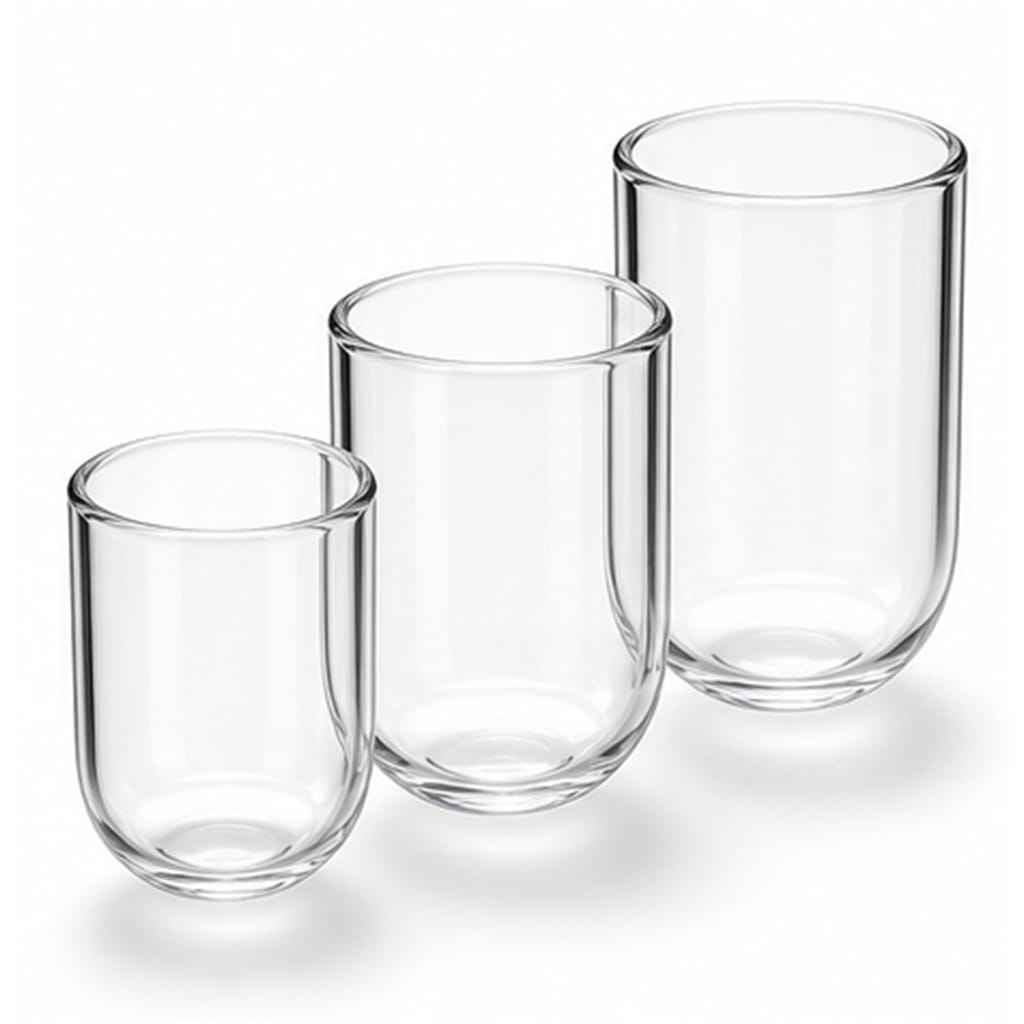
Clear Fused-Quartz Melting Crucibles with Fire-Polished Rims
- Optimal for metallurgy and muffle furnaces
- Low thermal expansion: 5.5 × 10⁻⁷ /°C
- Extreme thermal shock resistance to water quenching
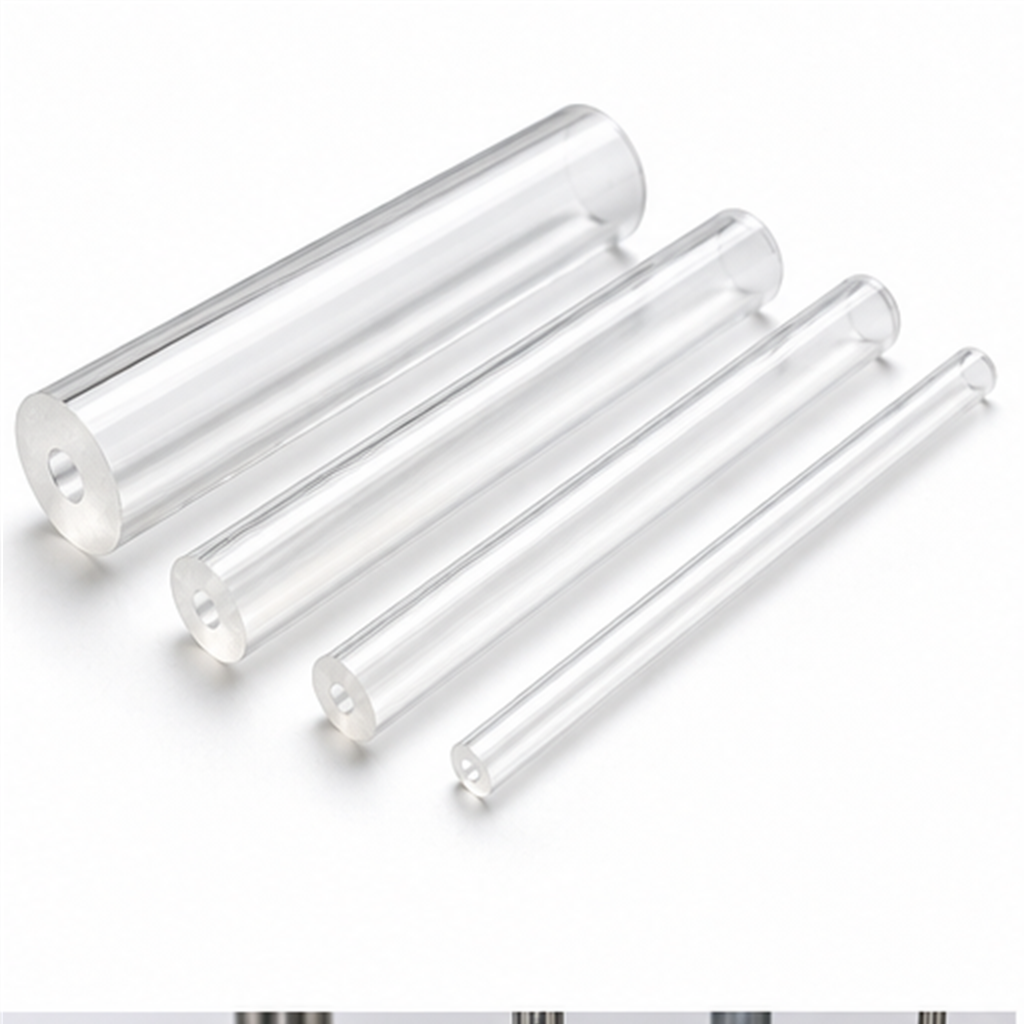
High Purity Heavy Wall Small Bore Quartz Glass Tube
- Reinforced wall thickness for pressure loading
- Flat cut precision unpolished ends
- Ideal for micro-channel and high pressure conduits
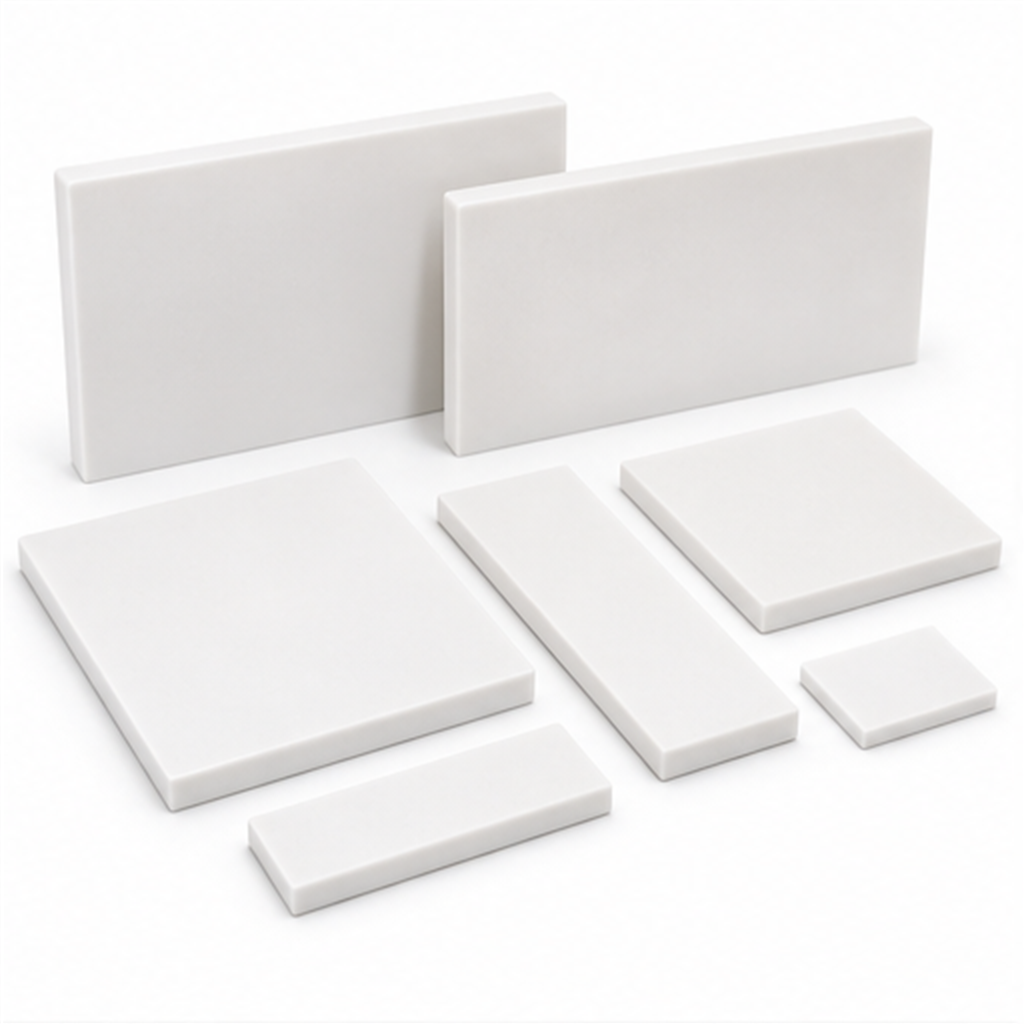
High Purity Opaque Milky White Fused Quartz Rectangular Plate
- High infrared radiation scattering and insulation
- Resistant to thermal warping above 1100 °C
- Custom dimensions for furnace linings & baffles
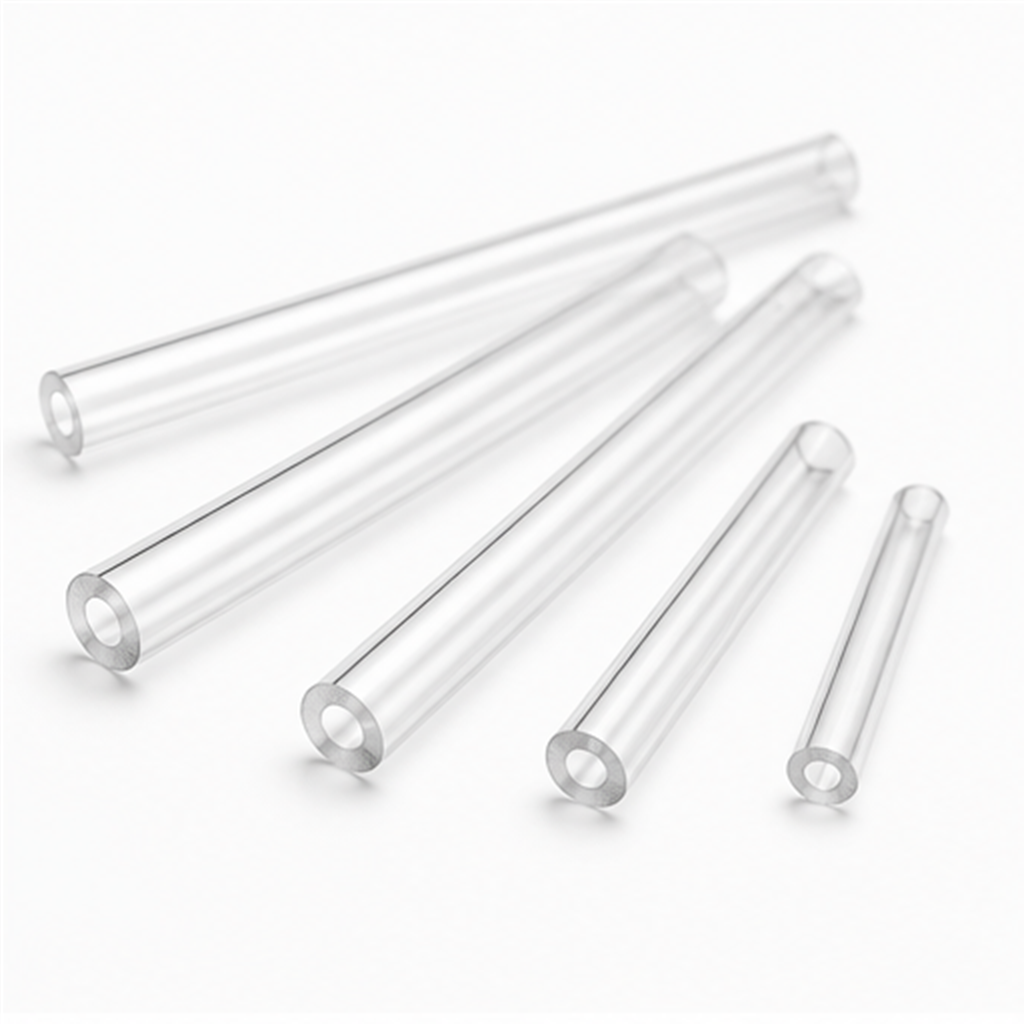
Small Bore Clear Fused Quartz Tube for Chromatography
- Microbore capillary tubing with concentric tolerance
- High transmission across deep ultraviolet spectrum
- Clean inner diameter for fluidic HPLC separation
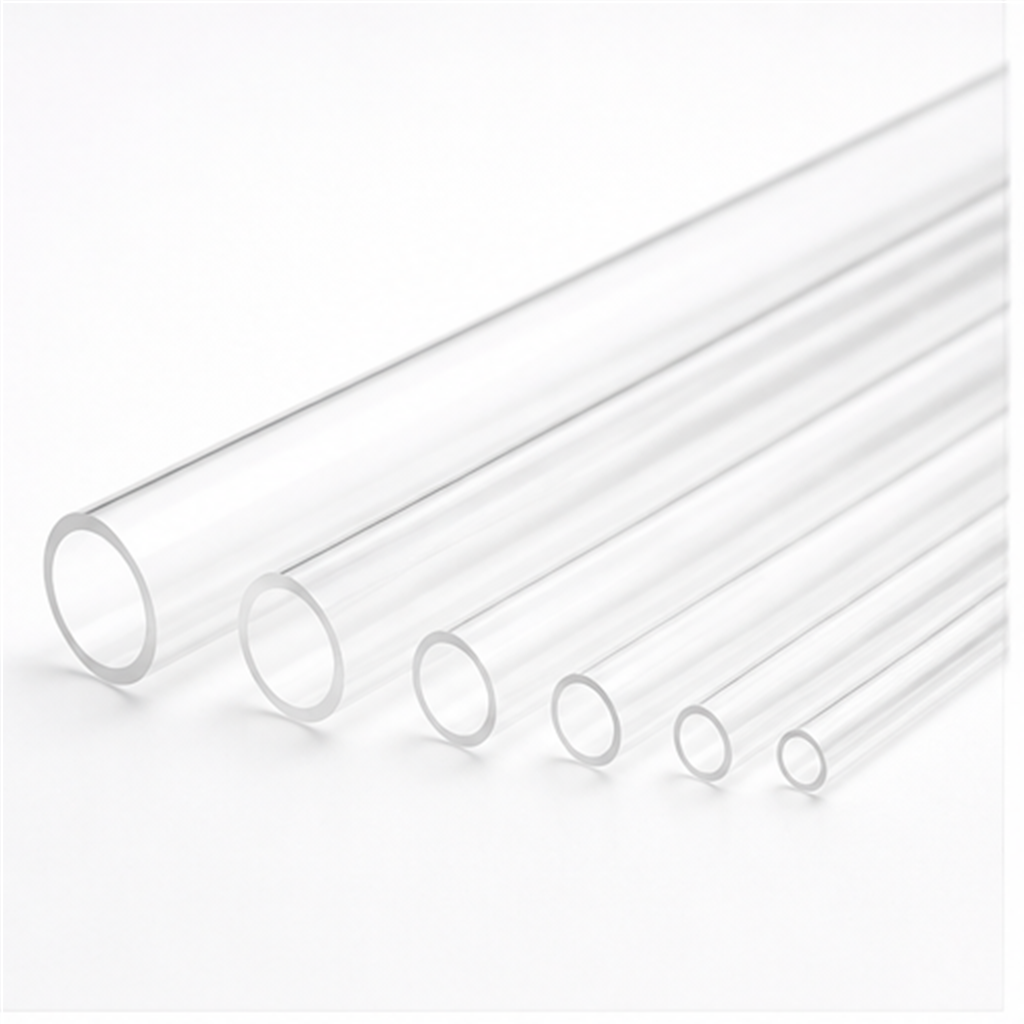
High Purity Clear Fused Quartz Glass Tube (Flat Cut Ends)
- Optical clarity, bubble-free drawing grade
- Continuous operation at 1100 °C (peak 1450 °C)
- Custom length cutting and chamfering available
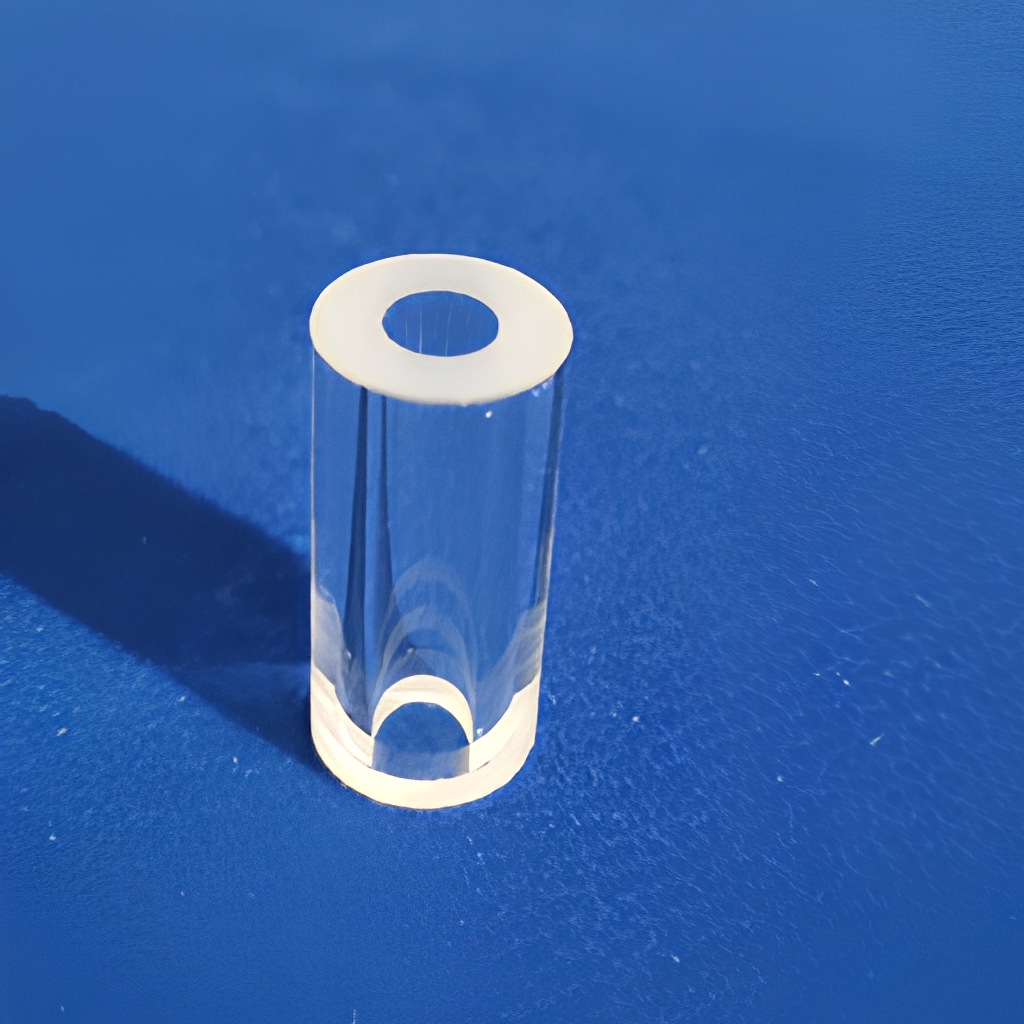
99.99% Pure Clear Quartz Twin Tube (Chemical Grade)
- Polished ozone-free customized profile
- Precision bending, fire-welding, and CNC cutting
- Engineered for infrared emitters & inline reactors
Technical Monograph: Quartz Flow Cell Architecture for Modern Process Photometry
Continuous-flow spectrophotometry, high-performance liquid chromatography (HPLC), and inline analytical monitoring in the Miskolc industrial corridor demand optical flow cells capable of operating without baseline drift, spectral attenuation, or mechanical failure. Fused quartz flow cells serve as the critical transmissive window through which analytical light beams interact with flowing liquid streams. Unlike static sample cuvettes, dynamic flow cells are subject to continuous hydrodynamic pressures, shear stresses, thermal gradients, and aggressive solvents ranging from chlorinated hydrocarbons to concentrated inorganic acids.
At Donghai Kemzo Quartz Products Co., Ltd., our engineering methodology centers on synthetic and highly refined natural fused silica exhibiting deep ultraviolet transmission down to 190 nm and extending into the near-infrared spectrum (2500 nm). The primary failure mechanism in inferior commercial flow cells is delamination or autofluorescence caused by organic epoxy resins used in three-piece window assemblies. Kemzo employs high-temperature optical contact diffusion bonding (direct molecular fusing without organic adhesives) to fuse the polished quartz channel plates with optical aperture windows. This creates a monolithic quartz body with zero dead volume, unyielding structural integrity under backpressures exceeding 50 bar, and total immunity to solvent dissolution.
Molecular Diffusion Bonding
Windows and microfluidic channels are joined at near-softening temperatures without glue or chemical cements, eliminating baseline contamination, solvent degradation, and autofluorescence in UV-Vis fluorometry.
Micro-Hydrodynamic Design
Z-type, U-type, and cylindrical chamber geometries are engineered to ensure laminar flow dynamics, preventing micro-bubble entrapment, turbulent vortexing, and sample carryover in high-repetition tests.
Thermomechanical Resilience
With a coefficient of thermal expansion of 5.5 × 10⁻⁷/°C, our flow cells withstand rapid thermal transitions from heated analytical runs (up to 200 °C continuous for inline sensors) down to ambient rinsing without stress fracture.
Localized Application Scenarios in Miskolc and Northern Hungary
The city of Miskolc, historically known as a premier metallurgical capital, has evolved into a powerhouse for advanced automotive engineering, specialized polymer processing, and battery manufacturing throughout Northern Hungary. Situated in Borsod-Abaúj-Zemplén County, Miskolc sits at the nexus of intensive heavy chemical synthesis (extending toward Tiszaújváros and Kazincbarcika) and high-level applied research at the University of Miskolc. Precise optical quartz flow cells and custom quartz apparatus fulfill pivotal roles across three distinct industrial sectors in this region:
Polymer & Petrochemical Synthesis
Regional chemical processing complexes along the Sajó river basin utilize continuous flow cells in ultraviolet spectrophotometers to monitor monomers, aromatic hydrocarbons, and catalyst concentrations in real-time bypass conduits without sample depressurization.
Automotive Fluids & Battery Slurries
Miskolc’s automotive component plants and emerging lithium-battery supply lines integrate robust quartz optical chambers into laser diffraction particle sizing systems to quantify active material particle distribution in abrasive slurry feeds.
Hydro-Geological Environmental Monitoring
Because of Miskolc's proximity to the Bükk mountain karst aquifer and active environmental remediation projects, municipal and regional research stations deploy quartz flow cells for automated inline monitoring of heavy metal ions and dissolved nitrates.
Macro Trends & Procurement Evolution in the Miskolc Industrial Ecosystem
Industrial procurement in Hungary has undergone fundamental structural shifts. Plant managers and laboratory directors in Miskolc are transitioning away from expensive European re-branders who outsource manufacturing with 16-to-24 week delivery times. Instead, purchasing agents are cultivating direct OEM relationships with verified source factories in China's quartz capital (Donghai County, Lianyungang). Key strategic procurement vectors in Miskolc include:
- On-Line Process Photometry Over Batch Sampling: Quality assurance standards (IATF 16949 and ISO 14001) in Borsod-Abaúj-Zemplén require real-time traceability. Facilities are replacing grab-sample quartz cuvettes with automated, continuous-flow optical assemblies mounted inside automated sample handling stations.
- Standardization of Multi-Parameter Optical Windows: Laboratories at local research institutes and quality control departments require flow cells with broadband transmission spanning 190 nm to 2500 nm, enabling UV absorption, Raman spectroscopy, and fluorescence detection using a unified cell architecture.
- Supply Chain Redundancy & ISO 9001 Factory Verification: Procurement teams must guarantee that imported quartz glass components have certified physical purity, trace metal analysis (Fe < 0.8 ppm, Al < 15 ppm), and standardized pressure ratings accompanied by verifiable factory inspection certificates.
| Physical / Optical Property | Kemzo JGS1 (Synthetic Fused Silica) | Kemzo JGS2 (Optical Fused Quartz) | Standard Technical Borosilicate |
|---|---|---|---|
| Usable Spectral Range | 190 nm – 2500 nm Deep UV | 220 nm – 2500 nm Standard UV-Vis | 320 nm – 2000 nm (Cuts off UV) |
| SiO₂ Purity Grade | > 99.999% | > 99.99% | ~ 80% (contains Na₂O, B₂O₃, Al₂O₃) |
| Thermal Expansion (20–300 °C) | 5.5 × 10⁻⁷ /°C | 5.5 × 10⁻⁷ /°C | 33 × 10⁻⁷ /°C (6x higher risk) |
| Max Working Temp (Continuous) | 1150 °C | 1100 °C | 500 °C |
| Chemical Attack Resistance | Resistant to acids except HF & hot H₃PO₄ | Resistant to acids except HF & hot H₃PO₄ | Prone to surface leaching by strong bases/acids |
| Autofluorescence Level | Extremely Low (Near Zero) | Very Low | Moderate to High |
Why Miskolc Engineers & Buyers Partner with Donghai Kemzo Quartz
Donghai Kemzo Quartz Products Co., Ltd. was established in 2011 in Donghai County, Jiangsu Province—globally acknowledged as China's crystal capital and premier quartz refining center. Our physical operation spans over 10 automated and specialized production lines capable of precision flame drawing, computerized slicing, CNC ultrasonic drilling, and high-precision optical flat lapping.
Raw Material Selection
Direct access to refined crystal stock ensures complete control over bulk density, bubble indices, and trace metal impurities, avoiding third-party markup.
ISO 9001 Certified QC
Every flow cell and quartz apparatus undergoes laser interferometry for window flatness, bubble screening under optical darkfield, and rigorous pressure cycling.
OEM Customization
Over 11 years of custom design experience. Provide a 2D CAD drawing, 3D STEP file, or bench sample; our optical engineers verify feasibility within hours.
Direct European Export
Exporting over 70% of production. We support DAP/DDU Miskolc, air freight via Budapest Ferenc Liszt International, and robust export-grade crating.
Frequently Asked Questions for Miskolc Procurement Managers
Essential guidance covering technical requirements, logistics to Borsod-Abaúj-Zemplén, optical customization, and commercial trade terms.
Which quartz grade should we specify for inline UV spectrophotometry in Miskolc plants?
For operations requiring optical detection between 190 nm and 2500 nm—such as polymer residue identification, pharmaceutical assay, or UV disinfection monitoring—we recommend JGS1 (Synthetic Fused Silica). If your process operates primarily in the visible to near-infrared spectrum (320 nm to 2500 nm), JGS2 (Optical Fused Quartz) provides exceptional optical transmission at a lower price point. Both grades deliver identical thermal expansion coefficients and physical strength.
How do you ensure fragile quartz optical cells arrive intact at our Hungarian facility?
We utilize a multi-tier protective packaging system developed over 11 years of international export. Each quartz flow cell is sealed in an individual dust-free vacuum pouch, encased in custom-molded high-density shock-absorbing blue foam, packed into a crush-resistant inner box, and finally secured within export-grade, reinforced plywood crates. In the rare event of transit damage, our shipments are fully insured and replaced promptly.
Can Kemzo replicate legacy or obsolete flow cells for existing instrumentation?
Yes. Many laboratories at the University of Miskolc and older industrial plants operate imported analytical spectrophotometers whose OEM parts are either discontinued or prohibitively expensive. You can provide us with the original manufacturer part number, a physical sample, or an engineering sketch. We replicate the outer envelope, center aperture height (Z-dimension), fluid port threads (such as 1/4-28 UNF or M6), and optical path length with micrometer precision.
What are the standard delivery timeframes and Incoterms for shipments to Miskolc?
We routinely support EXW, FOB, CFR, CIF, and DDU/DAP terms. For urgently needed replacement flow cells or prototype test batches, air express courier (DHL, FedEx, UPS) delivers directly to Miskolc within 4 to 7 business days following production. For bulk shipments of tubes, crucibles, and plates, consolidated sea freight arriving through European container terminals (such as Koper or Hamburg) with inland rail/truck delivery to Northern Hungary is the most economical solution.
What payment terms and currencies are accepted for orders from Hungary?
We offer flexible commercial terms including Telegraphic Transfer (T/T), Letter of Credit (L/C), and secure PayPal arrangements for sample verification runs. Invoices can be issued and settled in EUR (Euro), USD (US Dollars), or CNY (Chinese Yuan), simplifying administrative and accounting procedures for European enterprises.
What operating backpressure can your quartz flow cells withstand?
Pressure handling depends directly on optical window thickness and channel geometry. Standard molecularly fused flow cells accommodate backpressures of 5 to 10 bar without distortion. For high-pressure analytical liquid chromatography (HPLC) and specialized petrochemical pipelines, we engineer heavy-walled, diffusion-bonded cells rated for continuous backpressures up to 50 bar (5 MPa).
Accelerate Your Optical Quartz Sourcing for Miskolc
Submit your CAD drawing, operating specifications, or replacement part inquiry today. Our senior optical glass engineers will review your tolerances and provide an official quotation and material certificate recommendation within one hour.