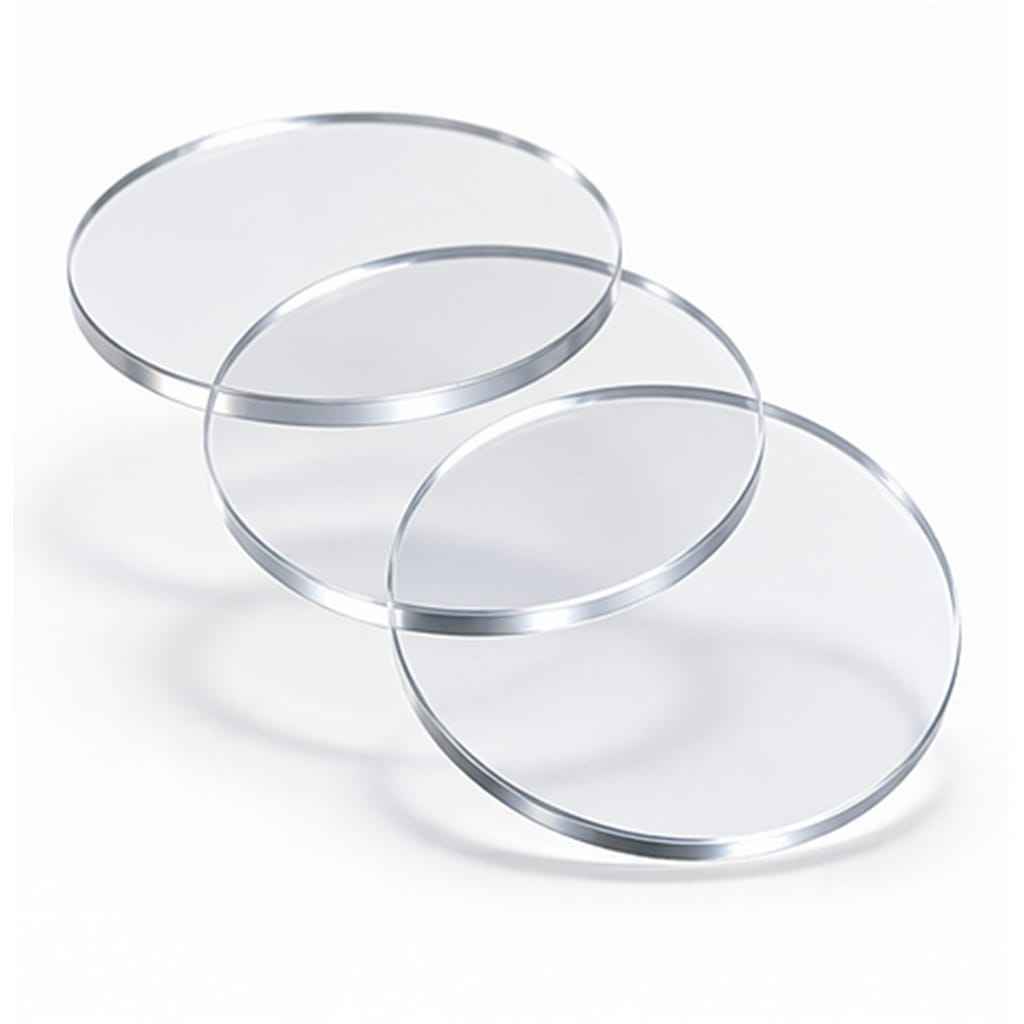
Precision Quartz Fabrication Portfolio
Engineered from natural and synthetic silica to deliver thermal shock resistance, deep-UV clarity, and zero-defect structural integrity under thermal loads reaching 1450 °C.
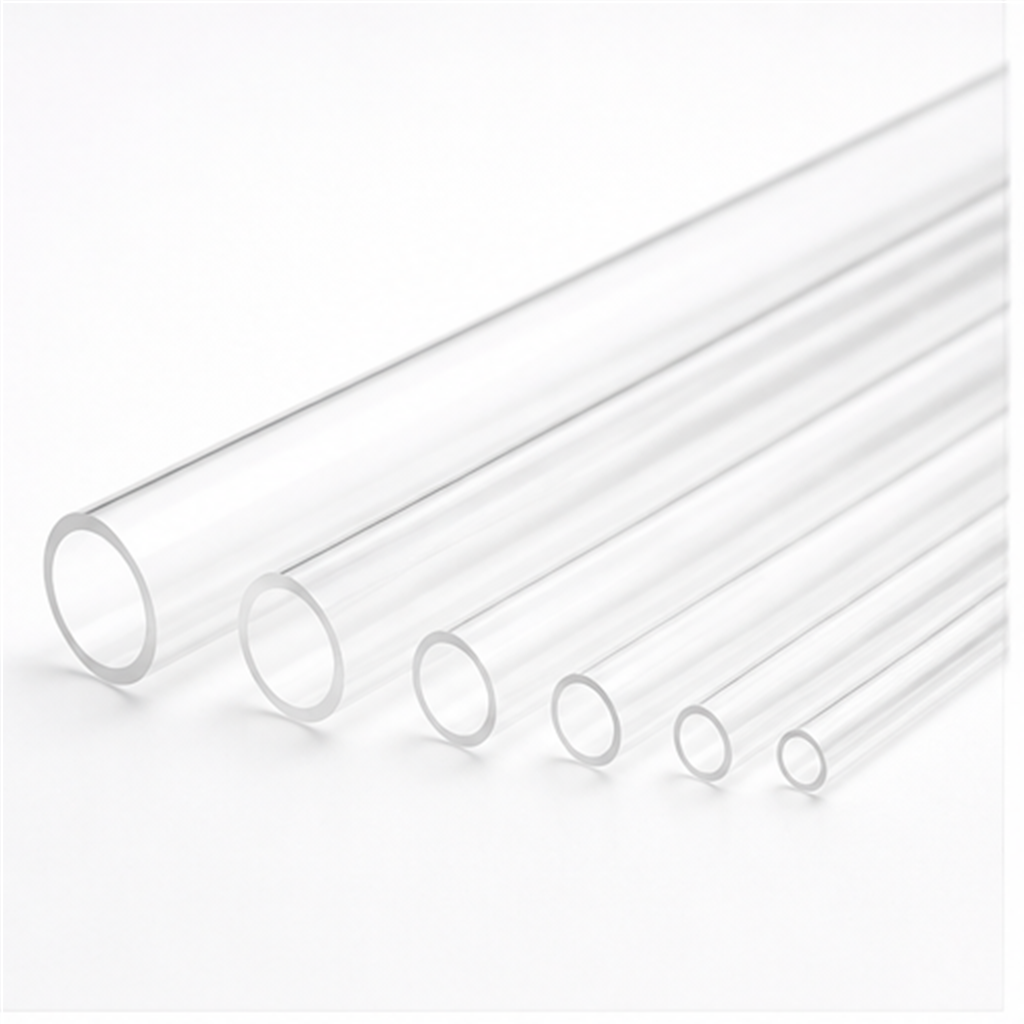
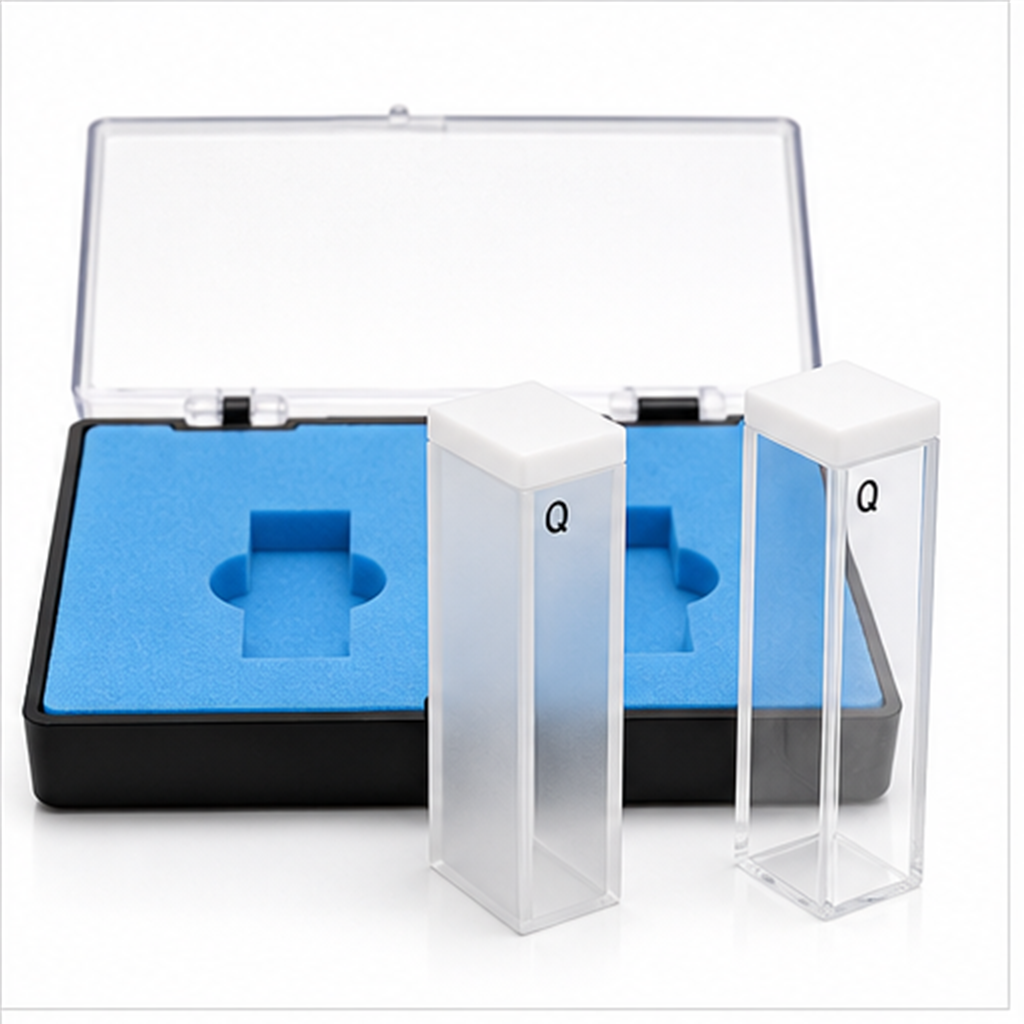
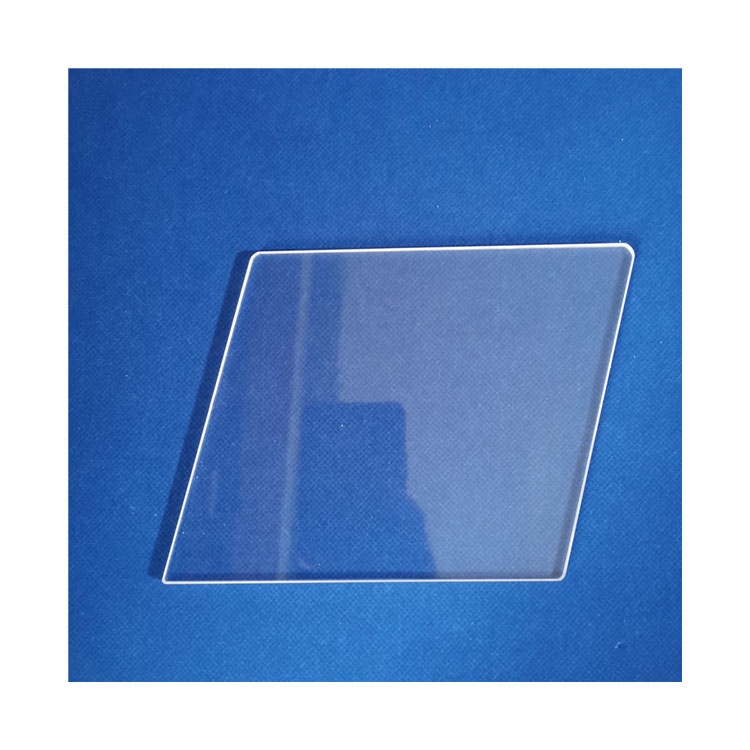
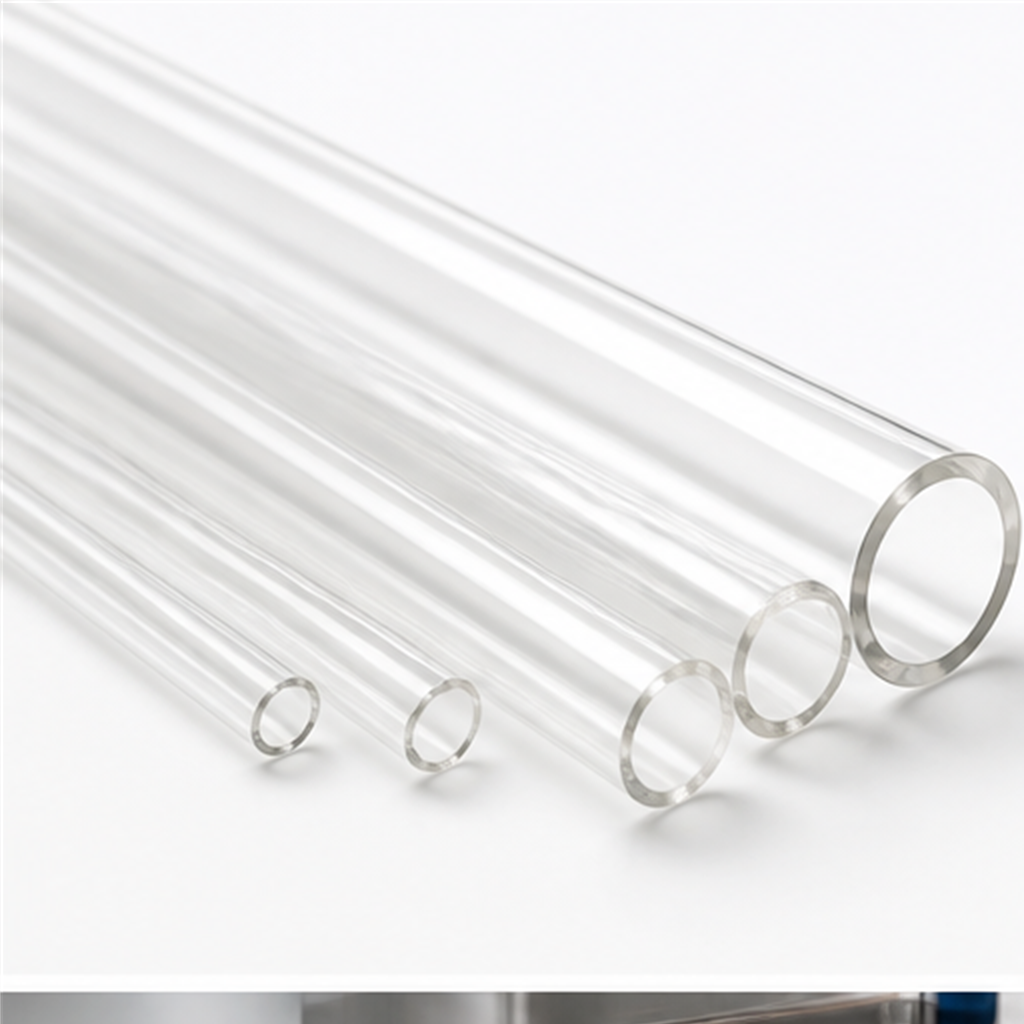
99.995%
SiO₂ Purity Grade
1100°C
Continuous Working Temp
5.5×10⁻⁷
Thermal Expansion (/°C)
≤ 1 Hour
Engineering Response Time
The Strategic Role of Quartz Glass Bells in the Marseille Industrial Basin
The Aix-Marseille-Provence metropolis, along with the adjacent petrochemical corridors of Fos-sur-Mer and the microtechnology hubs of Rousset, represents one of Southern Europe's most rigorous industrial testing grounds. For procurement directors, process engineers, and research laboratory leads across the Provence-Alpes-Côte d'Azur (PACA) region, sourcing high-performance quartz glass bells (cloches en verre de quartz) is not merely a transaction—it is a critical link in process security and yield reliability.
Unlike standard borosilicate apparatus that succumbs to thermal deformation above 500 °C or suffers mechanical fatigue under repeated vacuum purge cycles, fused quartz bell jars and process chambers maintain dimensional fidelity, optical clarity, and structural stability up to continuous temperatures of 1100 °C (and short-term peaks up to 1450 °C). In high-vacuum chemical vapor deposition (CVD), plasma etching, and epitaxial silicon growth, our quartz bell chambers ensure absolute chemical inertness, preserving wafer substrates and specialized samples from alkali and heavy-metal contamination.
Semiconductor & Sensors (Rousset Cluster)
Supporting cleanroom CVD, PVD, and rapid thermal processing (RTP) equipment. Our ultra-pure fused quartz bells prevent trace ionic diffusion (Fe, Cu, Na) under extreme thermal vacuum cycling.
Fos-sur-Mer Refining & Green H2
Heavy chemical and green hydrogen pilot plants require corrosion-resistant quartz containment bell jars capable of withstanding aggressive acid vapors, sulfur gas, and high-temperature cracking reactions.
Oceanographic & Marine Analytics
Utilized by Mediterranean oceanographic research institutions for high-pressure deep-sea simulation housings, spectrophotometric analysis, and hyper-saline autoclave testing cells.
Thermodynamic & Optical Material Properties
When selecting a quartz glass bell manufacturer for Marseille-based installations, understanding the thermodynamic distinctions between naturally fused quartz and synthetically derived fused silica is vital for avoiding premature crystallization (devitrification) and micro-fracturing.
| Physical / Chemical Property | Technical Metric | Operational Impact in Mediterranean Industry |
|---|---|---|
| Silicon Dioxide Purity (SiO₂) | ≥ 99.99% (Optical grade: ≥ 99.999%) | Guarantees minimal trace metallic contamination in high-vacuum semiconductor and PV manufacturing. |
| Coefficient of Thermal Expansion (CTE) | 5.5 × 10⁻⁷ / °C (20 °C to 320 °C) | Nearly 1/6 that of borosilicate 3.3 glass; permits instantaneous water quenching from 1000 °C without catastrophic failure. |
| Continuous Transformation Point | 1100 °C continuous (1450 °C intermittent) | Withstands extreme vacuum furnace heating elements without sag, wall creep, or dimensional drift. |
| Spectral Transmission Range | 190 nm (Deep UV) to 3500 nm (Near IR) | Enables in-situ pyrometric thermal monitoring and laser processing directly through the transparent quartz bell wall. |
| Dielectric Strength (20 °C) | 25 – 40 kV/mm | Provides superior electrical insulation in high-voltage plasma deposition and RF induction melting chambers. |
| Chemical Resistance Profile | Class 1 Acid Resistance | Completely unaffected by hydrochloric, nitric, and sulfuric acids; resistant to high-temperature maritime saline atmospheres. |
Emerging Technology Trends in the Marseille Industrial Corridor
The manufacturing ecosystem of Marseille is currently navigating an unprecedented structural transition driven by decarbonization, next-generation power electronics, and regional maritime automation. These shifts are creating distinct demands for custom quartz glass bell fabrication:
1. Shift Toward Wide-Bandgap Semiconductor Processing (SiC & GaN): Facilities around Aix-en-Provence and Rousset are ramping up production of silicon carbide and gallium nitride wafers for automotive electrification. These processes demand quartz bell jars engineered for furnace operating regimes beyond 1200 °C, requiring bubble-free flame-polished quartz walls that resist devitrification caused by ambient hydrocarbon and alkali vapors.
2. Offshore Clean Energy & Hydrogen Infrastructure: With Fos-sur-Mer emerging as a strategic hub for the southern European hydrogen backbone, localized chemical electrolysis setups require quartz glass chambers capable of sustaining both severe pressurized hydrogen exposure and abrasive acidic electrolytes at high current densities.
3. Modernization of Vacuum Coating & Optical Instrumentation: Mediterranean aerospace and defense subcontractors are adopting magnetron sputtering bell systems featuring custom ground-flat flanges with precision Viton/O-ring grooves, allowing helium leak rates below 1×10⁻⁹ mbar·l/s.
Why Marseille Engineers Choose Our Manufacturing Facilities
Direct from Donghai—the world's capital of natural quartz reserves—to Fos Port and Marseille-Provence Airport with uncompromising quality assurance.
ISO 9001 Certified Factory
Operating dedicated production lines for tube pulling, precision CNC grinding, and flame-working in strict compliance with ISO 9001 standards.
Custom OEM to Drawing
Over 11 years of custom glassblowing experience. We fabricate customized dome shapes, lateral ports, flat ground flanges, and optical sight ports to your exact CAD/STEP files.
Direct Resource Advantage
Located in Donghai County with direct access to ultra-pure crystalline quartz reserves. This provides superior supply stability, batch traceability, and direct factory pricing.
Zero-Breakage Export Packaging
Engineered shock-absorbing foam inserts inside reinforced ISPM-15 compliant export wooden crates, guaranteeing safe door-to-door delivery across France via air or sea.
Frequently Asked Questions for Marseille Importers
Key technical and logistics inquiries addressed by our international trade and engineering division.
What are the typical lead times for custom-dimension quartz bell jars delivered to Marseille?
For custom fabrication based on your CAD drawings (including ground flange finishing and vacuum side-port welding), prototyping and production typically take 10 to 18 business days. For shipments bound for Aix-Marseille, we provide expedited air express (DHL/FedEx/Air Freight into Marseille-Provence MRS) arriving within 4–6 days, or sea container freight to Fos Port (Grand Port Maritime de Marseille) for bulk volume orders.
How do you verify helium leak tightness for high-vacuum applications?
Every quartz bell intended for vacuum coating or CVD service undergoes rigorous ground-flange flatness testing (< 0.05 mm tolerance across the sealing surface) and helium mass spectrometer leak detection down to 1×10⁻⁹ mbar·l/s upon request. Complete thermal annealing cycles are performed to eliminate residual mechanical stresses.
Can your factory supply EU Declaration of Conformity and Material Inspection Certificates?
Yes. All shipments to French industrial clients can be provided with full EN 10204 3.1 Material Test Reports (MTR), ICP-OES metallic impurity analysis certificates (verifying Fe, Al, Cu, Na parts-per-billion metrics), and RoHS/REACH compliance documentation.
What payment terms and Incoterms are supported for French industrial buyers?
We work extensively under DDP (Delivered Duty Paid), DAP, CIF (Fos/Marseille), and FOB terms. We accept EUR, USD, and GBP transactions via wire transfer (T/T), confirmed irrevocable Letters of Credit (L/C), or PayPal for evaluation samples.
How does fused quartz perform against corrosive coastal Mediterranean conditions?
Fused silica is chemically inert to atmospheric salinity, marine moisture, and almost all industrial chemical vapors (with the exception of hydrofluoric acid and phosphoric acid above 300 °C). Unlike metals or inferior borosilicate glass, it exhibits zero surface pitting or leaching in coastal industrial environments.
Request Technical Dossier & Custom Quotation
Submit your component drawings, temperature profiles, and tolerance requirements. Our senior quartz processing engineers will review your specifications and provide a DDP Marseille quote within 60 minutes.
Get Catalog