Precision Quartz Products Showcase
Direct Factory Supply from Donghai Kemzo Quartz Co., Ltd. - Custom Machined to International Tolerances
Industry White Paper: High-Purity Fused Quartz Bell Jars for Advanced Industrial Applications in Greater Bangkok
The rapidly evolving industrial landscape of Thailand—specifically concentrated along the Bangkok Metropolitan Region (BMR) and the Eastern Economic Corridor (EEC) encompassing Rayong, Chonburi, and Chachoengsao—demands unprecedented material purity and thermal endurance. As Thailand advances its "Thailand 4.0" initiative, high-tech sectors such as semiconductor assembly, photovoltaic (PV) solar cell wafer manufacturing, thin-film chemical vapor deposition (CVD), and precision optical spectroscopy require critical glass components capable of withstanding extreme continuous thermal loads above 1,100°C without structural deformation or chemical outgassing.
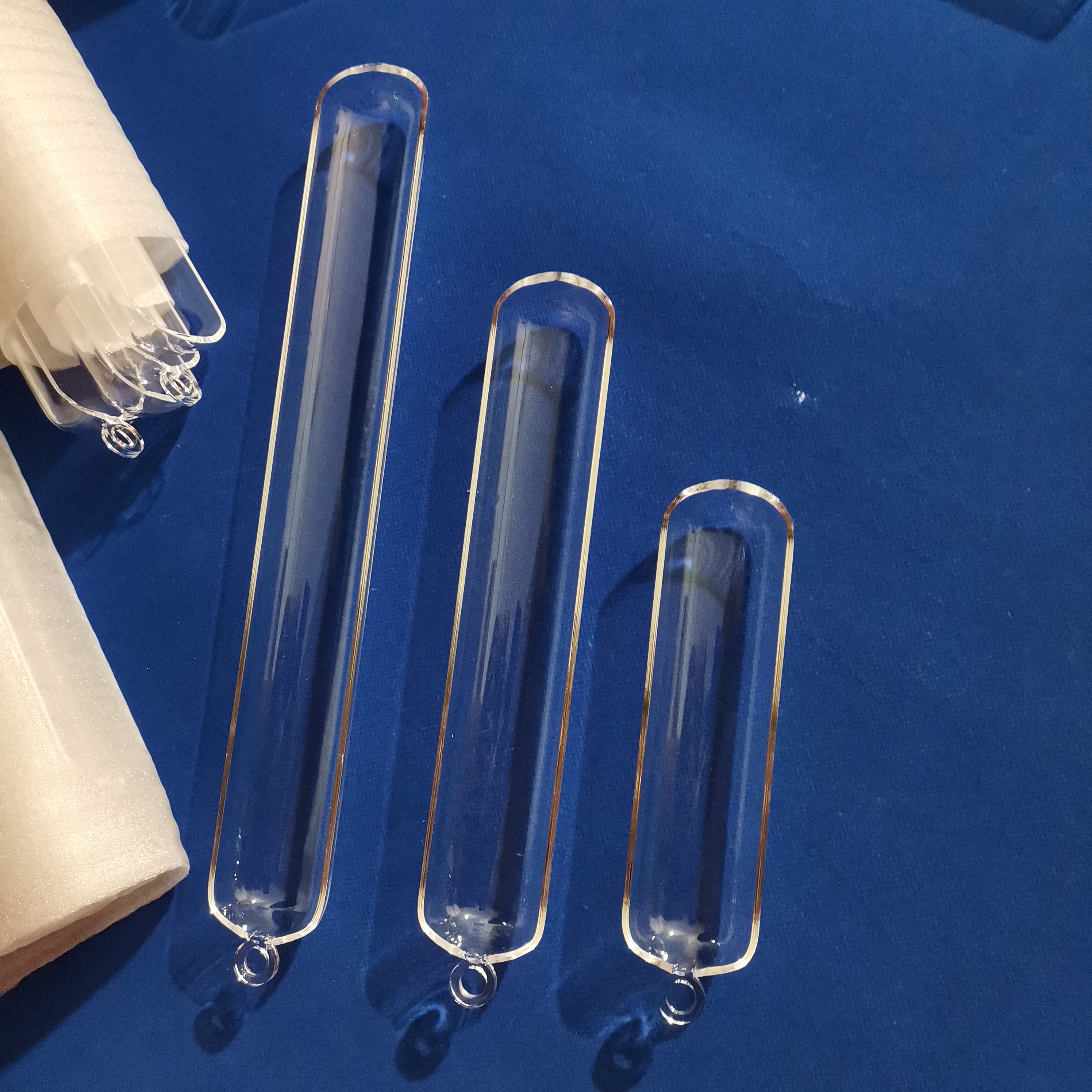
A premier component in these high-value industrial processes is the Quartz Glass Bell Jar (also known as a quartz diffusion bell, CVD reactor dome, or vacuum bell vessel). Functioning as a hermetic thermal process chamber, quartz bells isolates sensitive substrates from atmospheric ambient contamination while maintaining continuous ultra-high vacuum or inert gas atmospheres (such as argon or high-purity nitrogen) under aggressive heating profiles.
Material Physics & Crystallographic Stability of Fused Silica Bell Chambers
The exceptional performance of fused silica and quartz glass bells fabricated for the Bangkok industrial sector stems from their amorphous silicon dioxide (SiO2) molecular matrix. Unlike crystalline quartz, fused quartz exhibits an isotropic structure formed by the melting of ultra-pure natural quartz grains in specialized hydrogen-oxygen flame fusion or electric vacuum arc furnaces. This process minimizes hydroxyl (OH-) radical concentrations and metallic impurities (such as Fe, Al, Na, K, and Li) down to single-digit parts per million (ppm) levels.
When deployed in continuous thermal CVD or epitaxial growth furnaces operating in Samut Prakan or Pathum Thani industrial parks, controlling the Hydroxyl (OH) content is paramount:
- Standard Thermal Grade Quartz Bells (OH Content < 30 ppm): Engineered for high-temperature diffusion tubes, annealing bells, and heating elements where thermal shock resistance and dimensional rigidity at 1,100°C are required.
- Low-OH Synthetic Fused Silica Bells (OH Content < 5 ppm): Essential for high-power infrared (IR) heating, semiconductor plasma etching, and deep ultraviolet (UV) optical transmission (193 nm to 254 nm), preventing absorption bands and thermal micro-cracking caused by OH group oscillation under intense IR radiation.
Localized Industrial Application Scenarios Across Bangkok & EEC Hubs
Thailand's industrial zones present unique environmental and operational challenges. The combination of high ambient humidity, elevated ambient factory temperatures, and aggressive chemical processing requires quartz bells that exhibit zero hydrolytic degradation and total chemical inertness. Below are the prominent localized application sectors where Kemzo Quartz supplies customized quartz glass bells and components:
Semiconductor & Microelectronics Fabrication
Located in Pathum Thani, Ayutthaya, and Chachoengsao, wafer fab facilities utilize custom-ground quartz bell jars for epitaxial silicon growth, oxidation, and PCVD processes. The high purity prevents heavy-metal migration into sensitive micro-circuitry.
Solar Photovoltaic (PV) Cell Production
In the Rayong and Chonburi solar manufacturing corridor, high-capacity diffusion bells and ingot quartz crucibles facilitate phosphorus/boron doping under vacuum conditions exceeding 1,000°C without devitrification.
Petrochemical & Specialty Chemical Labs
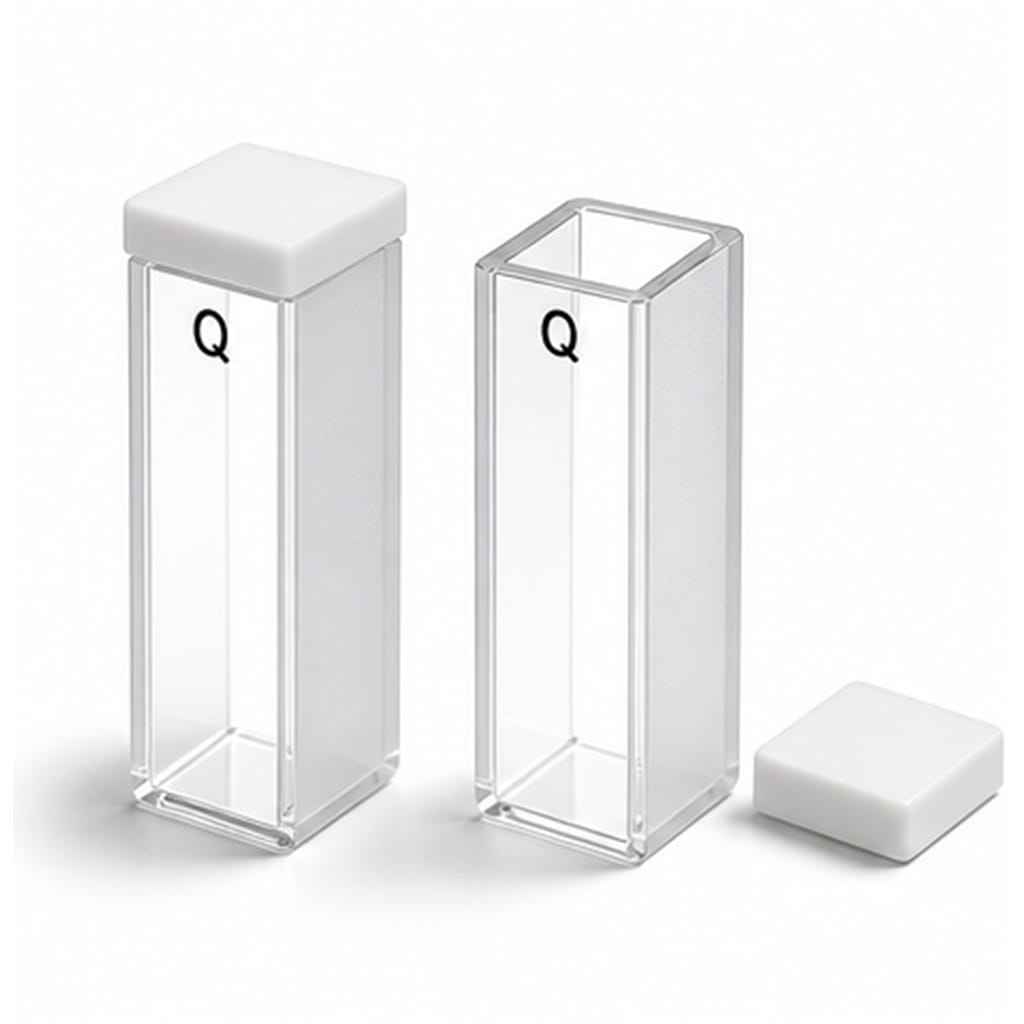
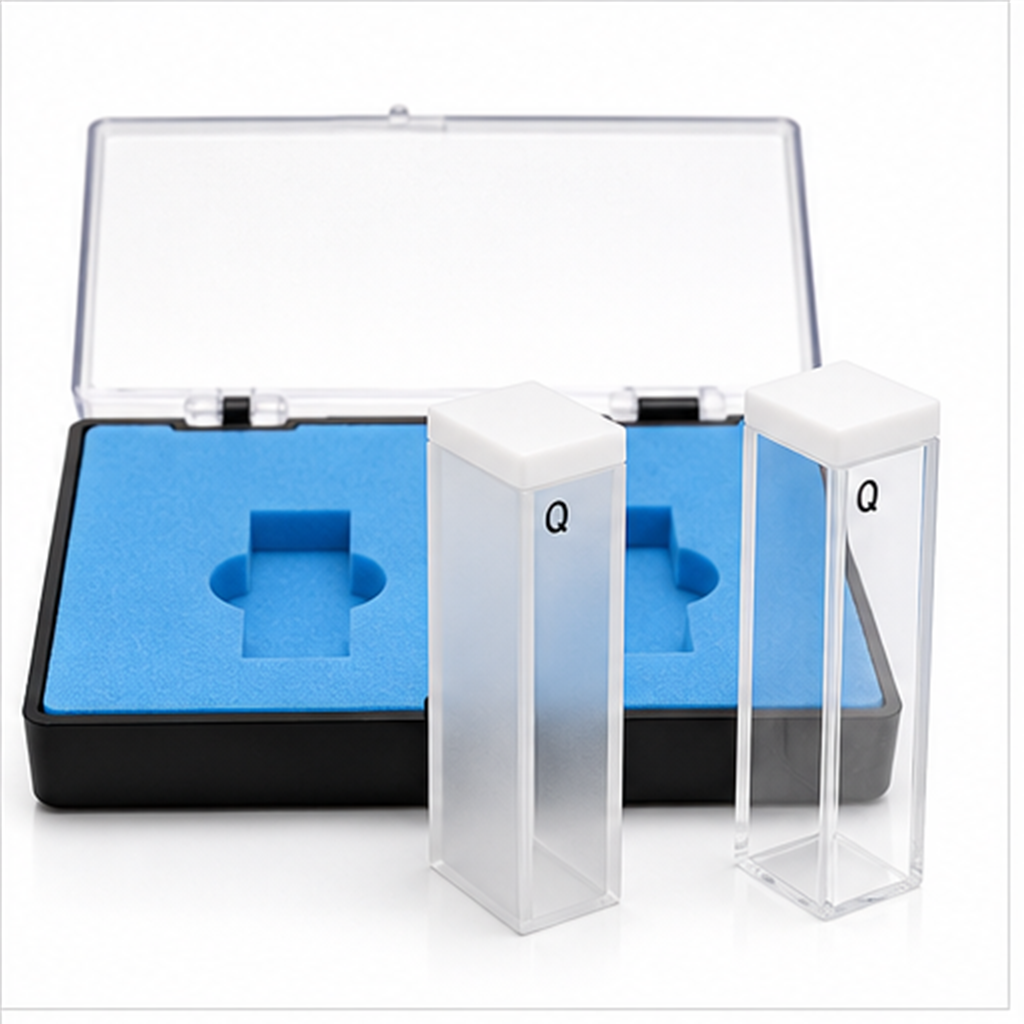
In Map Ta Phut Industrial Estate, analytical labs utilize optically transparent quartz reaction bells and cuvettes for high-pressure acid digestion, volatile organic compound (VOC) synthesis, and UV-Vis spectrophotometry.
Industrial UV Sterilization & Water Treatment
Bangkok's food, beverage, and municipal water plants utilize ozone-free high-transmission quartz sleeves and bell caps to enclose UV-C lamps operating at 253.7 nm for pathogens control without solarization degradation.
University R&D & Nanotechnology Institutes
Leading academic centers in Bangkok (such as Chulalongkorn, Kasetsart, and KMUTT) implement custom OEM transparent bell jars with precision vacuum flanges for plasma research and QCM sensor crystal deposition.
High-Temperature Thermal Processing & Vacuum Coating
Metal heat-treatment shops in Bangpoo and Samut Prakan rely on bell-shaped quartz muffles for induction melting, bright annealing of stainless alloys, and physical vapor deposition (PVD) gold/titanium target coating.
Technical Comparison Matrix: Fused Quartz Bell vs. Alternative Technical Glasses
Selecting the optimal transparent material for high-stress industrial bell applications requires a comprehensive analysis of physical, thermal, and optical properties. The table below outlines how Kemzo Quartz fused silica bell products benchmark against standard engineering glasses commonly found in Southeast Asian markets:
| Physical / Technical Property | Kemzo Transparent Fused Quartz Bell | Opaque / Milky Quartz Bell | High-Borosilicate 3.3 Glass Jar | Soda-Lime Commercial Glass |
|---|---|---|---|---|
| Chemical Composition (SiO2) | > 99.99% Pure Silica | > 99.90% Pure Silica | ~ 81% SiO2, 13% B2O3 | ~ 72% SiO2, 14% Na2O |
| Continuous Operating Temp | 1,100°C | 1,100°C | 500°C | 110°C |
| Short-Term Max Temp Limit | 1,450°C | 1,450°C | 560°C | 150°C |
| Coeff. of Thermal Expansion (20-300°C) | 5.5 × 10⁻⁷ / °C | 5.5 × 10⁻⁷ / °C | 33 × 10⁻⁷ / °C | 85 × 10⁻⁷ / °C |
| Thermal Shock Resistance (Quench Test) | Shatter-proof from 1000°C to 20°C Water | High Resistance | Cracks at > 160°C ΔT | Fails at > 50°C ΔT |
| UV Spectrum Transmittance (193-254nm) | Up to 90% (Optical Grade) | Opaque (Infrared Diffuse) | Near Zero (< 10%) | Zero (Completely Blocks) |
| Hydrolytic Acid Resistance | Class 1 (Inert to HF/Phosphoric) | Class 1 (Inert) | Class 1 | Class 3 (Slight Leaching) |
Bangkok & Thailand Market Development Trends (2025–2030)
The demand for high-performance quartz glass bells and custom quartz fabrications in Thailand is experiencing a significant structural shift driven by three primary macro-economic catalysts:
- Supply Chain Realignment in Semiconductor Packaging: With major semiconductor assembly and testing (OSAT) conglomerates establishing or expanding facilities in Chonburi and Rayong, local engineers require immediate access to high-purity replacement quartzware, diffusion bell jars, and boat carriers that match OEM specifications (such as TEL, ASM, or Kokusai design standards) with faster turnaround times than traditional European or Japanese suppliers.
- Accelerated TOPCon Solar Cell Expansion: Thailand's PV cell manufacturing industry is transitioning to Tunnel Oxide Passivated Contact (TOPCon) and heterojunction (HJT) technologies. These advanced solar architectures demand ultra-clean quartz reaction bells and LPCVD quartz tubes capable of operating at higher temperatures with minimal devitrification over thousands of thermal cycles.
- Regional Customs & Tariff Advantages (ACFTA - Form E): Procurement managers in Bangkok benefit immensely from the ASEAN-China Free Trade Area agreement. Importers importing custom quartz bells from certified manufacturers in Donghai, Jiangsu, China (like Kemzo Quartz) can utilize Form E preferential tariff certificates, bringing import duties down to 0% while significantly lowering total landed costs compared to imports from non-FTA regions.
Why Bangkok Industry Procurement Teams Choose Kemzo Quartz
Founded in 2011 in Donghai County, Lianyungang, Jiangsu Province—universally recognized as China’s premier crystal and natural quartz processing capital—Donghai Kemzo Quartz Products Co., Ltd. offers an unmatchable combination of raw material purity, state-of-the-art manufacturing infrastructure, and international export expertise.
Direct Source Factory Integration
Our strategic location beside China's richest silica reserves grants us direct control over high-purity sand feedstock. This guarantees supply stability, batch-to-batch chemical consistency, and competitive factory-direct pricing for Thailand buyers.
Comprehensive OEM Machining to Drawing
Equipped with 5-axis CNC glass grinding centers, robotic hydrogen-oxygen flame torch polishers, vacuum annealing furnaces, and laser wall thickness gauges, we turn your technical drawings (CAD/PDF) into high-precision reality within 7 to 14 days.
ISO 9001 Certified Quality Assurance
Recognized as a Jiangsu High Technology Enterprise, every production run undergoes rigorous optical polariscope stress inspection, ultrasonic dimensional verification, and gas-tight bubble leak testing before custom export crating.
Specialized Export Fragile Packing
Shipping glass components via sea to Port of Bangkok (Klong Toey) or Laem Chabang Port requires robust packing. We utilize individual shock-absorbing EPE foam molds, moisture-barrier vacuum wrapping, and heavy-duty ISPM-15 compliant fumigated wooden crates.
Bangkok Buyer FAQ: Technical & Procurement Guidance
Common Questions Answered by Our Senior Quartz Fabrication Engineers
What parameters do I need to supply to get a custom quotation for a Quartz Glass Bell for my Bangkok factory?
How does Kemzo Quartz protect fragile quartz bell jars during sea/air transit to Thailand?
Can we apply for 0% import customs duties under the ASEAN-China Free Trade Agreement (ACFTA)?
What is the difference between thermal devitrification and thermal shock in high-temp quartz bells?
What is your typical production lead time for custom OEM quartz bell jars?
Do you accept low Minimum Order Quantities (MOQ) for university or R&D prototype projects in Thailand?
Need Custom Precision Quartz Glass Bells for Your Facility in Bangkok?
Send us your technical drawings or process specifications. Our senior quartz engineering team will review your requirements, confirm feasible machining tolerances, and provide an official factory-direct quotation within 1 hour.
Inquire Now - Talk to Engineer