High-Purity Quartz Glass Discs & Specialized Components
Explore our core production portfolio, ranging from optical disc viewports and ultra-flat semiconductor plates to high-temperature melting crucibles and precision capillary micro-bore tubing.
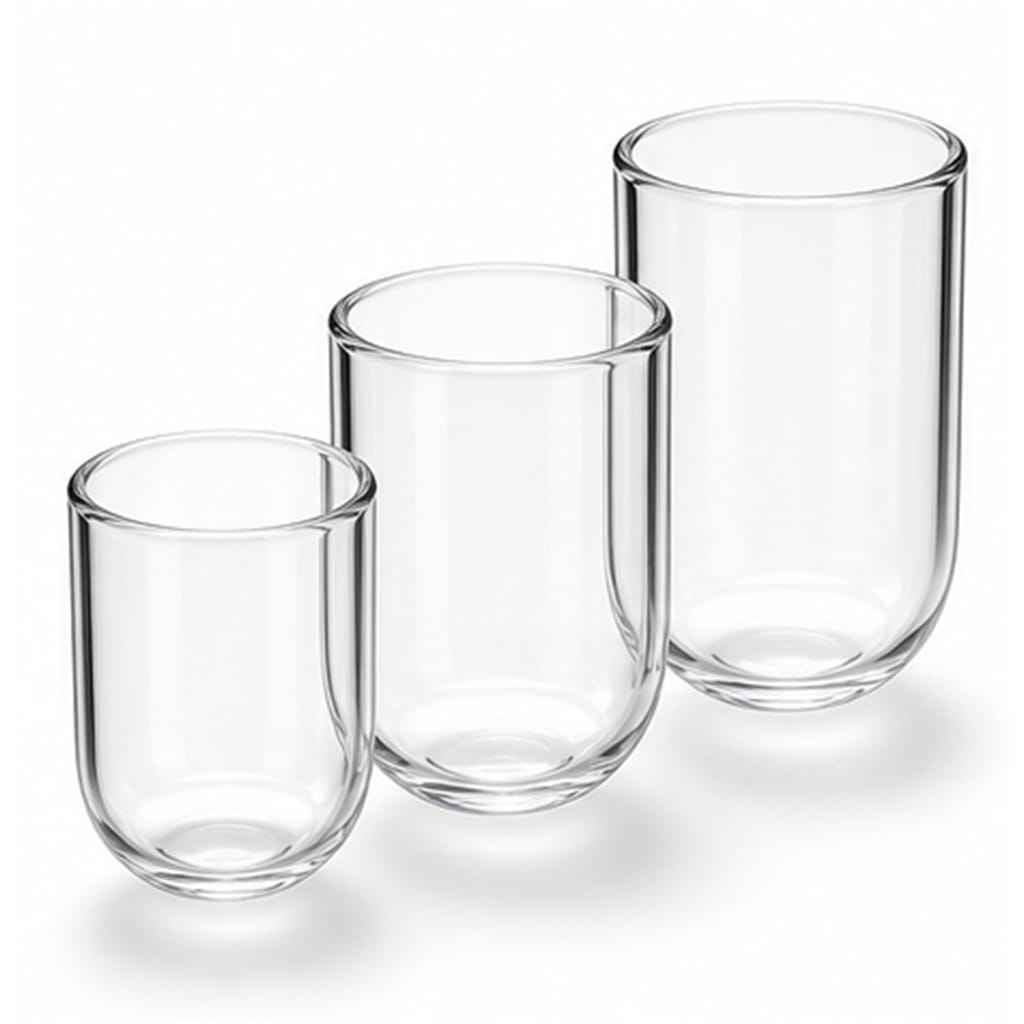
Clear Fused-Quartz Melting Crucibles
Fire-polished rims engineered for high-temperature laboratory muffle furnaces, sintering, and non-ferrous melting applications.
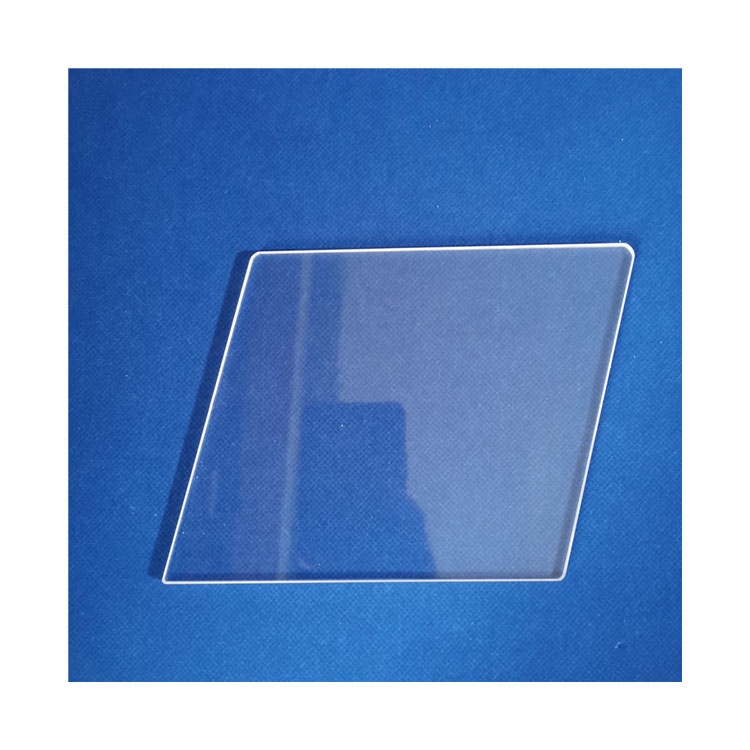
Clear Fused Silica Quartz Glass Plate
Transparent square and round discs (0.5–100mm) with optical surface polish for semiconductor lithography and plasma chambers.
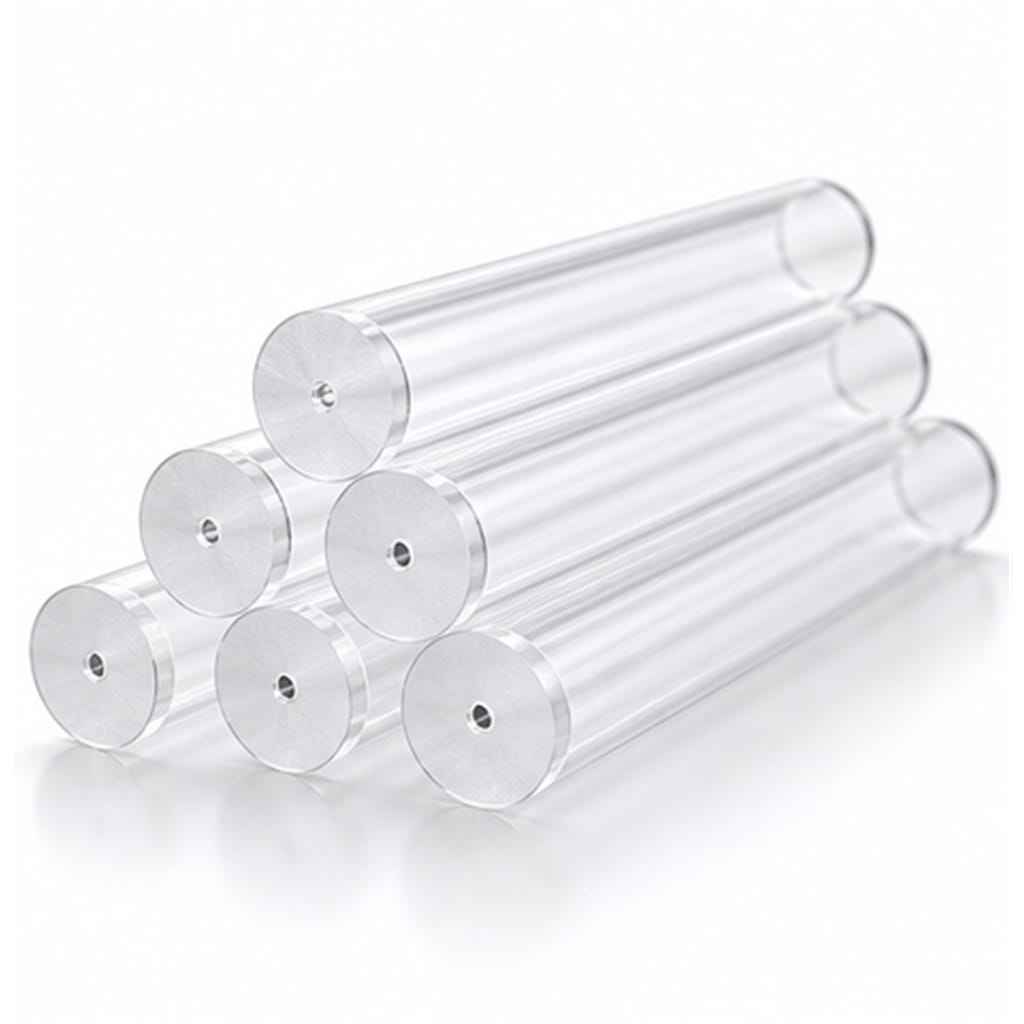
Capillary Micro-Bore Fused-Quartz Tubes
Precision micro-apertures tailored for GC gas chromatography, electrophoretic analysis, and advanced microfluidic chips.
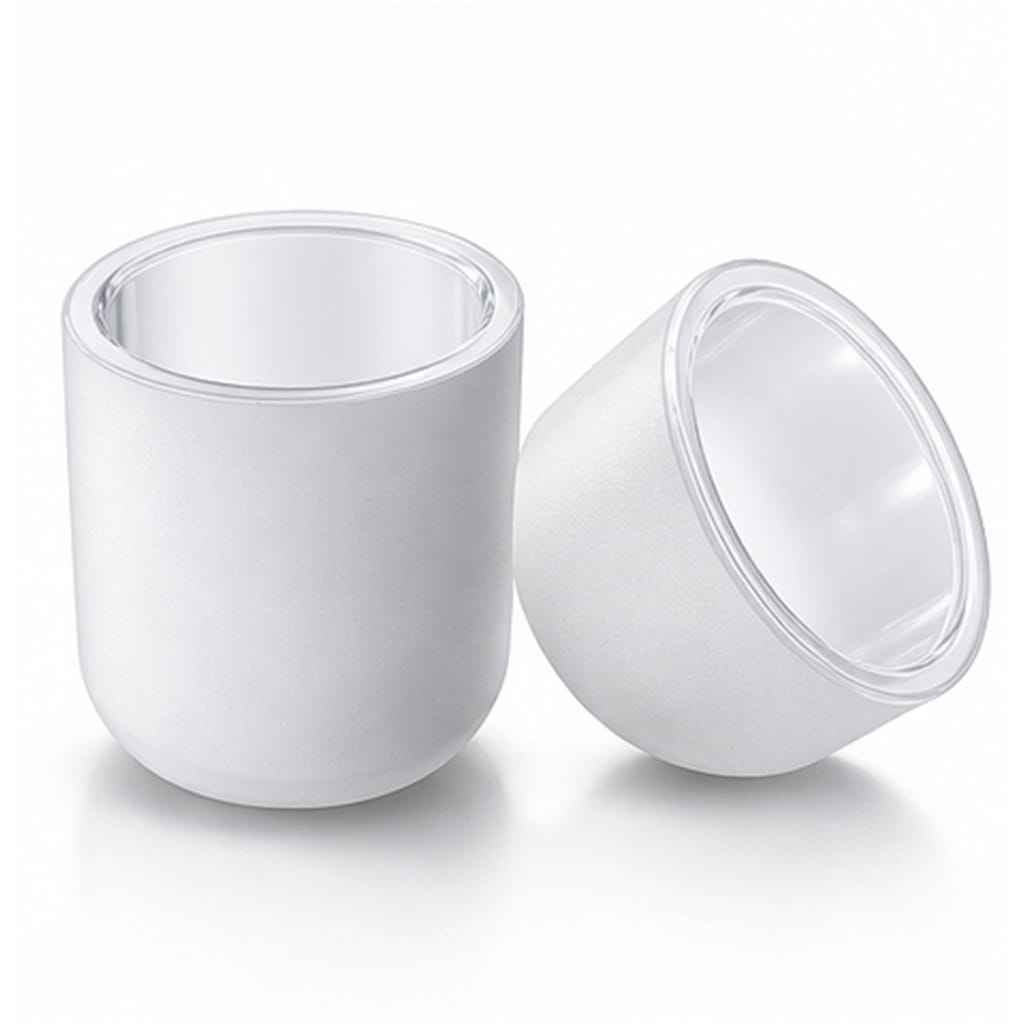
4-Inch Fused-Quartz Crucibles
Synthesized with bubble-free inner layers tailored specifically for single crystal silicon pulling and photovoltaic ingot casting.
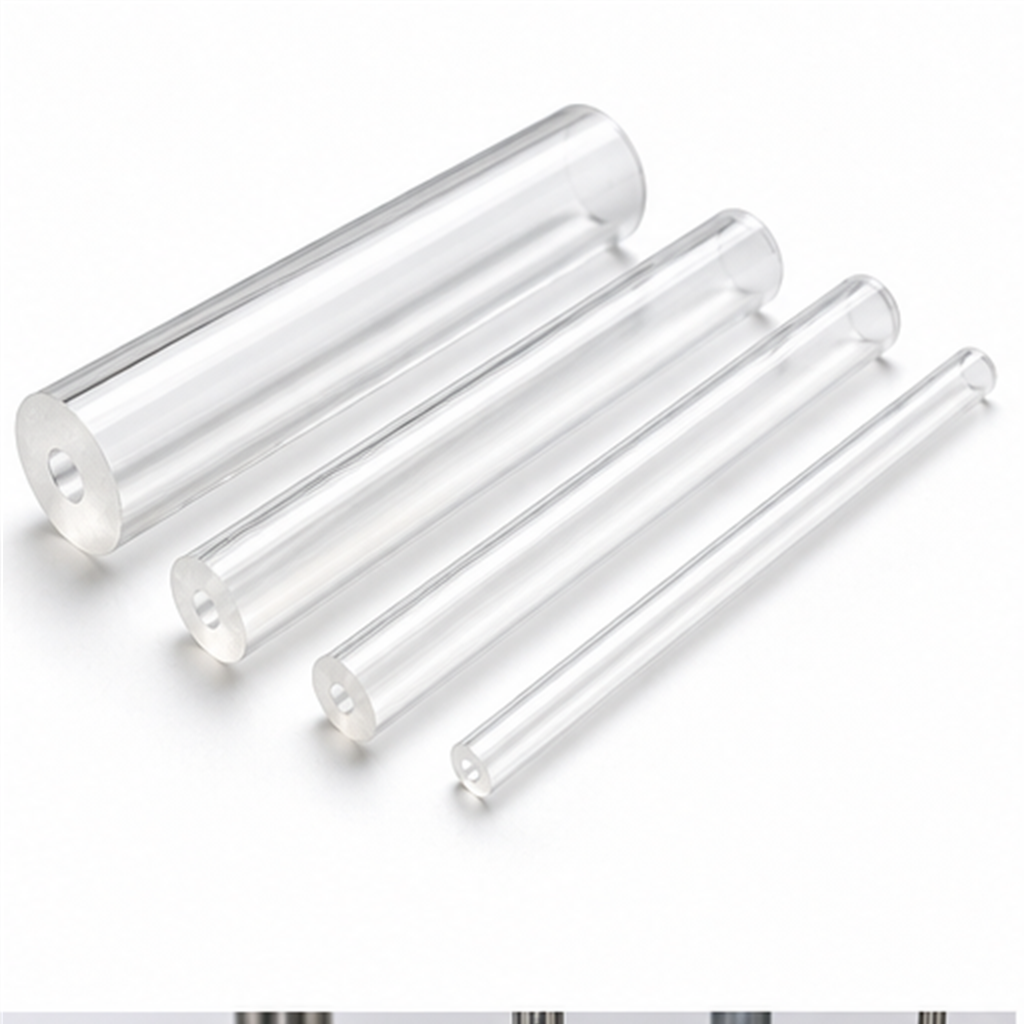
Heavy Wall Small Bore Quartz Tube
Flat-cut unpolished or fire-polished thick-walled quartz tubing optimized for extreme internal hydraulic or pneumatic pressure.
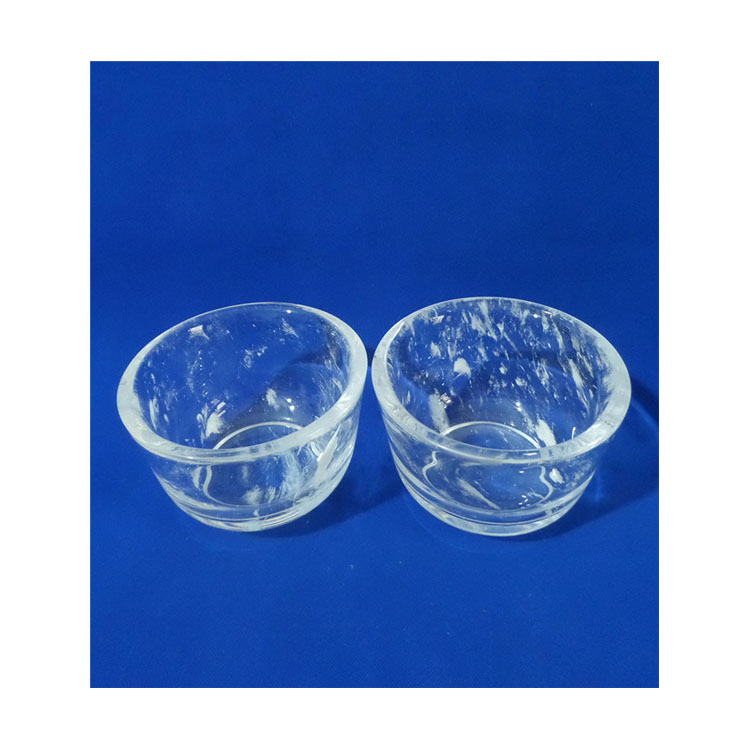
High Temperature Circular Quartz Disc
Custom diameter circular silica discs and substrates featuring thermal shock endurance up to 1200°C for specialty labware and furnaces.
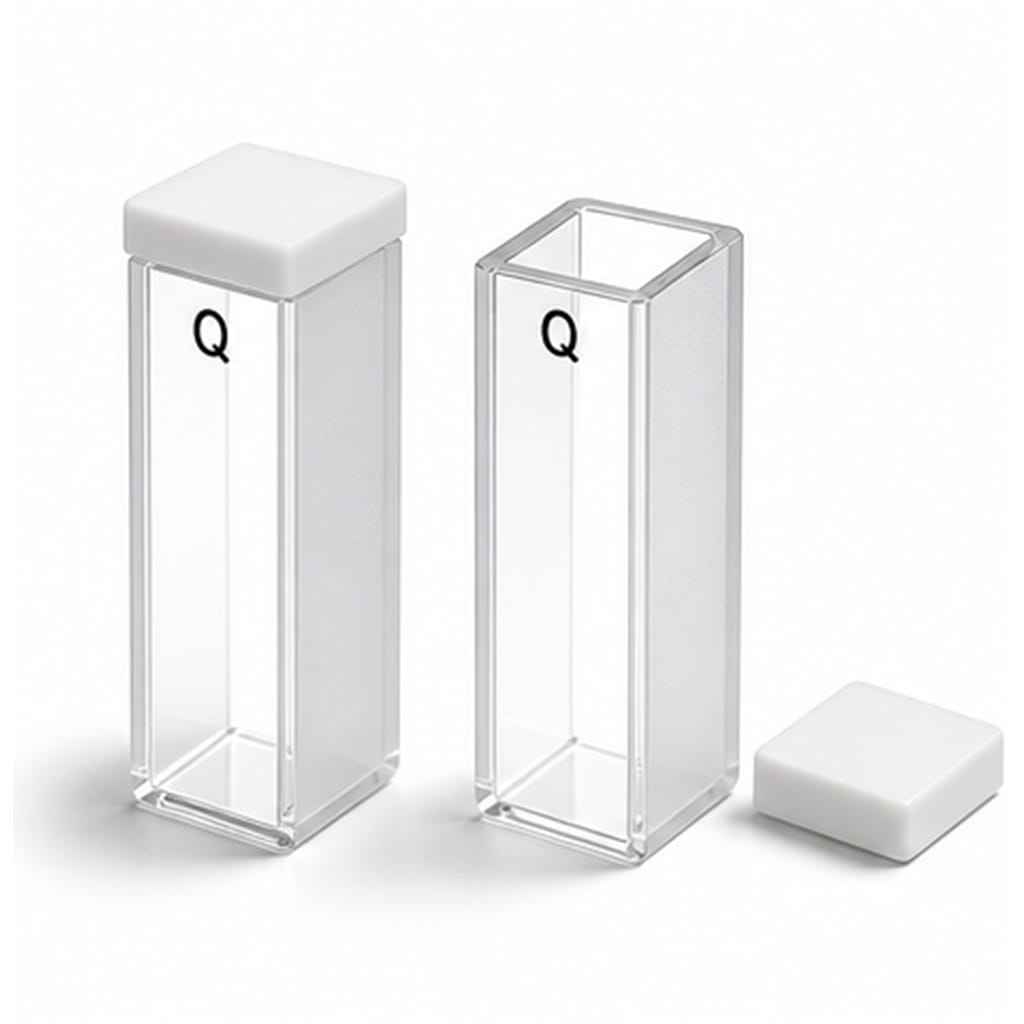
Optical Spectrophotometer Cuvettes
Precision UV-Vis analysis cells fitted with PTFE lids, providing spectral transmission from 190nm deep ultraviolet through near-infrared.
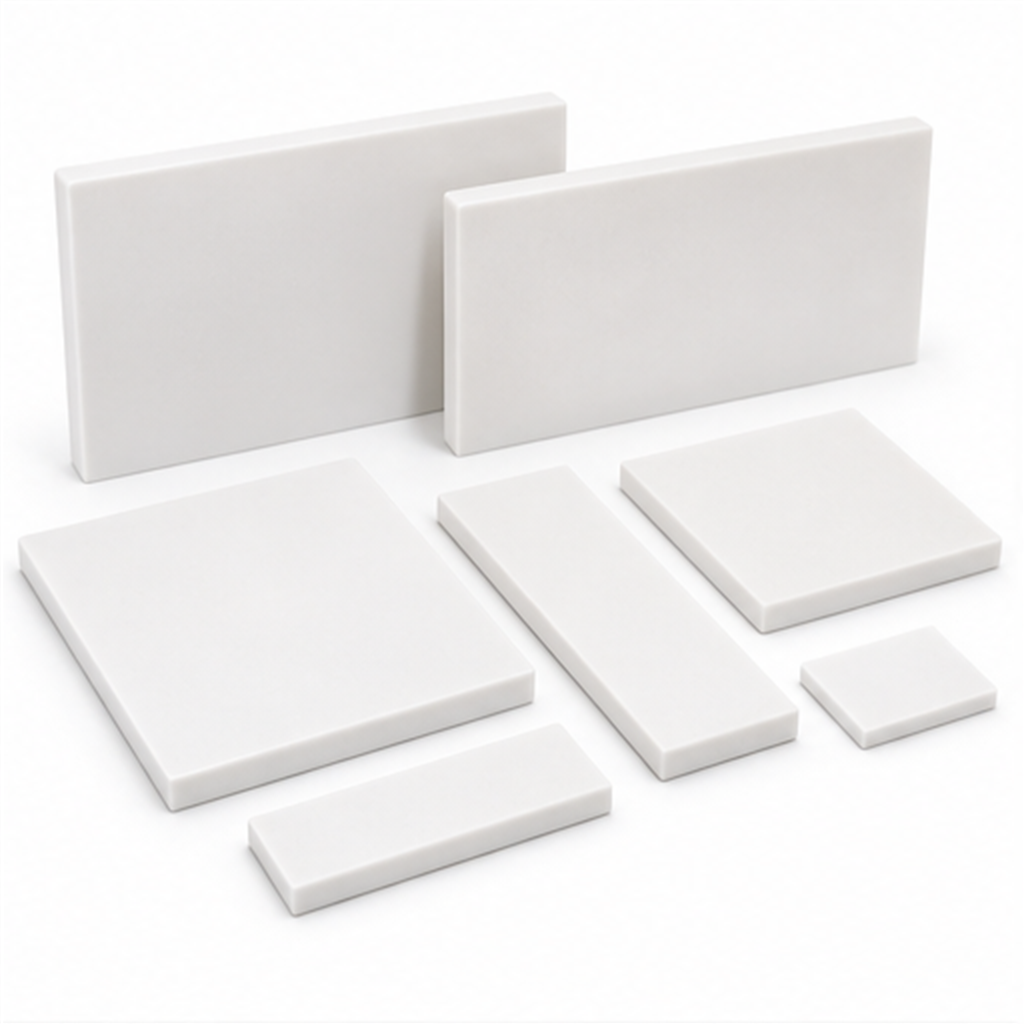
Opaque Milky White Quartz Plate
Infrared heat-shielding opaque fused silica blocks, rectangular slabs, and circular thermal baffles with micro-bubble heat isolation.
Strategic Material Overview: The Engineering Role of Quartz Glass Discs in Advanced Science
Quartz glass discs, synthesized through electrical resistance fusion, oxy-hydrogen flame fusion, or chemical vapor deposition (CVD), represent the pinnacle of vitreous silica engineering. Characterized by an amorphous silicon dioxide (SiO2) network containing less than 20 ppm total metallic impurities in high-purity natural fused quartz and below 1 ppm in synthetic fused silica, these circular substrates maintain structural, optical, and chemical integrity under conditions that disintegrate standard borosilicate or soda-lime formulations.
In high-tech metropolises like Daejeon, South Korea—the research heart of the nation—quartz discs serve as critical viewport barriers, wafer carriers, plasma etch viewports, and optical sub-elements. Unlike conventional industrial glass, vitreous silica exhibits an exceptionally near-zero coefficient of thermal expansion (5.5 × 10⁻⁷ /°C), enabling discs to survive instant water quenching from 1100°C without mechanical fracturing. This thermodynamic property, coupled with wide-band optical transmittance ranging from the deep ultraviolet (DUV 190 nm) through mid-infrared (MIR 3500 nm), renders precision circular quartz discs indispensable for research organizations and high-tech foundries alike.
Precision Quartz Discs in Daejeon's High-Tech R&D Clusters
As South Korea's premier science hub—anchored by Daedeok Innopolis, KAIST, ETRI, and specialized enterprise labs—Daejeon imposes uncompromising purity, flatness, and parallelism specifications on every circular quartz blank.
Plasma Etch & CVD Viewport Windows
Within semiconductor equipment laboratories in Daedeok, fluorine- and chlorine-based plasma etch chambers demand quartz discs possessing exceptional dielectric strength, absolute surface homogeneity, and zero micro-bubble clusters. Our precision double-side lapped quartz discs seal high-vacuum observation ports, preventing halogen radical corrosion while facilitating in-situ spectroscopic plasma monitoring.
DUV Laser Substrates & Interferometry Flanges
University labs and academic institutes across Yuseong-gu, Daejeon require synthetic fused silica discs with laser-grade surface polish (20/10 scratch-dig, surface roughness Ra < 0.5 nm). These circular windows function as low-loss laser output couplers, polarizers, and vacuum laser breakdown cells, resisting optical solarization under pulsed excimer radiation.
High-Temperature Solar & Pyrolysis Viewports
Researchers at the Korea Institute of Energy Research (KIER) use thick-walled fused quartz discs as observation shields in concentrated solar simulators and thermal pyrolysis autoclaves. Able to maintain structural rigidity under 1100°C continuous operation and thermal cycling, these discs provide reliable process visibility.
Wafer Substrates & CVD Susceptor Covers
Chemical and material research teams require custom-diameter circular quartz discs acting as inert carrier substrates for 2D materials (graphene, MoS2) and thin-film spin coating. Because fused silica does not outgas at elevated temperatures, sample cross-contamination during annealing is eliminated.
UV-Transparent Microfluidic Base Discs
Bio-convergence start-ups around Daejeon's Munji and Dunsan districts integrate thin quartz glass discs (≤ 0.5 mm) as bottom covers for fluorescence correlation spectroscopy. The minimal autofluorescence of our optical synthetic grade guarantees superior signal-to-noise ratios during single-molecule assays.
Sensors & Hypersonic Pressure Enclosures
Collaborating with aerospace testing facilities in Chungcheongnam-do and Daejeon, our bevel-edged heavy quartz discs withstand shock-wave pressure surges, extreme thermal radiation, and rapid depressurization in wind tunnel and environmental simulation chambers.
Comprehensive Physical, Optical & Thermal Properties
Procurement teams and mechanical design engineers can reference our baseline manufacturing parameters for optical fused silica and industrial fused quartz discs.
| Engineering Parameter | JGS1 (Synthetic Silica) | JGS2 (Optical Quartz) | JGS3 (Infrared Quartz) | Procurement Significance |
|---|---|---|---|---|
| Applicable Spectral Range | 185 nm – 2500 nm | 220 nm – 2500 nm | 260 nm – 3500 nm | Determines suitability for DUV photolithography vs IR pyrometry. |
| Hydroxyl (OH⁻) Content | ≤ 1200 ppm | ≤ 150 – 200 ppm | ≤ 5 – 8 ppm | Low OH prevents absorption bands at 2.73 μm; high OH boosts UV resistance. |
| Silicon Dioxide (SiO₂) Purity | ≥ 99.999% | ≥ 99.99% | ≥ 99.99% | Prevents metal cation diffusion into semiconductor wafers at >900°C. |
| Density (20°C) | 2.201 g/cm³ | 2.203 g/cm³ | 2.203 g/cm³ | Lightweight structural glazing with low moment of inertia. |
| Thermal Expansion (0–300°C) | 5.4 × 10⁻⁷ /°C | 5.5 × 10⁻⁷ /°C | 5.5 × 10⁻⁷ /°C | Impervious to thermal shock; withstands localized laser thermal bloom. |
| Max Operating Temp (Continuous) | 1050°C | 1100°C | 1100°C | Continuous operation threshold before devitrification risks emerge. |
| Surface Quality (Scratch/Dig) | 10/5 to 20/10 | 40/20 to 60/40 | 60/40 to 80/50 | Governs laser damage threshold (LIDT) and optical scattering losses. |
| Dimensional Diameter Tolerance | ± 0.02 mm | ± 0.05 mm | ± 0.05 mm | Precision CNC edging ensuring perfect seating in vacuum KF/CF flanges. |
Every quartz glass disc leaving our manufacturing facility undergoes strict optical flat verification via Zygo laser interferometry and spectrophotometric transmittance validation. Whether supplying standard 2-inch to 12-inch wafer dimensions or custom circular geometries up to 600 mm in diameter, our tolerances meet or exceed DIN 58196 and ISO 10110 standards.
Emerging Technology Trends Driving Quartz Demand in Daejeon
Daejeon’s transformation into a world-class deep-tech cluster has created specific shifts in material procurement protocols across R&D organizations.
Next-Gen Compound Semiconductor Growth (GaN / SiC)
With South Korea prioritizing compound semiconductors for electric vehicles and 5G/6G RF modules, research centers in Daejeon require high-purity quartz discs capable of enduring harsh MOCVD and epitaxial growth atmospheres exceeding 1200°C without introducing trace iron or copper contaminants.
Quantum Computing & Trapped-Ion Viewports
Quantum information projects at KAIST and ETRI require ultra-low birefringence quartz discs with anti-reflective (AR) coatings. Stray stress birefringence can alter laser polarization states, demanding custom anneal-leveled fused silica viewports with optical retardation < 5 nm/cm.
High-Speed EUV Pellicle & Mask Handling
As the mega semiconductor cluster expands along the Seoul-Daejeon corridor, support laboratories are developing advanced pellicle membranes. Quartz discs serve as baseline chemical carrier plates requiring roughness below 0.2 nm Ra, demanding advanced chemical-mechanical planarization (CMP).
Why Daejeon Engineers & Buyers Choose Kemzo Quartz
Combining primary raw-material extraction advantages in Donghai with precision multi-axis CNC fabrication and cleanroom packaging for international technology hubs.
Source-Region Raw Material
Situated in Donghai County—the crystal hub endowed with rich silica deposits—we control high-purity ingot casting from origin, assuring ≥99.99% SiO₂ with rock-solid batch consistency.
CNC Ultrasonic Edging & Drilling
Our facility houses 5-axis CNC grinding systems, achieving disc diameter tolerances to ±0.02 mm, precision step-countersinks, optical chamfering, and micro hole arrays down to 0.3 mm diameter.
ISO 9001 Quality System
Certified since 2011, every batch undergoes thermal annealing stress analysis under polariscopes, spectrophotometer transmission runs, and cleanroom visual inspection under intense collimated backlight.
Rapid Express to South Korea
Direct air-freight channels connect our manufacturing plants with Incheon and Cheongju International Airports, enabling door-to-door delivery to Daejeon research centers within 3–5 working days from crate seal.
Frequently Asked Questions by Daejeon Buyers & Researchers
Direct answers addressing technical tolerances, customized drawing submissions, trade logistics, and material selection for local R&D and plant procurement.
Request an Engineering Quote for Quartz Discs in Daejeon
Submit your CAD drawing (.DWG, .DXF, .STEP or .PDF), diameter, thickness, optical finish requirements, and quantity. Our technical team responds within 1 hour with full feasibility confirmation, material certification details, and competitive factory-direct pricing.