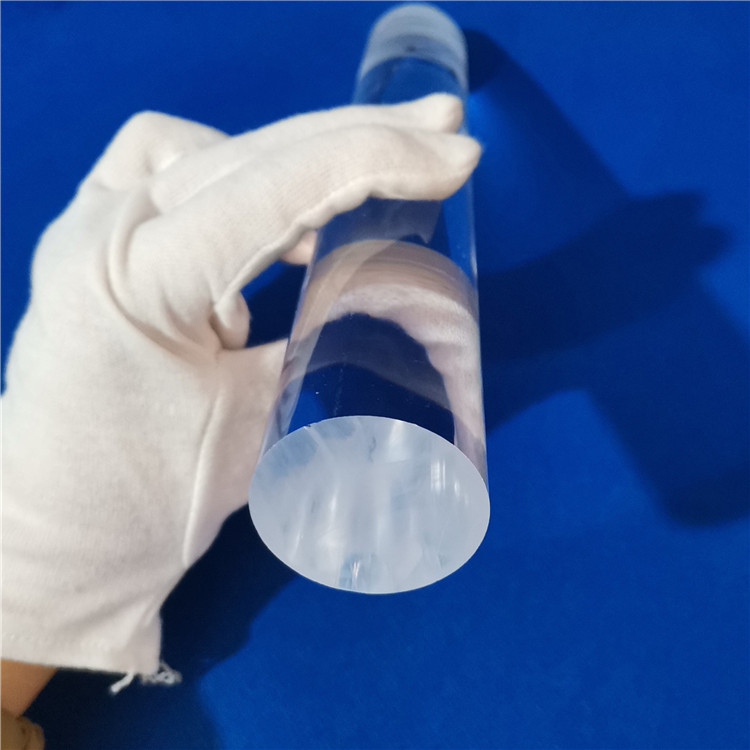
Engineered Quartz Glass Components
Explore our precision-fabricated fused quartz inventory, featuring high optical purity, thermal tolerance up to 1450°C, and custom-to-spec capabilities for demanding OEM applications.
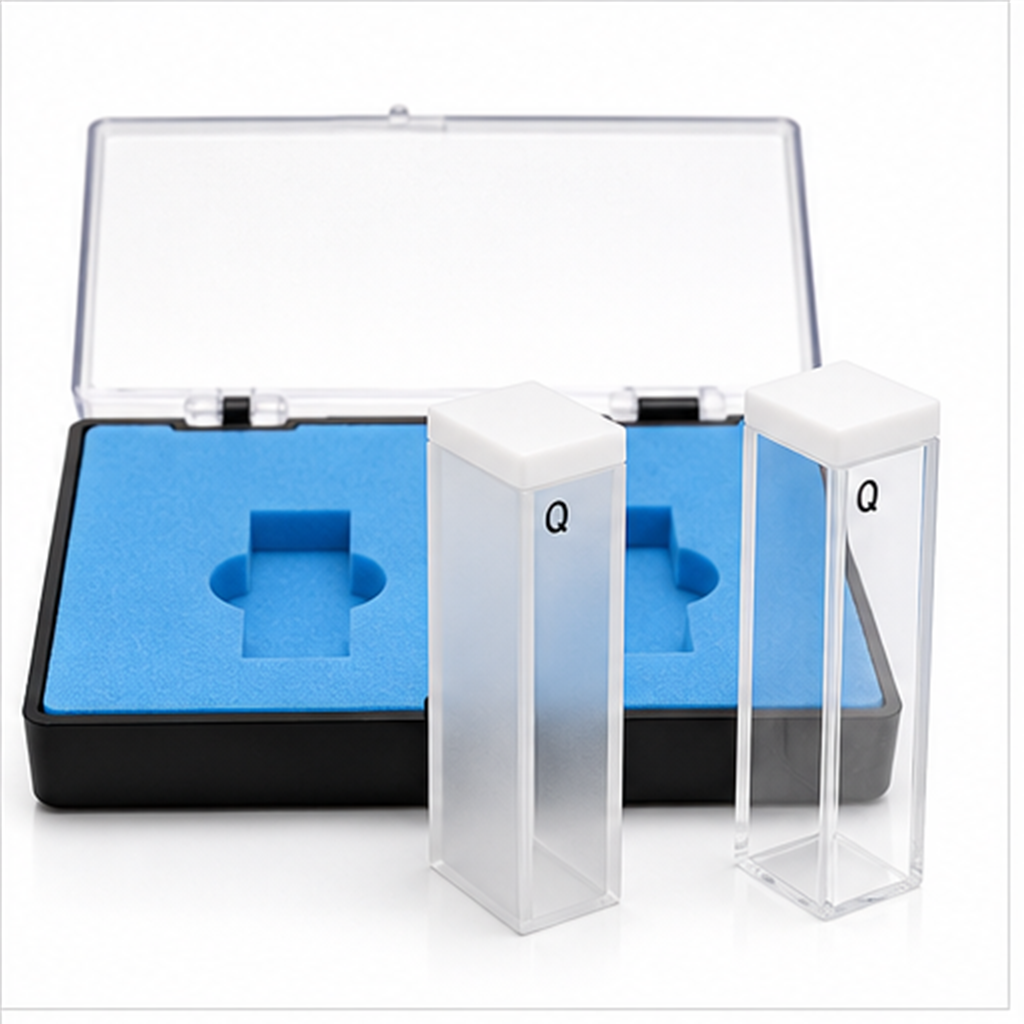
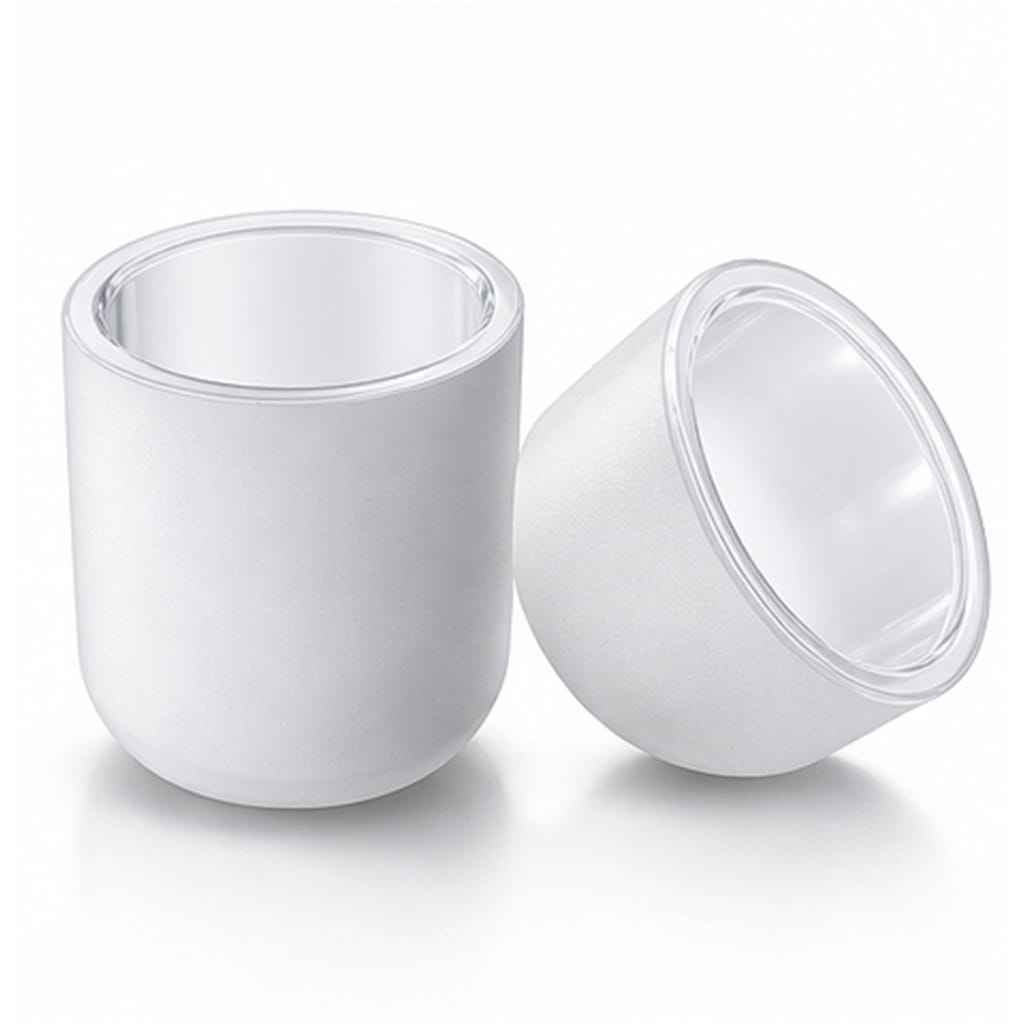
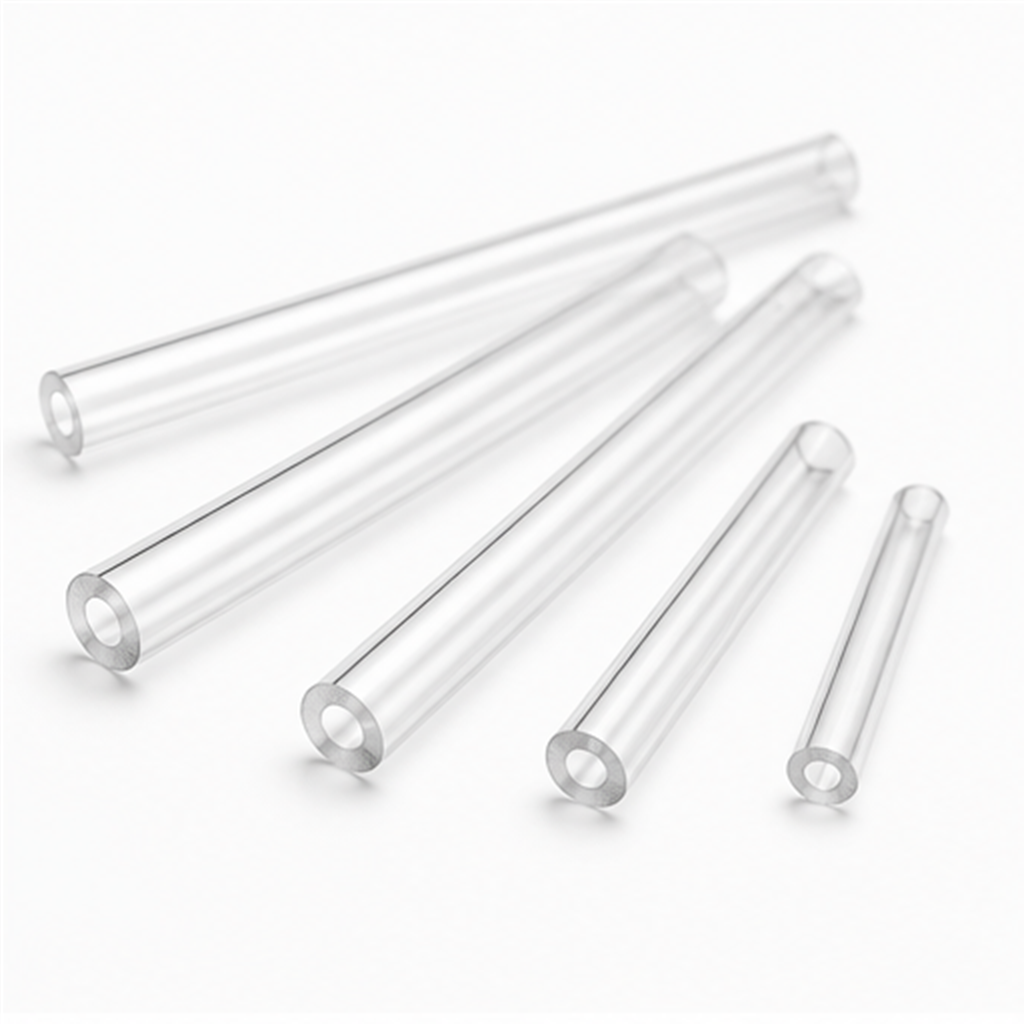
99.99%
SiO₂ Purity Level
1100°C
Continuous Operating Temp
±0.01mm
Precision CNC Tolerance
≤ 1 Hour
Rapid Quotation Response
Engineering Whitepaper: Precision Quartz Domes in High-Altitude Environments
A technical examination of why fused silica and crystalline fused quartz domes outperform optical glasses in extreme atmospheric, thermal, and optical stress regimes.
Atmospheric Pressure & Altitude Mechanics
Denver's Mile High altitude (5,280 ft / 1,609 m) exhibits a baseline atmospheric pressure around 83-84 kPa. For optical sensors, pyranometers, and atmospheric LiDAR arrays operating in elevated testing basins across Jefferson and Boulder counties, quartz glass domes maintain exceptional structural integrity under pressure gradients. The superior elastic modulus (Young's modulus ~72 GPa) provides critical resistance to deflection and mechanical fatigue.
Broadband Spectral Transmission
Unlike standard borosilicate windows or BK7 hemispherical caps that undergo severe attenuation below 350 nm, our manufactured quartz domes offer transmission values exceeding 90% across the deep UV (190 nm) through Near-Infrared (2500 nm). This eliminates chromatic aberration and signal clipping in satellite tracking setups, outdoor solar radiance trackers, and remote thermal imaging sensors.
Thermal Shock & Expansion Dynamics
Featuring a thermal expansion coefficient of only 5.5 × 10⁻⁷ /°C, our fused quartz glass domes survive abrupt thermal fluctuations ranging from sub-zero Front Range freeze cycles up to 1100°C continuous thermal loads. The minimal internal stress allows for direct flame exposure, rapid liquid quenching, and severe aerodynamic friction without micro-fracturing or catastrophic delamination.
Physical & Dielectric Specifications Matrix
Quantitative reference metrics for mechanical, thermal, and optical engineers specifying dome profiles.
| Characteristic / Metric | Standard Synthetic Fused Silica | Natural Purity Fused Quartz | Operational Impact for Denver R&D |
|---|---|---|---|
| Purity (SiO₂ Mass Fraction) | ≥ 99.999% | 99.99% | Zero baseline metal leaching; immune to solarization in high UV environments. |
| Max Working Temperature | 1200°C (Short term 1400°C) | 1100°C (Short term 1450°C) | Maintains structural rigidity inside plasma chambers and industrial furnaces. |
| Refractive Index (n_d @ 589.3 nm) | 1.4585 | 1.4585 | Low optical dispersion (Abbe number V_d ≈ 67.8); minimal chromatic aberration. |
| Dielectric Constant (1 MHz) | 3.75 ± 0.05 | 3.77 ± 0.05 | Ultra-low RF and microwave loss; ideal for radomes and electromagnetic housings. |
| Annealing Point | 1140°C – 1215°C | 1215°C | Thermally balanced during slow cool-down to eliminate residual birefringence. |
Localized Applications Across Colorado's Technology Corridors
Empowering high-performance engineering from the Denver Tech Center (DTC) to the national research facilities along the Front Range.
Aerospace & Defense EO/IR Sensor Housings
Colorado hosts the nation's premier defense aerospace corridor. In aerospace manufacturing facilities across Littleton, Aurora, and Longmont, quartz glass domes serve as protective aerodynamic cowlings for Electro-Optical and Infrared (EO/IR) reconnaissance lenses. Their surface hardness (Mohs scale 7) protects internal guidance optical assemblies from particulate blast, dust storms, and atmospheric rain erosion during supersonic flights.
Atmospheric Science & Solar Pyranometers
With world-renowned institutions like the National Center for Atmospheric Research (NCAR) and the National Renewable Energy Laboratory (NREL) headquartered locally, accurate solar irradiance profiling requires double-dome quartz solar monitoring systems. Our precision-ground hemispherical domes provide complete cosine-corrected light entry, allowing meteorologists to measure direct, diffuse, and global ultraviolet radiation without directional distortion.
Quantum Computing & Ultra-High Vacuum (UHV)
The Denver-Boulder technology hub has emerged as a global leader in trapped-ion and neutral-atom quantum processors. These architectures require non-magnetic, low-outgassing viewport domes with ultra-high optical transmission at targeted laser wavelengths (399 nm, 461 nm, 780 nm). Our quartz domes feature helium leak rates < 1 × 10⁻⁹ mbar·l/s, critical for sustaining 10⁻⁶ Torr UHV regimes.
Denver & Colorado Front Range Industrial Trends
Strategic structural shifts driving increased demand for custom-fabricated quartz domes and high-purity optical vessels across regional clusters.
Satellite Mega-Constellations & Deep-Space Payload Growth
Colorado accounts for one of the highest concentrations of private space ventures and orbital launch contractors in the world. As satellite payloads shift toward optical inter-satellite laser links (OISLs) and hyperspectral Earth observation, the requirement for custom hemispherical and hyper-hemispherical quartz protective domes has scaled exponentially. Our ISO 9001 quality infrastructure delivers parts with controlled scratch-dig values (up to 20/10) to prevent scatter in deep-space optics.
Regional Semiconductor Fab Expansion
Silicon and compound semiconductor (SiC and GaN) cleanrooms along the I-25 tech corridor are modernizing their oxidation and epitaxial chambers. Quartz bell jars and protective process domes are subjected to corrosive fluorine and chlorine plasma etching atmospheres. Manufacturers depend on Kemzo Quartz for high-homogeneity, thermal stress-relieved fused silica parts that mitigate wafer particulate fallout and increase chamber run-time between preventative maintenance shutdowns.
Tightened Supply Chain Traceability & Material Certification
With stringent federal procurement mandates across defense contractors and national laboratories in the Denver metroplex, tier-1 suppliers must present comprehensive material purity audits, dimensional CMM verification reports, and ISO documentation. Kemzo Quartz delivers full trace batch certs, rigorous bubble-inclusion verification, and direct engineering-to-engineering feasibility reviews before batch production.
Enterprise Advantages: Kemzo Quartz Manufacturing Capabilities
Combining primary mineral reserves from China's quartz capital with advanced CNC optical machining, flame blowing, and worldwide freight handling.
Direct Mineral Source Purity
Headquartered in Donghai, we extract and refine natural crystal sand with SiO₂ content exceeding 99.99%, providing absolute raw material stability and uncompromised structural integrity.
11+ Years OEM/ODM Precision
Over a decade of manufacturing to buyer drawings. We execute custom edge-bevelling, optical multi-axis CNC grinding, flame polishing, and thermal vacuum flange seals in-house.
ISO 9001 Certified System
Recognized as a Jiangsu High Technology Enterprise, our comprehensive quality protocol covers ultrasonic cleaning, dimensional interferometry, and residual stress polariscopes.
Direct Denver Export Logistics
More than 70% of output exported overseas. Standardized shock-absorbing export crating, DDU/DAP delivery terms directly to Denver warehouses, and under 1-hour quote responses.
Frequently Asked Questions by Denver Engineers & Buyers
Clear, direct answers regarding optical grade selection, dimensional tolerances, shipping security, and custom specifications.
Should I specify Fused Quartz or Synthetic Fused Silica for optical domes?
Natural fused quartz is melted from purified high-grade natural crystals, offering outstanding thermal performance up to 1100°C at competitive costs, ideal for furnace viewports, atmospheric pyranometers, and standard VIS-NIR sensors. Synthetic fused silica is synthesized via chemical vapor deposition (SiCl₄), yielding virtually zero bubble inclusion, superior OH-content control, and unmatched deep ultraviolet transmission down to 190 nm for UV-laser optics and semiconductor lithography.
What dimensional and surface tolerances can Kemzo manufacture?
We routinely produce custom quartz domes with outer diameters from 15 mm to over 500 mm, wall thickness tolerances down to ±0.05 mm, and sphericity within λ/4 per inch. Surface quality can be fine-ground, commercial flame-polished, or precision optically polished to 40/20 or 20/10 Scratch-Dig specifications depending on your sensor's optical sensitivity.
How are delicate quartz glass domes protected during international transit to Denver?
Fragile goods packing is one of our core competencies. Each dome is wrapped in antistatic scratch-resistant film, seated inside form-fitting polyurethane cushioning, vacuum-sealed to prevent atmospheric moisture or grit contamination, and anchored in multi-layer plywood export cases with impact indicators. We support direct air cargo via Denver International Airport (DEN) or express carrier door-to-door (DDU/DAP).
Can you provide custom flanges, holes, or anti-reflective (AR) coatings?
Yes. Our CNC optical machining facility provides drilled mounting holes, step-edge cutaways, custom ground flat flanges for O-ring vacuum seals, and ground-joint necks. Furthermore, we can supply quartz domes with single-layer or broadband anti-reflective (BBAR) coatings optimized for specific spectral windows (UV, VIS, NIR, or dual-band).
What is your standard production lead time and minimum order quantity (MOQ)?
For custom engineering prototypes and R&D trials in Denver research institutes, we support small pilot batches with MOQs starting at 1 to 5 pieces. Standard prototype lead time is typically 2 to 3 weeks following final technical drawing sign-off, with volume production scaling seamlessly across our 10+ operational lines.
What payment currencies and Incoterms are supported?
We transact seamlessly in USD, EUR, AUD, HKD, and CNY via Wire T/T, L/C, or PayPal for sample validation orders. We accommodate standard international shipping agreements including EXW, FOB, CIF, CFR, DDU, and DAF according to your enterprise supply chain governance.
Request Engineering Review & Official Catalog
Send your CAD drawing, operating temperature range, and optical tolerance specifications to our technical team for review within 1 hour.