Semiconductor & Laboratory Portfolio
Featured Precision Fused Quartz & Glassware Solutions
Engineered to strict dimensional tolerances from raw Donghai crystalline silica, with continuous temperature ratings up to 1100°C and optical clarity spanning deep UV to NIR spectra.
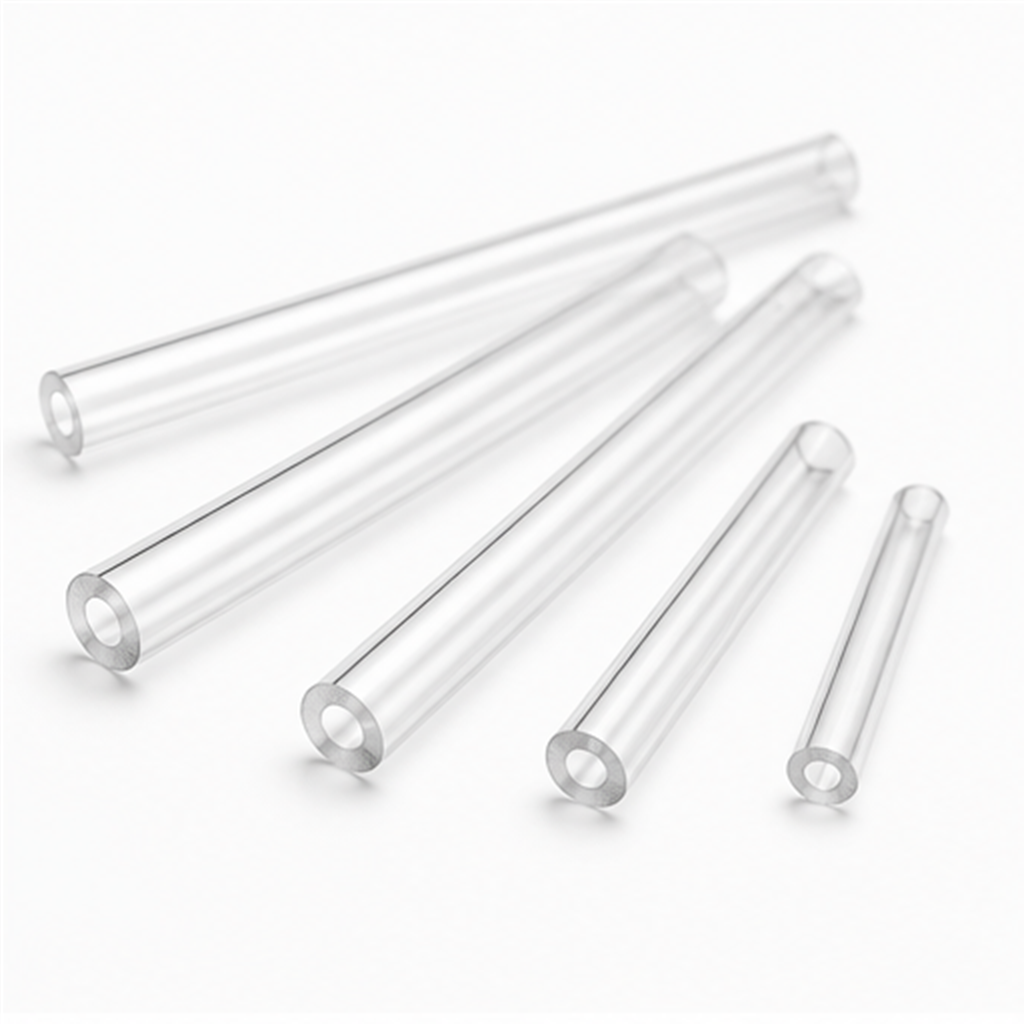
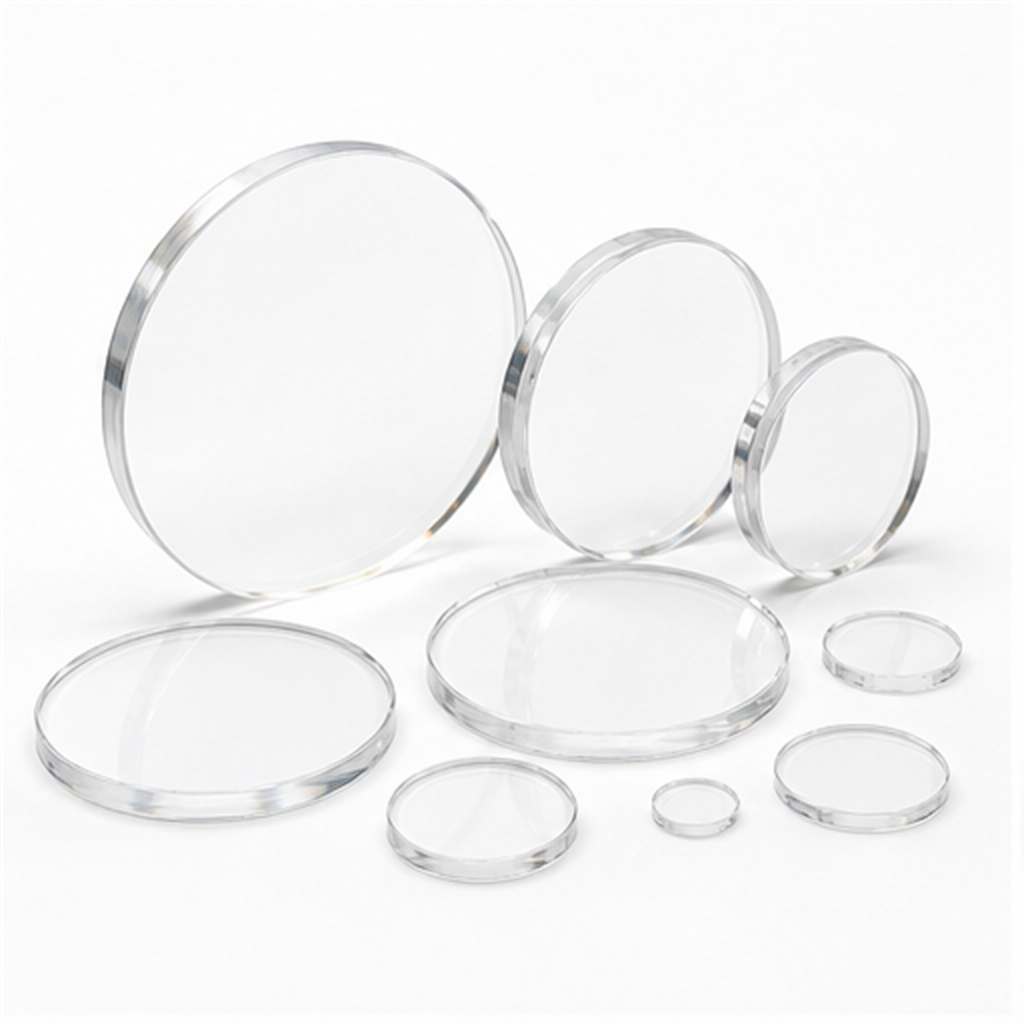
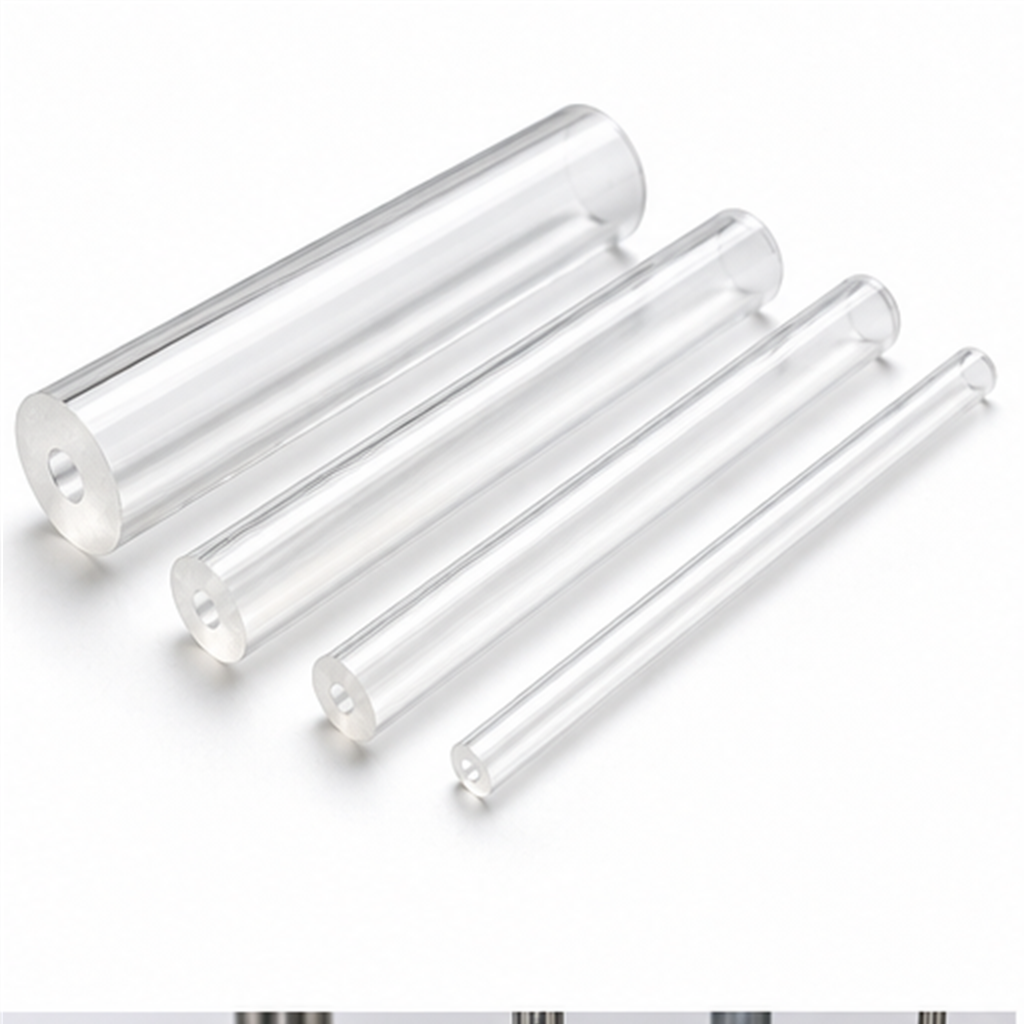
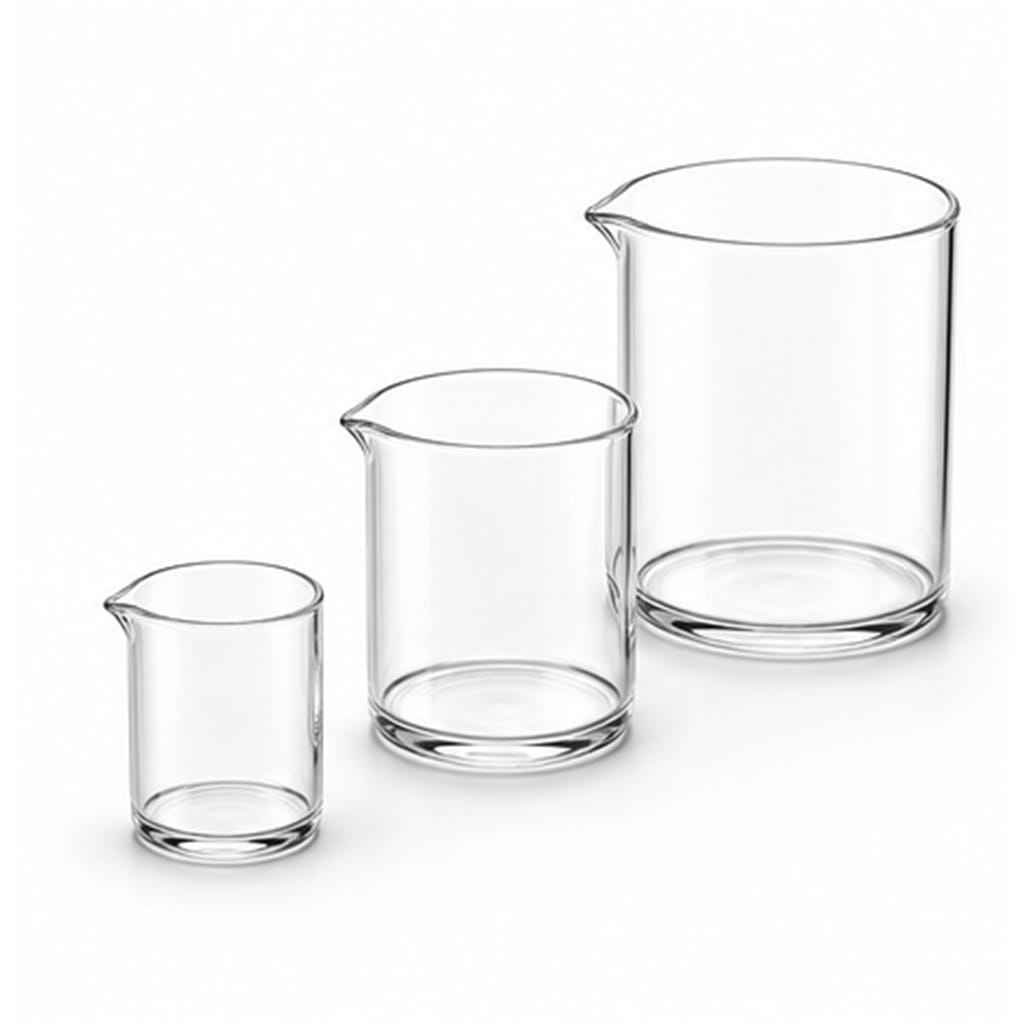
99.99%
SiO₂ Chemical Purity
1450°C
Peak Thermal Endurance
11+
Years OEM/ODM Expertise
≤ 1 Hour
Engineering Quote Response
Engineering Whitepaper & Osaka Market Integration
Precision Quartz Glass Domes in Osaka's Advanced Manufacturing Matrix
As industrial automation, sub-micron electronics, and optoelectronics expand throughout the Kansai region, the demand for high-integrity fused quartz domes has reached unprecedented levels. Osaka represents a powerhouse of precision mechanics, optical assembly, and next-generation battery technology. In environments involving aggressive plasma etching, rapid thermal annealing, and deep-sea optical observation, conventional borosilicate glass fails catastrophically due to thermal boundary limitations and ion leaching.
Technical Distinction: Unlike standard silicate glasses, fused quartz exhibits an exceptionally low coefficient of thermal expansion (5.5 × 10⁻⁷ /°C). This allows Osaka engineers to subject quartz hemispherical domes to severe thermal gradients—from cryogenic states to over 1100°C—without inducing mechanical fractures or phase-transition micro-cracks.
Localized Industrial Application Scenarios Across Kansai
Within the industrial clusters of Osaka Bay, Sakai, and the wider Keihanshin metropolitan belt, fused quartz domes serve critical engineering functions across four primary vectors:
1. Semiconductor Etch & CVD Chambers: Osaka-based precision equipment manufacturers incorporate parabolic and hemispherical quartz domes as vacuum envelopes and microwave windows for Inductively Coupled Plasma (ICP) reactors. High-purity quartz containing trace hydroxyl levels prevents heavy metal contamination during silicon wafer processing and compound semiconductor epitaxy.
2. Marine Research & Deep-Submergence Optics: Leveraging Osaka's strategic maritime and oceanographic engineering industries, heavy-wall quartz domes are precision-machined to function as high-pressure optical viewports. Their compressive strength exceeds 1.1 GPa, maintaining zero-distortion optical clarity for imaging apparatus deployed in benthic exploration.
3. Advanced Photovoltaic & Perovskite Synthesis: Osaka's research institutions and clean-tech fabs utilize quartz reaction domes for physical vapor deposition (PVD). The material's UV transmittance (over 90% across the 200–400 nm band) ensures unimpeded irradiation during photochemical crystallization processes.
4. Industrial Pyrometry & High-Temperature Furnace Observation: Heavy chemical installations along the Osaka coastal industrial belt require viewing domes capable of withstanding corrosive acid vapors (including nitric, sulfuric, and hydrochloric vapors) under sustained elevated pressures.
Procurement Trends in the Osaka-Kobe Industrial Sphere
Modern Japanese procurement workflows emphasize information gain, raw-material provenance, and total cost of ownership. Historically, Osaka enterprises depended on domestic intermediaries, facing high markups and rigid minimum order quantities. Current market evolution shows direct alignment with source-region manufacturers capable of providing:
- Full traceability of low-alkali raw quartz crystals (Na < 1.0 ppm, Fe < 0.2 ppm).
- Direct flame-polishing and cold-working to JIS dimensional standards (concentricity within ±0.05 mm).
- Consolidated export packaging conforming to strict air-cargo shock-damping protocols for rapid Kansai International Airport (KIX) customs clearance.
Manufacturing Authority
Why Osaka Engineers & Exporters Partner With Kemzo
Direct from Donghai County—China's crystal capital—combining localized material reserves with ISO 9001 quality infrastructure.
Source-Region Provenance
Situated in Donghai, Lianyungang, our factory controls raw crystalline quartz sorting directly at the source. This structural cost advantage and raw supply stability eliminate secondary supply chain bottlenecks for Osaka buyers.
10+ Multi-Spec Lines
From high-temperature semiconductor crucibles to capillary chromatography tubing and custom-radiused optical domes, our facility operates over 10 specialized production, annealing, and flame-working lines.
OEM to Precise Drawings
Backing your specialized engineering needs with 11+ years of bespoke OEM/ODM manufacturing. We execute strict beveling, fire-polishing, ultrasonic drilling, and ground-joint tapers to exact CAD tolerances.
Export-Ready Execution
Exporting 70%+ of annual volume worldwide under ISO 9001 and Jiangsu High-Tech Enterprise credentials. Multi-currency settlements (USD, JPY, EUR), multi-modal Incoterms (CIF Osaka/Kobe, FOB, DDU), and rapid response within 1 hour.
Procurement Intelligence
Frequently Asked Questions by Japanese Buyers
Key technical, regulatory, and logistics clarifications addressed directly for industrial purchasing managers in Osaka.
What is the difference between synthetic fused silica and natural fused quartz domes?
Fused quartz is produced by thermal melting of naturally occurring, refined high-purity quartz crystal sand. It offers exceptional mechanical durability, high operating temperatures (continuous 1100°C), and low cost, making it ideal for the vast majority of furnace viewports, plasma shields, and bell jars. Synthetic fused silica is synthesized via chemical gas vapor oxidation (such as SiCl4), offering virtually zero metallic contaminants and higher transmission in deep vacuum UV (<190 nm), but at a significantly higher production cost.
Can you manufacture custom-diameter quartz domes according to Osaka JIS engineering tolerances?
Yes. Our cold-processing and glass-blowing workshop works directly from AutoCAD, STEP, or PDF drawings submitted by client engineering departments. We regularly produce hemispherical and hyper-hemispherical quartz domes up to 600 mm in diameter, holding wall thickness variation within ±0.1 mm, optical edge perpendicularity, and surface finishes down to 60/40 or 40/20 scratch-dig standards.
How are delicate quartz domes and tubes protected against transit shock to the Port of Osaka / KIX?
Fragile cargo logistics are backed by specialized export crating protocols developed over 11 years. Every dome or tube is wrapped in anti-static PE film, encased in customized shock-absorbing EPE closed-cell foam, and secured inside multilayer reinforced export wooden crates. Boxes include tilt/drop indicators and desiccants. In the rare event of shipment disruption, full transit cargo insurance covers immediate expedited remanufacturing.
Which Incoterms, currency options, and delivery schedules apply to orders in Osaka?
We routinely execute shipments to Osaka and Kobe under CIF, FOB, DDU, and Express Courier terms. We support settlements in JPY, USD, EUR, and CNY via T/T or L/C. Standard sample turnarounds take 5–7 working days, while customized production runs typically dispatch in 2–3 weeks, arriving via direct air freight into Kansai International Airport (KIX) within 48–72 hours after export clearance.
What quality verification documentation accompanies quartz shipments to Japan?
Each production batch includes a Certificate of Analysis (COA) specifying trace impurity concentrations (ICP-MS tested), dimensional inspection records, stress-relief annealing verification curves, and ISO 9001 conformity certification to meet Japanese industrial inbound quality control (IQC) protocols.
Accelerate Your Quartz Component Procurement
Discuss your application requirements with our technical sales engineers. Send your dimensional blueprints, operating parameters, or thermal specifications for comprehensive engineering feedback within 1 hour.