Featured Fused Quartz Components & Flange Systems
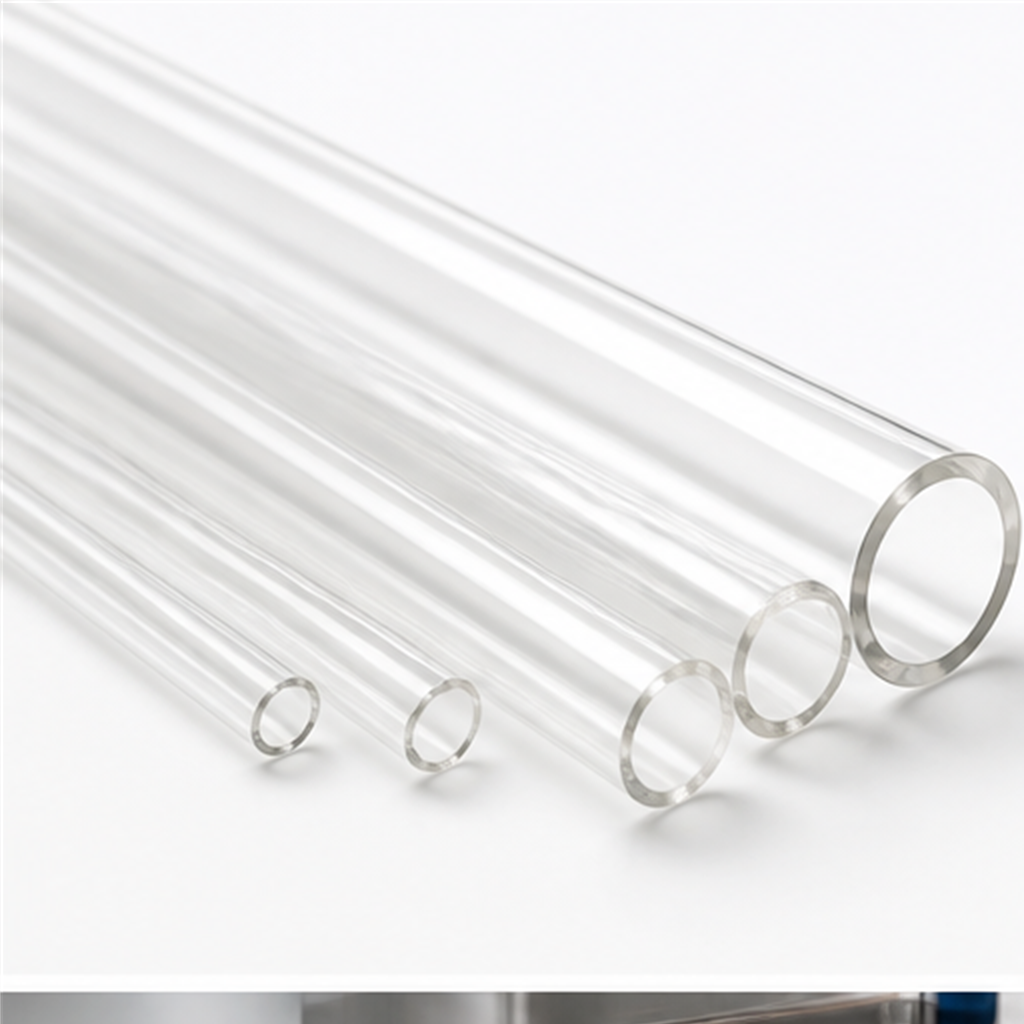
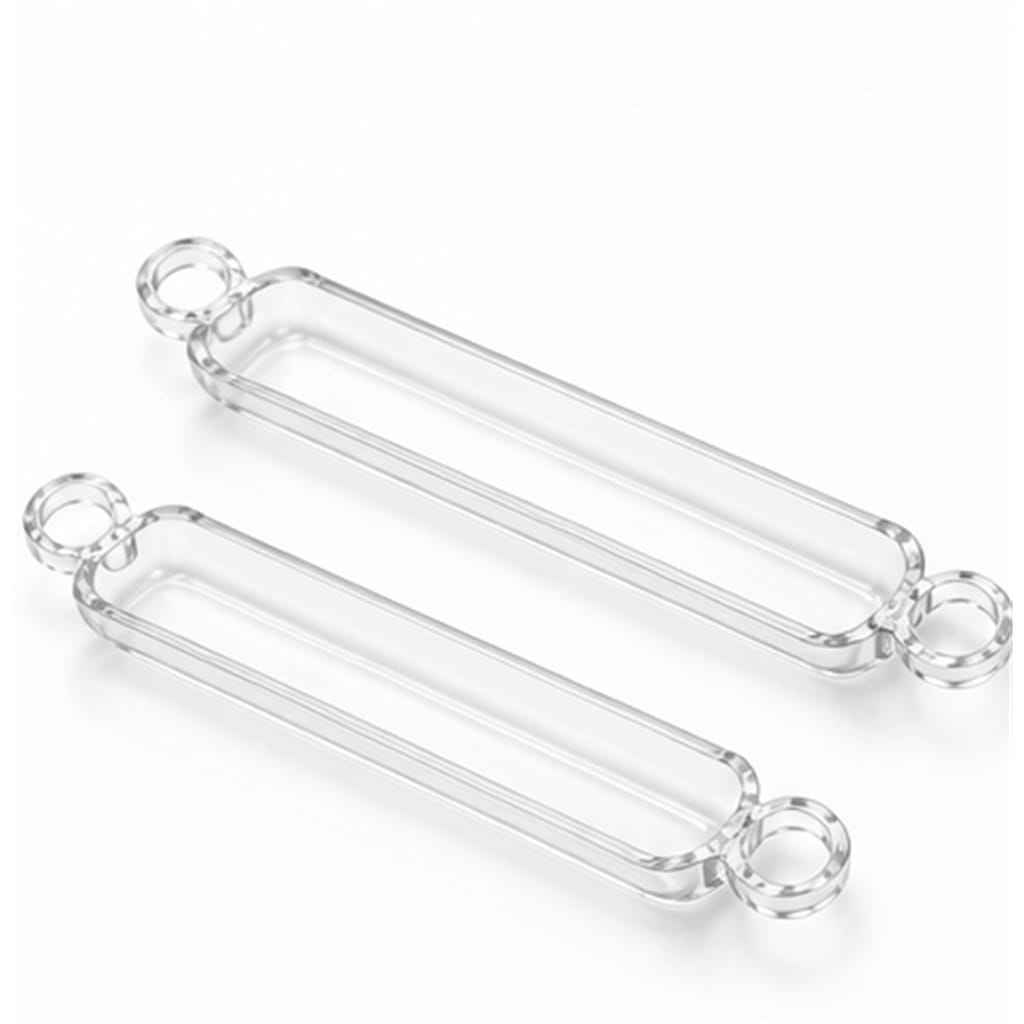
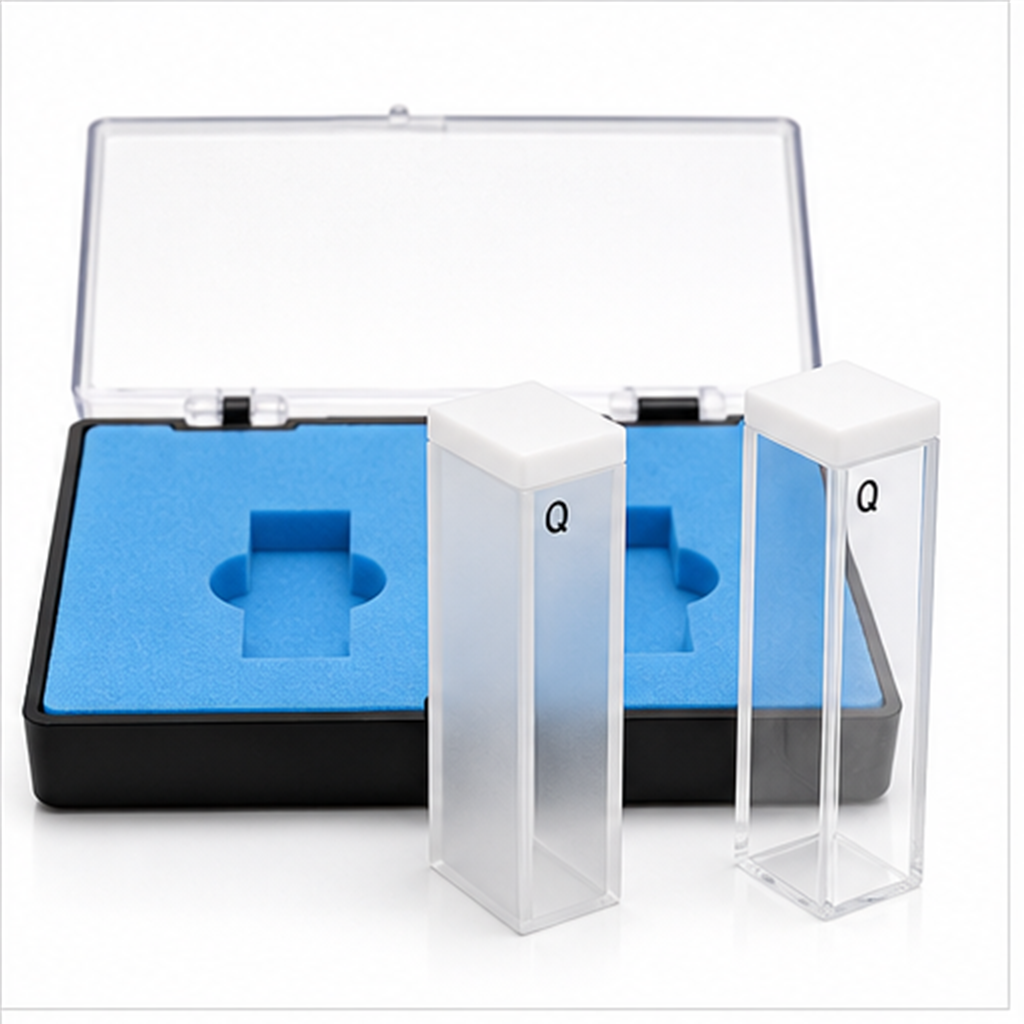
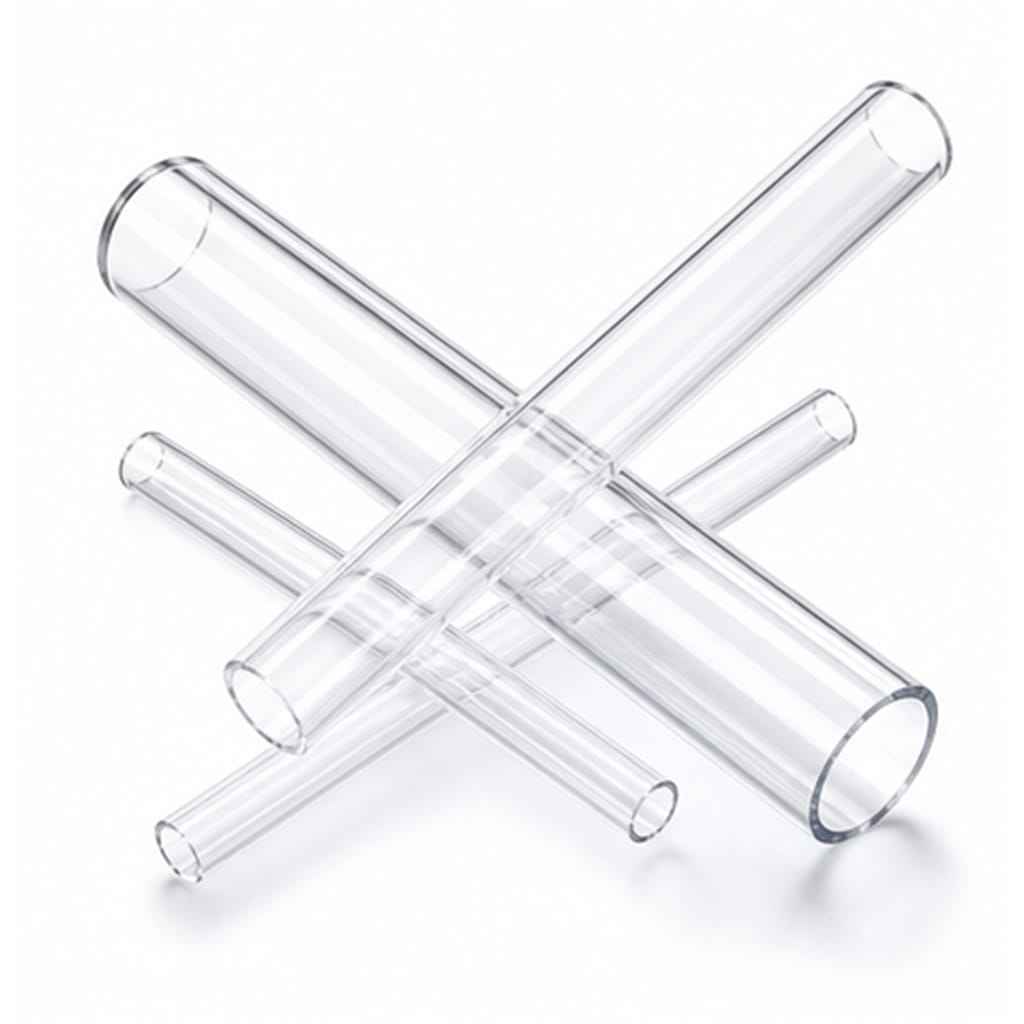
Precision-crafted high-temperature transparent quartz tubes, combustion boats, optical cuvettes, and vacuum flanges certified for Pyongyang laboratory and industrial operations.
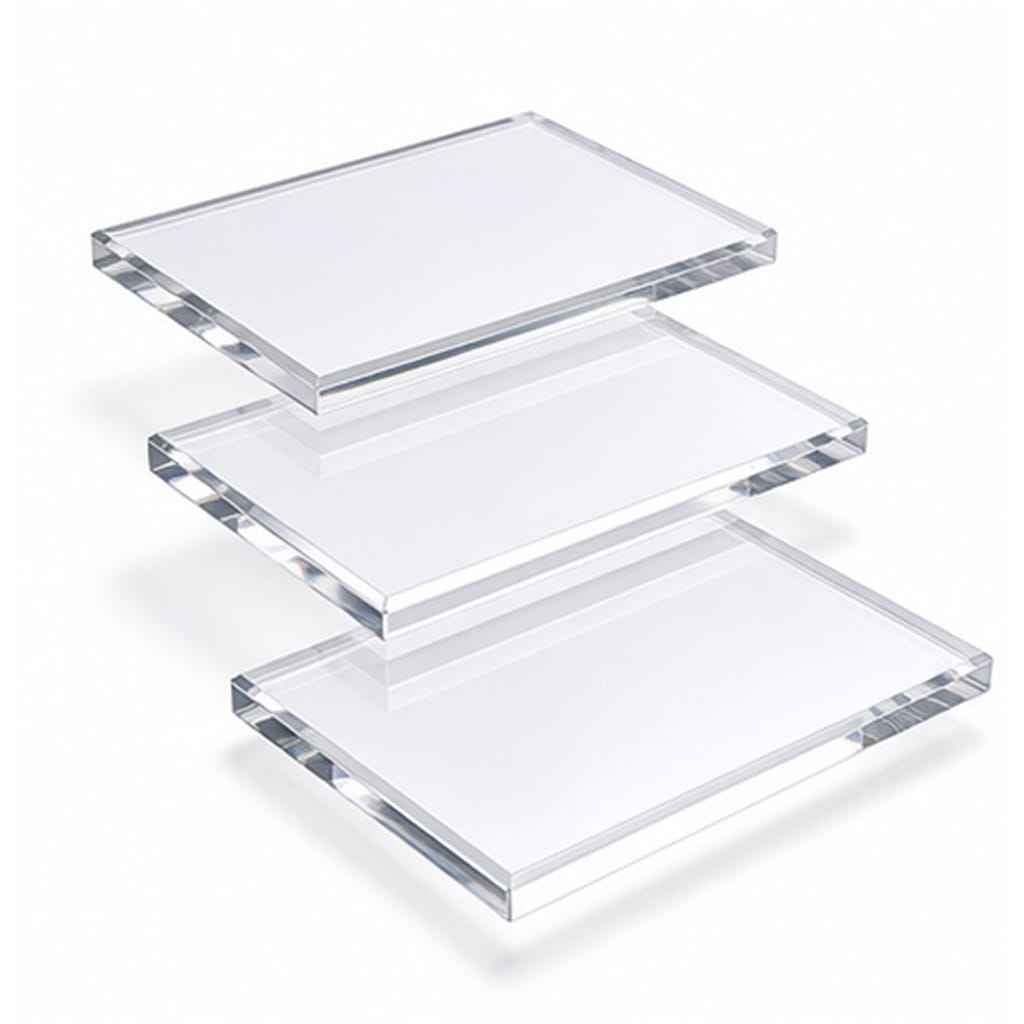
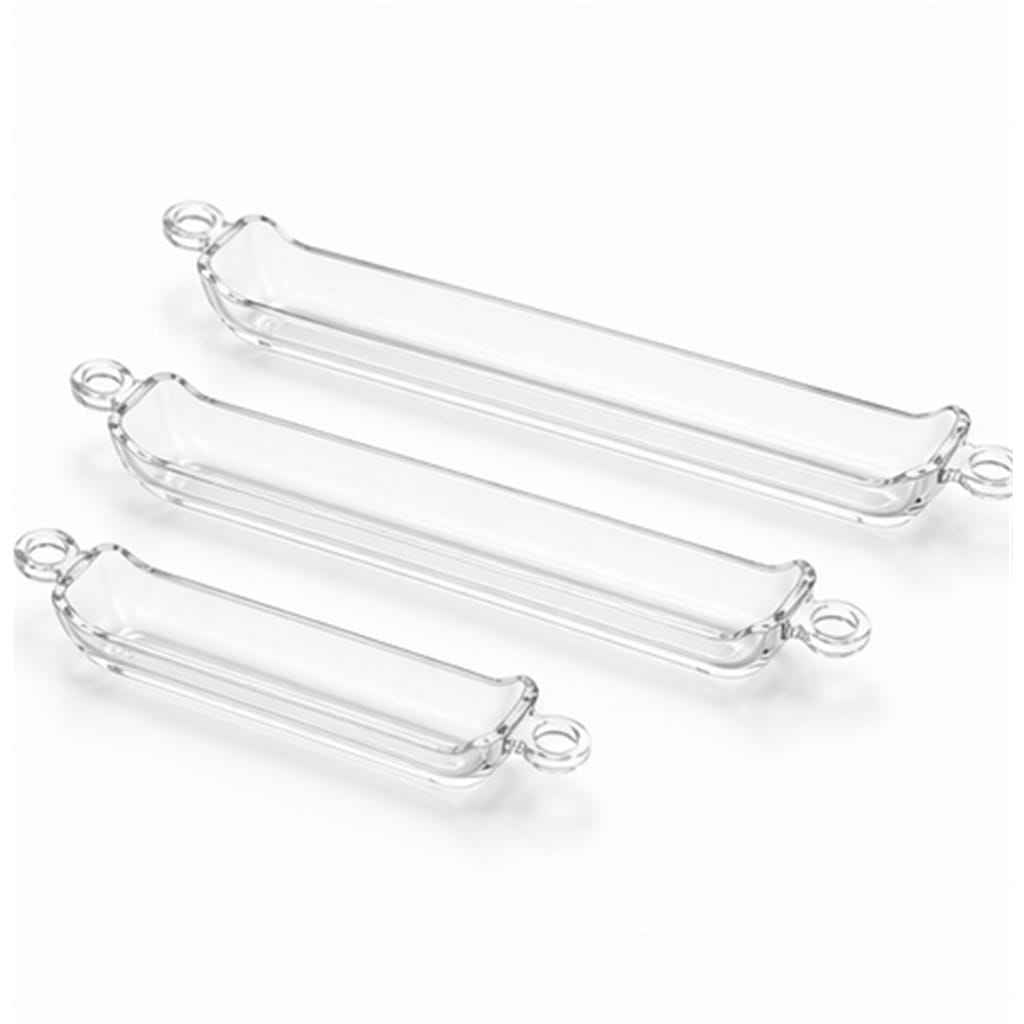
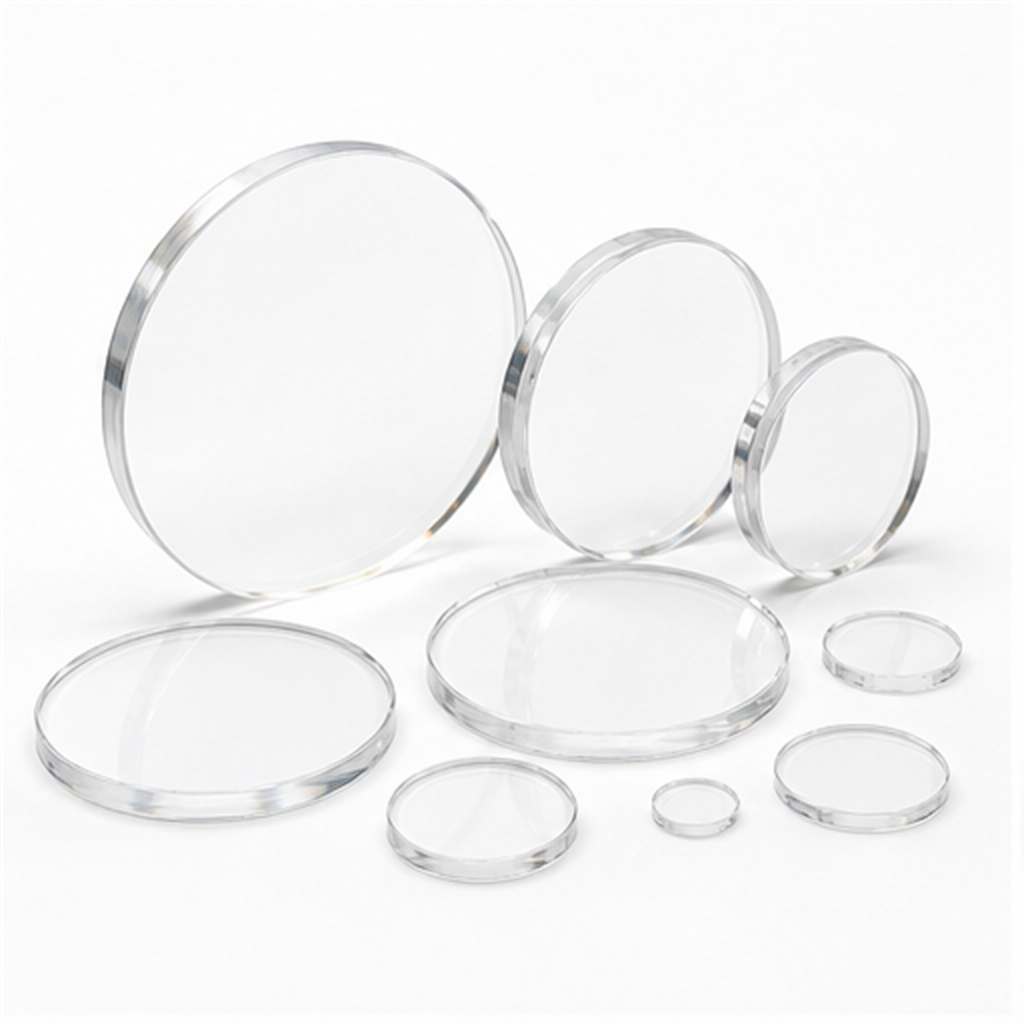
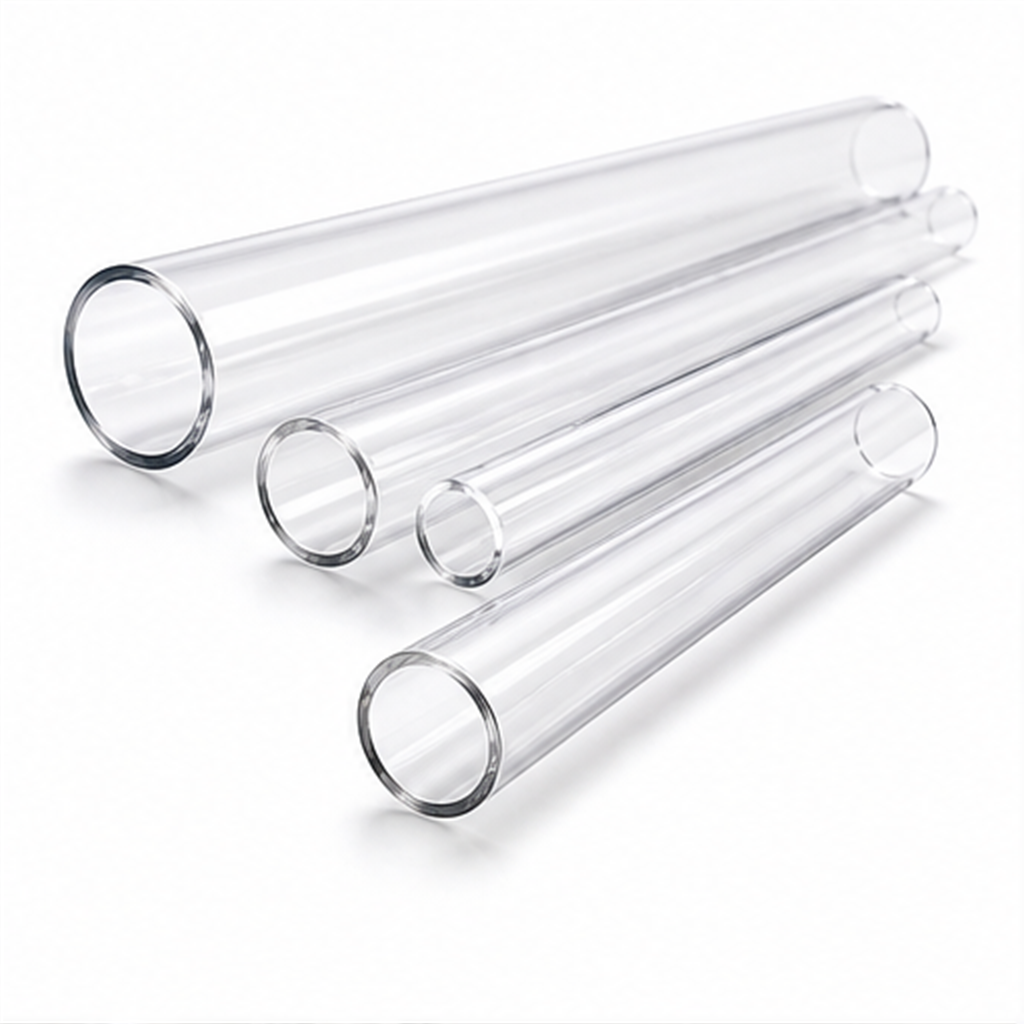
Pyongyang Market Demand for High-Purity Fused Quartz Flanges
The industrial landscape in the Pyongyang region—encompassing scientific research institutes under the State Academy of Sciences, specialized high-tech manufacturing complexes, metallurgical facilities, and chemical synthesis plants—requires robust thermal and optical glass components capable of operating reliably under demanding thermal and physical stresses. Central to these high-precision systems are quartz glass flanges and flanged fused silica process tubes, which serve as critical sealing interfaces for high-vacuum, high-purity, and high-temperature processing chambers.
As industrial research and manufacturing processes in Pyongyang advance toward higher thermal efficiency and extreme chemical resistance, standard borosilicate glass components are frequently replaced by high-purity fused quartz (SiO2 ≥ 99.99%). Fused quartz flanges provide an extraordinary combination of near-zero thermal expansion (5.5 × 10⁻⁷ /°C), continuous service temperatures reaching 1100°C (with short-term peak tolerance up to 1450°C), superior optical clarity across UV, visible, and near-infrared spectral bands, and immunity to virtually all organic and inorganic acids (excluding hydrofluoric acid and concentrated phosphoric acid above 300°C).
For research labs at Kim Chaek University of Technology, pharmaceutical synthesis units in Pyongyang, and chemical processing facilities near Nampo, sourcing high-precision quartz flanges from verified original equipment manufacturers (OEMs) ensures operational safety, process repeatability, and zero risk of batch contamination from heavy metal trace elements.
Engineering Principles of Quartz Glass Flanges & Vacuum Interfaces
A quartz glass flange is a specialized terminal connection—either fused directly to a quartz process tube or fabricated as an independent sealing disc—designed to join quartz chambers with metal pipework, stainless steel vacuum manifolds, or mating quartz components. Unlike standard metal flanges, quartz flanges require rigorous engineering design to accommodate thermal stress distribution, localized mechanical clamping pressures, and glass-to-elastomer or glass-to-metal vacuum seals.
Technical Classification of Industrial Quartz Flanges
Donghai Kemzo Quartz Products Co., Ltd. manufactures five distinct structural flange profiles specifically calibrated for high-stress processing in the Pyongyang industrial market:
1. KF / NW Quick-Release Quartz Flanges
Engineered according to ISO-KF standards, these flanges feature a precision-ground tapered circumference with an internal O-ring centering groove. They allow ultra-fast assembly and disassembly using standard stainless steel wing-nut clamps, making them ideal for laboratory vacuum lines, analytical gas delivery, and mobile glass distillation assemblies in Pyongyang research institutes.
2. Flat Ground & Polished Ring Flanges
Featuring a optically flat, flame-polished or fine-ground sealing surface (flatness ≤ 2μm), these heavy-duty flanges are designed to mate with fluoropolymer (PTFE), Kalrez, or Viton gaskets. Widely specified for large-diameter vertical furnace tubes and acid digestion reactors where chemical purity must be maintained without metallic contact.
3. Bolted Metallic Collar Flanges (Lap-Joint Design)
For applications operating under positive internal pressure or moderate vacuum at elevated temperatures, fused quartz tubes are fabricated with an outward lip (flared rim). A split metallic backing ring (aluminum or stainless steel) clamps behind the quartz rim, distributing mechanical force evenly across the quartz shoulder without creating localized stress points.
4. Ground Ball & Socket Joint Flanges
Utilizing spherical male and female quartz joint surfaces, these flanged connectors allow minor angular misalignment (up to 15 degrees) in high-temperature gas manifold assemblies without compromising vacuum tightness or inducing mechanical shear stress on rigid quartz tubing.
Material Properties Comparison: Fused Quartz vs. Borosilicate Glass
When selecting flange hardware for high-tech processing in Pyongyang, engineers must evaluate the thermal and mechanical boundaries of candidate materials. The technical table below highlights why fused quartz remains the preferred material for high-reliability systems:
| Physical / Chemical Parameter | High-Purity Fused Quartz (Donghai Kemzo) | Borosilicate Glass 3.3 | Operational Impact in Pyongyang Labs |
|---|---|---|---|
| SiO2 Purity Content | ≥ 99.99 % | ~ 81 % | Prevents sodium/alkali metal leaching into semiconductor substrates. |
| Continuous Working Temp. | 1100 °C | 450 °C | Enables high-temperature annealing, CVD deposition, and combustion test processes. |
| Maximum Short-Term Temp. | 1450 °C | 500 °C | Sustains rapid thermal spikes without softening or sag. |
| Thermal Expansion (20-300°C) | 5.5 × 10⁻⁷ /°C | 3.3 × 10⁻⁶ /°C | Quartz exhibits 6x higher resistance to catastrophic thermal shock. |
| Softening Point | 1683 °C | 820 °C | Maintains dimensional stability under full structural load at red-hot heat. |
| Hydroxyl (OH) Content | < 5 ppm (Dry Grade) / < 30 ppm (Standard) | N/A | Low OH content prevents infrared absorption and sag at temperatures >1000°C. |
| Spectral Transmittance (UV-Vis) | > 90% (200 nm to 2500 nm) | Cutoff at ~ 310 nm | Crucial for UV photo-curing, UV-Vis spectroscopy, and optical pyrometry viewports. |
Localized Application Scenarios in Pyongyang's Industrial Ecosystem
As industrial modernization expands across Pyongyang and neighboring industrial zones, Donghai Kemzo Quartz Products Co., Ltd. provides customized quartz flange components tailored to four primary localized sector applications:
1. Semiconductor & Microelectronics Research Laboratories
In state research institutes near Pyongyang focused on microelectronics, thin-film wafer fabrication, and vacuum coating, flanged quartz diffusion tubes and CVD process vessels are indispensable. Flanged ends allow airtight connection to stainless steel mass flow controllers (MFCs) and vacuum turbomolecular pumps. Kemzo's high-purity quartz ensures zero trace iron, copper, or boron contamination during silicon thermal oxidation or planar doping runs.
2. High-Purity Pharmaceutical & Fine Chemical Distillation
Pharmaceutical production units in Pyongyang, such as the PyongSu Joint Venture Plant and regional chemical synthesis facilities in Nampo, utilize heavy-walled quartz reactors and flanged fractional distillation columns. Quartz flanges equipped with chemically inert PTFE-encapsulated O-rings withstand boiling nitric acid, sulfuric acid, and organic solvents, eliminating metallic corrosion risks and guaranteeing ultra-pure chemical output.
3. High-Temperature Metallurgical & Material Testing Furnaces
At Kim Chaek University of Technology and affiliated metallurgical research centers, testing novel alloy compositions, refractory ceramics, and high-temperature catalysts requires horizontal atmosphere-controlled tube furnaces. Fused quartz furnace tubes with water-cooled stainless steel end-flanges allow precise control over vacuum levels and inert gas purging (Argon/Nitrogen) up to 1200°C without flange degradation.
4. Optical Spectroscopy & Environmental Monitoring Instrumentation
Environmental analysis laboratories across Pyongyang monitoring air, water, and soil quality require precision optical cuvettes, sight glass viewports, and flanged quartz absorption cells. Kemzo supplies optical-grade quartz windows with polished surface quality (20/10 scratch-dig) and wave-front distortion ≤ λ/4, enabling high-sensitivity spectrophotometry and infrared pyrometry.
Pyongyang Market Supply Chain & Sourcing Intelligence
Procuring fragile, high-purity technical glassware for industrial projects in Pyongyang requires specialized manufacturing expertise, robust quality assurance protocols, and smooth cross-border trade execution. Understanding local buyer priorities ensures seamless transaction delivery:
Key Supply Chain Dynamics for Pyongyang Quartz Procurement:
- Raw Material Lineage: Sourced directly from Donghai County, Jiangsu Province—known globally as China's crystal capital—providing direct cost control over high-grade silica sand and short raw material lead times.
- Drawing-to-Part Customization (OEM/ODM): Ability to fabricate custom quartz flange geometries based on legacy Soviet (GOST), Japanese (JIS), or European (DIN) mechanical equipment blueprints frequently found in Pyongyang's industrial plants.
- Vibration-Proof Export Packaging: High-purity quartz flanges and long process tubes are individually encapsulated in shock-absorbing EPE foam, sealed inside moisture-proof poly-bags, and encased in reinforced export wooden crates to survive cross-border truck or rail transit via Dandong-Sinuiju to Pyongyang.
- Quality Traceability & Certification: Every production batch is subjected to polariscope internal stress testing, dimensional laser verification, and optical transmittance testing, accompanied by ISO 9001 quality compliance reports.
Why Choose Donghai Kemzo Quartz Products Co., Ltd.
Founded in 2011, Donghai Kemzo Quartz Products Co., Ltd. is a recognized Jiangsu High Technology Enterprise operating an ISO 9001 certified manufacturing plant in Donghai County, Lianyungang, China. Over more than 11 years of dedicated quartz fabrication, Kemzo has established a global reputation as a primary supplier of transparent quartz tubes, crucibles, plates, rods, diffusion vessels, and custom quartz glass flanges.
Precision Fabrication
Equipped with advanced CNC optical grinding centers, glass lathes, ultrasonic drilling units, and flame-fusion welding stations capable of maintaining wall thickness tolerances within ±0.1mm and flange surface flatness to optical standards.
Complete Stress Relief
All welded quartz flanges and custom glass assemblies undergo computer-controlled annealing furnace cycles at 1150°C to relieve residual thermal stress, eliminating spontaneous cracking risks during high-temperature client operation.
Rapid Engineering Response
Our dedicated international sales engineering team provides full drawing reviews, feasibility assessments, and commercial quotes within 1 hour, supporting small-batch prototyping through volume production runs.
Frequently Asked Questions by Pyongyang Buyers
Technical and procurement answers addressing common operational inquiries from industrial buyers and laboratory researchers in Pyongyang.
Q1: What is the maximum continuous working temperature for Kemzo quartz flanges?
Q2: How do you prevent vacuum leaks at the junction between a quartz flange and metal vacuum piping?
Q3: Can Kemzo fabricate replacement quartz flanges based on legacy machinery drawings in Pyongyang?
Q4: How does fused quartz compare to synthetic fused silica for optical and flange applications?
Q5: What protective packaging measures are taken for export shipments to Pyongyang?
Q6: What payment and trade delivery terms are supported for international orders?
Require Precision Quartz Flanges or Custom Glassware in Pyongyang?
Send your engineering drawings, required dimensions, or operating environment details directly to our technical team. Receive expert design feasibility evaluation, quartz grade recommendation, and competitive factory-direct pricing within 1 hour.