Featured Industrial & Optical Quartz Products
Precision-engineered high-purity fused quartz components available for direct export to Freeport industrial operators, OEMs, and laboratory facilities.
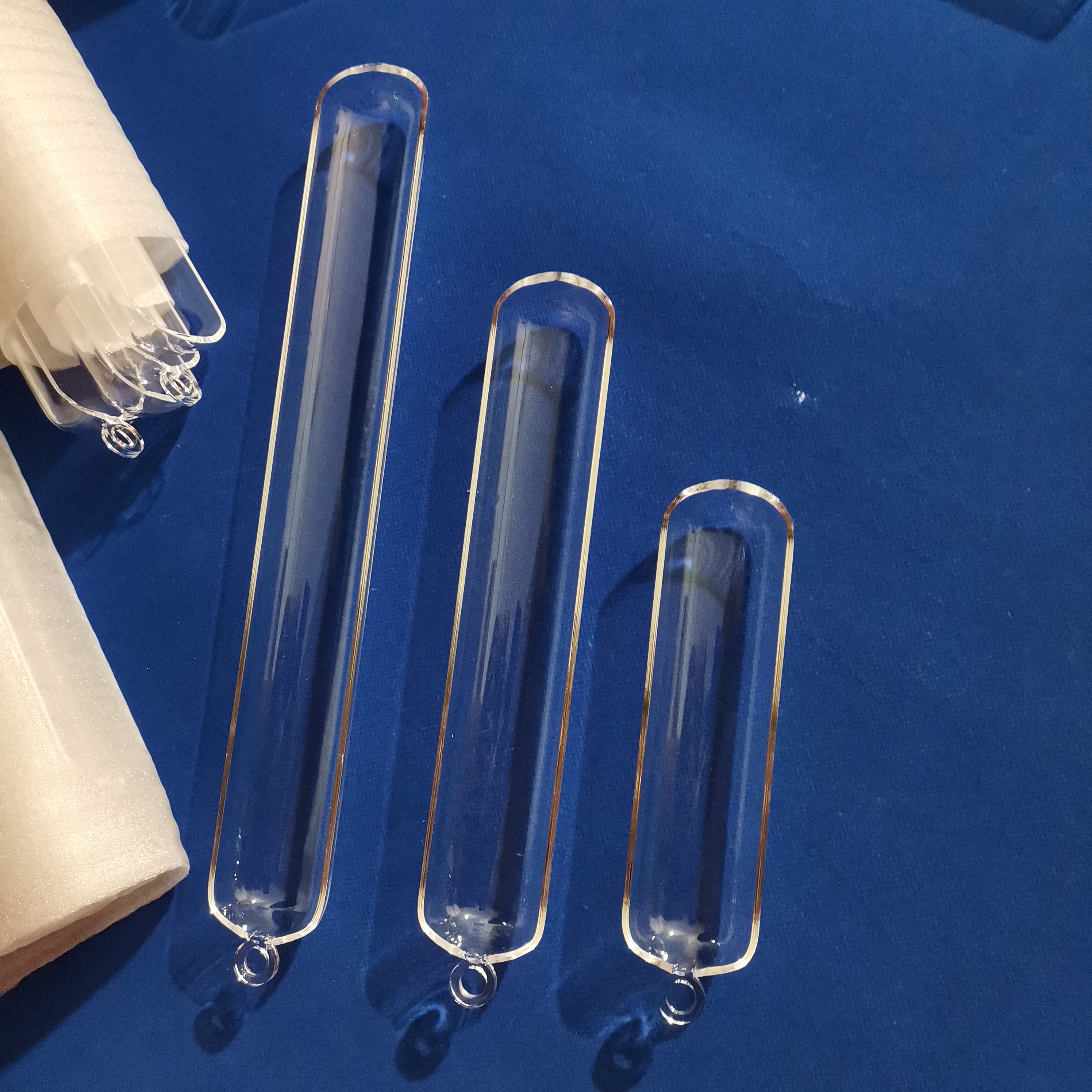
High Purity Quartz Glass Boat Transparent Bowl Shape 6-16 Chemical Industry Experimental Equipment
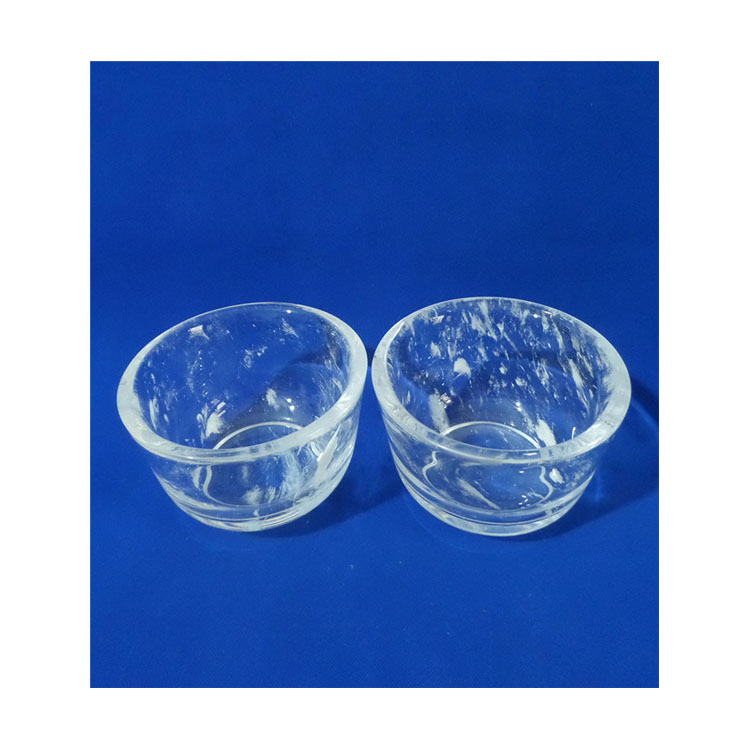
High Temperature Resistant Quartz Glass Circular Silica Custom Size Cutlery Use
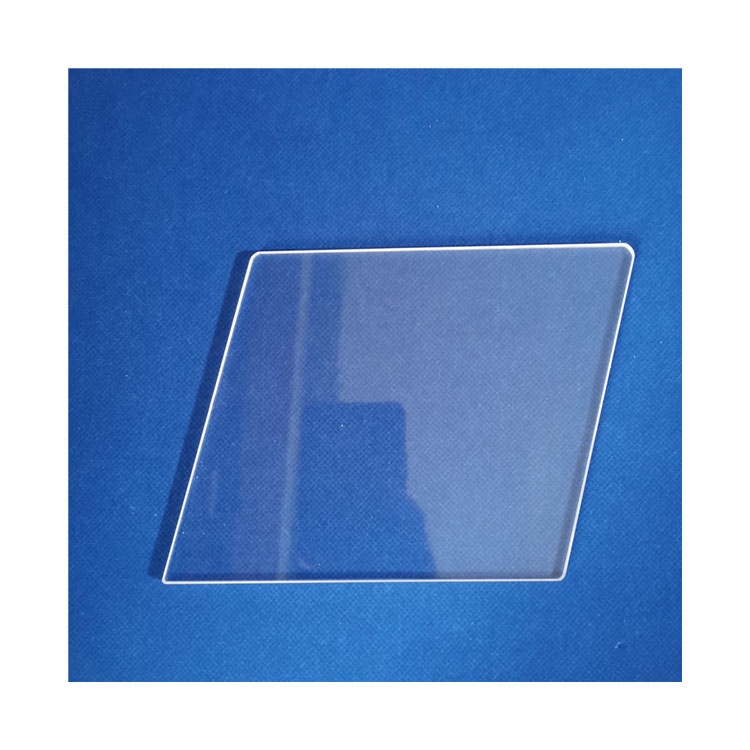
Clear Fused Silica Quartz Glass Plate Transparent Square 0.5-100mm for Optical Semiconductor Industry
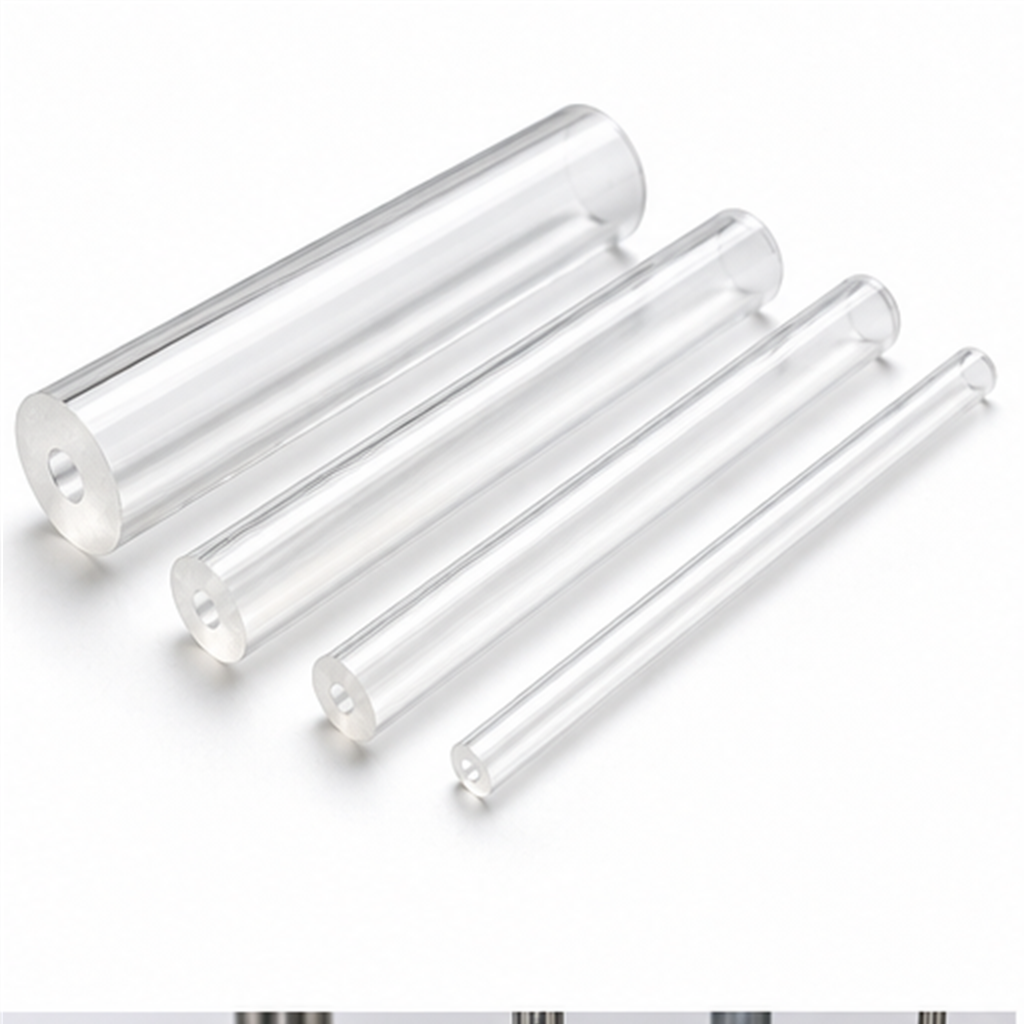
High Purity Heavy Wall Small Bore Quartz Glass Tube Flat Cut Unpolished
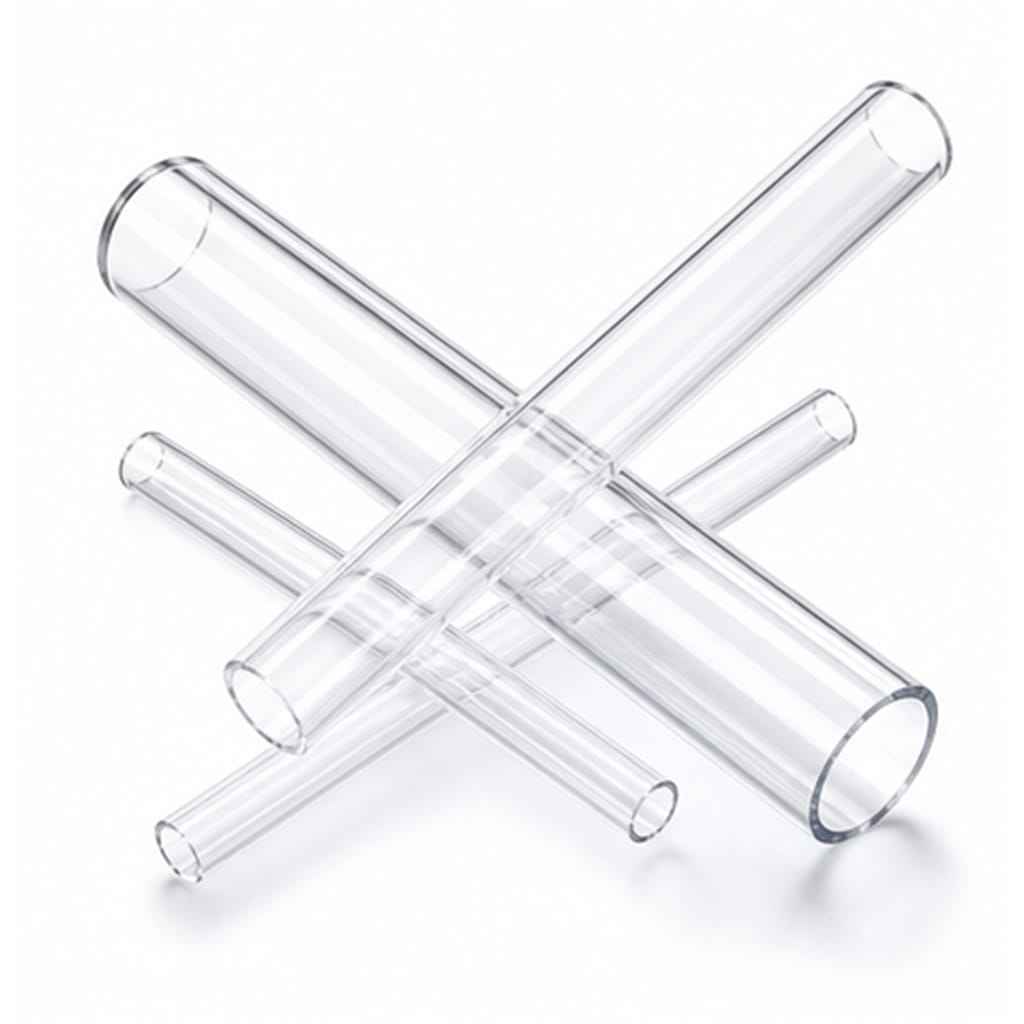
Precision Flat-Cut Fused-Quartz Straight Process Tubes with 90-Degree Squared Ends for Vacuum CVD Chambers
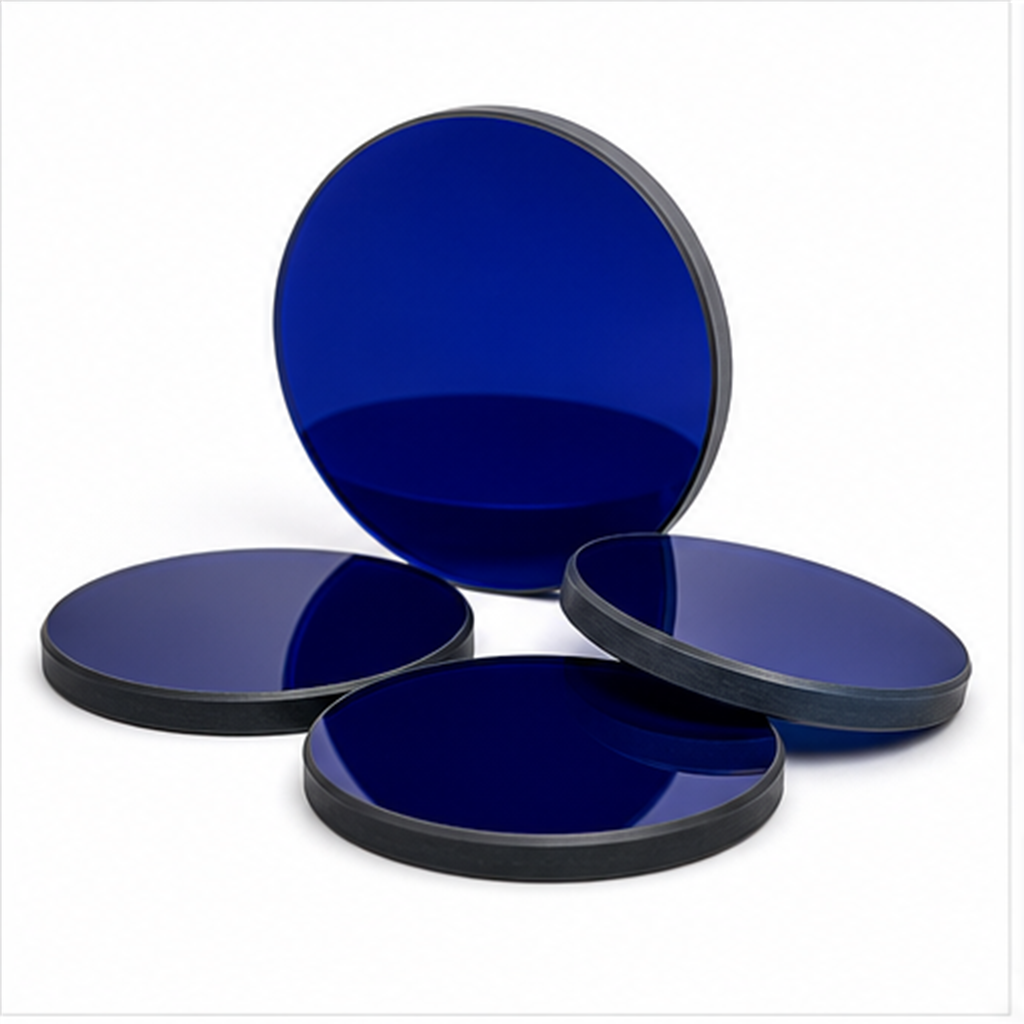
Optical Cobalt Blue Glass Disc Circular Filter Furnace Sight Glass Window
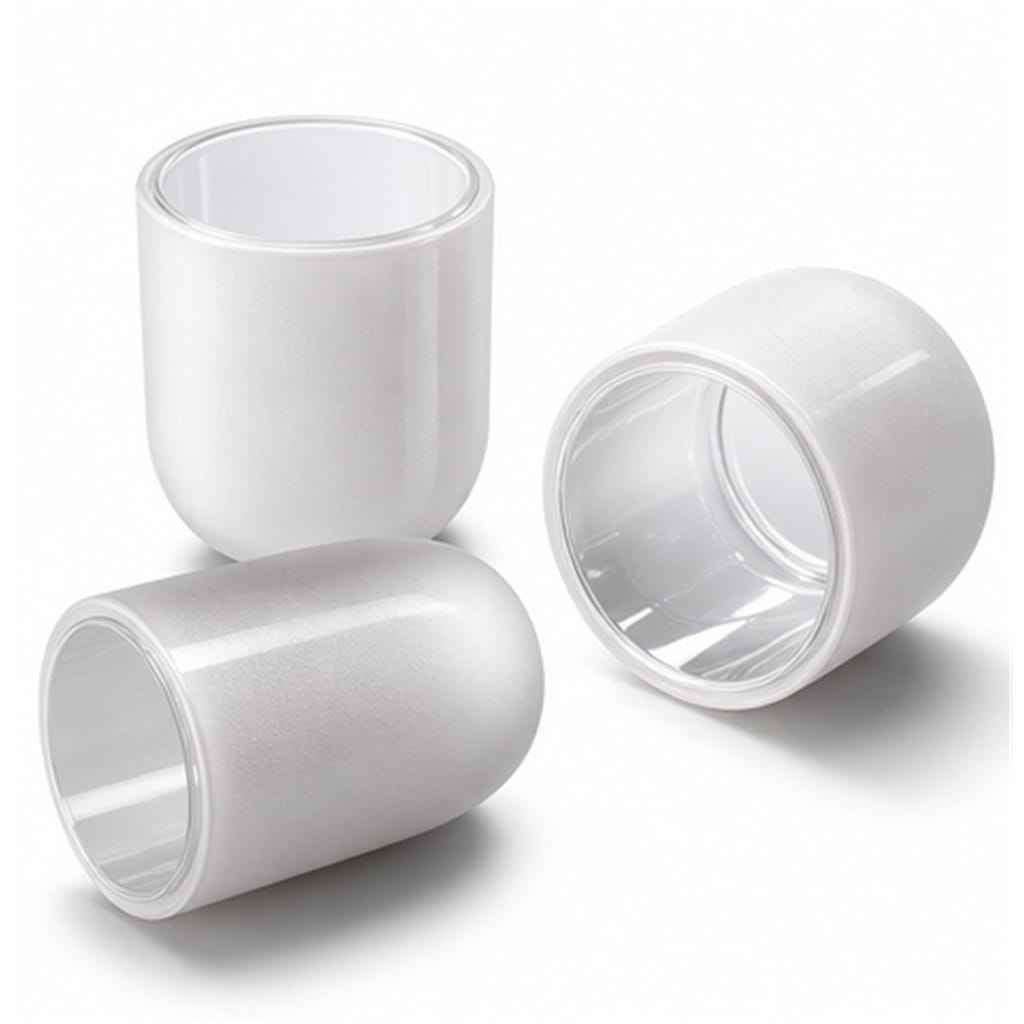
4-Inch US Quartz Sand Fused Crucibles with Fire-Polished Rim for High-Temperature Semiconductor Ingot Melting
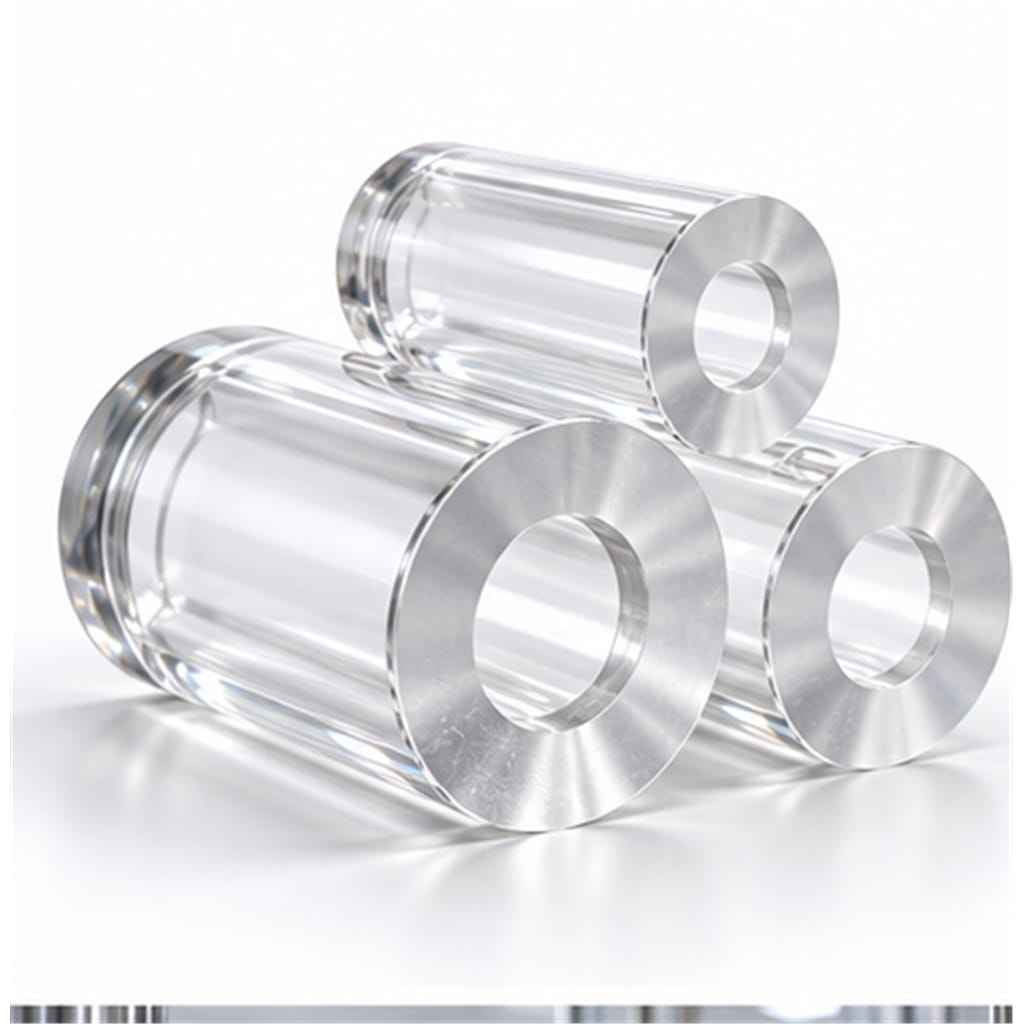
Heavy-Wall Fused-Quartz Cylindrical Pressure Tubes with Squared Ends for High-Pressure Autoclave Sight Glass
Technical Whitepaper: Engineering Quartz Glass Light Guide Rods for Heavy Industry
A Comprehensive Guide to Optical Waveguiding, Total Internal Reflection Physics, Thermal Resilience, and Material Selection for Freeport Industrial Operations
In modern industrial manufacturing, petrochemical processing, maritime engineering, and advanced optical sensing, the transmission of high-density electromagnetic radiation—ranging from deep ultraviolet (DUV) wavelengths at 185 nm to near-infrared (NIR) spectrums beyond 2500 nm—demands structural materials capable of enduring extreme thermal, mechanical, and chemical stress. Quartz glass light guide rods (also termed fused silica light guide sticks or optical waveguiding cylinders) represent the apex solution for delivering uniform, unattenuated light through hostile operational environments where conventional optical fibers or borosilicate components degrade, devitrify, or shatter.
Core Optical Mechanics: Total Internal Reflection (TIR) & Numerical Aperture
The core mechanism behind a high-purity quartz glass light guide rod relies on Total Internal Reflection (TIR). When light enters the optically flat, polished end-face of a cylindrical fused quartz rod at an angle within the acceptance cone, it travels along the length of the rod through successive lossless internal reflections at the cylindrical surface boundary, provided the surrounding medium (air, vacuum, or specialized cladding) possesses a lower refractive index ($n_2$) than the fused quartz core ($n_1$).
The mathematical foundation governing light propagation through our manufactured quartz light guide rods is defined by Snell's Law and the critical angle ($\theta_c$):
$$\sin(\theta_c) = \frac{n_2}{n_1}$$
For high-purity synthetic fused silica (JGS1) operating in air ($n_2 \approx 1.0003$) at a wavelength of 589.3 nm ($n_1 \approx 1.4585$), the critical angle is approximately 43.3°. Light rays striking the internal side-walls at angles greater than $\theta_c$ suffer zero theoretical optical loss, making solid quartz light guide rods exponentially more efficient for high-power laser delivery, UV curing, and localized spectral lighting than bundled multi-strand glass fibers that suffer from fill-factor packing losses (interstitial air gaps between circular fibers).
Material Selection: JGS1, JGS2, and JGS3 Fused Quartz Classifications
Selecting the optimal quartz material grade directly influences light guide efficiency, laser damage threshold (LDT), thermal shock limits, and long-term solarization resistance. At Donghai Kemzo Quartz Products Co., Ltd., we categorize our precision-drawn light guide rods into three primary material grades:
- JGS1 (Synthetic Fused Silica / Synthetic Quartz): Synthesized via chemical vapor deposition (CVD) using silicon tetrachloride ($\text{SiCl}_4$). It is virtually free of metallic impurities ($\text{Fe}, \text{Al}, \text{Ti}, \text{Na} < 0.1 \text{ ppm}$) and exhibits exceptional spectral transmission in the deep ultraviolet spectrum (185 nm – 400 nm). JGS1 light guide rods resist UV solarization, making them the industry standard for industrial UV curing, semiconductor photolithography, and fluorescence spectroscopy in Freeport chemical laboratories.
- JGS2 (High-Purity Fused Quartz from Natural Crystal): Melted from refined natural quartz sand sourced directly from Donghai, the premier quartz reserve in China. JGS2 provides superior mechanical strength, an elevated continuous thermal resistance rating of up to 1100°C, and exceptional optical transparency across the visible spectrum (380 nm – 780 nm) and near-infrared ranges. It offers an economical, highly durable solution for furnace sight guides, pyrometry light pipes, and industrial liquid level sensors.
- JGS3 (Infrared Grade Optical Quartz Glass): Produced under specialized vacuum-melting processes that drastically minimize hydroxyl ($\text{OH}^-$) radical content down to $< 2 \text{ ppm}$. While standard quartz displays an absorption dip around the 2.73 $\mu\text{m}$ wavelength due to fundamental $\text{O-H}$ vibrational stretching, JGS3 eliminates this attenuation, permitting continuous optical transmission through the near-infrared spectrum up to 3500 nm.
Surface Figure, End-Face Geometry, and Flame Polishing Engineering
The overall optical transmittance of a light guide rod is heavily contingent upon its surface finish and edge chamfering. Scratches, micro-cracks, or surface roughness ($R_a$) greater than a fraction of the wavelength cause frustrated total internal reflection (FTIR), scattering light out through the cylindrical walls and diminishing output intensity.
Kemzo Quartz utilizes proprietary double-sided planetary polishing and high-temperature flame annealing techniques. Our standard specification delivers end-face surface flatness within 1/4 wavelength ($\lambda/4$ at 632.8 nm) and scratch-dig specifications of 40/20 or 20/10 according to MIL-PRF-13830B standards. The cylindrical sides can be supplied with a diamond-ground finish (for light diffusing applications) or fully fire-polished to achieve an $R_a < 0.5 \text{ nm}$ mirror finish, preserving maximum flux transmission.
Key Physical & Optical Properties Matrix
Comprehensive engineering parameters for Kemzo Quartz Light Guide Rods utilized by industrial procurement teams and design engineers.
| Physical / Optical Property | JGS1 (Synthetic Silica) | JGS2 (Natural Fused Quartz) | JGS3 (IR Grade Silica) |
|---|---|---|---|
| Primary Spectral Band | 185 nm – 2500 nm (DUV / UV) | 220 nm – 2500 nm (UV / VIS) | 260 nm – 3500 nm (VIS / NIR) |
| Hydroxyl ($\text{OH}^-$) Content | 1200 – 1500 ppm (High OH) | 100 – 300 ppm (Standard OH) | < 2 – 5 ppm (Low OH) |
| Density | 2.201 g/cm³ | 2.203 g/cm³ | 2.200 g/cm³ |
| Refractive Index ($n_d$, 589.3 nm) | 1.4585 | 1.4585 | 1.4585 |
| Coefficient of Thermal Expansion | 5.5 × 10⁻⁷ / °C (20°C - 320°C) | 5.5 × 10⁻⁷ / °C (20°C - 320°C) | 5.4 × 10⁻⁷ / °C (20°C - 320°C) |
| Softening Point | ~1730 °C | ~1683 °C | ~1700 °C |
| Max Continuous Operating Temp | 1100 °C | 1100 °C | 1150 °C |
| Short-Term Peak Temperature | 1350 °C | 1450 °C | 1400 °C |
| Thermal Shock Resistance | Quench from 1100°C to 20°C H₂O without cracking | Quench from 1100°C to 20°C H₂O without cracking | Quench from 1100°C to 20°C H₂O without cracking |
| Chemical Resistance | Inert to all acids (except HF & >300°C H₃PO₄) | Inert to all acids (except HF & >300°C H₃PO₄) | Inert to all acids (except HF & >300°C H₃PO₄) |
Localized Application Scenarios Serving the Freeport Market
How Kemzo Quartz Light Guide Rods and Optical Components directly empower key industrial sectors across Freeport's port, energy, chemical processing, and maritime ecosystems.
Petrochemical & Refining Process Monitoring
As a global hub for chemical synthesis, LNG export terminals, and petroleum refining, Freeport processing units require explosion-proof, non-electrical monitoring systems. Kemzo quartz light guide rods act as intrinsic optical conduits, routing laser absorption spectroscopy and Raman probe signals into high-pressure reaction vessels without thermal degradation or electrical ignition risk.
Offshore Marine & Severe Salt Corrosion Sensing
The coastal marine environment around Freeport subjects equipment to intense salt spray, high moisture, and atmospheric oxidation. Quartz glass light guide rods are completely immune to chemical oxidation, chloride pitting, and marine atmospheric stress corrosion cracking, ensuring 100% operational uptime for optical turbidity meters and marine fuel analysis devices.
Industrial UV Curing & Coating Polymerization
Industrial manufacturing facilities in the Freeport region utilize high-power UV light guide rods to deliver concentrated 254 nm and 365 nm ultraviolet radiation into narrow internal pipes, valve cavities, and structural welds. Our JGS1 synthetic quartz rods resist solarization, providing consistent UV curing dosage over thousands of continuous operating hours.
High-Temperature Furnace Sight & Pyrometry Light Pipes
In heavy metallurgical smelting, ceramic kilns, and glass production units near Freeport, direct temperature measurement of molten charges requires solid quartz light pipes. Able to withstand thermal spikes up to 1450°C and sudden cold air quenching, Kemzo light guide rods safely channel infrared thermal radiation directly to pyrometer detectors located in cool safety zones.
Wastewater Disinfection & Fluid Diagnostics
Municipal and industrial water treatment installations in Freeport use quartz sleeves, custom quartz light pipes, and heavy-wall quartz flow tubes to route germicidal UV-C light through liquid streams. Fused silica’s resistance to biofouling adhesion and acidic wash chemicals guarantees long service lifecycles without clouding or surface leaching.
Semiconductor Wafer Processing & CVD Chamber Components
Freeport technology suppliers requiring cleanroom-ready quartz components rely on Kemzo’s precision flat-cut process tubes, quartz boats, and optical light guides. With ultra-low trace element contaminants, our components prevent sodium ($\text{Na}$) and heavy metal contamination during high-temperature silicon oxidation and epitaxial growth.
Strategic Local Market Trends Driving Quartz Demand in Freeport
Industry evolution, automation shift, and environmental compliance standards transforming optics and quartz material selection.
The industrial landscape in Freeport is undergoing a rapid modernization phase, driven by three major structural trends: the transition toward automated real-time process analytical technology (PAT), stringent environmental monitoring regulations, and the expansion of clean energy hydrogen and LNG infrastructure.
1. Real-Time Optical Process Analytical Technology (PAT) Integration
Petrochemical refiners and specialty chemical synthesizers in the Freeport industrial zone are replacing manual batch sampling with continuous inline optical spectroscopy. Installing infrared and ultraviolet quartz light guide rods into high-pressure reactor manifolds enables continuous real-time measurement of reactant concentrations, viscosity, and chemical purity. This shift eliminates operator exposure to hazardous chemical reagents while reducing batch processing time by up to 18%.
2. Fiber-to-Rod Hybrid Couplers in Hazardous Explosion-Proof Zones
Under OSHA and ATEX safety directives, bringing electrical diagnostic wiring into Class 1, Division 1 explosion-hazardous atmospheres carries significant risk. Plant designers in Freeport are increasingly deploying hybrid optical routing systems: flexible fiber optic cables transport light from safe control rooms to the boundary of hazardous zones, where they couple with solid, explosion-proof fused quartz light guide rods mounted through wall penetrations. The solid quartz rod provides an unbreakable, non-conductive, pressure-sealed optical window into the process core.
3. Adoption of High-Fluence UV-C LED Curing and Disinfection Systems
With global environmental mandates phasing out mercury vapor lamps, industrial manufacturers in Freeport are rapidly transitioning to narrow-band UV LED array modules (275 nm – 365 nm). However, LED arrays require precise beam-shaping and homogenizing optics to eliminate hotspots. Kemzo’s custom hexagonal and square-profile quartz light guide rods act as superior optical integrators (homogenizers), mixing uneven light rays into a uniform rectangular flux field for high-speed industrial coating lines.
Donghai Kemzo Factory Advantages & Precision Capabilities
Why leading international buyers and engineering procurement teams choose Donghai Kemzo Quartz Products Co., Ltd. as their long-term supply partner.
Direct Source-Region Material Advantage
Located in Donghai County, Jiangsu Province—world-renowned as China’s crystal and quartz capital—Kemzo Quartz maintains direct raw material selection control. This strategic position guarantees uncompromised silica raw material purity, stable cost structure, and immediate production scaling for high-volume orders.
11+ Years Precision OEM/ODM Engineering
Since 2011, our facility has specialized in custom drawing customization (OEM/ODM). Equipped with 5-axis CNC ultrasonic machining centers, precision glass lathes, optical grinding beds, and automated flame-polishing units, we execute strict dimensional tolerances down to ±0.01 mm.
ISO 9001 Certified Quality Assurance
Recognized as a Jiangsu High Technology Enterprise, our plant operates under a rigorous ISO 9001 quality management framework. Every quartz batch undergoes polariscopic stress inspection, laser spectrophotometric transmission verification, and 100% dimensional measurement prior to cleanroom packing.
Frequently Asked Procurement Questions (FAQ)
Detailed technical and commercial answers for engineers, plant managers, and procurement personnel serving the Freeport industrial market.
What is the distinction between fused quartz light guide rods and synthetic fused silica rods?
Fused quartz is produced by melting purified natural rock crystal or quartz sand. It delivers exceptional thermal stability, high mechanical strength, and high continuous operating temperature ratings (up to 1100°C), making it ideal for sight glasses, pyrometry, and general industrial lighting. Synthetic fused silica (such as JGS1) is synthesized chemically from silicon tetrachloride ($\text{SiCl}_4$), resulting in extremely high chemical purity ($>99.9999\%$ $\text{SiO}_2$) and maximum optical transmission in the deep UV spectrum (185 nm – 260 nm) with superior solarization resistance.
What dimensional tolerances can Kemzo achieve for custom light guide rods?
Our standard manufacturing tolerance for outer diameter (OD) and length is ±0.05 mm. For high-precision optical applications, our CNC grinding and planetary polishing systems achieve tighter tolerances down to ±0.01 mm for diameter, end-face parallelism within <30 arcseconds, and surface roughness ($R_a$) under 0.5 nm.
Can your quartz light guide rods withstand direct thermal shock in furnace environments?
Yes. Fused quartz exhibits an ultra-low linear thermal expansion coefficient of only $5.5 \times 10^{-7} / \text{°C}$ (approximately 1/15th that of standard soda-lime glass and 1/6th that of borosilicate glass). As a result, a solid Kemzo quartz light guide rod can be heated to over 1100°C and immediately quenched in ice-cold water ($20\text{°C}$) without thermal cracking or structural spalling.
How do you protect fragile, long quartz rods from damage during sea and air shipping to Freeport?
Export packaging is a core operational priority. Every individual light guide rod is jacketed in anti-static protective film, encased in custom-molded high-density EVA shock-absorption foam chambers, and isolated from neighboring rods. The primary cartons are then sealed inside fumigated, ISPM-15 compliant export wooden crates reinforced with steel corner bracing to survive ocean container transport or express air freight into Freeport freight hubs.
What custom end-face configurations do you offer for light coupling?
We supply a wide range of custom end-face geometries including flat optical polish, 45° angled bevels for 90° beam redirection, spherical convex/concave focusing ends, domed diffuser finishes, ground matte diffusers, and custom antireflective (AR) optical thin-film coatings designed for specific laser wavelengths (e.g., 248 nm, 355 nm, 532 nm, 1064 nm).
What are your standard payment terms and international freight delivery options?
We accept flexible global payment terms including T/T (Telegraphic Transfer), L/C at sight, PayPal, and credit channels in USD, EUR, AUD, HKD, and CNY. We accommodate all international trade terms (Incoterms 2020) including FOB, CFR, CIF, EXW, DDU, DAF, and door-to-door express delivery (DHL/FedEx/UPS/TNT).
Need Precision Quartz Light Guide Rods or Custom Parts for Freeport Projects?
Submit your engineering drawings, required dimensions, operating temperature parameters, or sample specifications to our engineering team today. Receive a detailed technical feasibility review, material grade recommendation, and factory-direct quotation within 1 hour.