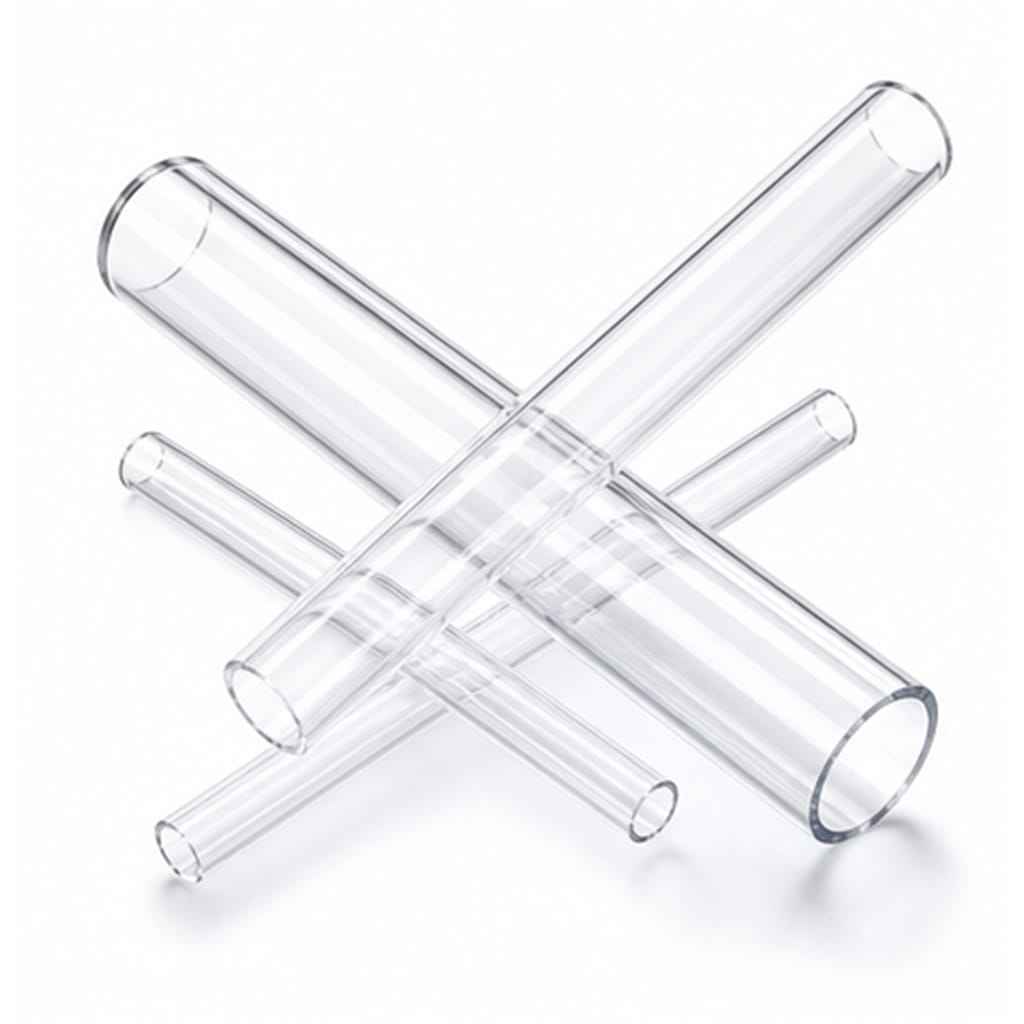
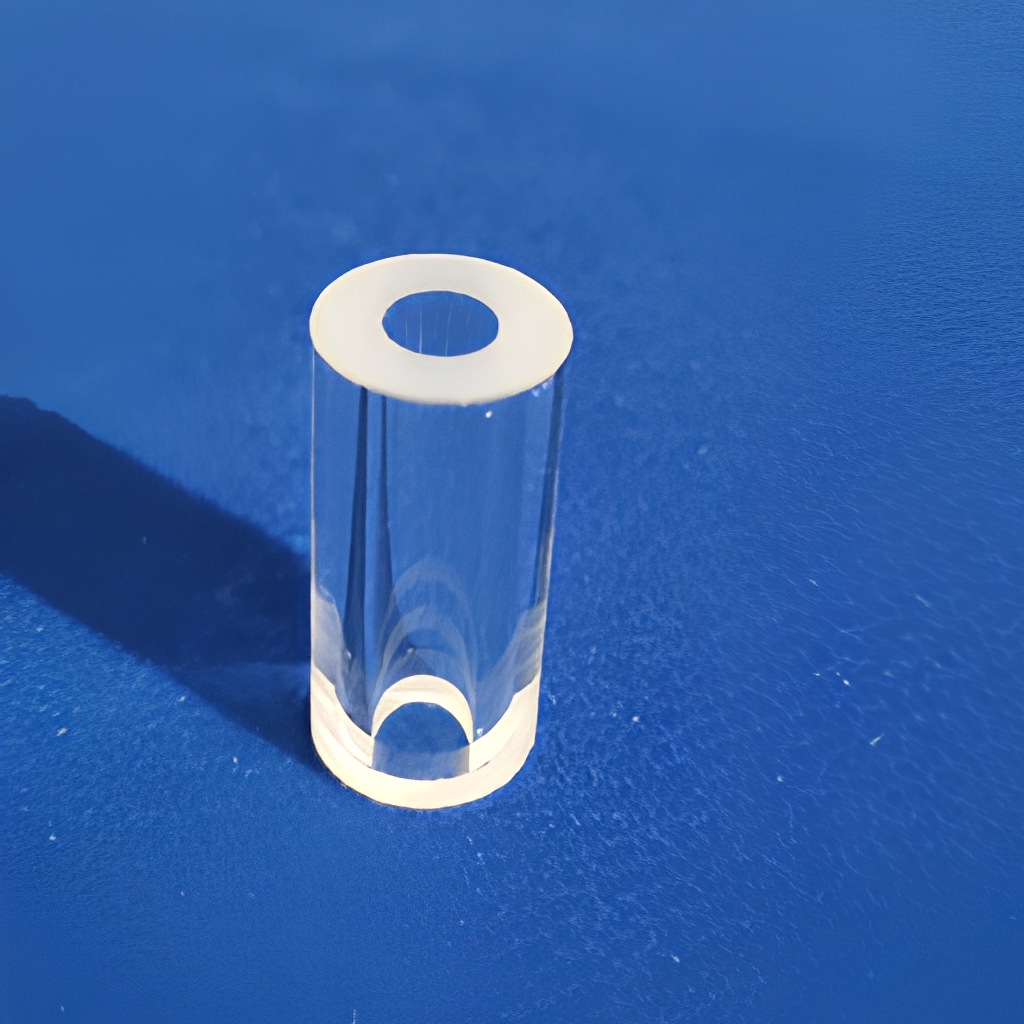
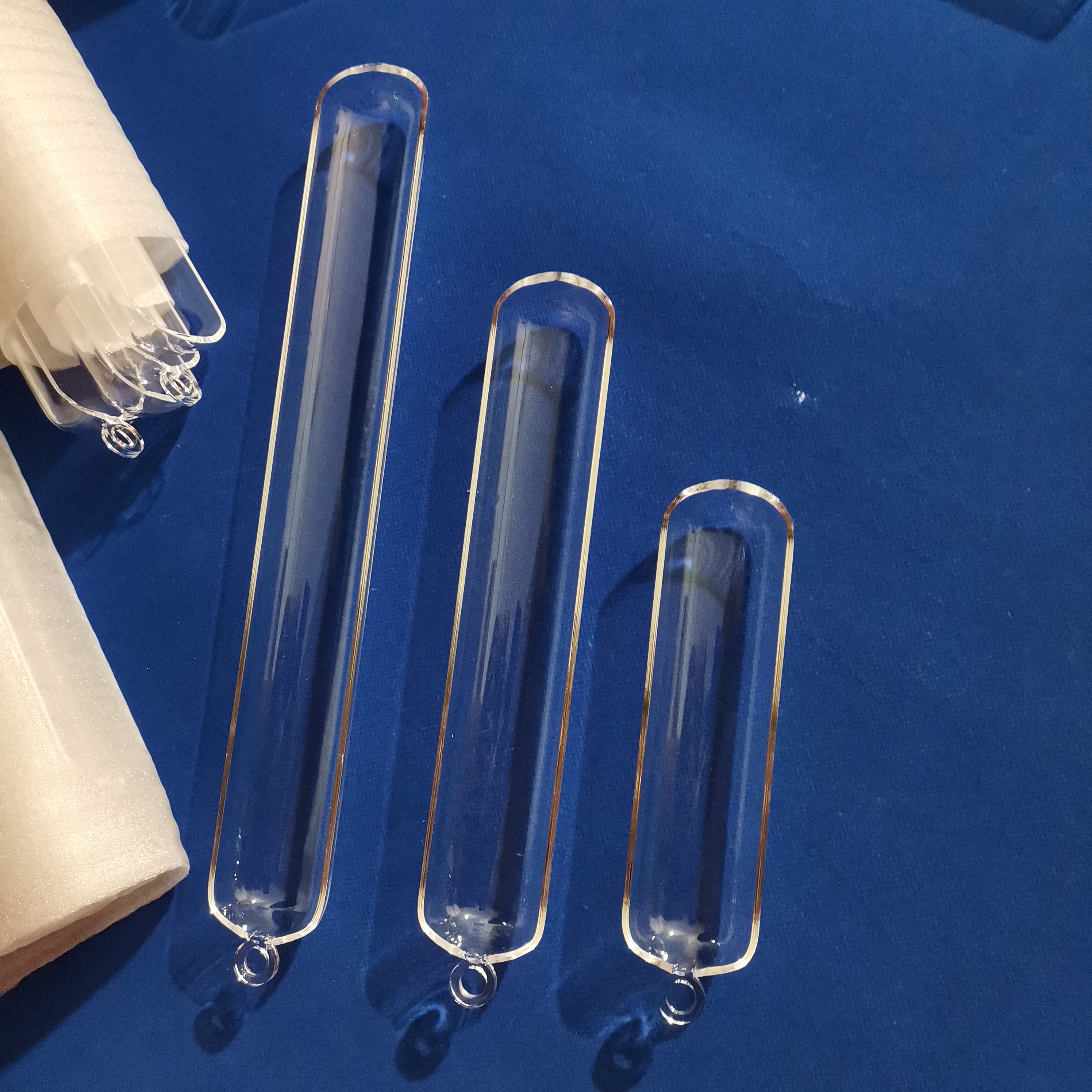
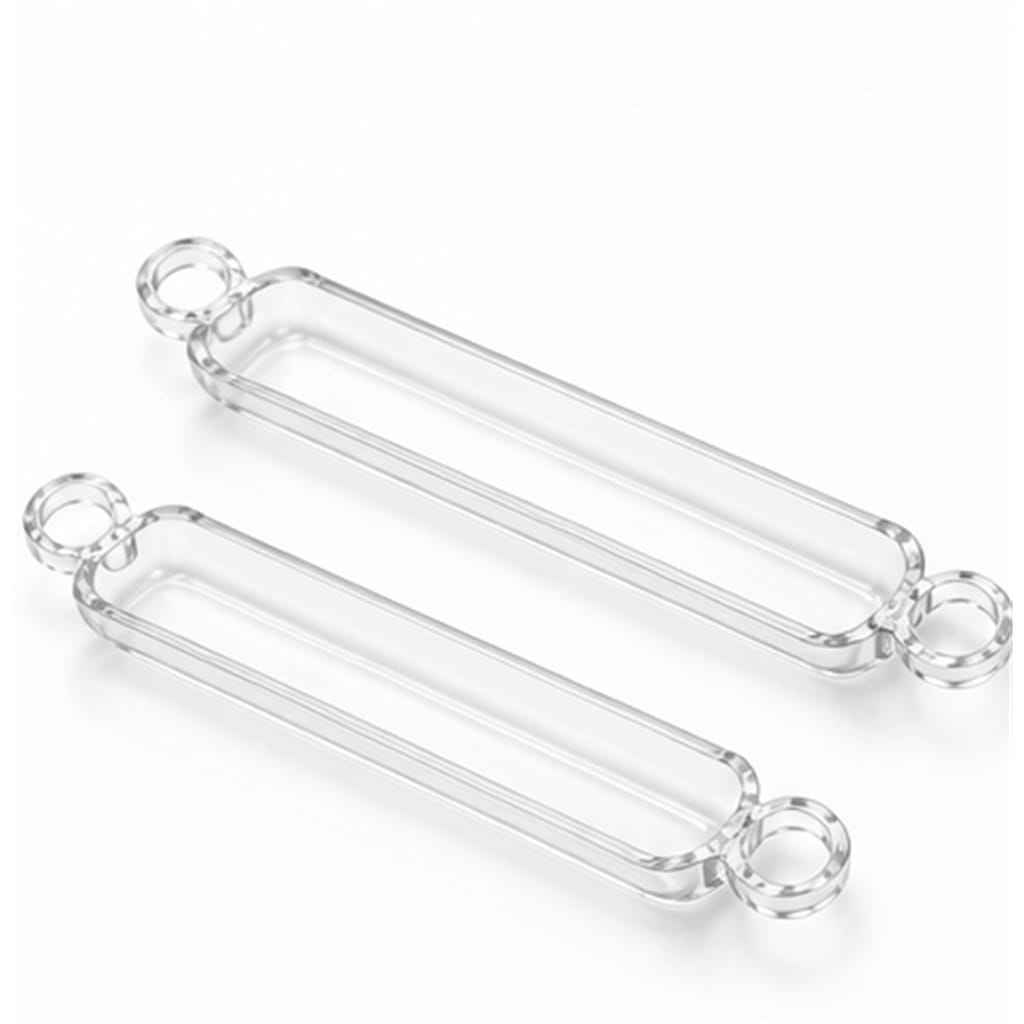
Why Fused Quartz Outperforms Technical Borosilicate in Critical Cleanrooms
Procurement engineers and process specialists across Heredia's medical technology and electronics sectors routinely encounter operating limitations when deploying conventional borosilicate 3.3 glassware in elevated thermal or aggressive chemical workflows. Fused quartz glass, produced by fusing naturally pure crystalline silica (SiO₂ ≥ 99.99%), provides fundamental material advantages that eliminate production downtime and contamination risks.
Unlike borosilicate, which incorporates boron trioxide and alkali fluxes that leach under aggressive acidic conditions, fused quartz is chemically inert to nearly all acids, including nitric, sulfuric, and hydrochloric solutions (with the exception of hydrofluoric and concentrated hot phosphoric acids). This structural purity prevents trace elemental migration into sensitive catheter coatings, fluid path extrusions, and microelectronic chip packages.
- Thermal Expansion Immunity: An exceptionally low coefficient of thermal expansion (CTE = 5.5 × 10⁻⁷ /°C), allowing rapid thermal cycling between 1100 °C and ambient room temperature without structural fracture.
- High UV & IR Transmittance: Transmission spectrum extending from the deep UV (185 nm) through the infrared range, making it mandatory for inline UV curing, disinfection manifolds, and radiant thermal heating.
- Dielectric Strength Under Temperature: High volume resistivity and low dielectric loss maintained up to 1000 °C, acting as an optimal insulator for high-frequency plasma and induction coils.