Specialized Fused Quartz Components for Mongolian Industries
Manufactured from ultra-pure natural quartz silica (≥99.99% SiO&sub2;) in Donghai, China. Our thermal shock-resistant quartz components withstand rapid temperature transitions from −40°C ambient cold up to 1450°C peak furnace processing without structural fatigue.
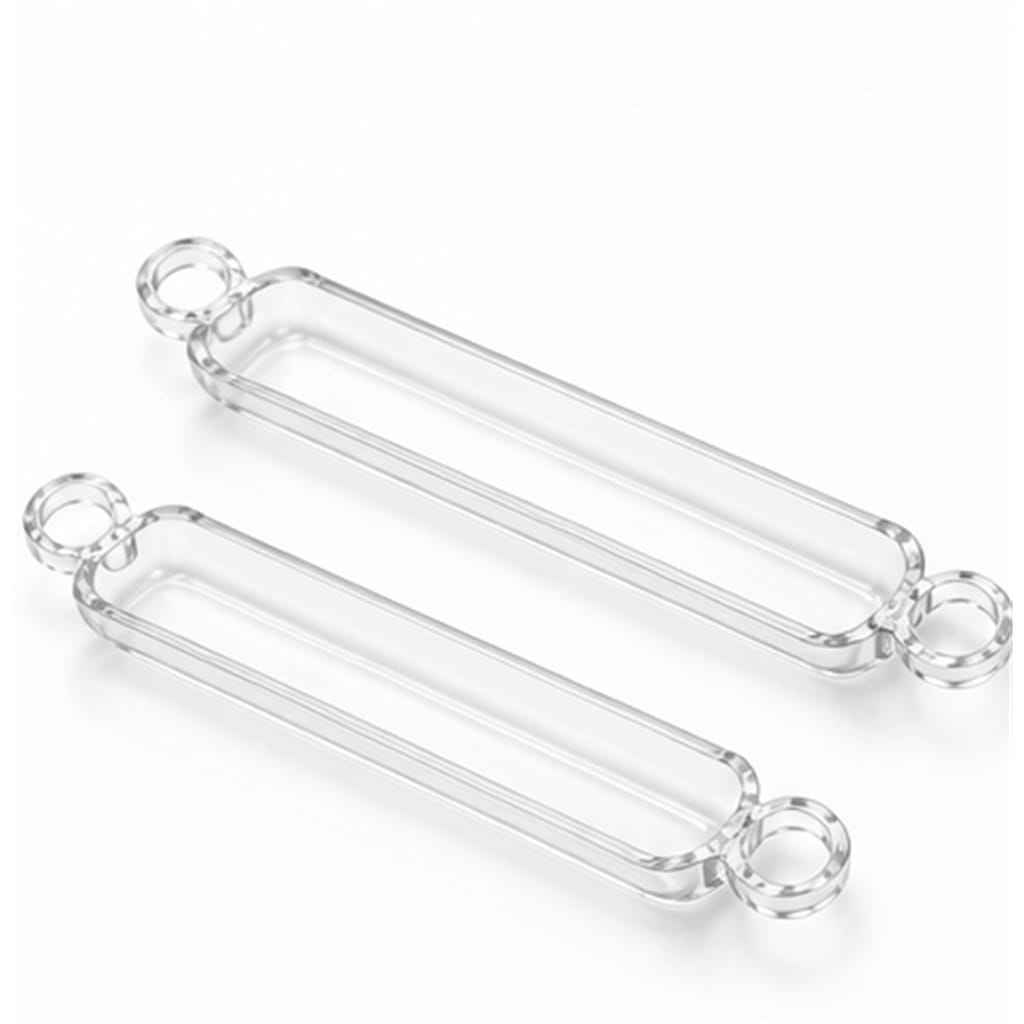
Fused-Quartz Combustion Sample Boats with Pull-Ring Handles
- Designed for horizontal tube furnace mineral analysis
- Reinforced pull-ring withstands cyclic thermal stress
- Inert to sulfur, carbon, and precious metal slag
- Continuous operating temperature: Up to 1100°C
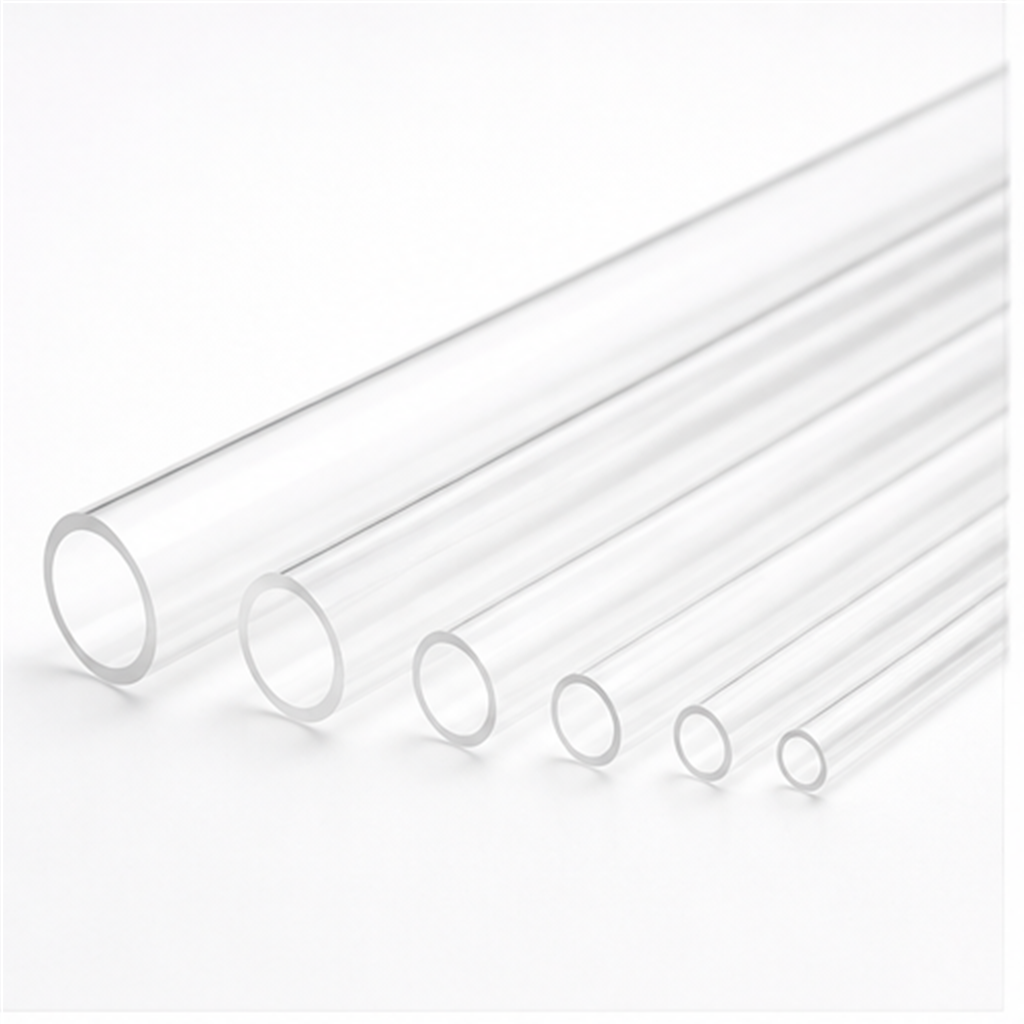
High Purity Clear Fused Quartz Glass Tube (Flat Cut)
- OD tolerance controlled within ±0.10 mm
- Ultra-low expansion coefficient: 5.5 × 10⁻⁷ /°C
- Standard length up to 2000 mm, custom cuts available
- Hydroxyl content (OH-) controlled below 20 ppm
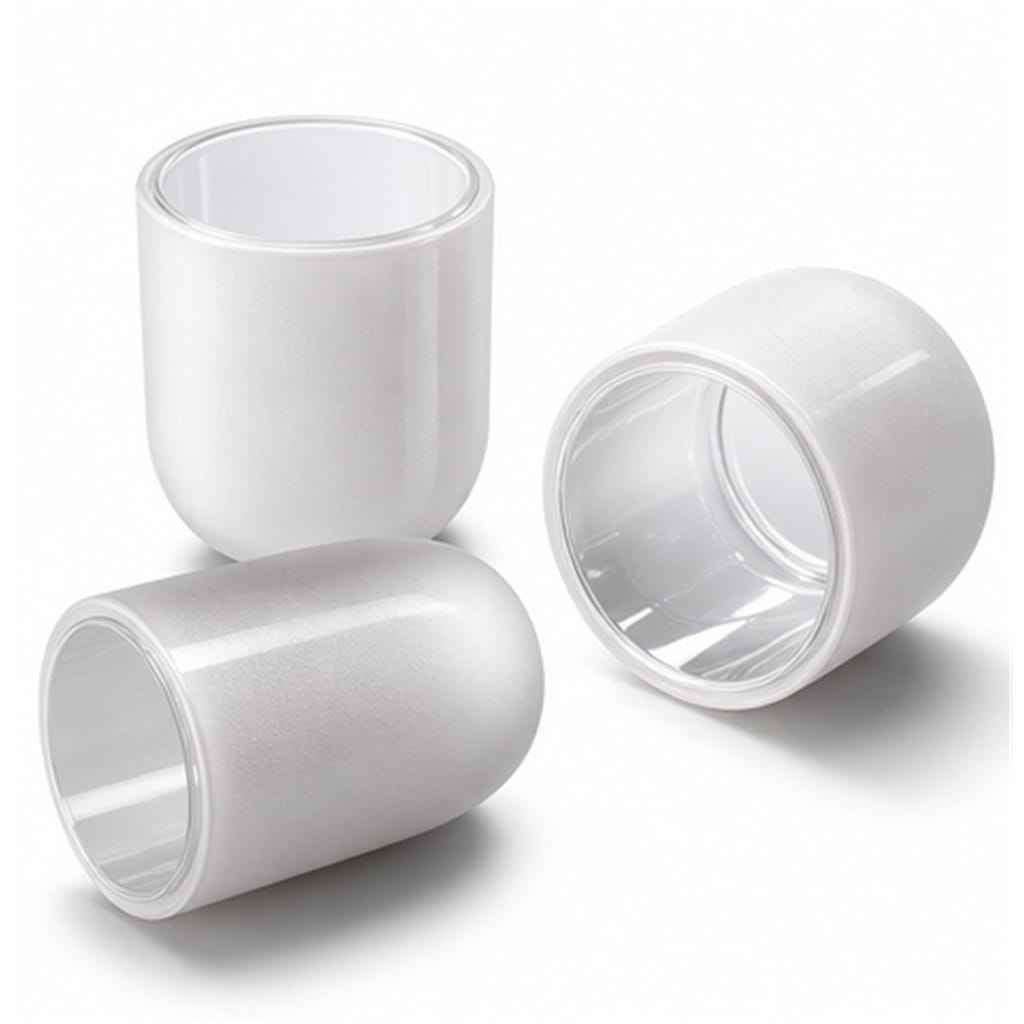
4-Inch US Quartz Sand Fused Crucibles (Fire-Polished)
- Synthesized from high-grade refined silica sand
- Fire-polished rim prevents particulate shedding
- Exceptional resistance to molten non-ferrous metals
- Resists devitrification up to 1450°C peak load
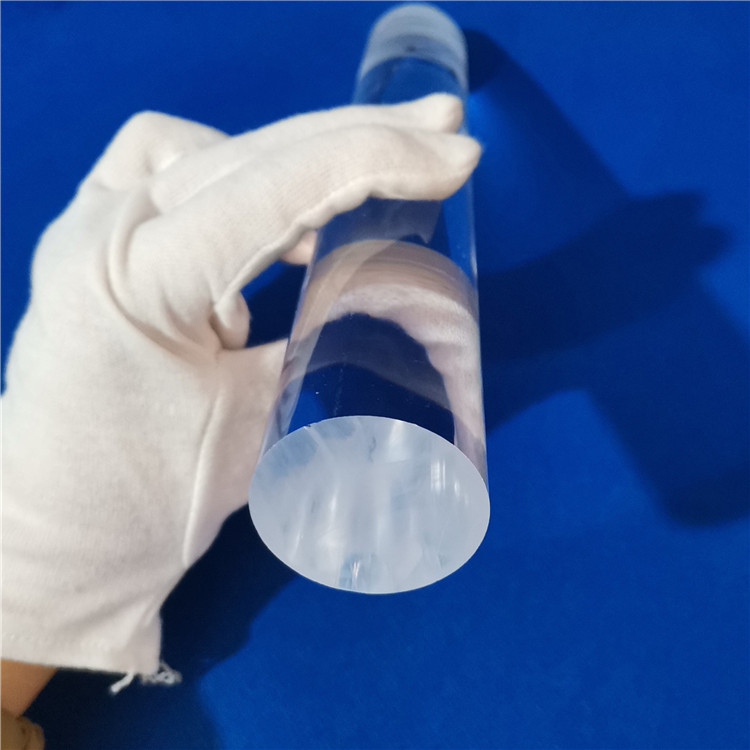
Clear Transparent Quartz Rod 4-42mm Diameter
- Uniform refractive index with high internal clarity
- Ground and fire-polished end options
- Ideal for chemical stirring and UV waveguiding
- High mechanical flexural modulus: 68 GPa
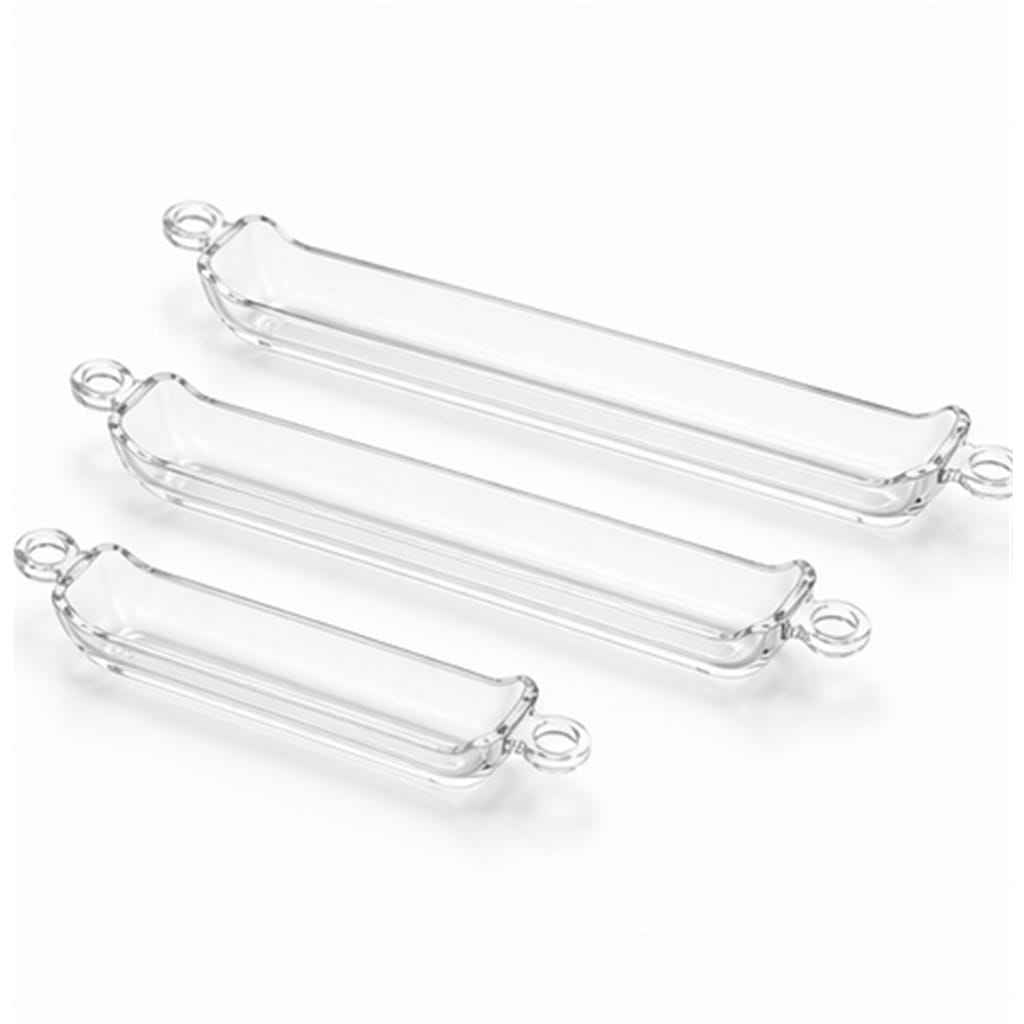
Clear Fused-Quartz Combustion Vessels with Pull Rings
- Seamless integration with automated furnace pushers
- Corrosion-resistant against hot acidic vapors
- Extended service lifespan in continuous calcination
- Heavy-wall stability eliminates thermal warpage
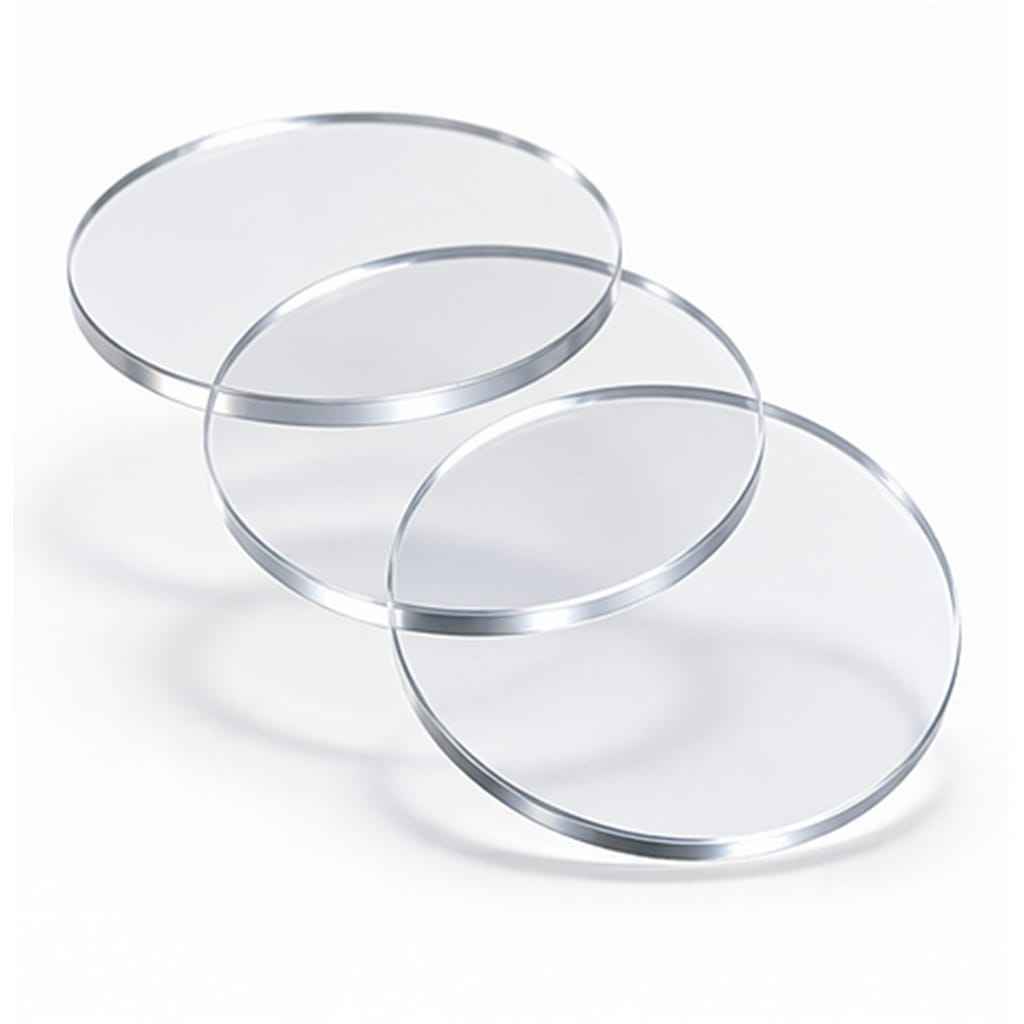
Optically Polished Single-Crystal Quartz Wafers
- Surface roughness Ra < 0.5 nm for precision sensing
- Chamfered perimeter prevents edge chipping in transit
- Optimized for microbalance (QCM) monitoring arrays
- Dielectric constant stability across wide frequencies

High Purity Optical Clear Fused Quartz Disc Window
- High deep-UV to near-infrared transmittance (>90%)
- Parallelism ≤ 30 arcsec; surface figure λ/4
- Custom flange dimensions for vacuum viewports
- Resistant to thermal shock when exposed to open flames
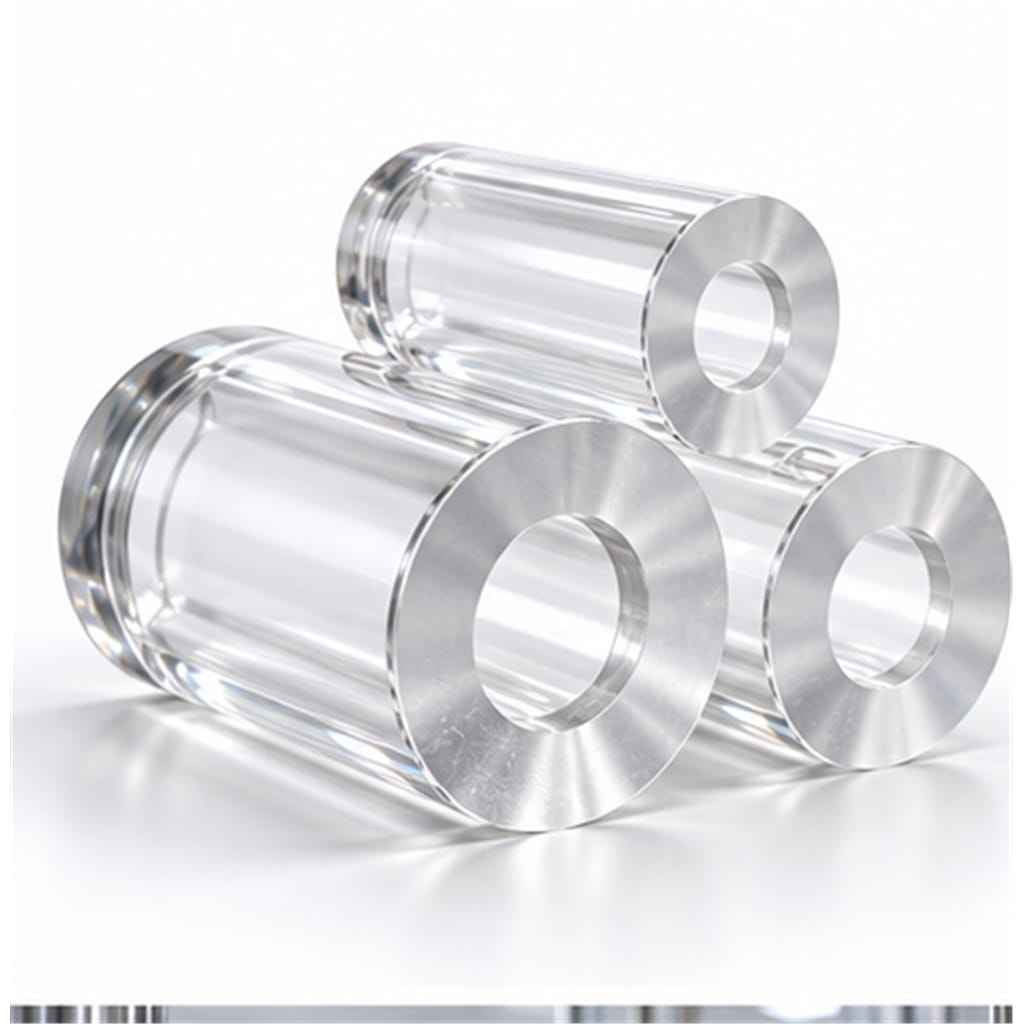
Heavy-Wall Fused-Quartz Cylindrical Pressure Tubes
- Rated for severe hydraulic and pneumatic line pressures
- Precision squared, ground, and polished end faces
- Critical component for autoclave liquid level sight tubes
- Chemically inert to leaching during leaching assays
Engineering Solutions for Extreme Continental Climates & Heavy Extraction
Mongolia's industrial operating conditions represent one of the most demanding environments on earth. Operating sites range from the dry, wind-scoured basins of the South Gobi (Ömnögovi) to the high-altitude industrial complexes of Erdenet and Darkhan. Kemzo quartz products are specifically deployed where standard borosilicate or soda-lime glass fails due to mechanical stress, thermal shocks, or aggressive chemical erosion.
Mining Fire Assay & Spectrometry Labs
Facilities serving large-scale copper, gold, and fluorite operations—such as Oyu Tolgoi, Erdenet Mining Corporation, and regional exploration labs—rely on quartz combustion tubes, boats, and sample crucibles. Fused quartz eliminates cross-sample contamination during trace element quantification and atomic absorption spectrometry (AAS).
Extreme Sub-Zero Thermal Shock Resistance
In winter, ambient outdoor temperatures drop below −40°C. In metallurgical pilot plants and field analytical trailers, opening high-temperature furnaces introduces blasts of freezing air. With a negligible thermal expansion coefficient of 5.5 × 10⁻⁷ /°C, our fused quartz tubes survive immediate 1100°C-to-freezing thermal cycling without catastrophic shatter.
District Heating & Thermal Power Infrastructure
Ulaanbaatar's combined heat and power plants (CHP-3, CHP-4) and coal processing boilers rely on heavy-wall quartz tubular sight glasses and optical observation windows. These components operate reliably against high steam pressures, hot sulfur-bearing flue gases, and intense particulate abrasion where borosilicate glass would frost and fail.
Hydrometallurgical Solvent Extraction
Modern copper extraction, autoclave leaching, and rare-earth element (REE) separation processes utilize aggressive acids, including nitric, hydrochloric, and sulfuric solutions at elevated temperatures. Kemzo fused silica provides chemical inertia, preventing silica spalling and maintaining visual process clarity in pilot leaching columns.
Infrared Industrial Heating & Drying
Quartz heating element casings, ruby quartz tubes, and twin-bore heating sleeves are used in industrial drying processes, bitumen preparation, and aggregate processing during the brief Mongolian construction season. They emit high-efficiency medium-wave and short-wave infrared heat with minimal energy loss.
Geological & University Research Facilities
Research units at the Mongolian University of Science and Technology (MUST) and academic geology institutes in Ulaanbaatar utilize ground-joint quartz distillation apparatus, optical cuvettes, and vacuum diffusion tubes for geochemical synthesis, mineral isotope dating, and high-vacuum pyrometallurgical analysis.
Material Science: Fused Quartz vs Technical Glasses in Harsh Operations
In high-latitude mining, selecting the correct glass substrate is a matter of workplace safety, measurement precision, and uptime. Standard borosilicate (Pyrex-type) glasses expand significantly under thermal loading, accumulating internal stresses that trigger catastrophic failure when exposed to sudden cold drafts or thermal quenching.
- Microstructure: Non-crystalline amorphous silica network with high covalent bond density yields exceptional mechanical hardness and high softening temperatures (1683°C).
- Zero Chemical Leaching: Trace contaminants (Fe < 1.5 ppm, Al < 15 ppm, Cu < 0.1 ppm) prevent baseline analytical errors in ICP-MS and AAS elemental assaying.
- Broadband Optical Transmittance: Unmatched spectrum clarity extending from 190 nm deep UV through the entire visible spectrum up to 3.5 μm infrared wavelengths.
Fast Specification Review
Require bespoke OD, ID, or flange dimensions for an analytical tube furnace or boiler inspection window in Mongolia? Our technical team reviews CAD drawings and sample requirements within one business hour.
Get a QuotePerformance Comparison Under Extreme Physical Parameters
A side-by-side engineering evaluation demonstrating why fused quartz is indispensable for high-temperature and high-pressure industrial applications across Central Asia.
| Physical & Chemical Property | Kemzo High-Purity Fused Quartz | Borosilicate Glass 3.3 | High-Alumina Ceramic (Al&sub2;O&sub3;) |
|---|---|---|---|
| Chemical Purity (Main Oxide) | ≥ 99.99% SiO&sub2; | ≈ 81% SiO&sub2;, 13% B&sub2;O&sub3;, 4% Na&sub2;O | 95% – 99.5% Al&sub2;O&sub3; |
| Max Continuous Temperature | 1100 °C | 450 °C | 1500 °C |
| Short-Term Peak Temperature | 1450 °C | 500 °C | 1650 °C |
| Softening Point | 1683 °C | 820 °C | > 1900 °C |
| Thermal Expansion (20–300 °C) | 5.5 × 10⁻⁷ / °C (Extremely Low) | 33 × 10−7 / °C | 75 × 10−7 / °C |
| Thermal Shock Resistance (ΔT) | 1100 °C → 20 °C Quench: No Crack | ≈ 150 °C Sudden Quench | Moderate (≈ 200 °C Quench) |
| Optical Transparency | Clear (190 nm – 3500 nm) | Clear (300 nm – 2200 nm) | Opaque / Translucent White |
| Hydrofluoric Acid Resistance | Attacked by HF & Hot H&sub3;PO&sub4; | Attacked by HF | Moderate HF resistance |
Mongolia's Mineral Processing & High-Tech Modernization
As Mongolia transitions from exporting bulk mineral concentrates toward higher-value domestic smelting, refining, and clean energy production, industrial supply chains demand stricter raw material and laboratory quality standards.
Expansion of Domestic Copper Smelting
With national plans for integrated copper flash smelting and wire manufacturing in the South Gobi and Darkhan, on-line process monitoring systems require precision quartz pyrometry sight glasses, oxygen probe jackets, and flame-retardant sensor protective tubes.
Critical Minerals & Rare Earth (REE) Exploration
Global interest in Mongolia's rare earth potential (such as Khalzan Buregtei and Mushgai Khudag) demands high-throughput geological decomposition vessels, quartz digestion vessels, and spectral analysis flow-cells that withstand aggressive acid mixtures without leaching.
Coal-to-Chemical & Gasification Initiatives
Efforts to beneficiate coking coal reserves at Tavan Tolgoi involve pilot gasification reactors operating under elevated temperatures and pressures. Clear fused quartz reaction tubes enable real-time optical tracking of syngas generation and particulate behaviors.
Direct Factory Strengths & China-Mongolia Cross-Border Logistics
Donghai Kemzo Quartz Products Co., Ltd. is based in Donghai County, Jiangsu—the premier raw quartz mineral cluster in China. With over a decade of dedicated production, we combine source-region raw material access with streamlined export transport channels into Mongolia.
Reliable Rail & Road Transit to Ulaanbaatar
Shipments depart directly via the Erenhot (China) – Zamiin-Uud (Mongolia) border port via standard rail wagons or dedicated air freight directly to Chinggis Khaan International Airport (UBN). Typical door-to-door transit to Ulaanbaatar warehouses requires only 5 to 8 working days.
Reinforced Export Packaging for Rough Transit
Transport across desert roads and rail switches involves mechanical vibration. Every quartz tube and crucible is individually wrapped in high-density EPE foam sleeves, isolated with cellular partition grids, and secured inside heavy-duty, fumigated multi-ply plywood export crates.
ISO 9001 & Factory Material Certification
All production batches undergo dimensional laser micrometer inspection, optical transmission checks, and thermal stress relief annealing. Each delivery is accompanied by standard Certificates of Analysis (COA) specifying SiO&sub2; purity and trace impurity thresholds.
Frequently Asked Questions by Mongolian Procurement Specialists
Clear, direct answers regarding customs, logistics, dimensional tolerances, and operational limitations for industrial buyers in Mongolia.
How do you prevent fragile quartz tubes from breaking during shipment across the Mongolian border?
We utilize a multi-tier protective packaging system: each tube is wrapped in elastic closed-cell EPE foam, packed inside rigid inner cartons, and suspended inside heavy-duty fumigated wooden crates with perimeter corner bracing. This packaging absorbs the cyclic shocks common along the trans-Mongolian rail and regional paved/gravel highways.
Can your quartz tubes withstand winter furnace operations in unheated field laboratories at −40°C?
Yes. Fused quartz features an exceptionally low coefficient of thermal expansion (5.5 × 10⁻⁷ /°C), approximately one-sixth that of borosilicate glass. A quartz combustion tube heated to 1100°C can be exposed to sudden cold drafts without suffering structural micro-fractures, making it suitable for unheated field testing stations.
Which Incoterms and delivery routes are supported for deliveries to Ulaanbaatar and the South Gobi?
We regularly quote under DAP (Delivered at Place, Ulaanbaatar or site address), CIP (Carriage and Insurance Paid to UBN Airport), CPT, or FOB (Tianjin port or Lianyungang). For urgent mining shutdowns, air express (DHL/FedEx/Air Freight) delivers within 3–5 working days; bulk orders travel via the Erenhot rail corridor.
Can you fabricate non-standard quartz tube diameters, flanges, and ball-and-socket ground joints?
Yes. Our in-house glassworking facility performs hot lathe drawing, fire-polishing, CNC hole drilling, grinding, and flanging. We regularly produce custom lengths, flared mouths, ball-and-socket ground joints, and quartz-to-metal vacuum flanges based on customer CAD drawings or technical sketches.
How does high-temperature devitrification affect quartz tubing in long-duration furnace cycles?
Devitrification is the phase change from amorphous fused silica to crystalline cristobalite, which usually begins above 1150°C in the presence of surface alkalis. Because our SiO&sub2; purity exceeds 99.99% and manufacturing incorporates strict chemical de-greasing, our tubes resist devitrification longer during sustained heating at 1100°C.
What documentation is provided to support Mongolian import customs clearance?
Every commercial export order includes a Certificate of Origin (COO), commercial invoice, detailed packing list, Certificate of Analysis (COA) for purity, and international air/rail waybills. Where required, our documentation aligns with requirements specified by the General Authority for Customs and Taxation of Mongolia.
Connect with Kemzo Quartz Engineering
Contact our technical team to discuss specifications, tolerances, and batch volumes for Mongolian projects. Receive engineering feedback and competitive export quotations within one business hour.
Get a Quote