Precision Quartz Engineering for High-Performance Split Heating Applications
Donghai Kemzo Quartz Products Co., Ltd. is a specialized manufacturer and global exporter of high-purity fused quartz tubes, heating elements, and process components. Situated at the core of Donghai County, China's premiere quartz reserves region, we leverage world-class raw silica refining, advanced CNC dimensional finishing, and rigorous thermal annealing to deliver customized solutions for split-zone processing worldwide.
The global demand for high-efficiency split-system heating elements—spanning localized industrial split furnaces, split-type HVAC auxiliary thermal modules, and multi-zone CVD split process chambers—requires material specifications that standard technical glass or basic ceramic tubing cannot satisfy. High-purity fused quartz ($\text{SiO}_2 \ge 99.99\%$) exhibits an exceptionally low linear coefficient of thermal expansion ($\alpha = 5.5 \times 10^{-7}/\text{K}$ between $20^\circ\text{C}$ and $300^\circ\text{C}$), providing immense immunity against thermal shock during sudden heating or rapid air-quenching cycles.
As an established manufacturer and exporter catering to split market buyers in North America, Europe, East Asia, and Oceania, Kemzo Quartz manufactures transparent clear, surface-ground, and gold/ruby reflector-coated quartz heater tubes designed to maximize infrared energy yield, eliminate thermal sag, and prevent particulate contamination in strict cleanroom environments.
Featured Quartz Components for Split Market & Laboratory Applications
Explore our core product lineup engineered for split furnace tubes, chemical reaction vessels, optical observation windows, and specialized infrared heating systems.
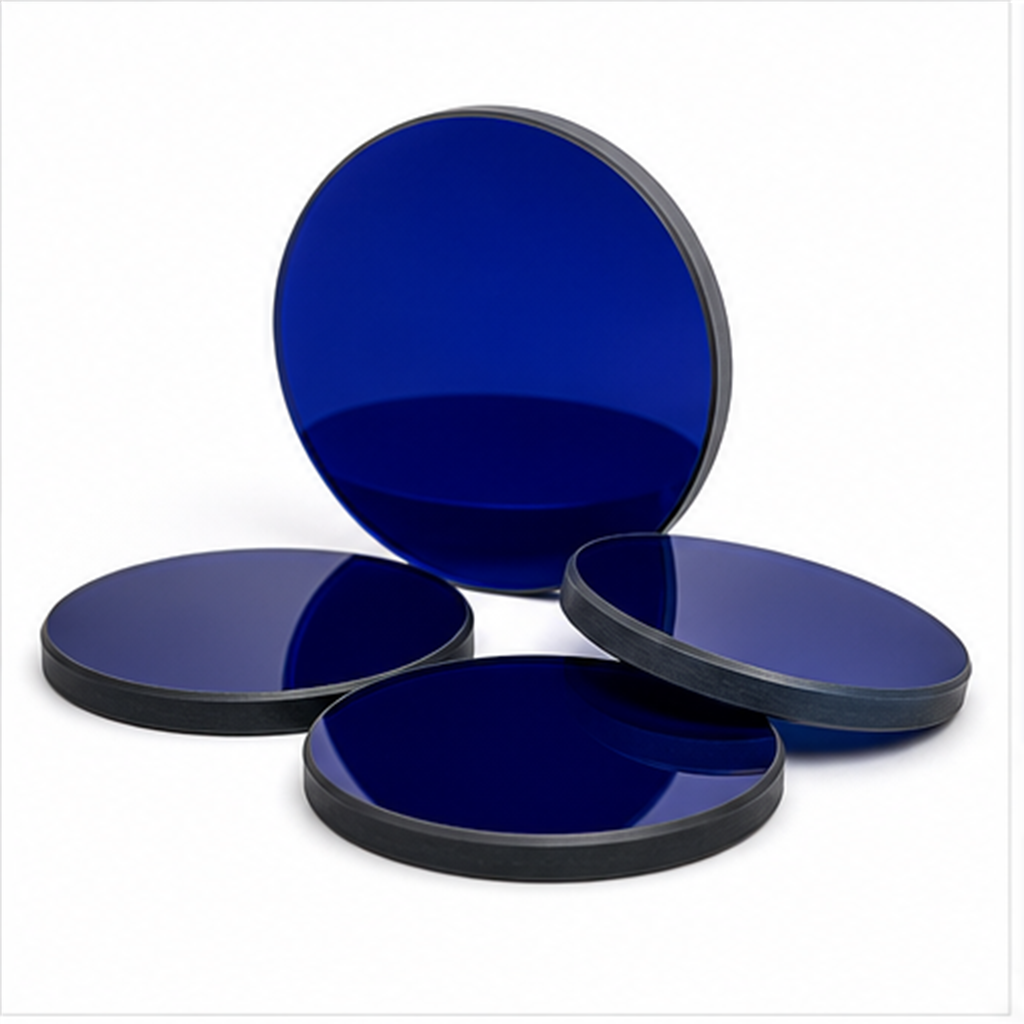
High-purity visual inspection windows designed for high-temperature split furnaces and industrial flame monitoring.
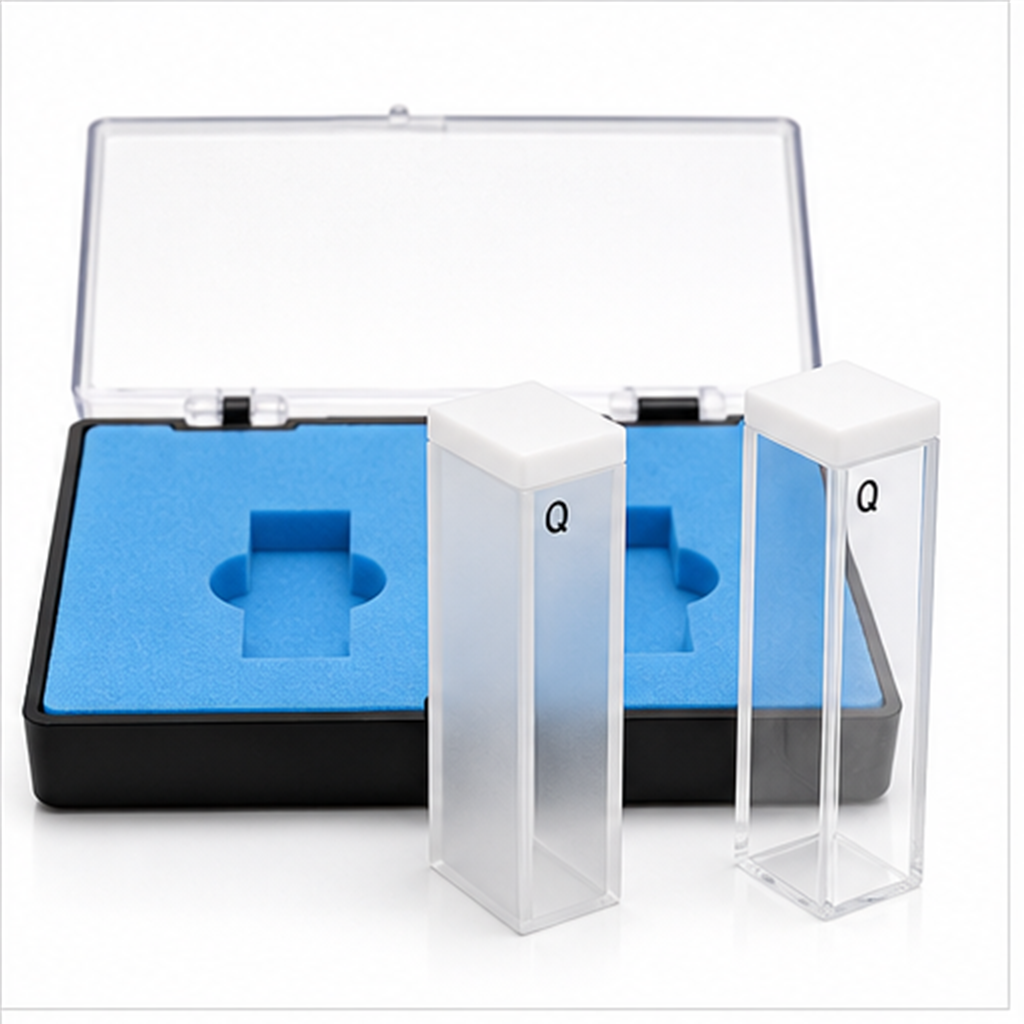
Precision optical cell cuvettes featuring deep UV spectrum transmission for spectroscopy analysis.
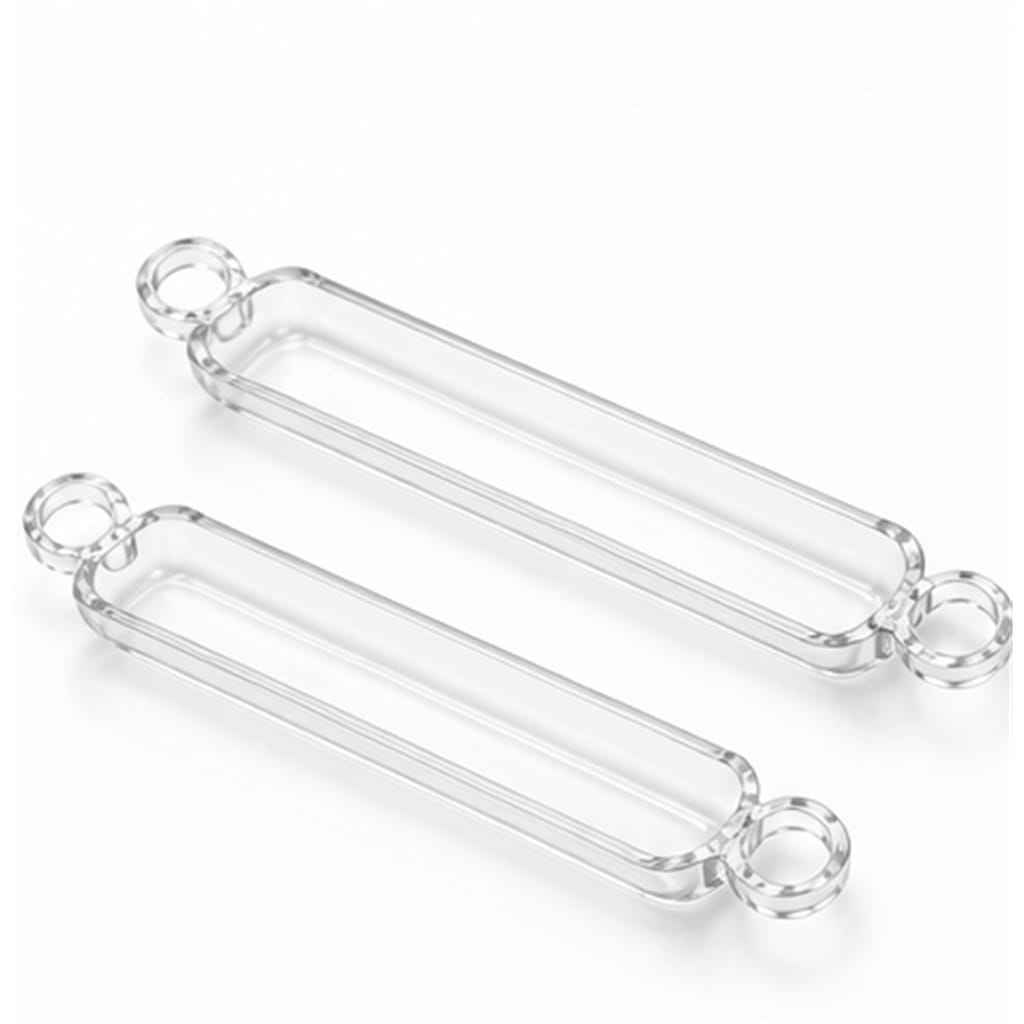
Thermal shock resistant fused silica boats with integrated ring handles for laboratory tube furnaces.
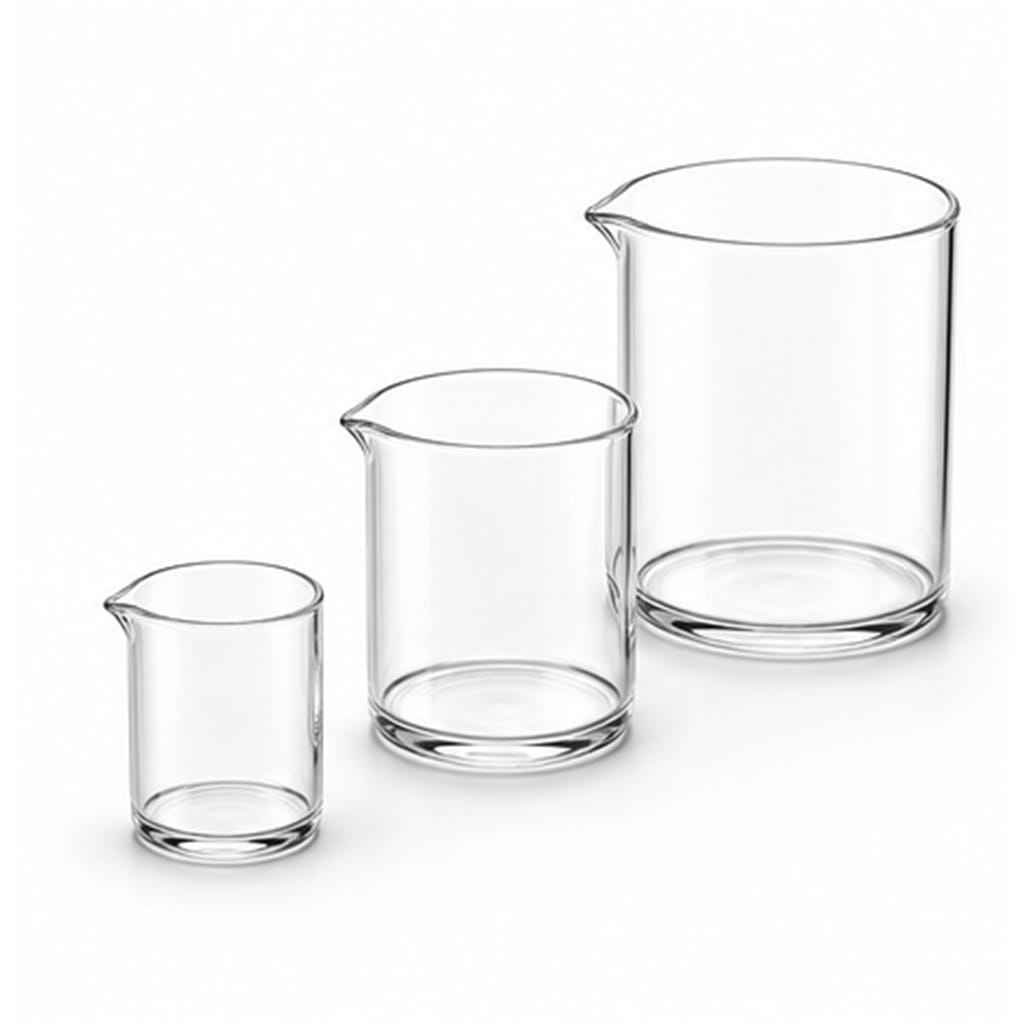
Acid-resistant clear quartz beakers engineered for aggressive chemical thermal treatment and evaporation.
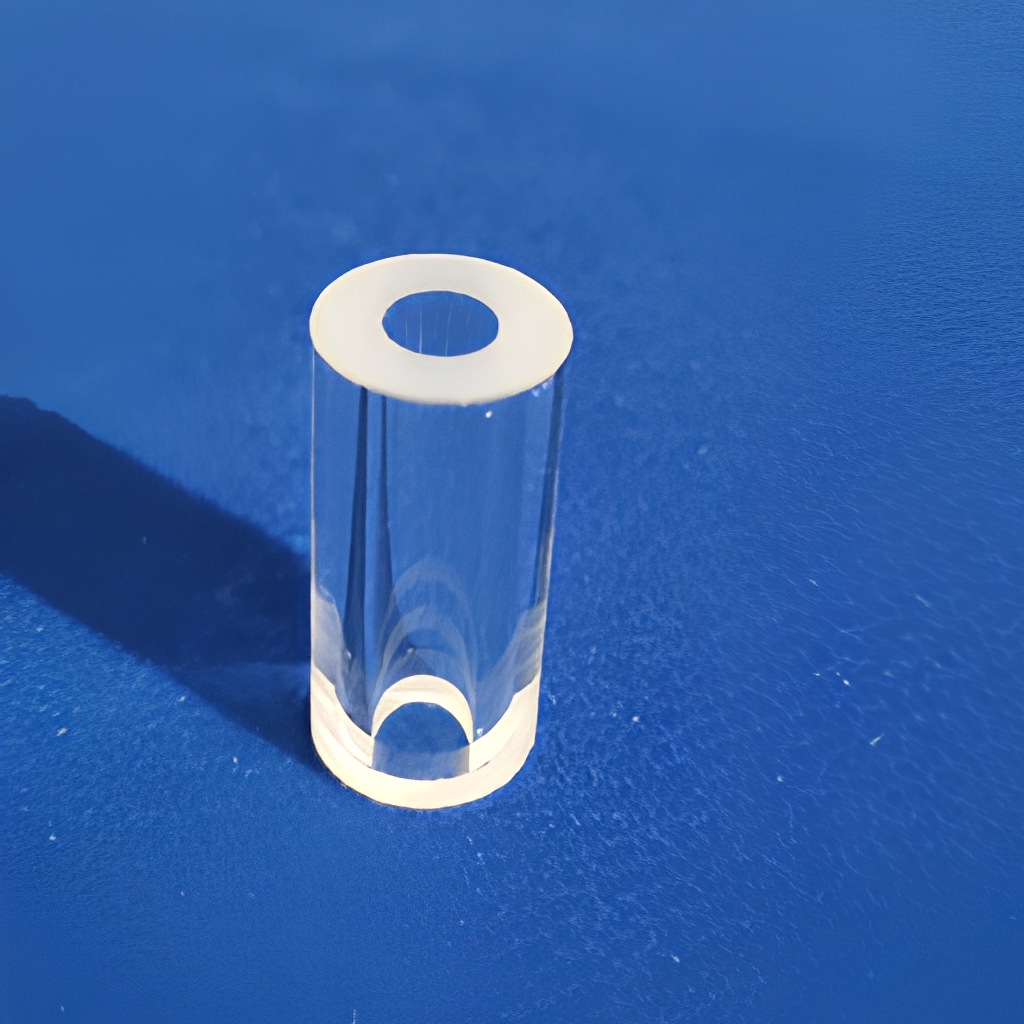
High-efficiency dual-channel split heater tubes offering structural rigidity and focused infrared power output.
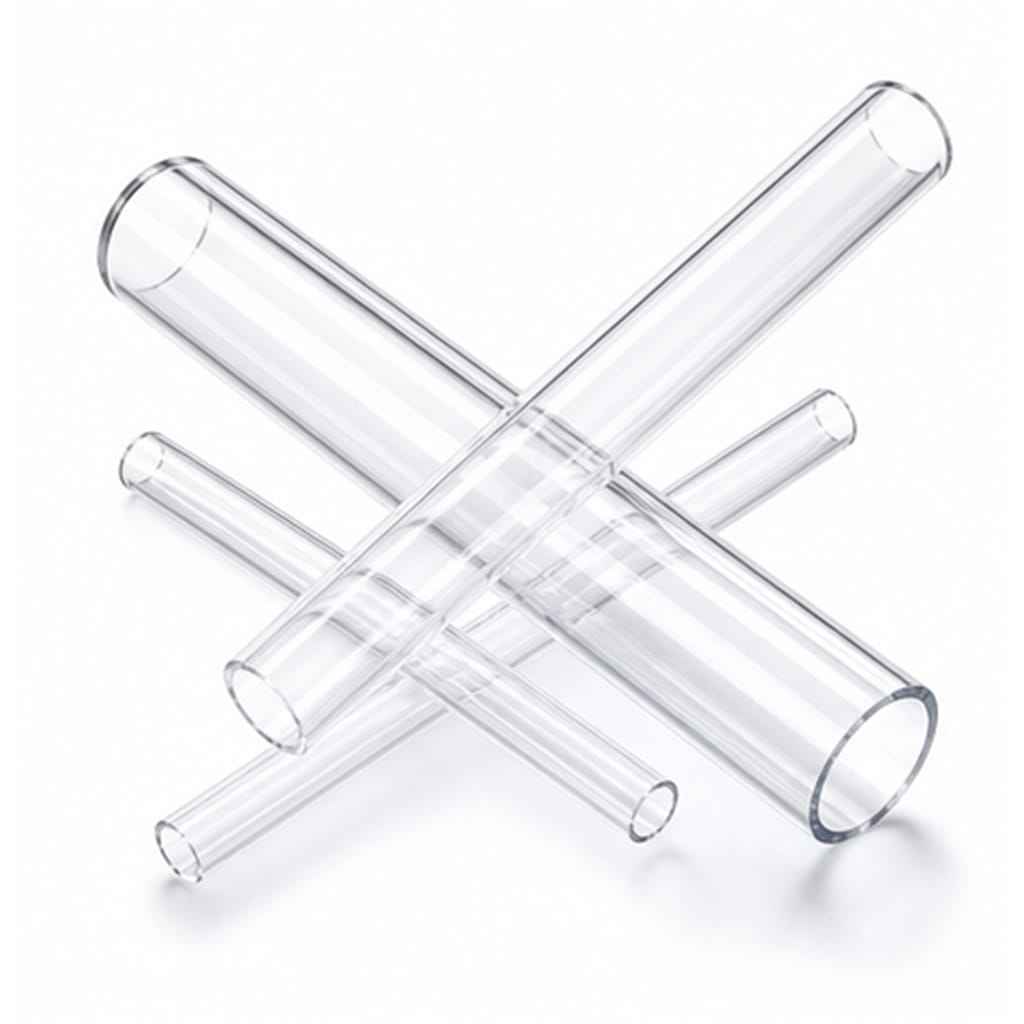
90-degree squared end process tubes engineered for vacuum tight sealing in split-chamber chemical vapor deposition.
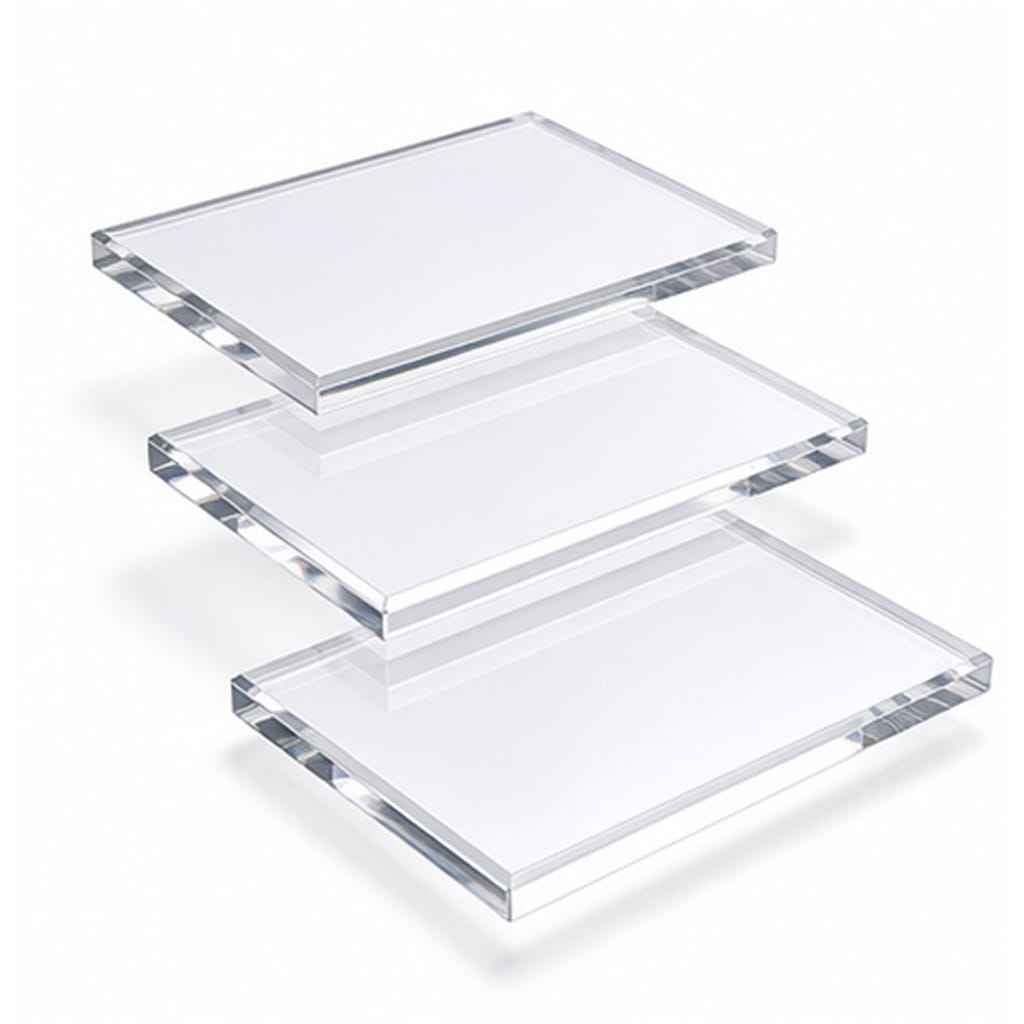
Double-side ground and polished quartz plates used in semiconductor photomask windows and optical substrate split mounts.
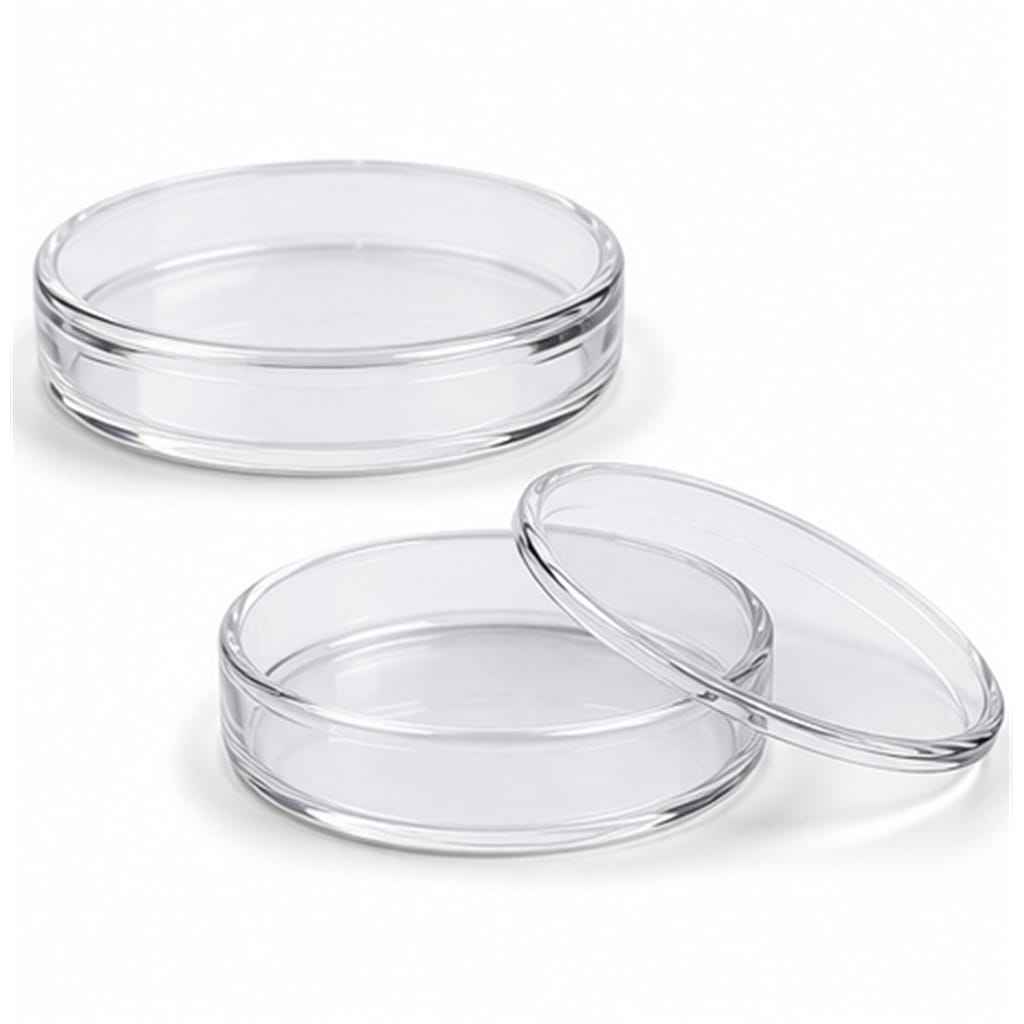
Thermal and chemical resistant quartz culture dishes built for severe thermal sterilization and acid exposure.
Technical Architecture: Quartz Heating Elements in Split-System Systems
In thermal design engineering, the "split market" encompasses two distinct industrial paradigms: split-architecture heating apparatuses (such as hinged split-tube laboratory furnaces, split cleanroom vacuum chambers, and modular infrared drying cassettes) and split-system HVAC auxiliary heating units (electric strip backup heaters and localized quartz radiation emitters). Both application realms place strict demands on the mechanical integrity, spectral transmission, and devitrification thresholds of quartz envelope tubing.
1. Spectral Emissivity and Radiation Transfer Dynamics
Clear fused quartz acts as an optical bandpass filter for electromagnetic radiation. It exhibits high transmission (over $90\%$) across the ultraviolet, visible, and near-to-medium infrared spectrum ($0.19 \ \mu\text{m}$ to $3.5 \ \mu\text{m}$). When utilized as a quartz heater tube protecting internal filament materials—such as Ni-Cr alloys, Fe-Cr-Al (Kanthal), or woven Carbon Fiber—fused silica permits radiant energy to transmit directly to the target substrate without absorbing thermal energy into the tube wall itself.
This optical transparent characteristic prevents the quartz sheath from overheating, localized sagging, or experiencing premature structural deformation. For split drying modules in industrial finishing, this allows instant response times ($1 \text{ to } 2 \text{ seconds}$ to reach peak output power), yielding energy savings exceeding $35\%$ compared to heavy metal sheath or ceramic tubular heaters.
2. Single-Tube vs. Twin-Tube Geometry in Modular Split Systems
While standard round single-tube quartz heaters remain widely deployed in linear heating banks, modern high-density split heating modules increasingly rely on Fused Quartz Twin-Tubes (Figure 8 Geometry). Constructed by fusing two parallel clear quartz tubes together during the continuous thermal drawing process, twin-tube designs provide significantly higher mechanical bending strength over span lengths exceeding $2000 \text{ mm}$.
This structural rigidity prevents sagging under high operating temperatures ($1000^\circ\text{C}+$) in horizontal split furnace configurations. Furthermore, twin-tube envelopes allow dual-filament routing or integrated directional reflector coatings (such as 24K gold nano-layers or white ceramic diffuse reflectors) coated on the rear side of the split tube. This concentrates up to $95\%$ of radiant infrared heat directly toward the split process chamber, protecting sensitive split HVAC housing components from parasitic thermal gain.
Fused Quartz Physical & Thermal Specifications Matrix
| Physical / Thermal Parameter | High-Purity Clear Fused Quartz | Synthetic Fused Silica | Engineering Significance in Split Heaters |
|---|---|---|---|
| $\text{SiO}_2$ Purity Level | $\ge 99.99\%$ (100 ppm total metals) | $\ge 99.9999\%$ (< 1 ppm metals) | Prevents trace element migration into cleanroom split chambers. |
| Continuous Operating Temp | $1100^\circ\text{C}$ | $1150^\circ\text{C}$ | Sustains high temperature split tube furnace cycles without thermal collapse. |
| Peak Strain / Softening Point | $1120^\circ\text{C} / 1683^\circ\text{C}$ | $1180^\circ\text{C} / 1710^\circ\text{C}$ | Determines absolute upper safety margin under rapid electrical overcurrent. |
| Thermal Expansion Coeff ($\alpha$) | $5.5 \times 10^{-7} / \text{K}$ | $5.2 \times 10^{-7} / \text{K}$ | Immune to thermal shock; withstands direct water droplet quenching at $1000^\circ\text{C}$. |
| Hydroxyl Radical ($\text{OH}^-$) Content | Standard: < 20 ppm | Low-$\text{OH}$: < 5 ppm | < 1 ppm to 1000 ppm (variable) | Low $\text{OH}^-$ prevents infrared water-peak absorption at $2.72 \ \mu\text{m}$ band. |
| Dielectric Strength ($20^\circ\text{C}$) | $25 \text{ to } 40 \ \text{kV/mm}$ | $30 \text{ to } 45 \ \text{kV/mm}$ | Ensures high electrical insulation in split HVAC auxiliary electrical strips. |
3. Devitrification Kinetics and OH- Content Control
When quartz heater tubes operate continuously above $1000^\circ\text{C}$, atmospheric contaminants (alkali ions such as $\text{Na}^+$, $\text{K}^+$, $\text{Ca}^{2+}$) or trace surface moisture act as nucleation sites, triggering devitrification—the phase transformation of amorphous fused silica into crystalline cristobalite. Crystalline cristobalite exhibits a different coefficient of thermal expansion, causing micro-cracking, loss of transparency, and structural failure upon cooling.
At Kemzo Quartz, our high-temperature split heater tubes undergo thermal baking and vacuum degassing processes to stabilize hydroxyl ($\text{OH}^-$) radicals below $5 \text{ ppm}$. By maintaining low internal moisture and high raw material purity during flame polishing, our quartz heater envelopes exhibit extended operational lifetimes—exceeding $5,000 \text{ to } 10,000 \text{ hours}$ in demanding industrial split heating equipment.
Localized Scenarios for Split Market Quartz Heating Systems
Discover how localized engineering demands shape quartz heater selection across split HVAC systems, industrial process lines, laboratory split furnaces, and semiconductor cleanrooms.
HVAC Split Auxiliary Heat Modules
In residential and commercial split-system heat pumps operating in cold climates, rapid-response quartz heating elements provide clean electric supplementary heating. Unlike open coil nickel-chromium elements that burn dust particles and release foul odours into ducting, enclosed quartz heater tubes offer sealed, high-dielectric electrical heating that maintains clean indoor air quality.
Split-Tube Laboratory & CVD Furnaces
Hinged split-tube laboratory furnaces require clear quartz inner process reaction tubes with precise outer diameter tolerances ($\pm 0.1 \text{ mm}$) and polished flat ends for vacuum flange mounting. These split chambers allow researchers to easily insert combustion boats, thermocouples, and wafer samples without disturbing fixed heating coils.
Industrial Split Infrared Drying Tunnels
In high-speed thermoforming, textile curing, and automotive painting lines, split quartz infrared heater banks supply targeted medium-wave infrared (MWIR) energy. Our custom twin-tube heaters with integrated gold reflectors direct radiation specifically onto moving product belts, optimizing thermal efficiency and reducing factory energy overheads.
Semiconductor Wafer Split Process Chambers
High-purity quartz diffusion tubes, ground-joint manifolds, and photomask window plates prevent heavy metal migration ($\text{Fe, Cu, Ni, Na} < 0.1 \text{ ppm}$) during high-temperature oxidation and anneal cycles. Kemzo's quartz parts maintain surface flatness and vacuum integrity down to $10^{-6} \text{ Torr}$.
Acid Heat Exchangers & Chemical Reactors
Due to fused silica's near-complete chemical inertia to hydro-halic and organic acids (excluding hydrofluoric and hot phosphoric acids), quartz heater tubes act as immersion heating sheaths in electroplating baths, chemical pickling tanks, and semiconductor acid evaporation vessels.
Cleanroom Optical & Viewport Enclosures
Custom precision-cut quartz plates, circular discs, and sight glasses provide optical observation ports for vacuum chambers and cleanroom split isolation cabinets, combining optical clarity with robust pressure containment.
Localized Trends Shaping the Split Quartz Heater Market
As global manufacturing shifts toward decarbonization, strict energy auditing, and elevated semiconductor cleanliness, purchasing decision-makers in key economic regions exhibit distinct procurement priorities:
1. North America: Electrification & Heat Pump Auxiliary Mandates
Across the United States and Canada, local building codes (such as California Title 24 and federal decarbonization incentives) are accelerating the replacement of fossil fuel furnaces with split-system heat pumps. To handle extreme winter freeze events, split HVAC manufacturers require ultra-reliable auxiliary electric quartz heating elements that satisfy ANSI/UL 1995 and UL 60335-2-40 electrical safety standards. Buyers prioritize high dielectric breakdown strength, robust vibration resistance during fan operation, and rapid heating response times.
2. Europe: Energy Efficiency & RoHS/REACH Traceability
Industrial buyers across Germany, France, Italy, and Northern Europe operating split infrared drying tunnels face stringent EU Ecodesign directives. Equipment operators are replacing legacy ceramic heaters with twin-tube quartz infrared emitters equipped with white ceramic or gold reflectors to shave peak energy demand. Furthermore, European procurement compliance requires full raw material documentation under REACH and RoHS 3 directives, verifying zero heavy metal leaching or toxic outgassing during high-temperature thermal processing.
3. Asia-Pacific: Precision Semiconductor & Photovoltaic Expansion
In South Korea, Japan, Taiwan, and mainland China, rapid capital expenditure in fab expansion and solar PV cell manufacturing drives massive demand for large-diameter quartz process tubes ($\text{OD } 300 \text{ mm to } 600 \text{ mm}$), wafer boats, and split CVD reaction chambers. APAC buyers require tight dimensional tolerances (wall thickness uniformity within $\pm 3\%$), extremely low hydroxyl content for high-temperature stability, and source verification from established quartz manufacturing hubs like Donghai.
4. Global Adoption of Directional Gold Reflector Coated Twin-Tubes
Across all geographic sectors, a clear engineering trend is the transition from non-directional heating sheaths to 24K Gold Coated Quartz Twin-Tubes. Liquid gold plating baked onto the exterior silica wall reflects over $95\%$ of rearward infrared radiation forward onto the workpiece. This effectively doubles radiant efficiency, reduces cooling requirements for surrounding machinery, and lowers the operating temperature of external split housing frames.
Donghai Kemzo Manufacturing Advantages & Enterprise Authority
Leveraging 11+ years of OEM/ODM export expertise, raw material origin control, and ISO 9001 certified quality management.
Donghai Quartz Belt Resource Advantage
Our processing plant is located directly in Donghai County, Jiangsu, world-renowned for its natural high-purity quartz crystal reserves. Direct access to raw silica feedstock guarantees stable material availability, consistent chemical purity ($\text{SiO}_2 \ge 99.99\%$), and highly competitive factory-direct pricing for volume exporters.
Full In-House Custom Fabrication
We operate over 10 production lines capable of continuous tube drawing, high-precision CNC cutting, edge grinding, surface polishing, hot-bending, flared joint forming, and ultrasonic hole drilling. We manufacture custom components directly from customer CAD drawings or physical samples.
ISO 9001 & High-Tech Enterprise Certification
Donghai Kemzo Quartz Co., Ltd. operates under a certified ISO 9001 Quality Management System and has been recognized as a Jiangsu High Technology Enterprise. Every production batch undergoes strict spectrophotometric purity checks, dimensional laser measuring, and thermal shock testing prior to dispatch.
Robust Export Packaging & Global Logistics
Quartz glass is inherently fragile. Our international export department utilizes individually tailored EPE foam cushioning, anti-static plastic wraps, corrugated inner dividers, and heavy-duty, heat-treated plywood crates. We maintain an outstanding safe-delivery record across sea, air, and express door-to-door freight.
Frequently Asked Questions (FAQ) for Global Buyers
Get immediate answers to common technical queries regarding quartz heater customization, thermal limits, export terms, and material selection.
What is the key difference between fused quartz and fused silica?
Fused quartz is produced by melting naturally occurring high-purity quartz crystals at temperatures exceeding $1900^\circ\text{C}$. It offers superb thermal resistance, high mechanical strength, and excellent optical transmission from visible to infrared wavelengths at an economical cost ideal for heater sheaths, furnace tubes, and labware.
Synthetic fused silica, by contrast, is synthesized chemically from silicon tetrachloride ($\text{SiCl}_4$). It offers ultra-deep UV optical transmission down to $160 \ \text{nm}$ and near-zero trace metal impurities, but at a significantly higher price point. For split heater tubes and HVAC modules, fused quartz delivers optimal technical performance and cost efficiency.
What temperature limits can Kemzo quartz heater tubes withstand?
Our clear transparent fused quartz tubes withstand continuous operating temperatures up to $1100^\circ\text{C}$ and short-term peak thermal spikes up to $1450^\circ\text{C}$. The softening point of our silica material is approximately $1683^\circ\text{C}$.
Because fused quartz has an ultra-low linear thermal expansion coefficient ($\approx 5.5 \times 10^{-7}/\text{K}$), these tubes can endure severe thermal shocks—such as being repeatedly heated to $1000^\circ\text{C}$ and immediately quenched in cold water without cracking.
Can you manufacture custom quartz heater tubes and process parts directly from CAD drawings?
Yes. Over $70\%$ of our factory output comprises custom OEM and ODM products made to drawing. We accept standard CAD formats (STEP, DWG, DXF, PDF). Our engineering staff reviews dimensional feasibility, tight tolerances (down to $\pm 0.05 \text{ mm}$ depending on geometry), wall thickness consistency, and annealing requirements within 1 hour of receiving your inquiry.
How do reflective coatings (Gold vs. White Ceramic) benefit split heating applications?
Applying a 24K gold or white ceramic reflector coating onto the rear $180^\circ$ of a quartz heater tube transforms an omnidirectional emitter into a highly focused directional heat source. Gold reflectors reflect up to $95\%$ of infrared energy in the medium-to-far IR spectrum, while white ceramic coatings withstand temperatures up to $1000^\circ\text{C}$ in ambient air without flaking or tarnishing. This concentrates thermal energy directly onto the target substrate while keeping surrounding split housing frames cool.
What payment currencies and international Incoterms do you support?
We support multiple international payment methods including T/T (Telegraphic Transfer), L/C at sight, PayPal, and credit card payments. Accepted currencies include USD, EUR, AUD, HKD, and CNY. Supported Incoterms encompass FOB, CFR, CIF, EXW, DDU, DAF, and door-to-door express delivery (DHL/FedEx/UPS).
How does Kemzo prevent breakage during sea and air shipments?
Packaging fragile quartz glass for intercontinental transport is an integral part of our quality management. Tubes are individually sleeved in shock-absorbing foam or bubble cushioning to eliminate glass-to-glass contact. Bundles are immobilized within heavy-duty double-wall corrugated cartons, which are then anchored inside custom, ISPM-15 compliant heat-treated wooden crates with internal shock pallets.
Ready to Upgrade Your Split System Heating Elements?
Send us your technical drawings, dimensions, target operating temperatures, or annual quantity requirements. Our engineering team will review your specifications and provide a competitive factory-direct quote within 1 hour.
Direct Engineering Email: [email protected] | ISO 9001 Certified Quality Assurance