Featured Fused Quartz Components & Emitters
Direct-from-factory quartzware produced to extreme DIN/ISO tolerances. Our components power infrared heating modules, semiconductor crystallization ovens, and precision metrology arrays throughout the Syddanmark region.
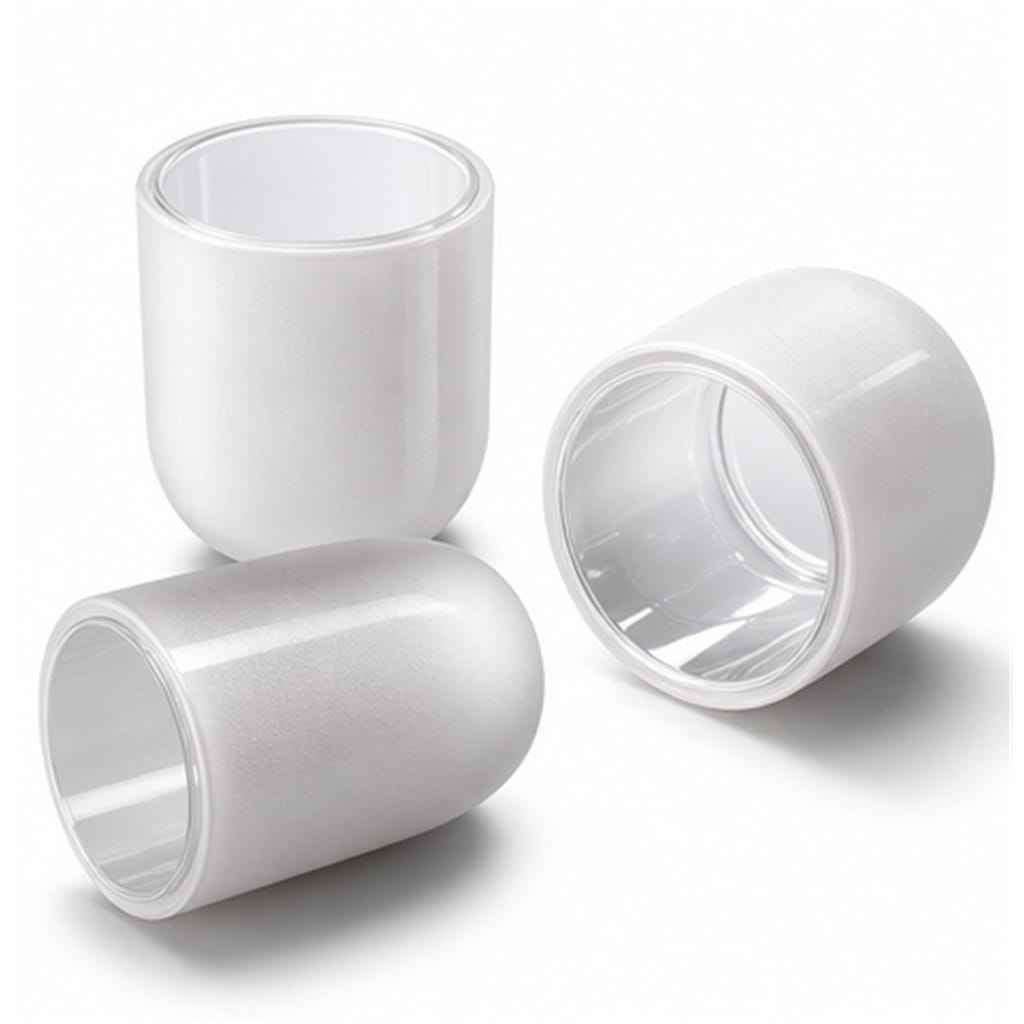
4-Inch US Quartz Sand Fused Crucibles with Fire-Polished Rim
Designed for induction thermal ovens and crystal pulling. Features a bubble-free inner wall and high resistance to slagging and devitrification at 1400°C.
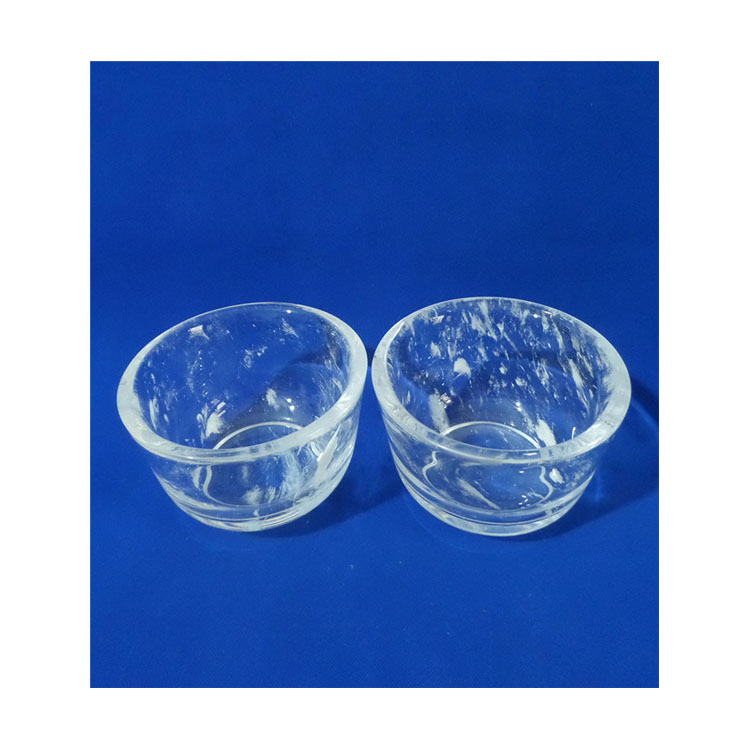
High Temperature Resistant Quartz Glass Circular Silica
Precision ground flat discs engineered for extreme radiant heat shields, thermal sight viewports, and clean industrial thermal cooking/sterilization fixtures.
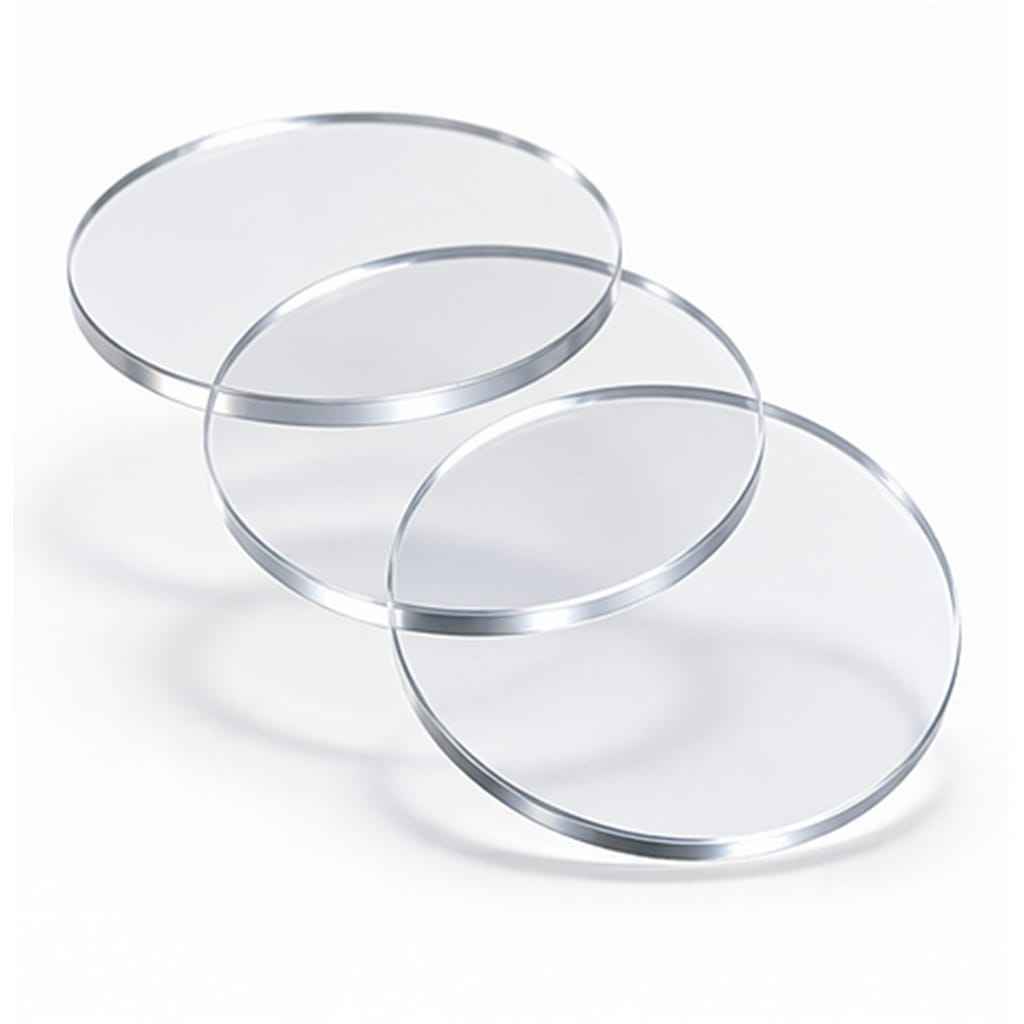
Optically Polished Single-Crystal Quartz Wafers
Sub-nanometer surface roughness with CNC chamfered edges. Indispensable for robotic piezoelectric transducers, QCM sensors, and laser frequency control.
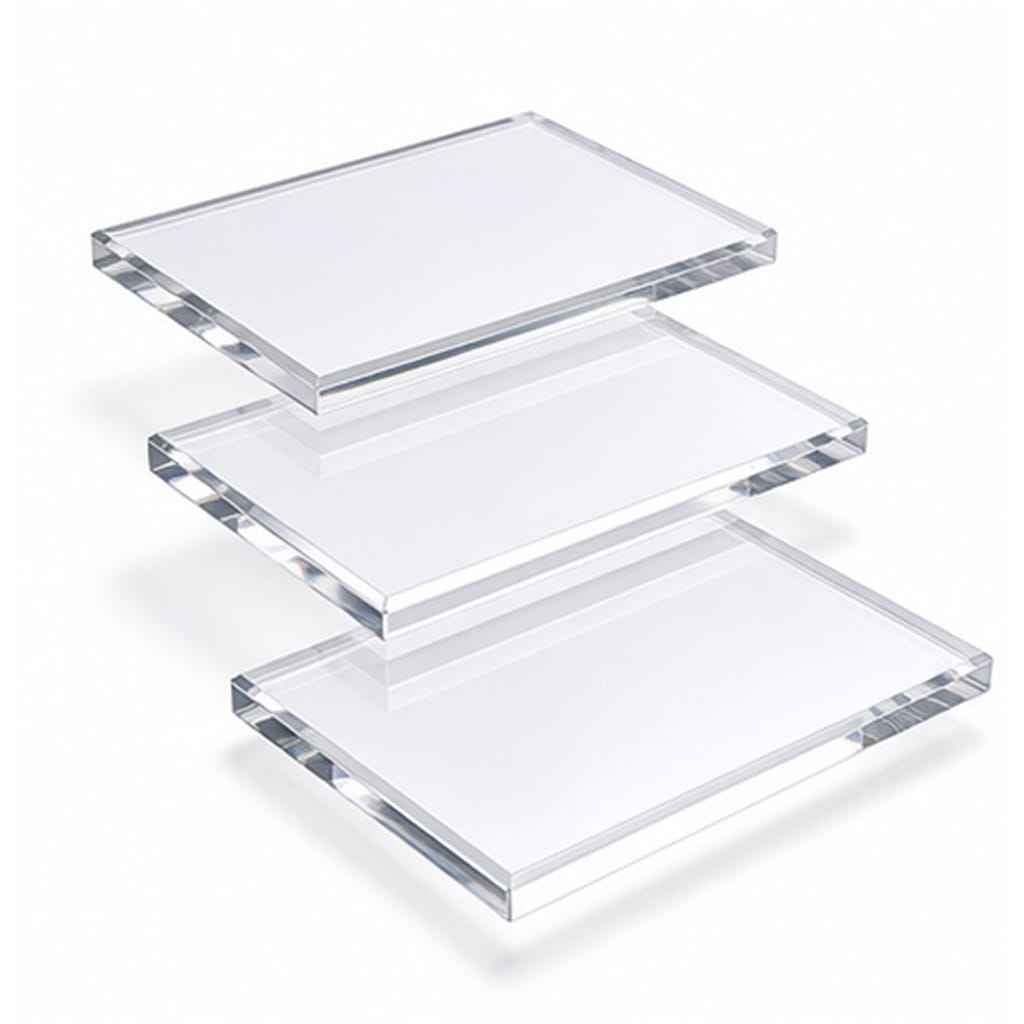
Precision Optical Fused-Quartz Square Plates
Zero bubble classification with >92% deep UV and IR transmission. Formulated specifically for micro-lithography photomasks and robotic sensor view windows.
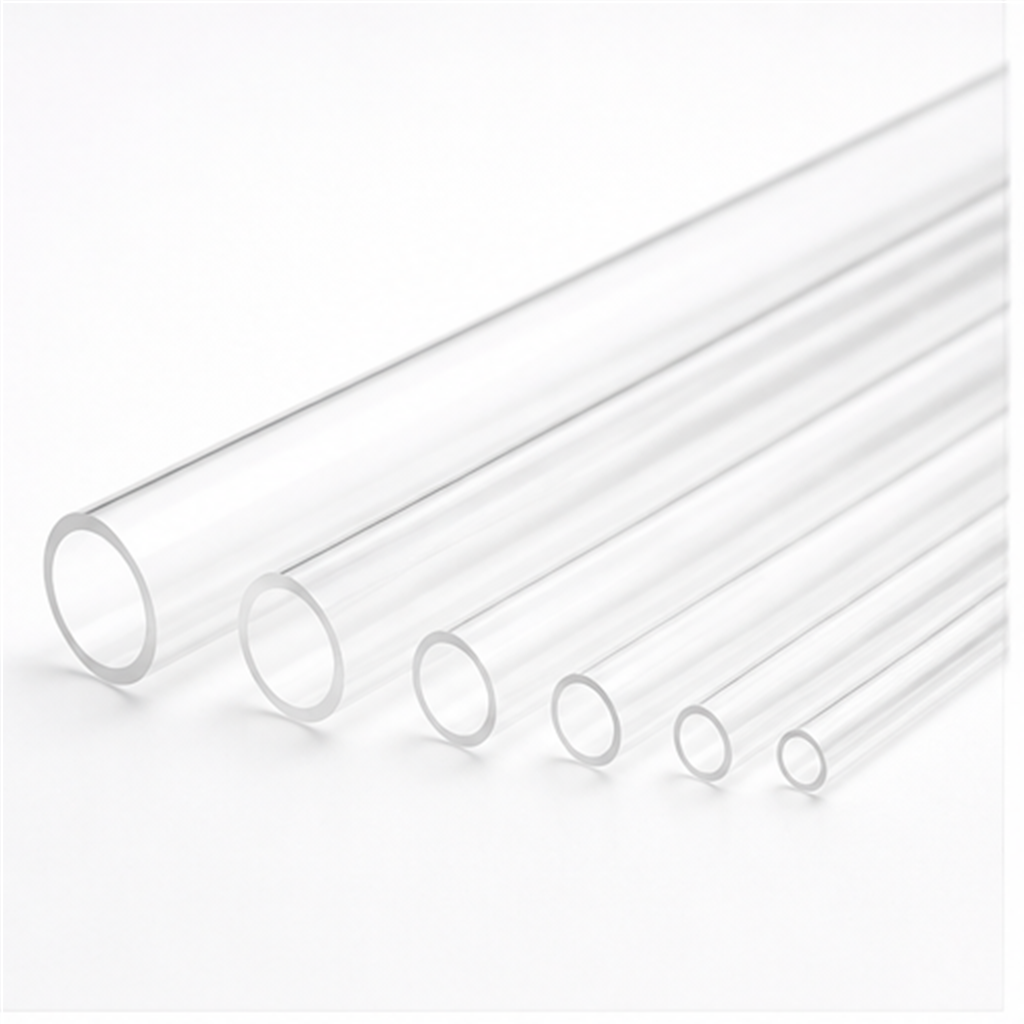
High Purity Clear Fused Quartz Glass Tube
The benchmark envelope tube for tungsten halogen and carbon fiber IR heating lamps. Near-zero OH content prevents devitrification under intense filament wattages.
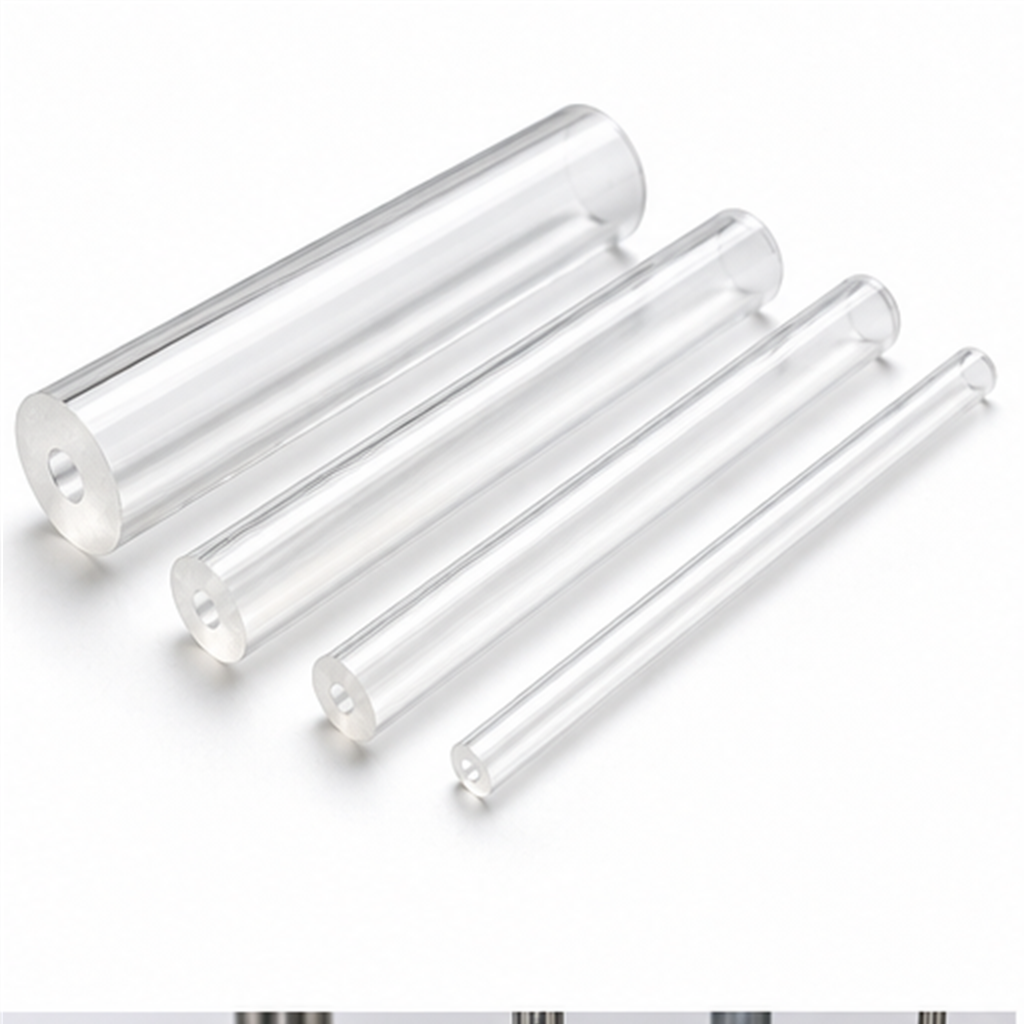
Heavy Wall Small Bore Quartz Glass Tube
Engineered for high-pressure lamp seals, localized precision gas delivery in etching chambers, and high-intensity focused infrared micro-burners.
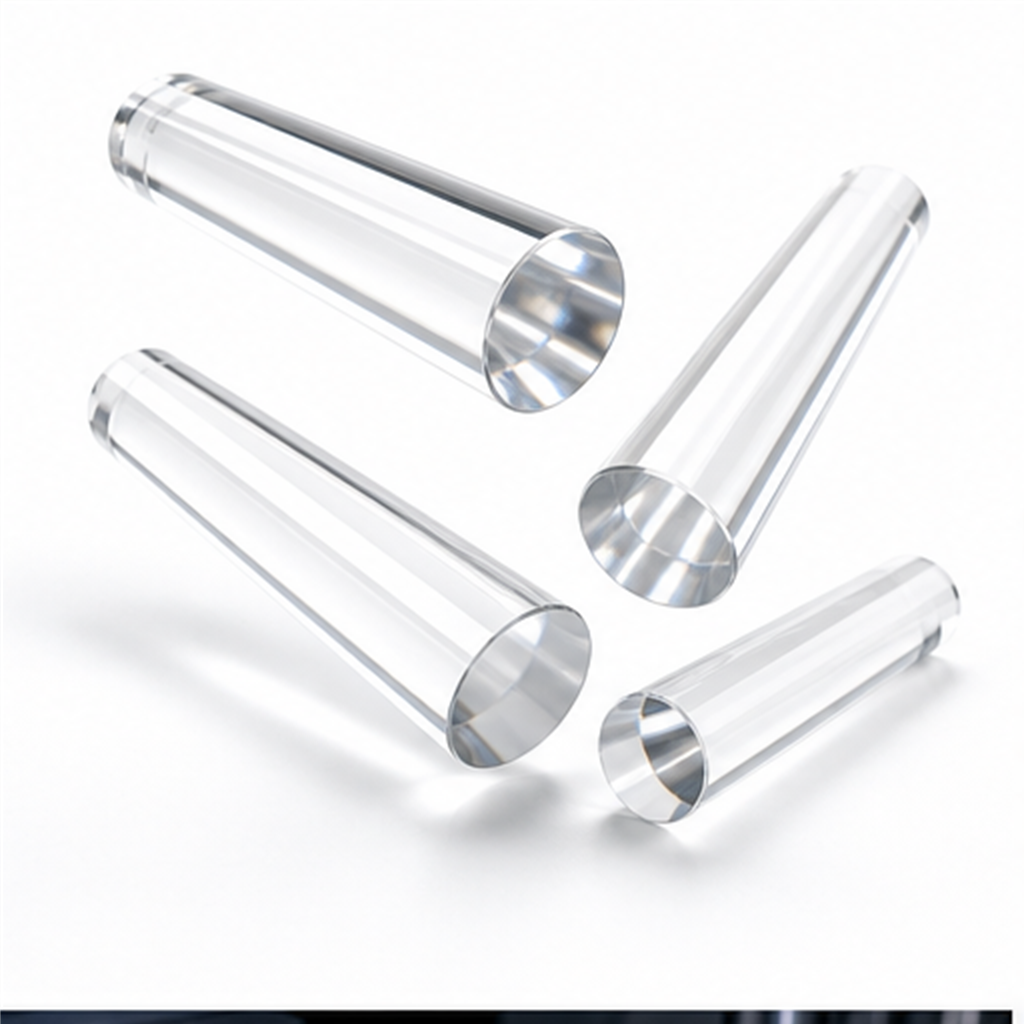
Solid Optical Clear Fused Quartz Glass Rod
Fire-polished light guide rods providing total internal reflection for targeted infrared beam routing, UV polymer curing, and semiconductor furnace supports.
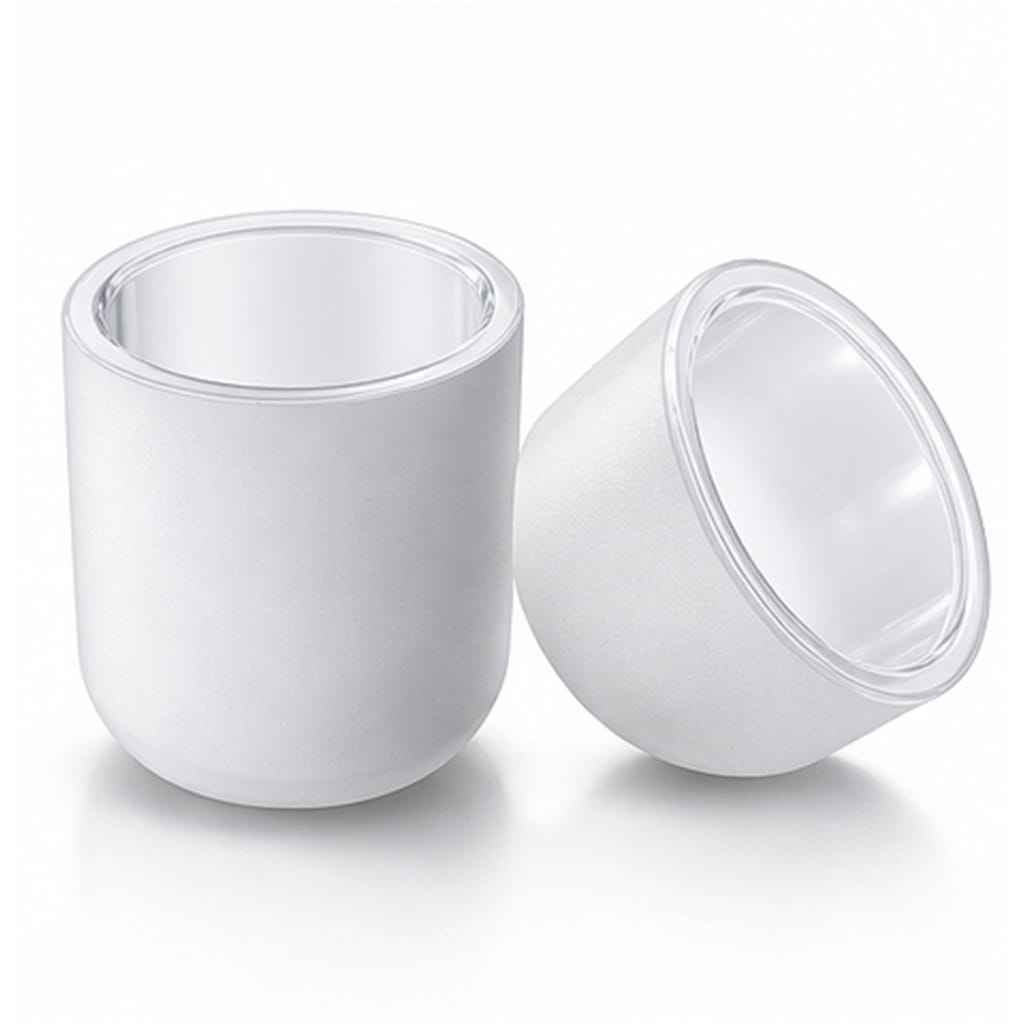
Bubble-Free US Sand Fused-Quartz Crucibles
Manufactured using rotational arc melting. Delivers zero micro-bubble shedding into molten silicon batches, optimizing photovoltaic crystal pull yields.
The Physics of High-Purity Fused Quartz Infrared Emission
Evaluating electromagnetic transmission efficiencies, coefficient of thermal expansion, and mechanical longevity in rapid-response industrial heating.
Electromagnetic Spectral Dynamics in Fused Silica Envelopes
In high-throughput industrial thermal processing, ordinary borosilicate or aluminosilicate glasses fail rapidly because of their high thermal expansion coefficients and significant infrared absorption bands between 2.7 µm and 4.5 µm. When an electric heating filament (whether tungsten halogen coiled or woven carbon fiber) operates at filament core temperatures ranging between 1200°C and 2600°C, radiant energy transmission without envelope absorption is critical.
Donghai Kemzo Quartz utilizes pure vitreous silica characterized by an extremely low coefficient of thermal expansion (5.5 × 10⁻⁷ /°C between 20°C and 300°C). This gives our heating lamp envelopes virtually absolute thermal shock immunity. An operative emitter tube running at 1000°C can be directly sprayed with ice-cold water without structural cleavage or micro-fracturing—an essential reliability safeguard for automation and robotics integration across Odense's automated production floors.
Furthermore, internal hydroxyl (OH⁻) content is rigorously maintained below 15 ppm through our vacuum electrothermal melting techniques. Lower OH content prevents envelope swelling, avoids devitrification (crystallization back into cristobalite), and keeps transmission stable over 5,000+ continuous operating hours at elevated sheath temperatures.
| Thermal Property / Metric | Kemzo Clear Fused Quartz | Standard Borosilicate 3.3 | Ceramic Infrared Emitters |
|---|---|---|---|
| Thermal Expansion (20-300°C) | 5.5 × 10⁻⁷ /°C | 33 × 10⁻⁷ /°C (6× higher) | ~60-80 × 10⁻⁷ /°C |
| Continuous Safe Temperature | 1100°C (1450°C short peak) | 450°C - 500°C max | 700°C - 800°C max |
| Thermal Response Velocity | 1 to 2 Seconds (Instant on/off) | Convective delay (>15 min) | Slow ramp-up (8 to 15 min) |
| Radiant Transfer Efficiency | > 90% Direct IR | Mixed convective (~45%) | Predominantly convective (~50%) |
| Cleanroom Class Suitability | ISO Class 1 to 5 (Zero particulate) | Prone to surface spalling | Particulate dusting risks |
Industrial Applications Across the Odense Manufacturing Hub
As the recognized robotics capital of Northern Europe, Odense requires radiant thermal solutions that combine compact physical geometry with microsecond responsive control.
Collaborative Robot (Cobot) Manufacturing
Odense Robotics pioneers precision cobot arms. Our twin-tube and single-tube short-wave quartz lamps are integrated into robotic end-effector toolheads for automated localized composite consolidation, adhesive heat-curing, and thermoforming.
Wind Blade & Marine Composite Processing
Southern Denmark is an epicentre for offshore wind research and lightweight composite hulls. Medium-wave quartz emitters deliver penetrating 2.0–3.0 µm energy that cures thick carbon-fiber and epoxy matrices uniformly without blistering surface resins.
Cleanroom Medical Device Thermoforming
The healthcare and biotech clusters around the University of Southern Denmark (SDU) require zero-particulate cleanroom thermal forming. Non-contact quartz radiant emitters prevent dust contamination, meeting ISO 14644 cleanroom criteria.
Power Electronics & Solder Reflow
Precision SMT reflow and semiconductor die bonding setups in Odense integrate high-purity clear fused quartz tubes as radiant heating guides and protective tunnel chambers, maintaining inert gas atmospheres up to 1100°C.
Food Tech & Continuous Sterilization
Industrial bakeries and dairy processing operations on the island of Funen deploy medium-wave quartz heating banks to sanitize conveyor belts and achieve precise moisture reduction without altering ingredient nutritional profiles.
High-Speed Industrial Paint & Powder Coating
Danish automated metal finishing lines utilize high-power quartz IR arrays equipped with rear-facing 24K gold reflectors. Radiative curing dries powder and water-based paints in 15% of the time required by traditional gas convection ovens.
The Danish Green Transition: Electrifying Process Heat by 2030
Denmark's binding commitment to slash carbon emissions by 70% before 2030 is revolutionizing thermal engineering across Funen and the Syddanmark region.
Replacing Inefficient Gas Convection with Targeted Quartz Radiation
Industrial thermal processes represent one of the most stubborn consumers of fossil gas in Denmark. Historically, manufacturers relied on centralized convective ovens where large volumes of air had to be brought to temperature, resulting in massive standby heat losses, low thermodynamic efficiency (often under 35%), and slow start-up intervals that compromised lean production schedules.
In accordance with the Danish Climate Act (Klimaloven) and the electrification mandates set forth by Energinet, Danish facilities are systematically replacing gas-fired furnaces with electric quartz infrared arrays. The advantages directly align with Scandinavian environmental and operational standards:
- Direct Energy Coupling: Electric quartz heating delivers immediate radiative heat directly to the product substrate without warming the surrounding air mass. This yields an overall system energy saving of between 40% and 65% compared to fossil convection.
- Zero Dynamic Standby: Short-wave and fast-response medium-wave quartz lamps ramp from cold to full operating output in under two seconds. Machines can shut down entirely during automated takt-time pauses and instantly reactivate when sensors detect incoming components.
- Grid Integration with Danish Wind Energy: Because electric quartz heating systems modulate instantly via thyristor power controllers (SCRs), manufacturing plants can dynamically scale thermal load in real time, synchronizing operations with wind generation abundance in the Nordic power pool (Nord Pool).
By sourcing high-purity quartz heating lamps directly from Kemzo Quartz, Odense engineering teams eliminate intermediary procurement costs while acquiring custom-tailored emitters that comply fully with EU ecodesign directives and strict RoHS limits.
Kemzo Quartz: Manufacturing Supremacy & Direct Export
Combining natural crystal raw material advantages from Donghai with world-class engineering, custom drawing verification, and prompt European logistics.
Crystal Capital Raw Purity
SiO₂ Up to 99.99%Located in Donghai, Jiangsu—China's crystal capital—we command direct access to natural quartz minerals, eliminating raw material contamination before melting begins.
OEM / ODM to CAD Drawing
11+ Years ExperienceFrom single prototypes to multi-thousand production runs. Send your mechanical drawings, filament wattages, or glass samples for complete CNC fabrication and fire polishing.
Rapid Engineering Triage
≤ 1 Hour ResponseDirect technical interaction without commission agents. Our engineers evaluate tolerances, thermal loadings, and quotation details in real time for European inquiries.
Export-Grade Protective Crate
70%+ Export RatioEvery quartz tube and lamp is isolated with individual shock-absorbing cellular foam and encased in moisture-sealed export-grade wooden cases for door-to-door transit to Odense.
Odense & European Procurement FAQ
Key technical, regulatory, and shipping considerations addressed for Danish plant managers, equipment integrators, and procurement directors.
Do your quartz heating lamps comply with EU CE, RoHS, and REACH directives?
Yes. All quartz tubes, carbon filaments, tungsten elements, and ceramic end-caps are certified compliant with EU RoHS and REACH restrictions. Complete material safety data sheets (MSDS) and declarations of conformity are provided with each commercial shipment to Odense and Copenhagen customs.
What is the standard delivery lead time from Donghai to Funen (Odense)?
Standard prototype and sample orders are fabricated within 5 to 7 working days and dispatched via DHL, FedEx, or UPS express directly to Odense within 4 to 6 business days. Volume sea container consignments ship via Lianyungang/Qingdao port to Aarhus or Copenhagen within approximately 28 to 34 days.
How do you guarantee that fragile quartz lamps will not break in transit?
Over a decade of exporting fragile scientific quartz to North America and Europe has perfected our packaging methodology. Each lamp is seated in high-density customized EPE foam channels, nested inside thick inner cartons, and suspended within heavy-ply wooden crates reinforced with steel strapping and impact-indicating labels.
Can you replicate or replace obsolete European heating lamps (e.g., Heraeus, Ushio)?
Yes. We regularly supply cross-compatible drop-in replacements for European and Japanese OEM emitters. Simply send us the electrical wattage, operating voltage, total length, heated length, tube profile (e.g., 23×11mm twin-tube or 12mm round tube), and termination leads. We guarantee 100% mechanical and electrical fit.
Which reflector coating is recommended: 24K Gold or White Ceramic?
For short-wave applications where process temperatures remain under 600°C, our 24K nano-gold reflector yields up to 98% directional infrared reflection. For heavy continuous heating where emitter sheath temperatures exceed 800°C–900°C, we apply our specialized white diffuse ceramic coating, which resists thermal oxidation indefinitely.
What payment and Incoterms are available for Danish corporations?
We support standard international commercial terms including FOB, CIF, CFR, and door-to-door DDU/DDP delivery right to your facility in Odense. Payments can be transacted in EUR, USD, or DKK via wire transfer (T/T), Letter of Credit (L/C), or PayPal for prototype runs.
Accelerate Your Thermal System Efficiency Today
Share your CAD drawings, required infrared wavelength spectra, or replacement tube specifications. Our engineering directors will evaluate your requirements and deliver complete technical pricing within 60 minutes.