Precision Quartz Products & Components
Manufactured from ultra-pure natural quartz silica (≥ 99.99% SiO₂) in Donghai, engineered for extreme thermal shock, precision optics, and mission-critical industrial heating installations.
1. The Thermodynamics of Industrial Quartz Infrared Lamps: Principles and Spectral Matching
In thermal processing facilities across Southeast Asia, quartz infrared (IR) emitters have emerged as the definitive benchmark for precision, energy-conserving non-contact heating. Unlike conventional convective or resistive conduction systems—which depend heavily on heating the intermediate air mass—infrared radiation functions as direct electromagnetic energy transfer. The emitted electromagnetic flux is absorbed directly by the atomic lattice of target substrates, triggering resonance and near-instantaneous thermal transformation.
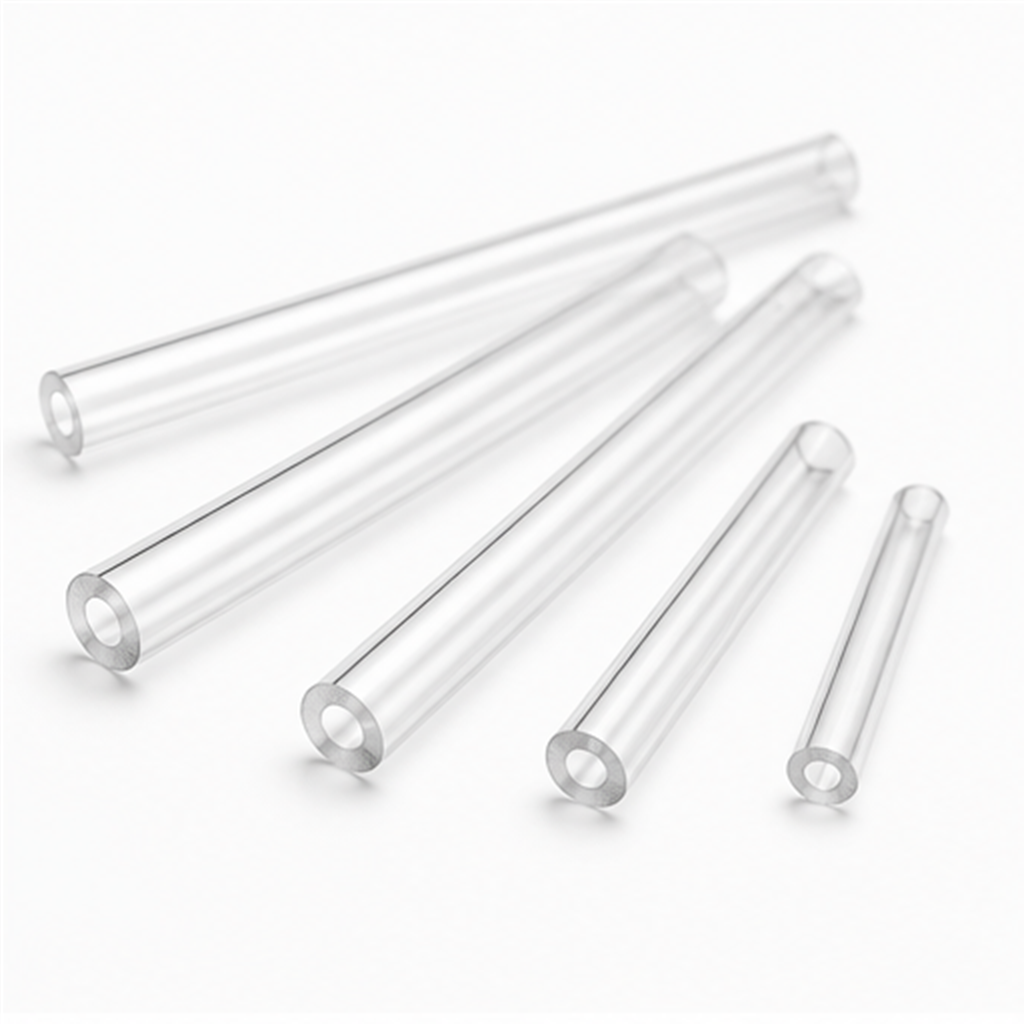
Donghai Kemzo Quartz Products Co., Ltd. builds its infrared lamps and protective quartz sleeves utilizing raw quartz melted from natural Donghai crystals, yielding high-purity amorphous fused silica characterized by an extremely low coefficient of thermal expansion (5.5 × 10⁻⁷/°C). This structural stability enables our emitters to withstand aggressive thermal cycling without spalling, devitrification, or thermal shock fractures when shifting from ambient to over 1100 °C in fractions of a second.
Wavelength Categorization in Industrial Infrared Radiators:
- Shortwave Infrared (SWIR, 0.78 – 1.4 μm): Features color temperatures exceeding 2200 K. Offers extreme depth penetration, high power densities (up to 80 W/cm), and sub-second warm-up/cool-down response. Critical for rapid flash-curing, localized surface fusing, and high-speed thermoforming.
- Fast-Response Medium Wave (FRMW, 1.4 – 2.0 μm): Balances deep penetration with surface absorption, bridging the physical reaction gap between immediate halogen lamps and traditional medium-wave emitters. Ideal for delicate substrate processing where thermal stress must be minimized.
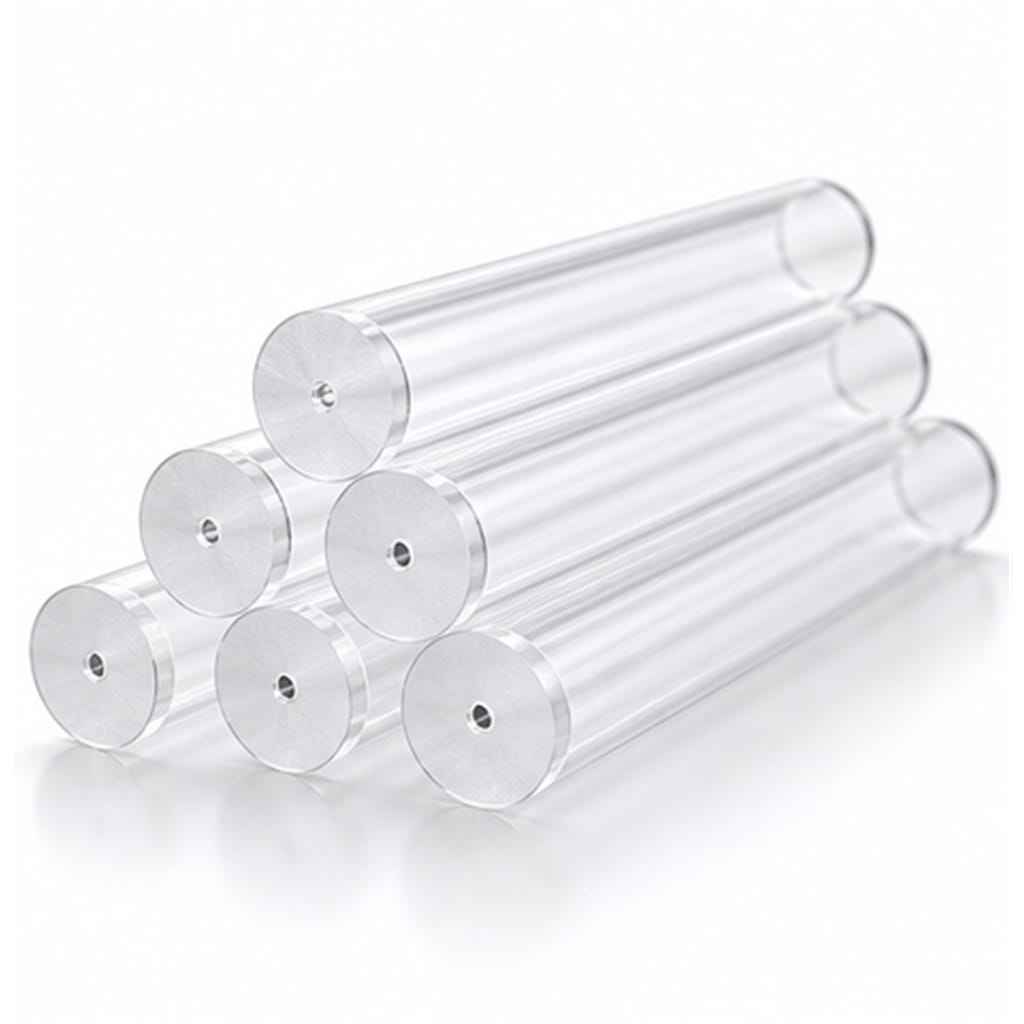
- Medium Wave Infrared (MWIR, 2.0 – 4.0 μm): Displays emission bands corresponding exactly with the fundamental liquid water OH-stretch resonance (2.7 – 3.0 μm) and organic macromolecular bonds. Utilizes carbon composite filaments or nickel-chromium coils inside twin-bore or single quartz tubes to dry, bake, and cure paints, lacquers, and agro-commodities without blistering.
2. Localized Industrial Application Scenarios in Bago Region
The Bago Region, strategically positioned along the major logistic transit spine connecting Yangon with central Myanmar, is undergoing a profound industrial transition. As industrial parks expand across Bago city and the adjacent Hanthawaddy corridor, manufacturing and processing plants face strict demands for yield optimization, electrical energy conservation, and operational reliability despite local power grid volatility. Specialized quartz infrared lamp assemblies offer significant operational advantages in multiple key regional industries:
Agro-Industrial Grain & Seed Dehydration
Bago is a vital agricultural production basin for paddy rice, pulses, and grain products. Traditional drying approaches rely on convective diesel blowers, biomass smoke ovens, or open sun exposure, which risk uneven moisture profiles and localized overheating. Tuned Medium-Wave Quartz Emitters emit at 2.7 μm—resonating directly with intra-seed moisture molecules. This enables rapid, non-destructive water evaporation at lower ambient temperatures, preserving grain crack resistance, seed viability, and milling head yield.
Garment & Screen-Printing Textile Curing
Light manufacturing and garment assembly are expanding rapidly across the Bago Industrial Zone. High-speed automatic screen-printing carousels and continuous conveyor lines demand compact flash-cure and tunnel-dryer units. Shortwave and Fast Medium-Wave twin-tube quartz emitters provide precise on/off switching synchronized with pallet indexers. This cuts idle power usage by up to 65% while curing plastisol and water-based inks without scorching sensitive synthetic textile blends.
Timber, Wood Coating & Lacquer Curing
Bago's proximity to central forestry sectors supports an active timber and furniture conversion sector. Applying polyurethane, nitrocellulose, or waterborne stains demands progressive curing from inside out. Conventional hot-air ovens cause premature skinning, trapping volatile solvents and creating pinholes. Medium-wave quartz lamps penetrate wet coatings, initiating polymerization at the wood-finish interface to yield pristine, bubble-free commercial finishes.
Plastics Thermoforming & PET Preforms
Regional beverage and consumer goods packing relies heavily on automated blow molding and sheet vacuum-forming equipment. High-density quartz linear halogen heating elements provide precise temperature zoning along preform axes, eliminating wall thickness variations in high-temperature, humid regional environments.
Rubber & Latex Vulcanization Continuous Lines
Processing lines for natural latex and automotive extrusions depend on steady, non-contact thermal transfers. Quartz twin-tube elements equipped with integrated 24K gold or white ceramic reflectors focus more than 95% of radiant energy toward process zones, maintaining steady cure kinetics during production shifts.
Analytical Laboratories & Materials Testing
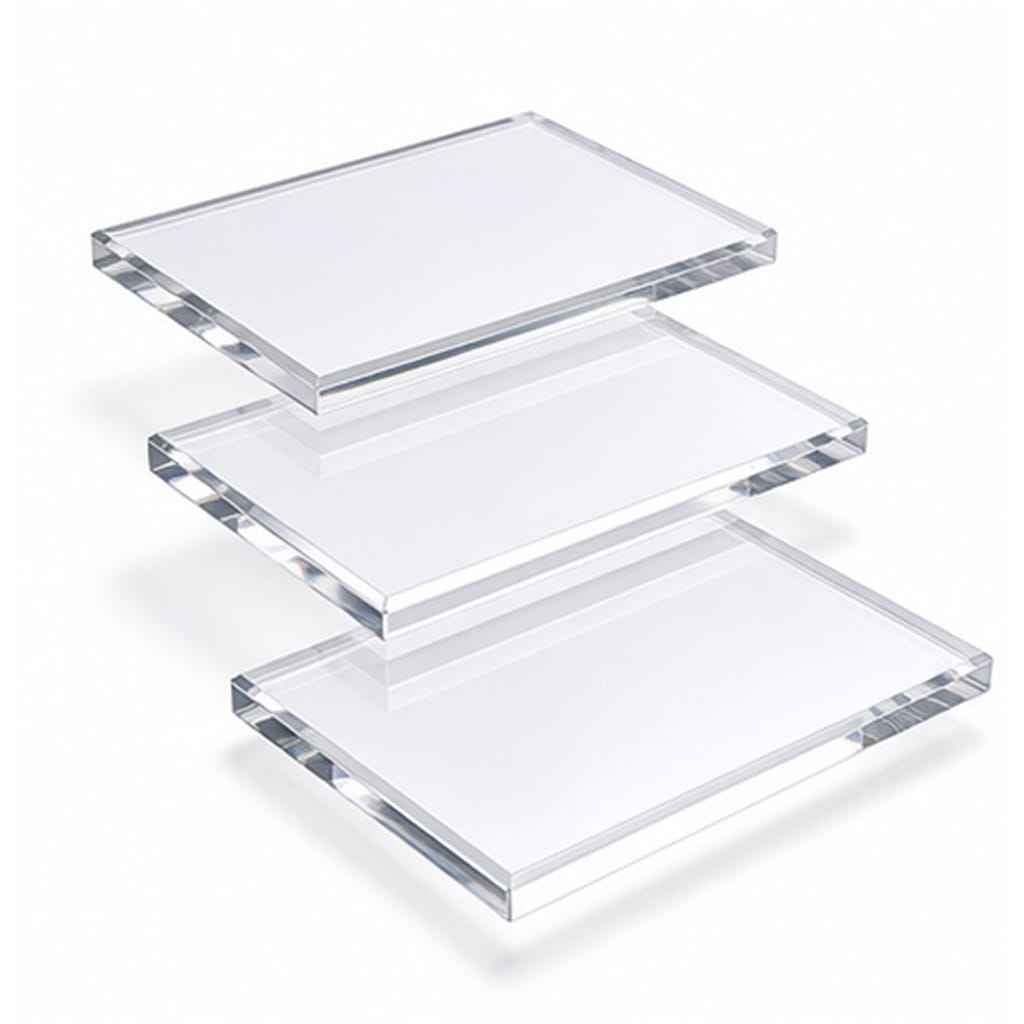
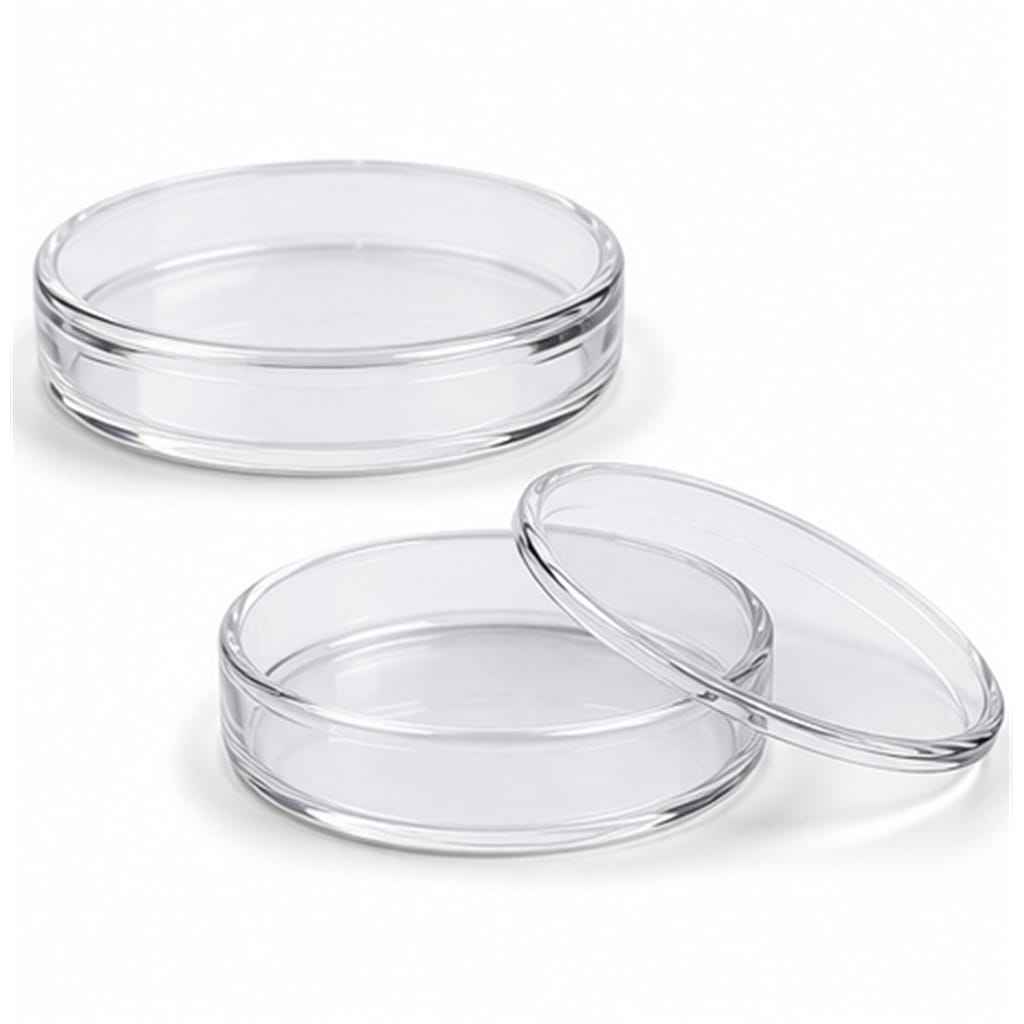
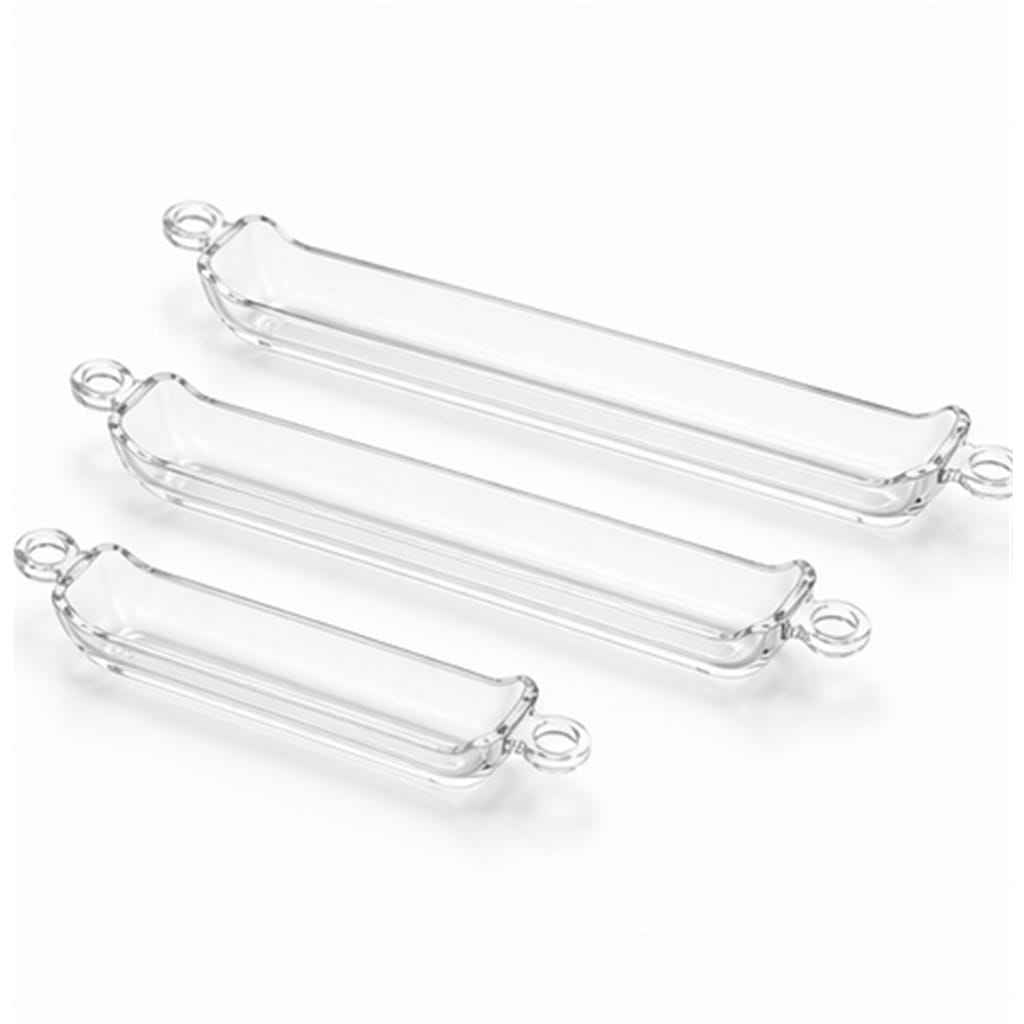
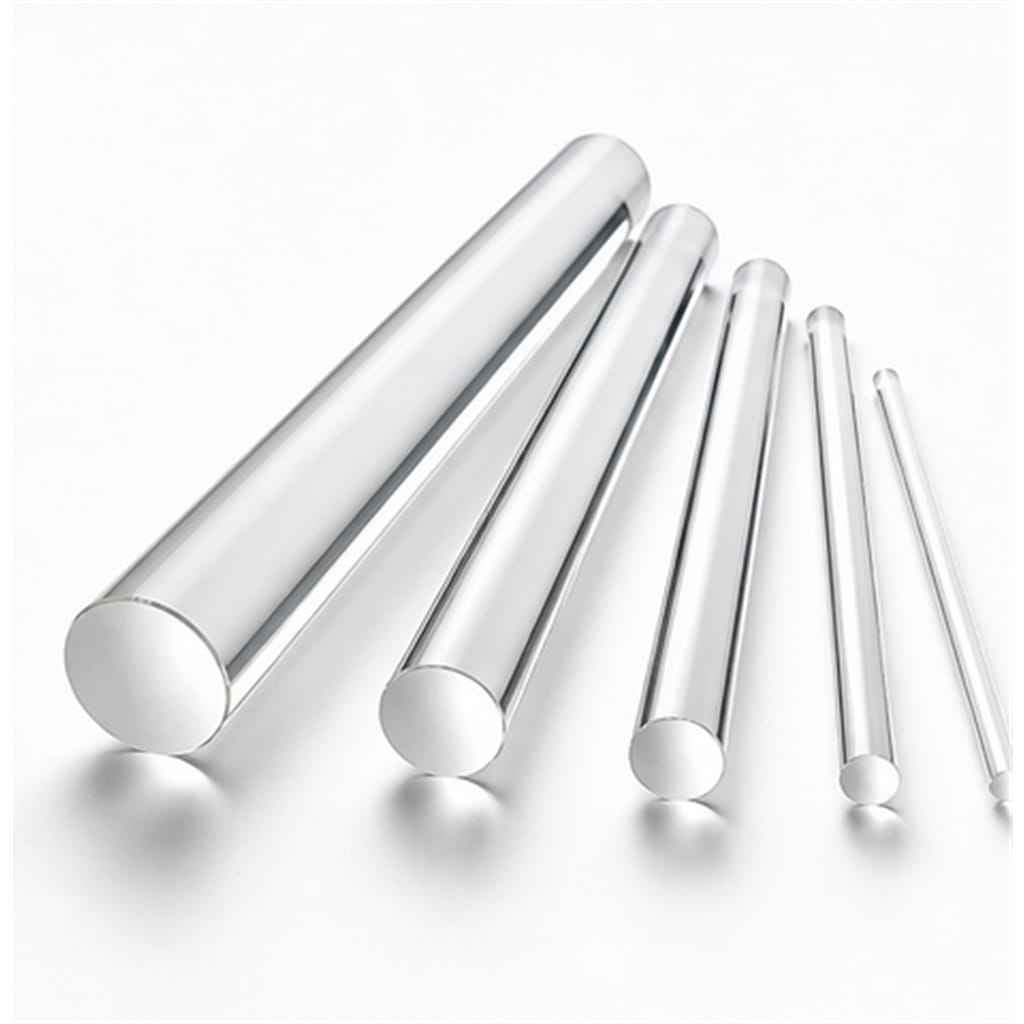
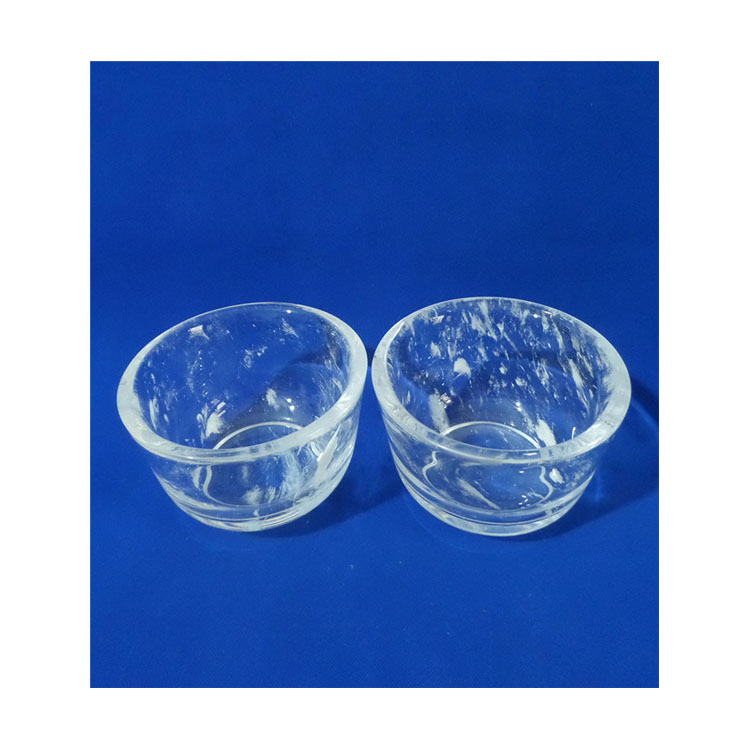
Regional agricultural labs and processing QA facilities require combustion vessels, crucibles, and optical cuvettes capable of handling aggressive acid digestions and extreme furnace temperatures up to 1450 °C. Our fused quartz ware remains chemically inert and dimensionally stable under intense conditions.
3. Modernization Trends in Bago: Electrification, Energy Efficiency & Grid Resilience
As Myanmar works to strengthen its industrial energy resilience, production facilities in Bago are transitioning away from high-emission biomass boilers and inefficient resistance heating elements. This shift is guided by three technical and economic factors:
1. Minimizing Thermal Inertia Under Unstable Power: Industrial plants operating alongside backup diesel generation need systems that turn on and cool down instantly. Metal sheath heaters and heavy ceramic blocks require 15 to 45 minutes of preheating, wasting fuel and electric power. In contrast, Shortwave and Carbon Quartz Infrared Lamps reach 100% operational thermal output in 1 to 3 seconds. This rapid cycling minimizes energy loss during power changeovers and line stoppages.
2. Direct Directional Efficiency via Integrated Reflectors: Standard tubular heaters emit energy omnidirectionally (360 degrees), wasting half their output on furnace back-walls. Kemzo Quartz applies high-purity 24K gold or diffuse-white ceramic coatings directly onto the reverse facet of the quartz envelope. This geometry reflects 90% to 95% of stray emissions directly toward target materials, cutting total installed kilowatt demands across factory conveyor ovens by up to 35%.
3. Clean Process Hygiene in Food & Garments: Biomass smoke, flue gases, and oil residue from hot-air blowers risk contaminating food items, garments, and export-grade timber. Quartz infrared heating provides pure radiant energy without forced air movement, preventing the redistribution of airborne dust, lint, and contaminants across processing areas.
Comparative Performance Matrix: Industrial Heating Technologies
| Heating Technology | Color Temp / Peak Wave | Response Time | Thermal Transfer Efficiency | Suitability for Bago Industries |
|---|---|---|---|---|
| Shortwave Quartz Lamp (Kemzo SW) | 2200 K – 2700 K / 1.0 – 1.2 μm | 1 – 2 Seconds | Up to 92% (Radiant) | High: Garment flash curing, plastics, rapid production lines |
| Twin-Tube Carbon IR (Kemzo CIR) | 1200 K – 1500 K / 2.0 – 2.6 μm | 3 – 8 Seconds | Up to 88% (Radiant) | Optimal: Water evaporation, agro-grain, wood lacquer drying |
| Fast Medium Wave Twin-Tube | 1600 K – 1900 K / 1.4 – 1.8 μm | 2 – 4 Seconds | Up to 85% (Radiant) | High: Powder coating, PET heating, composite consolidation |
| Ceramic Infrared Emitter | 600 K – 900 K / 3.0 – 6.0 μm | 10 – 20 Minutes | 50% – 60% (Mixed) | Low-Medium: Long warm-up cycles risk energy waste during grid drops |
| Convective Hot-Air Blowers | Ambient to 250 °C / Non-Radiant | 30+ Minutes | 30% – 45% (Convective) | Low: High thermal losses, dust circulation, high maintenance |
4. Donghai Kemzo Quartz: Manufacturing Scale, Quality Assurance & Export Prowess
Headquartered in Donghai County, Lianyungang, Jiangsu Province—globally acknowledged as China's crystal hub—Donghai Kemzo Quartz Products Co., Ltd. has specialized in precision quartz melting, mechanical processing, and international supply since 2011. Our operations span over 1,000 to 3,000 m² of production floor space, supported by 10+ dedicated production lines and an experienced engineering team.
Recognized as a verified Jiangsu High Technology Enterprise and certified under the ISO 9001 Quality Management System, Kemzo maintains complete oversight across the quartz manufacturing process. From raw quartz sand sorting to continuous tube drawing, CNC cold grinding, hydrogen-oxygen flame torch manipulation, and controlled electrical annealing, every part is built to exacting dimensional and metallurgical standards.
Purity-Controlled Raw Materials
By leveraging Donghai's natural quartz reserves, Kemzo uses high-purity natural crystal sand containing 99.9% to 99.99% SiO₂. Low trace alkali metal concentrations (Fe ≤ 1.5 ppm, Al ≤ 15 ppm) prevent premature devitrification and ensure optical clarity across heating cycles.
Full Thermal & Optical Customization
We provide extensive OEM and ODM manufacturing based on client drawings and samples. Custom options include single-bore tubes, 23x11 mm or 33x15 mm twin-bore profile tubes, gold/ceramic back-reflectors, specific base configurations (R7s, SK15, metal tags, lead wires), and custom wattages up to 6,000 W.
Rapid Engineering Response
Our multilingual international sales and technical support departments maintain an average response time of ≤ 1 hour during business hours. We review technical specifications, confirm thermal expansion tolerances, and deliver actionable quotes quickly.
Export-Grade Packaging
Quartz items and infrared elements are protected against the rigors of maritime and multi-modal transit. Every emitter is wrapped in shock-absorbing EPE foam sleeves, individually housed in rigid paper tubes, and packed in reinforced, palletized wooden export crates.
Flexible Global Trade Terms
We work under comprehensive Incoterms (FOB, CFR, CIF, EXW, DDU, and Express Door-to-Door) through Yangon ports and major regional hubs, accepting payments in USD, EUR, AUD, HKD, and CNY via secure T/T and L/C channels.
Rigorous Factory Quality Control
All quartz batches undergo strict spectrographic checks, dimensional verification using digital calipers and optical comparators, high-temperature annealing for stress relief, and 100% electrical continuity testing prior to crating.
Bago Procurement & Engineering FAQ
Key technical, electrical, and logistics considerations for engineers and procurement managers sourcing quartz infrared systems for operations in Bago.
How do Kemzo quartz infrared lamps handle local power grid fluctuations in Bago?
Which infrared wavelength is ideal for agro-processing, paddy rice, and grain drying?
What packaging protections are used to prevent transit damage and monsoon moisture ingress?
Can Kemzo build custom quartz infrared lamps based on non-standard machinery drawings?
How should operators clean and handle high-purity quartz lamps to prevent devitrification?
What typical shipping lead times and documentation are provided for Bago-bound shipments?
Upgrade Your Industrial Thermal Systems with Kemzo Quartz
Consult with our engineering team regarding high-purity fused quartz emitters, replacement components, and custom-engineered quartz ware tailored for manufacturing and processing facilities in Bago.