Precision Quartz Products for Peja
ISO 9001 certified ultra-high purity fused quartz components manufactured to exact technical specifications and custom engineered drawings.
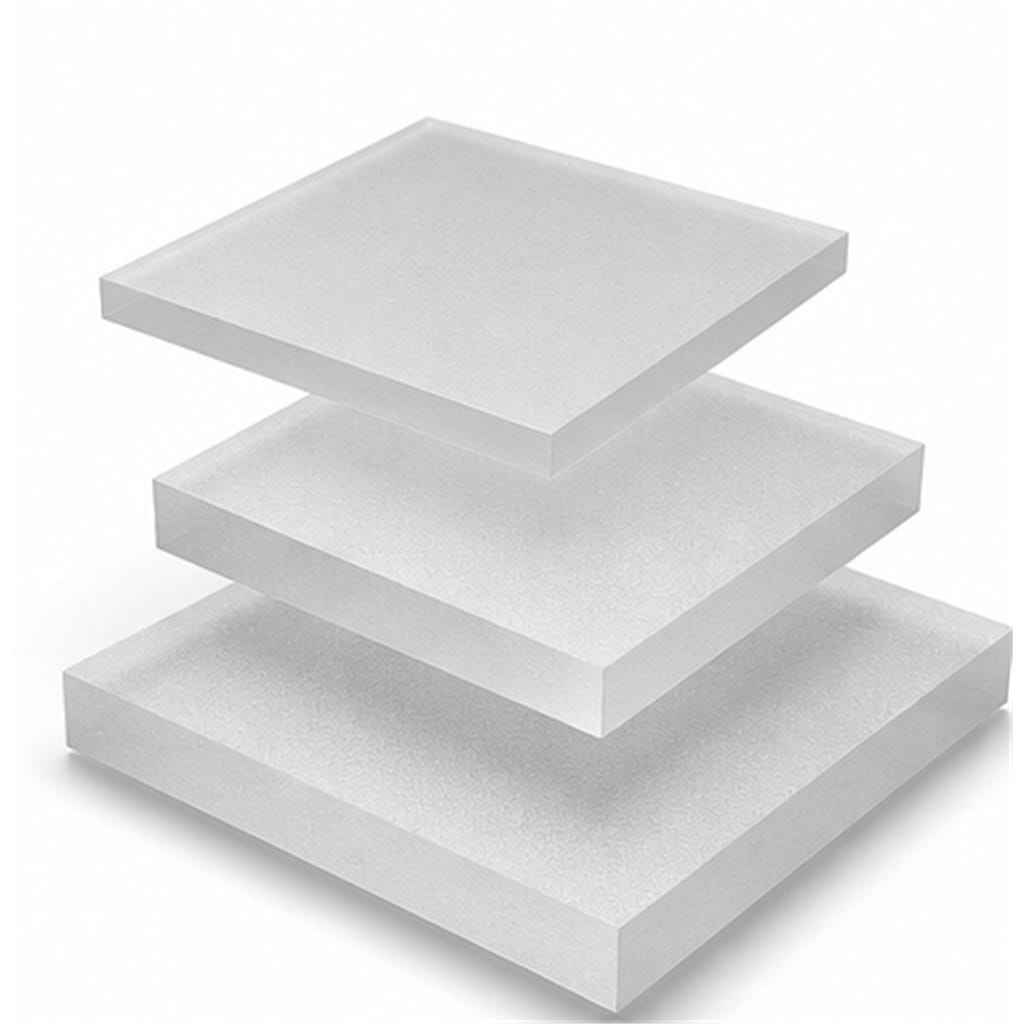
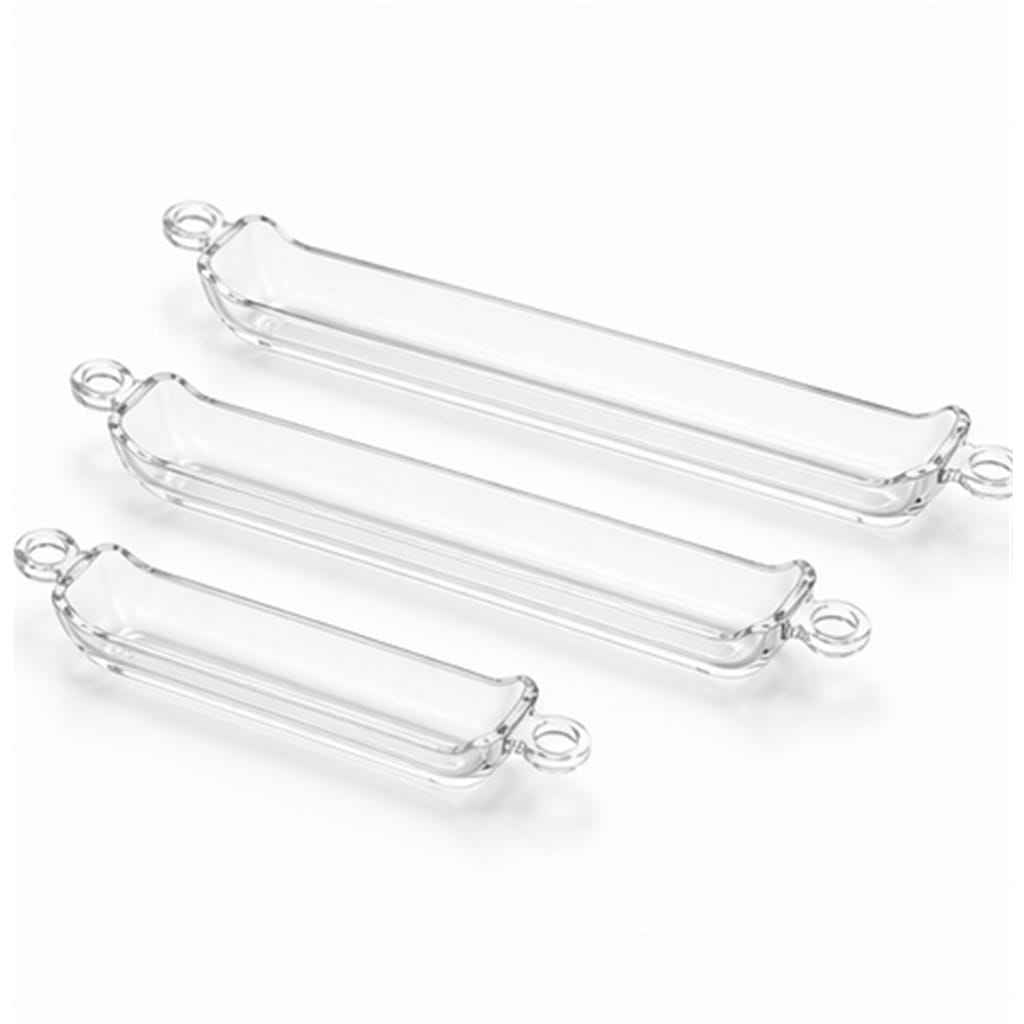
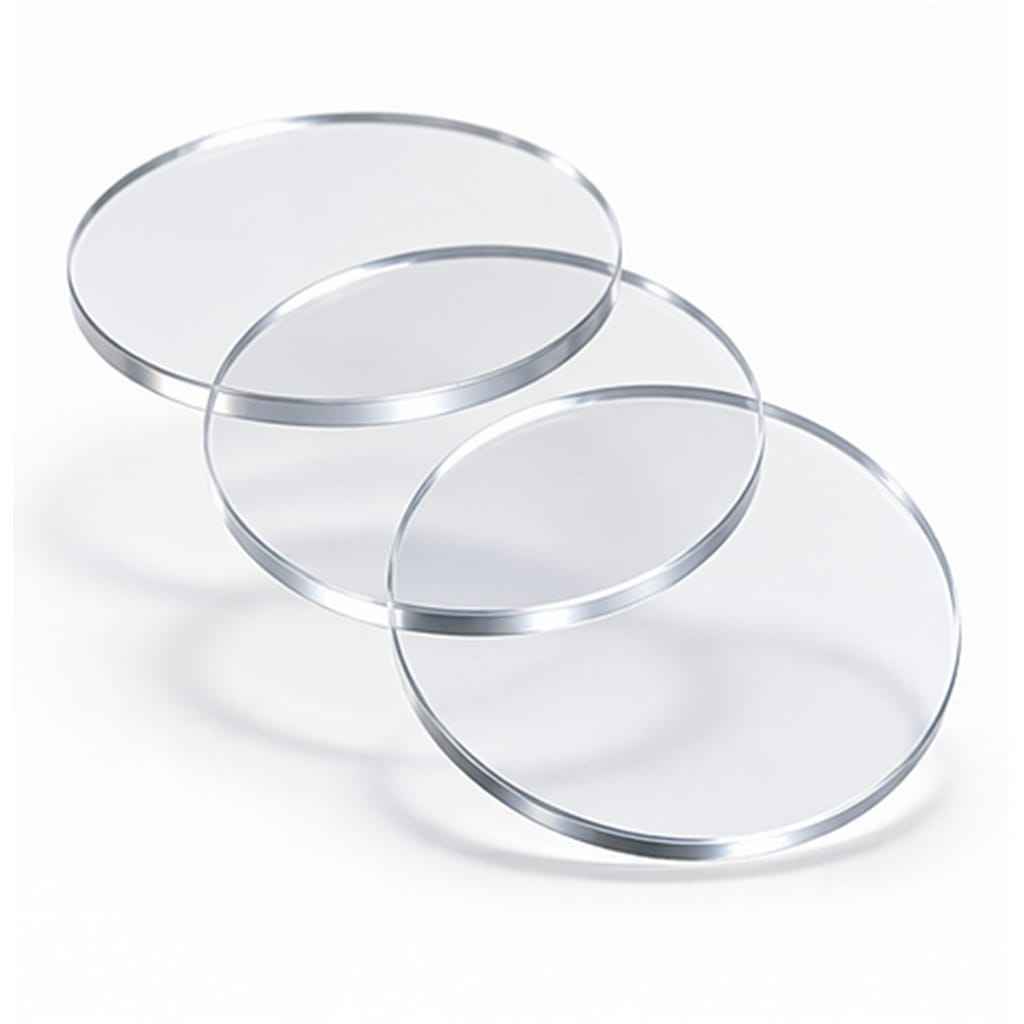
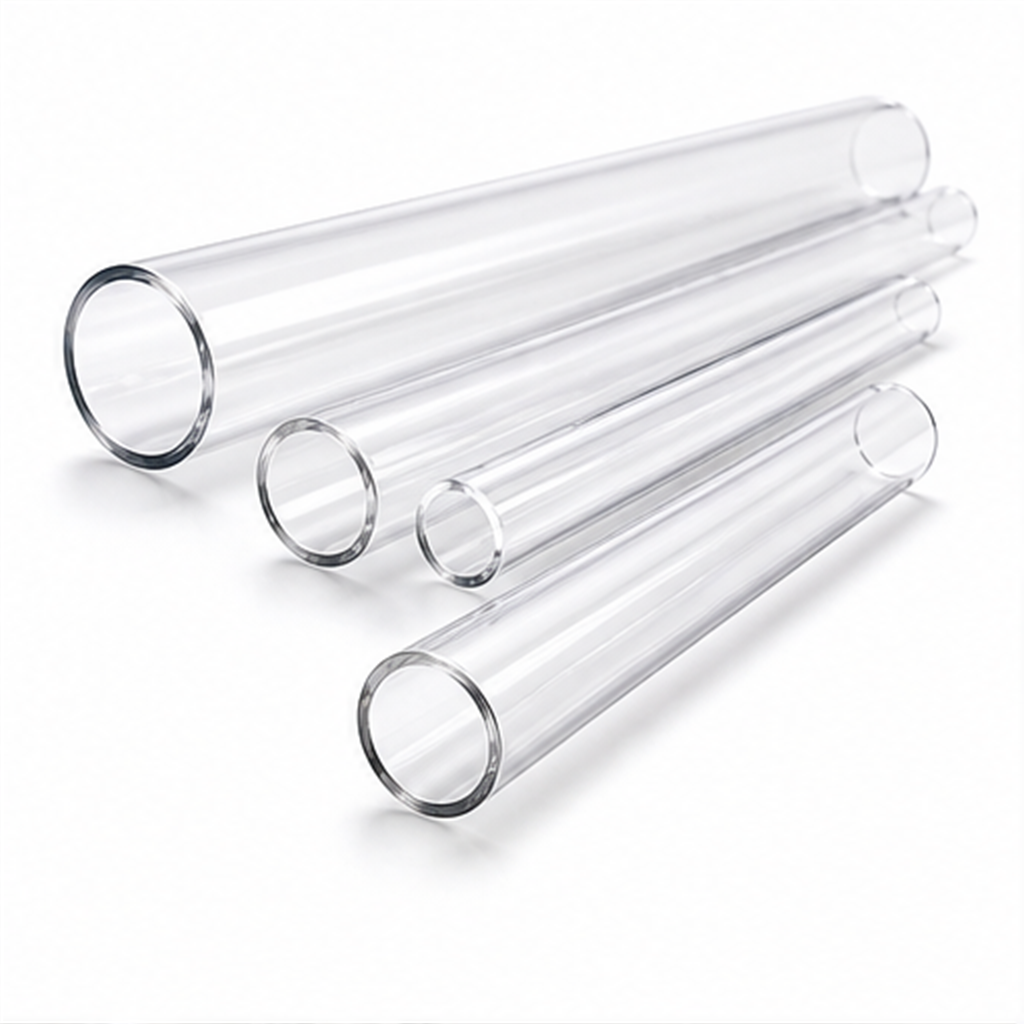
1. Whitepaper: High-Purity Fused Quartz Materials in Modern Thermal Metallurgy
In modern pyrometallurgical processing, advanced chemical synthesis, and high-precision laboratory testing, the structural integrity of thermal containment vessels directly governs process efficiency, output yield, and contamination prevention. As industrial facilities across Peja (Peć) and the Dukagjini valley region of Kosovo expand their capabilities in non-ferrous metal recycling, precious metal refining, specialized glass craft, and analytical chemical testing, the demand for premium-grade fused quartz melting crucibles has reached unprecedented levels.
Donghai Kemzo Quartz Products Co., Ltd., operating from Donghai County—globally recognized as China’s premier quartz crystal capital—manufactures high-purity fused quartz crucibles, transparent furnace tubes, and custom optical glass components engineered specifically to withstand continuous thermal loads up to 1100°C and short-term thermal peaks reaching 1450°C.
2. Structural Dynamics & Material Science of Kemzo Fused Quartz Crucibles
Fused quartz is fabricated by melting highly purified natural quartz crystals ($SiO_2 \ge 99.99\%$) under high-temperature induction or gas-oxygen flame furnaces at temperatures exceeding 1700°C. Unlike multi-component glasses containing soda, lime, or boron oxides, pure fused quartz consists entirely of a three-dimensional silicon-oxygen tetrahedral network.
This single-component amorphous matrix yields extraordinary chemical, thermal, and mechanical advantages essential for thermal metallurgy and laboratory processing in Peja:
- Ultra-Low Impurity Profile: Total trace element impurities (including Fe, Al, Na, K, Li, and Ca) are strictly controlled below 20 ppm. This ensures zero unwanted elemental diffusion into molten precious metals, high-purity alloys, or semiconductor substrates.
- Devitrification Resistance: Under prolonged heating above 1150°C, amorphous quartz gradually transitions into crystalline cristobalite. Kemzo’s specialized annealing and surface polishing processes significantly retard devitrification kinetics, extending crucible service life by up to 40% compared to standard commercial quartz.
- Chemical Inertness: Fused quartz displays total resistance to water, organic solvents, halogen gases, and virtually all concentrated acids (including $HCl$, $H_2SO_4$, $HNO_3$, and Aqua Regia) at elevated temperatures. Only hydrofluoric acid ($HF$) and hot phosphoric acid ($H_3PO_4 > 150^\circ C$) attack the silica structure.
3. Localized Application Vectors in Peja & Western Kosovo
Peja serves as a vital economic and manufacturing hub in western Kosovo. Its diverse industrial base requires robust thermal containment solutions tailored to specific regional application vectors:
Precious Metal Refining & Jewelry Craft
Dukagjini’s renowned goldsmithing and silver filigree artisan networks utilize Kemzo clear and opaque quartz crucibles for clean induction melting of gold, silver, and platinum alloys with zero slag adhesion.
Industrial Laboratories & Environmental Quality
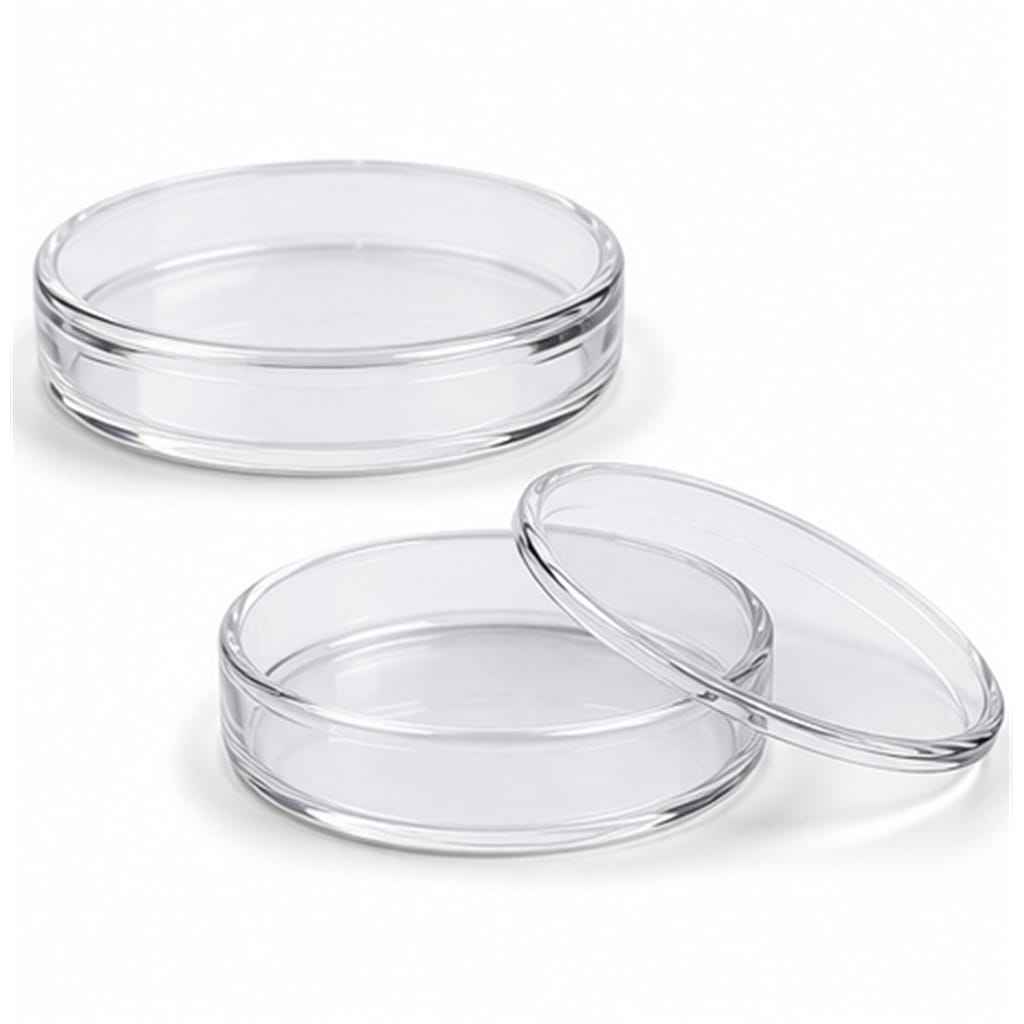
Analytical testing centers and beverage quality assurance laboratories in Peja employ Kemzo quartz petri dishes, combustion vessels, and spectrophotometer cuvettes for accurate acid digestion and trace element testing.
Thermal Processing & Custom Furnaces
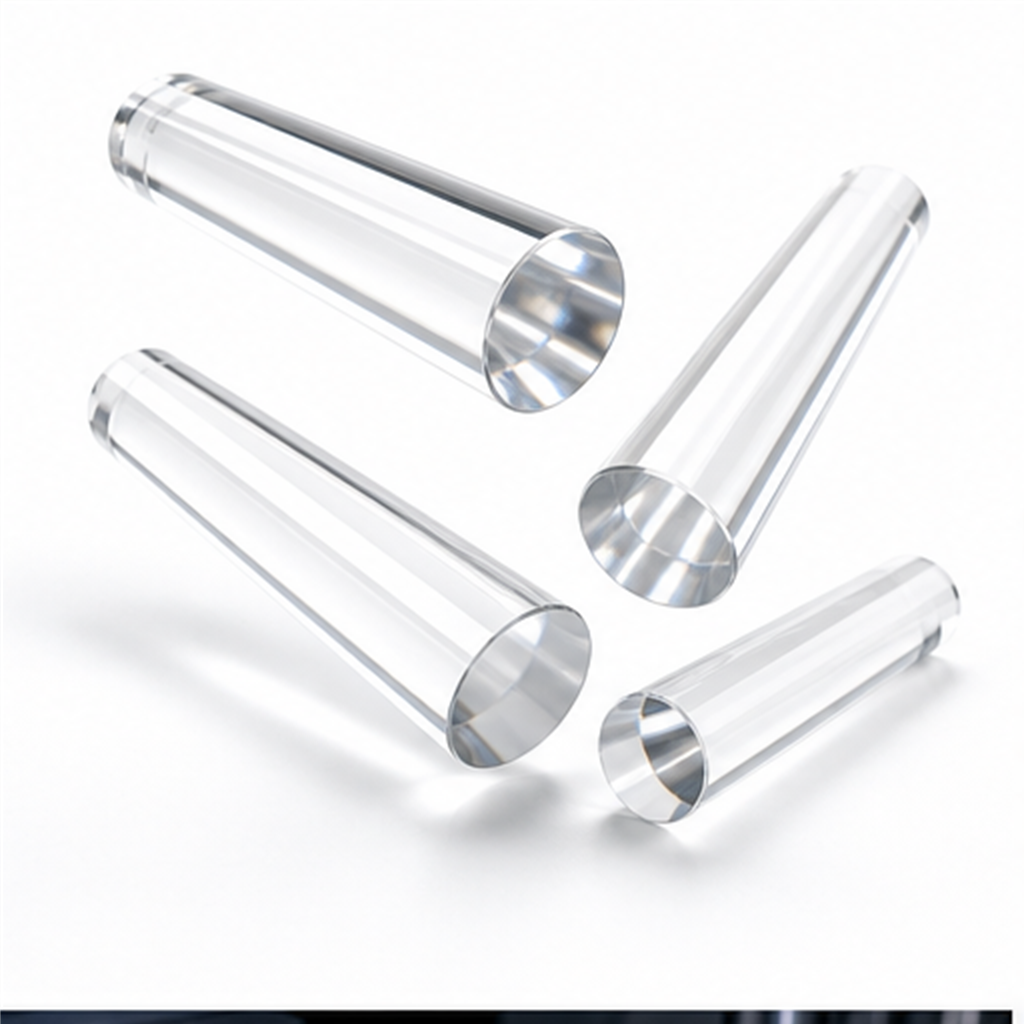
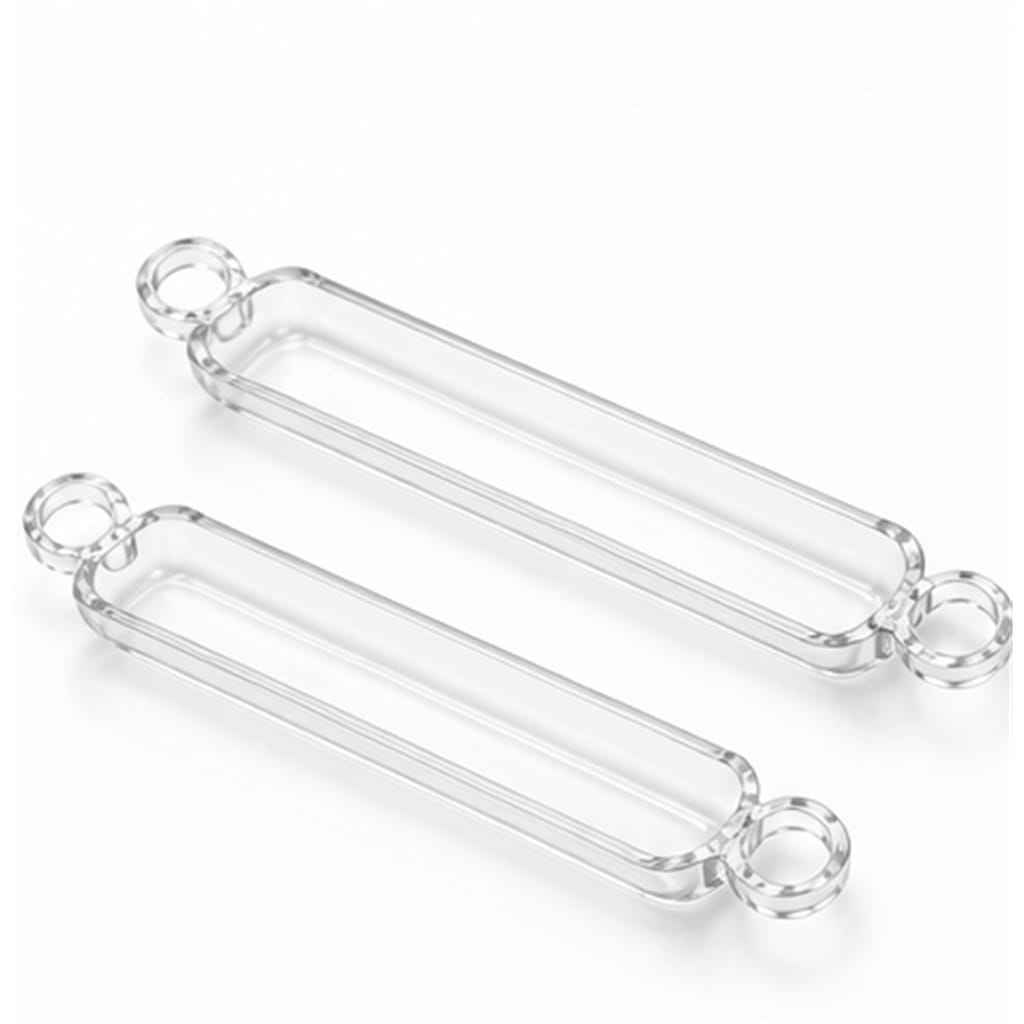
Local thermal engineering firms servicing industrial kilns incorporate Kemzo transparent furnace tubes and combustion boats for reliable heat treatment under reactive gas atmospheres.
4. Comparative Performance Matrix: Fused Quartz vs. Alternative Crucible Materials
Selecting the correct crucible medium is vital to prevent catastrophic vessel rupture, material loss, and production downtime. The following matrix illustrates the performance thresholds of Kemzo transparent fused quartz against traditional industrial ceramics:
| Material Parameter | Kemzo Fused Quartz ($SiO_2$) | Alumina Ceramic ($Al_2O_3$) | Graphite (Clay-Bonded) | Silicon Carbide ($SiC$) |
|---|---|---|---|---|
| Continuous Max Temp | 1100°C (1450°C short peak) | 1600°C | 500°C (Air) / 2000°C (Inert) | 1350°C |
| Thermal Expansion (20-300°C) | 5.5 × 10⁻⁷ / °C | 80 × 10⁻⁷ / °C | 40 × 10⁻⁷ / °C | 45 × 10⁻⁷ / °C |
| Thermal Shock Resistance | Outstanding (Direct Quench) | Moderate to Poor | Fair | Good |
| Acid Resistance ($HNO_3, Aqua Regia$) | Total Resistance | Good | Poor (Oxidizes) | Moderate |
| Chemical Purity Level | 99.99% Ultra-Pure | 99.0% - 99.7% | 98.0% (Carbon Contamination) | Variable Binder Impurities |
| Visual Transmittance | High Clarity / Optical Grade | Opaque White | Opaque Black | Opaque Dark Grey |
5. Enterprise Advantages: Why Peja Industrial Procurement Teams Choose Kemzo Quartz
Navigating international supply chains for delicate quartz glass requires a supplier with proven manufacturing authority, rigorous quality systems, and export-grade protective packaging. Donghai Kemzo Quartz Products Co., Ltd. provides a complete end-to-end guarantee for B2B buyers in Kosovo:
ISO 9001 Certified Quality Architecture
Every crucible, tube, and plate undergoes strict dimensional check, polariscopic stress measurement, and visual inspection under high-intensity backlight before dispatch.
11+ Years Precision OEM Custom Fabrication
Send your engineering CAD drawing or sample part to receive a detailed feasibility study and tolerance assessment from our senior glassblowing engineers.
Direct Donghai Raw Material Advantage
Our strategic factory position near China's largest natural quartz reserve guarantees stable raw material pricing, continuous pure SiO2 stock, and unbeatable lead times.
Zero-Breakage Export Logistics to Peja
Components are individually floating-packed with custom high-density polyethylene foam inside reinforced plywood wooden cases, fully insured for door-to-door freight.