Precision Fused Quartz Components & Viewport Solutions
Explore our export-grade high-purity quartz products precision-machined for semiconductor fabrication, wafer lapping, optical sensors, and thermal process chambers across Japan.
Engineering Whitepaper: Technical Criteria for Quartz Viewport Windows in Japanese High-Tech Industries
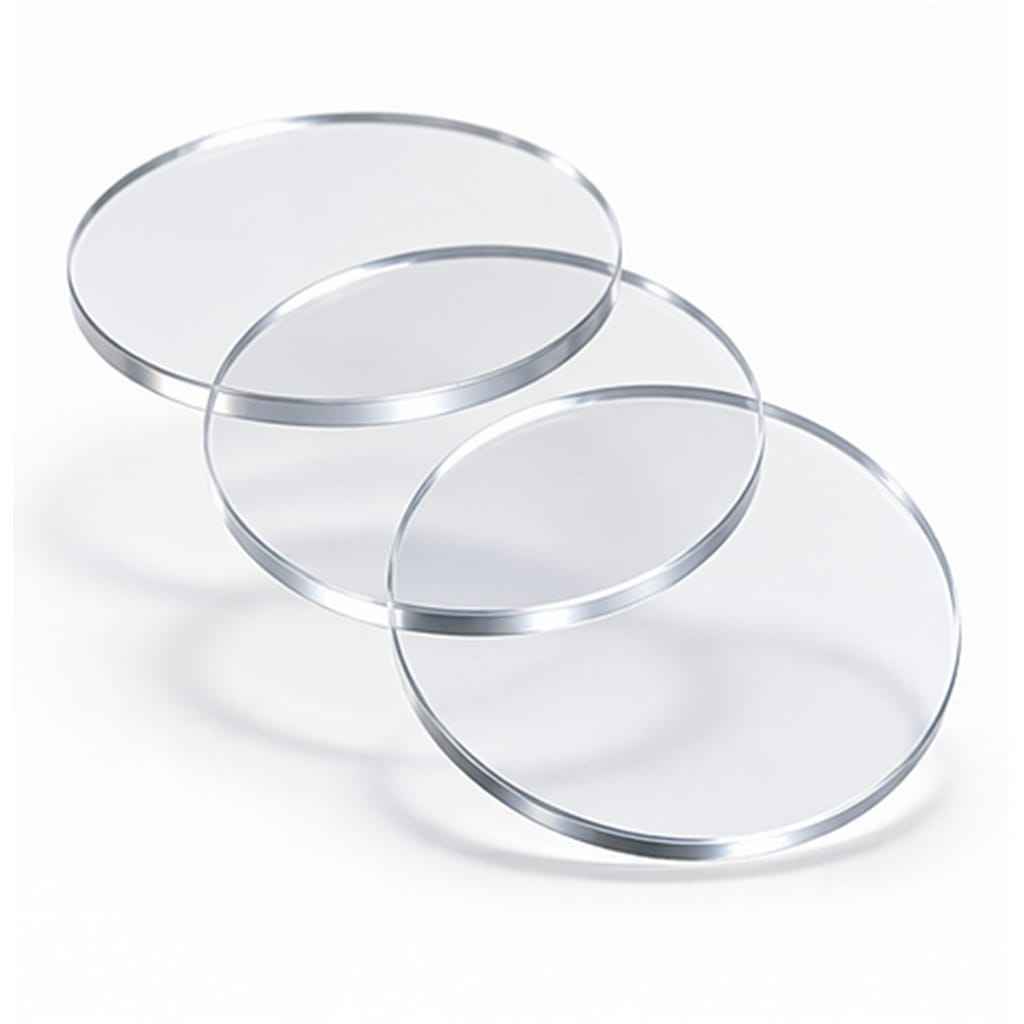
In Japanese advanced manufacturing hubs—ranging from semiconductor clusters in Kumamoto (Silicon Island Kyushu) and Hokkaido (Rapidus ecosystem) to optical research facilities in Tsukuba—precision viewport windows play an indispensable role. A quartz viewport window serves as an optical containment barrier that allows non-destructive visual monitoring, pyrometric temperature measurement, spectroscopic diagnostics, and laser beam transmission into enclosed vacuum chambers, plasma etching reactors, and high-temperature thermal diffusion furnaces.
Unlike standard borosilicate glass or soda-lime formulations, high-purity fused silica and natural fused quartz deliver a near-zero coefficient of thermal expansion ($\approx 5.5 \times 10^{-7} /\text{°C}$), high thermal shock resistance, and superb deep ultraviolet (DUV) to near-infrared (NIR) broad-spectrum transmission. When Japanese optical engineers specify viewport glass for ultra-high vacuum (UHV) systems, the window must fulfill rigorous structural, optical, and chemical standards, including strict bubble-class metrics (ISO 12123 / DIN 58927), Scratch-Dig specifications (20/10 to 40/20 per MIL-PRF-13830B), and surface roughness ($Ra < 0.5 \text{ nm}$).
Information Gain Insight: Selecting between natural fused quartz (JGS2/JGS3 equivalent) and synthetic fused silica (JGS1 / Corning 7980 equivalent) depends directly on wavelength transmission and hydroxyl ($\text{OH}^-$) concentration. For deep UV lithography and 193nm/248nm excimer laser inspection, high-hydroxyl synthetic silica is required to prevent solarization and color center formation, whereas low-OH fused quartz is optimized for broad infrared sight glass applications up to $3.5 \ \mu\text{m}$.
Localized Japanese Application Scenarios
Custom-fabricated quartz viewports engineered for specific high-precision industrial ecosystems across Japan.
Semiconductor & Plasma Processing
Integrated into plasma etch, chemical vapor deposition (CVD), and atomic layer deposition (ALD) chambers utilized by Japanese semiconductor equipment makers. Resists corrosive fluorinated process gases (HF, $\text{CF}_4$) while maintaining helium leak tightness under $1 \times 10^{-10} \text{ mbar}\cdot\text{L/s}$.
UHV Vacuum Chambers & Synchrotrons
Flange-mounted viewports (ConFlat CF, ISO-KF, ISO-K) for cutting-edge Japanese physics facilities such as SPring-8 and NanoTerasu. Features zero magnetic permeability, high optical parallelism ($< 10 \text{ arcsec}$), and high pressure resistance across extreme differential pressure environments.
Industrial Laser & Welding Heads
High Laser Damage Threshold (LDT) protective windows for high-power $\text{Yb:YAG}$ and fiber laser processing machines in Nagoya and Osaka industrial belts. Dual-side anti-reflective (AR) coated at 1064nm, 532nm, or 355nm to maximize beam transmission above $99.5\%$.
Photomask & Lithography Windows
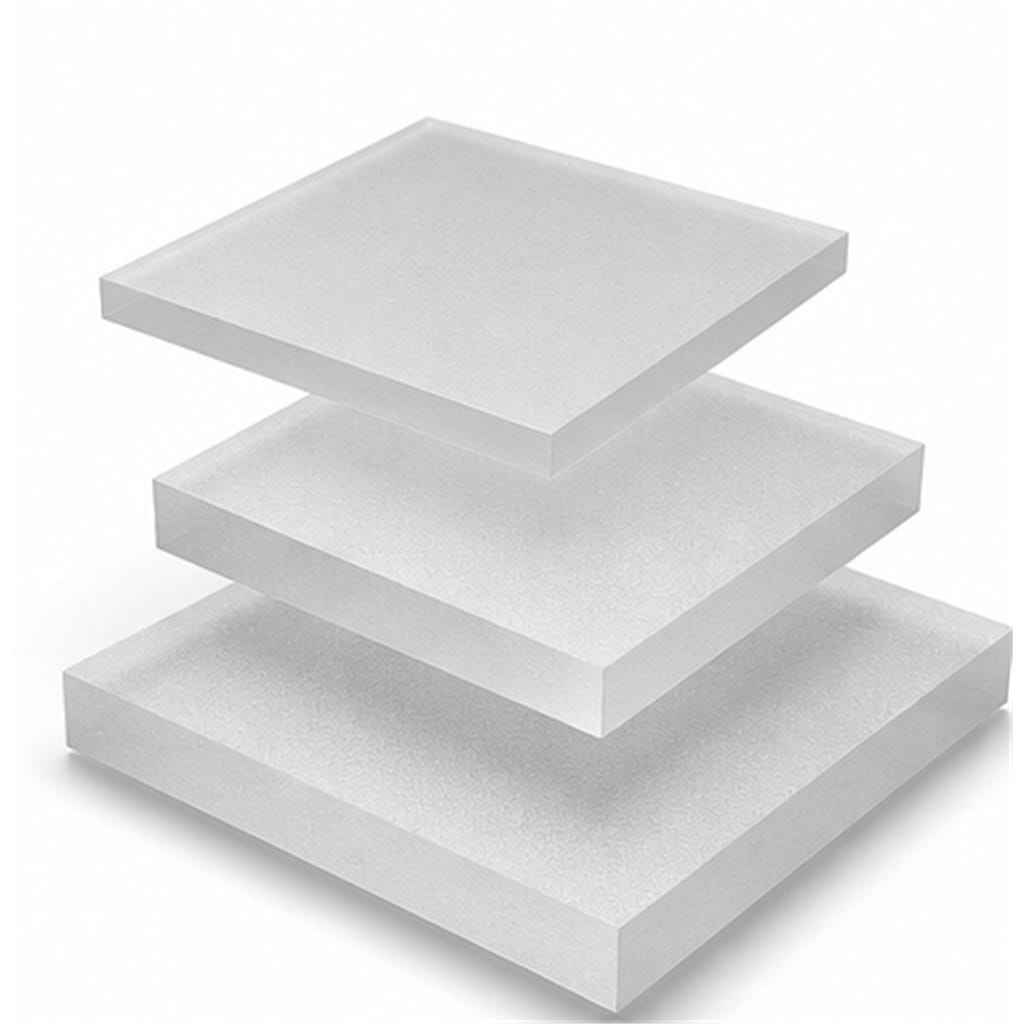
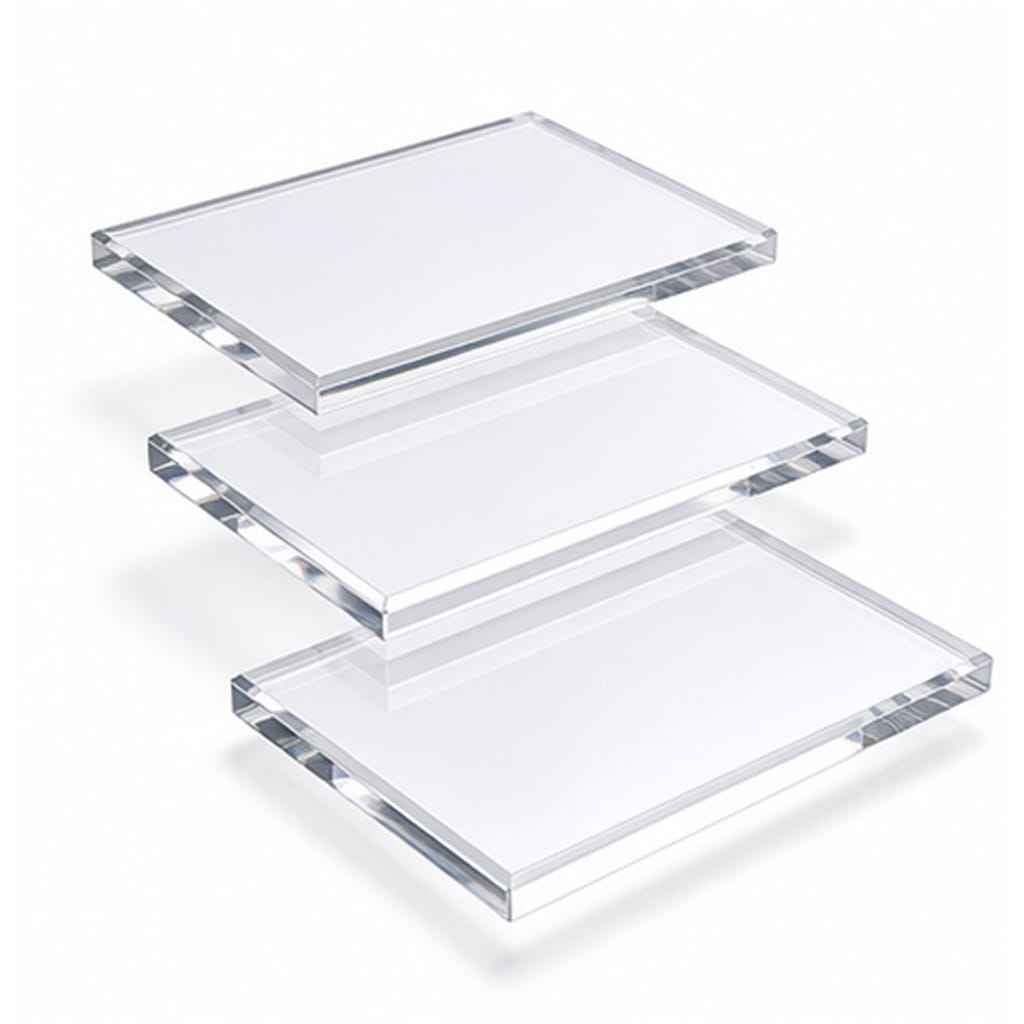
Precision square optical quartz plates processed to extreme surface flatness for wafer projection alignment and photomask protective covers in Japanese sub-2nm node research lines. Features minimal bubble density and zero striae along the clear aperture.
High-Temperature Thermal Furnaces
Heavy-duty quartz sight glasses and combustion boat viewports designed for continuous operation at $1100\text{°C}$ and peak excursions to $1450\text{°C}$. Essential for solar ingot crystallization, alloy annealing, and high-purity chemical testing laboratories.
Analytical & Bio-Sensing Instruments
Polished quartz microfluidic plates, capillary tubes, and piezoelectric QCM sensor substrates utilized in Japanese clinical analyzers, gas chromatography (GC) systems, and quartz crystal microbalance arrays for real-time molecular mass sensing.
Technical Material Grade Comparison for Japanese Viewport Buyers
To assist Japanese optical designers and procurement teams in making informed material choices, the table below provides a comparative analysis of our standard fused quartz and synthetic silica window grades available for immediate export.
| Grade Category | Equivalent Grade | Wavelength Spectrum | OH- Content | Primary Application in Japan |
|---|---|---|---|---|
| JGS1 (Synthetic Fused Silica) | Corning 7980 / Suprasil 311 | 185 nm – 2500 nm (DUV to NIR) | > 800 ppm (High OH) | EUV/DUV Lithography, UV Curing, Laser Windows, Spectrophotometer Flow Cells |
| JGS2 (Optical Fused Quartz) | Heraeus Homosil / Infrasil | 220 nm – 2500 nm (UV-VIS-NIR) | < 30 ppm (Standard) | Furnace Viewports, Vacuum Chamber Windows, Optical Lenses, Substrate Plates |
| JGS3 (IR Grade Fused Silica) | Suprasil 300 / Electrically Fused | 260 nm – 3500 nm (Extended IR) | < 5 ppm (Low OH) | Infrared Thermal Imaging, CO2 Laser Optics, Pyrometry Windows, High Temp Vessels |
| Opaque Quartz Glass | Milky Quartz / Sintered Silica | Infrared Diffuse Scattering | N/A | Thermal Insulation Shields, Diffusion Furnace Flanges, Refractory Baffling |
Local Market Trends & Technical Evolution in Japan (2025–2030)
Japan’s advanced industrial landscape is undergoing two major structural shifts that directly impact quartz window specifications:
- Expansion of Sub-2nm Semiconductor Fab Capacity: With the establishment of new wafer foundries in Kumamoto and Chitose, demand for ultra-clean, bubble-free fused quartz optics (Bubble Class 0 per ISO 12123) has expanded rapidly. Process windows must withstand high-density plasma erosion while minimizing particle generation.
- Transition to High-Power Fiber & Ultrafast Lasers: Industrial processing across Japan’s automotive and electronics sector relies increasingly on 10kW+ fiber lasers and picosecond/femtosecond laser machining. Protective viewports now demand surface roughness $Ra \le 0.2\text{ nm}$ and high anti-reflective laser damage thresholds ($\ge 10 \text{ J/cm}^2$ at 1064nm, 10ns pulse) to prevent thermal lensing and optical distortion.
- RoHS 3.0 & Japanese Industrial Standard (JIS) Alignment: Japanese importers demand complete trace chemical documentation. All exported quartz viewports undergo strict ICP-MS testing to certify total metallic impurity content below 10-20 ppm, fully complying with JIS B 0601 surface texture standards and REACH SVHC regulations.
Why Japanese Procurement Leaders Partner with Donghai Kemzo Quartz
Combining the direct mineral resources of Donghai—China’s premier quartz processing capital—with ISO 9001 quality controls and dedicated B2B export capabilities.
Source-Region Raw Material Access
Situated in Donghai County, Lianyungang, we leverage direct access to high-purity natural crystal deposits and refined quartz sand ($\text{SiO}_2 \ge 99.99\%$). This delivers unbeatable cost stability and batch-to-batch chemical uniformity for Japanese buyers.
11+ Years of OEM/ODM Precision Engineering
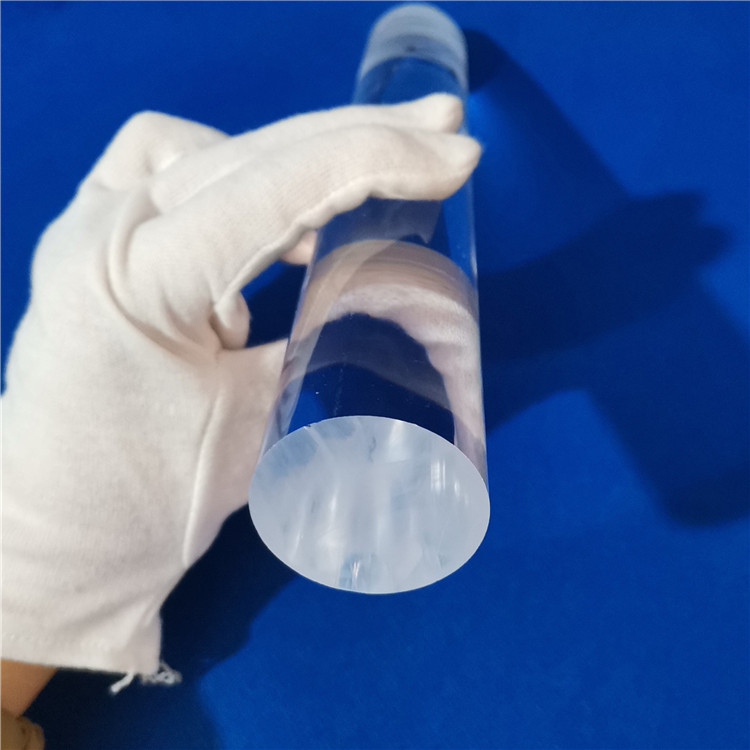
Since 2011, our facility has manufactured custom quartz tubes, crucibles, plates, and viewports according to client drawings (CAD, STEP, DWG). We offer precision CNC milling, optical edge chamfering, double-side lap polishing, and custom hole drilling.
ISO 9001 & Jiangsu High-Tech Enterprise Certification
Our quality system is audited to ISO 9001 standards. Every exported optical window undergoes double-pass laser interferometry, dimensional tolerance checks ($\pm 0.01\text{ mm}$ capability), and backlight bubble inspection prior to export packing.
Rapid Japanese Express & Sea Freight Logistics
Exporting up to 80% of our annual production globally, we maintain optimized shipping routes directly to major Japanese ports (Tokyo, Yokohama, Osaka, Nagoya, Fukuoka). Express door-to-door air freight delivers prototype orders within 3 to 5 business days.
Fragile Vacuum Packaging Safeguards
Optical-grade quartz viewports require anti-static, cleanroom-ready packaging. Individual windows are vacuum-sealed in clean bags, surrounded by shock-absorbing high-density polyethylene foam, and secured in export-grade reinforced wooden crates.
Flexible Payment & Japanese Currency Support
We support multiple commercial settlement terms including T/T, L/C, PayPal, and credit channels. Transactions are accepted in JPY, USD, EUR, and CNY under FOB, CIF, CFR, DDP, and DDU Incoterms.
Frequently Asked Questions for Japanese Procurement Engineers
Clear, direct answers regarding custom manufacturing, optical tolerances, tariff compliance, and logistics to Japan.
Request Engineering Feedback & Custom Quartz Catalog
Planning a new vacuum chamber project or replacing optical sight glass windows in your Japanese facility? Contact Donghai Kemzo Quartz Products today for direct factory pricing, immediate drawing evaluations, and custom product catalogs.