High-Purity Fused Quartz Engineering Components
Engineered to drawing in Donghai—China’s crystalline processing epicentre—and certified under strict ISO 9001 standards to maintain ultra-low ionic contamination for critical thermal runs.
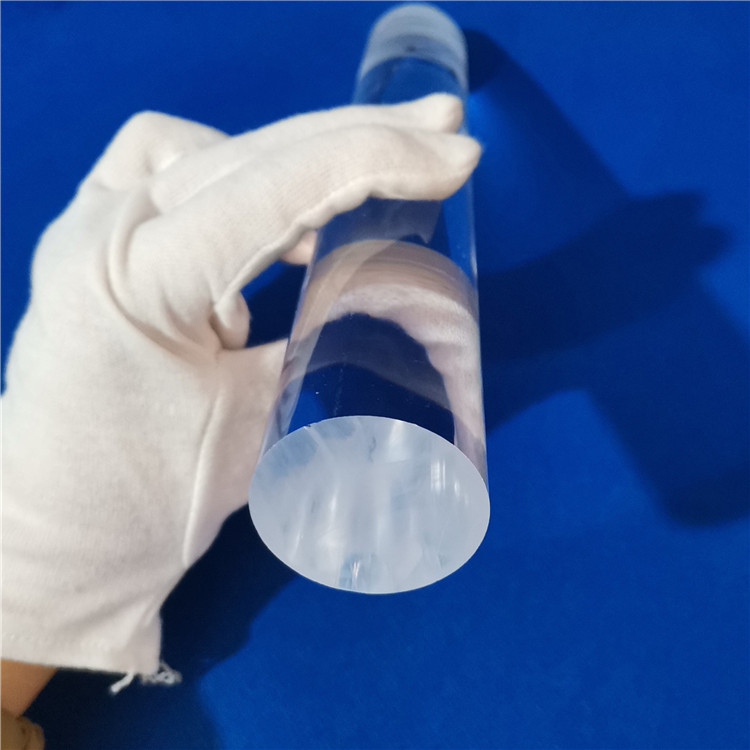
Clear Transparent Quartz Rod 4-42mm Diameter Polished Fused Silica Bar 1100 Degrees Centigrade
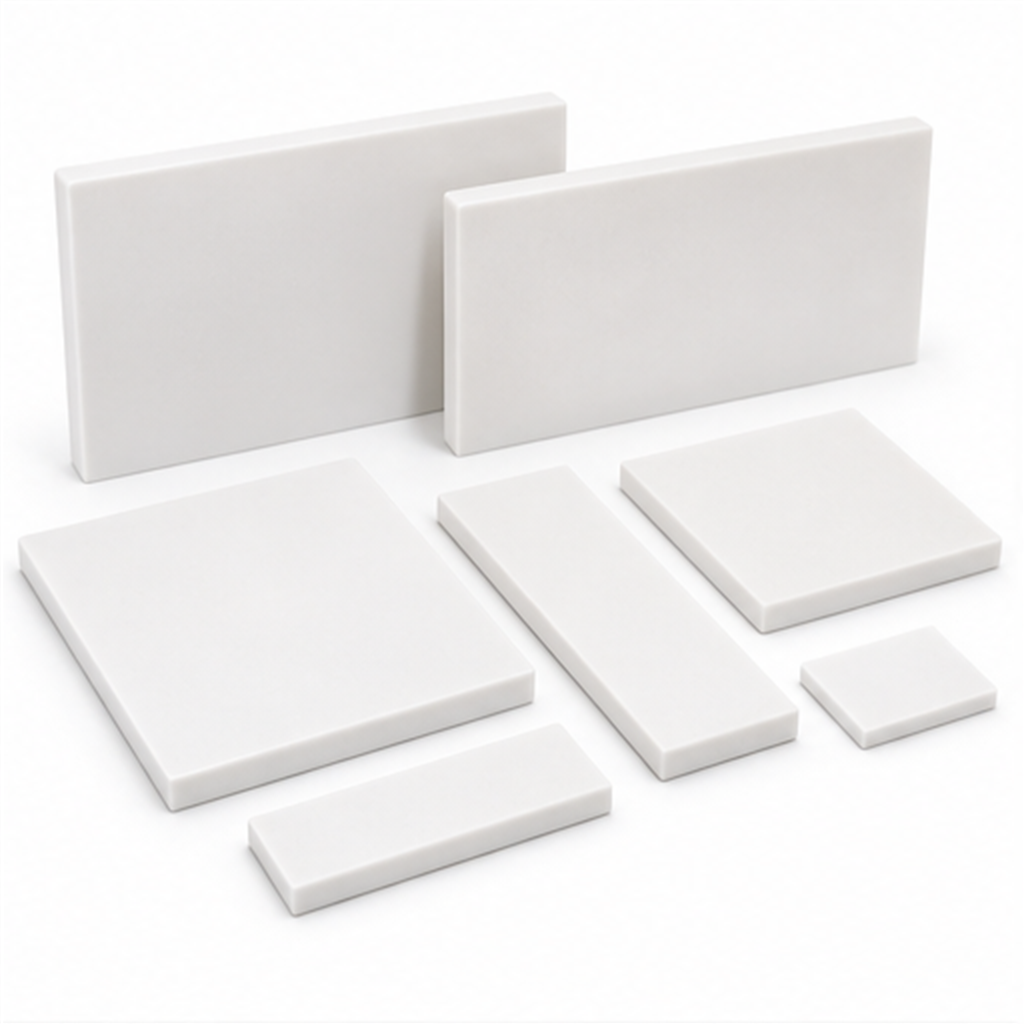
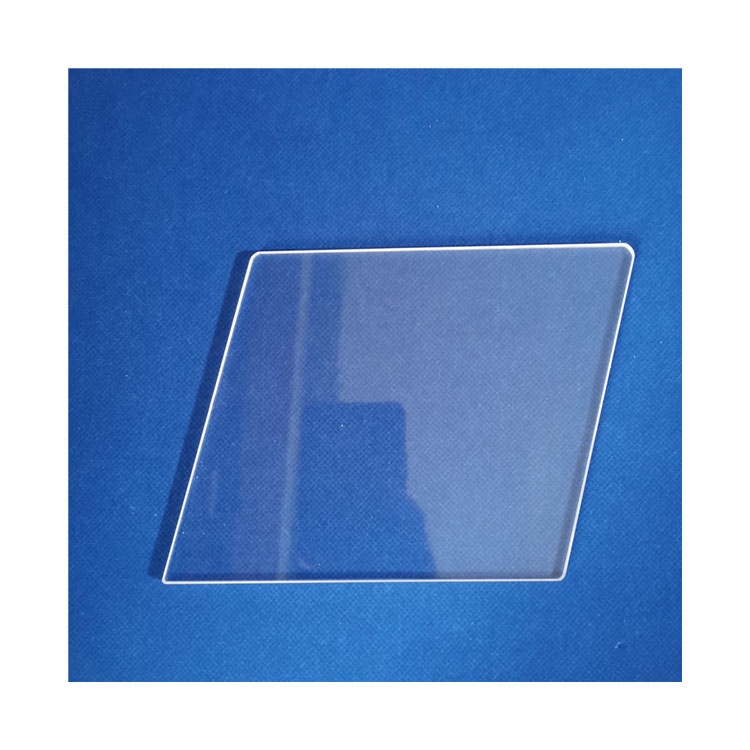
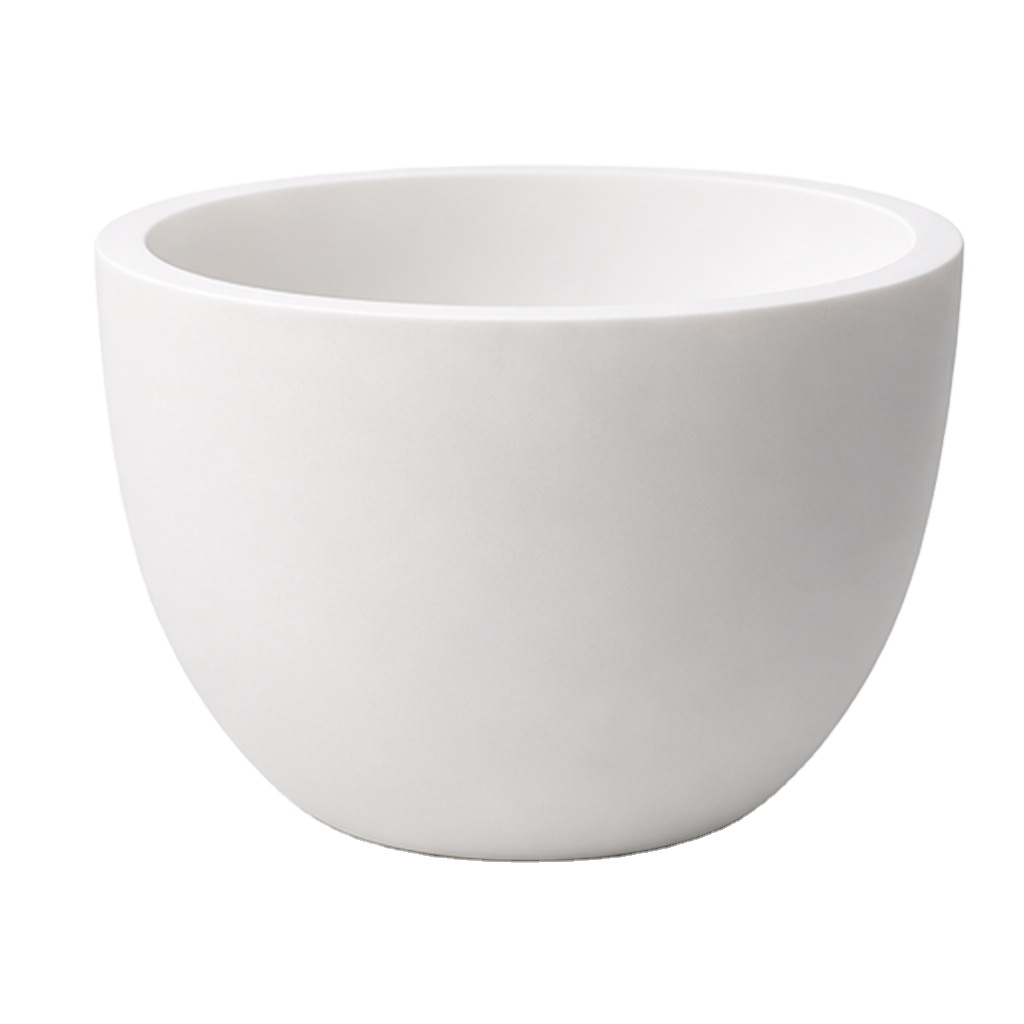
High Purity Opaque Milky White Fused Quartz Rectangular Plate Sheet Slab
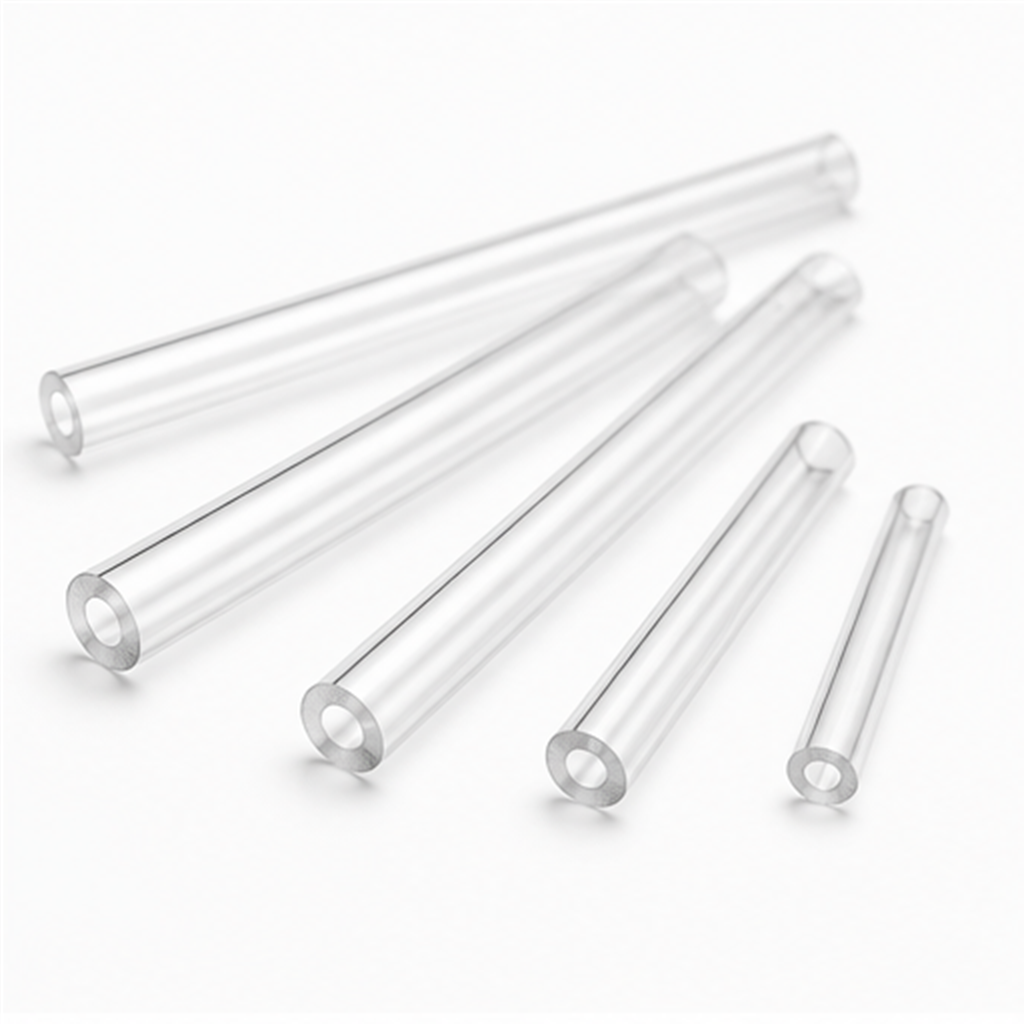
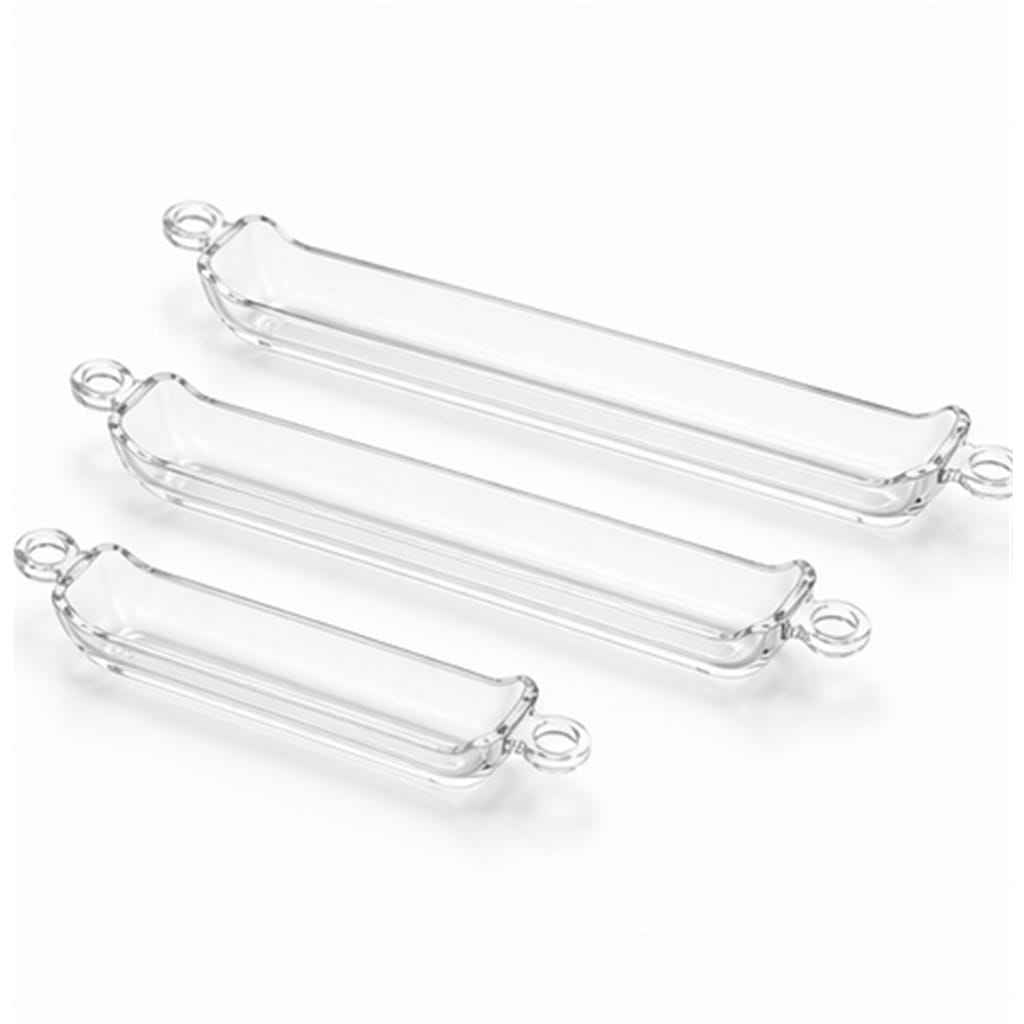
Precision Substrate Handling: The Role of Fused Quartz in Semiconductor Processing
A technical evaluation of thermo-mechanical stability, alkali trace isolation, and precision laser slotting tolerances for next-generation fabrication lines.
In modern high-temperature microelectronics processing, precision wafer transport architecture represents a critical node where material integrity directly impacts production yields. A quartz wafer carrier (commonly designated as a quartz wafer boat, batch cassette, or ladder furnace fixture) serves as the primary mechanical interface holding single-crystal silicon, silicon carbide (SiC), gallium nitride (GaN), or sapphire substrates during high-flux thermal cycles. In critical operations such as dry oxidation, thermal diffusion (phosphorus oxychloride POCl3 and boron tribromide BBr3), low-pressure chemical vapor deposition (LPCVD), and atomic layer deposition (ALD), handling fixtures must withstand process environments up to 1200 °C while maintaining exceptional geometric stability and near-zero trace-metal outgassing.
1. Thermal-Mechanical Integrity and Viscosity Under Cyclic Stress
Ordinary borosilicate glasses fail catastrophically when subjected to the thermal profiles of horizontal and vertical diffusion furnaces. Commercial fused quartz components produced by Donghai Kemzo Quartz Products Co., Ltd. are derived from pure natural crystal pegmatite deposits, resulting in an amorphous silicon dioxide (SiO₂) content of 99.99% or higher. The extremely low linear thermal expansion coefficient of fused silica (approximately 5.5 × 10⁻⁷ /°C between 20 °C and 300 °C) ensures that large structural ladders and carriers do not experience dimensional warping during fast thermal ramps (e.g., 10 °C/min to 25 °C/min). This stability guarantees consistent pitch distances across multi-slot horizontal boats and 100-wafer vertical furnace stacks.
At operational temperatures exceeding 1050 °C, quartz structures approach their strain point (1120 °C) and annealing point (1215 °C). Without strictly controlled flame-working processes, residual annealing strains can induce devitrification—the crystallisation of amorphous silica into high-cristobalite. Cristobalite undergoes a displacive phase transformation at roughly 220 °C during cool-down, marked by a destructive volume reduction of 3% to 5% that induces crazing and carrier structural failure. Kemzo’s multi-stage hydrogen-oxygen thermal annealing protocols thoroughly relieve internal residual stress tensors, providing Aarhus cleanrooms and fabrication plants with carriers capable of extended campaign lifespans without micro-fracturing.
2. Trace-Metal Outgassing and Wafer Inversion Contamination
During deep thermal diffusion processes, alkali and heavy transition metal ions (specifically Sodium Na⁺, Potassium K⁺, Iron Fe³⁺, and Copper Cu²⁺) possess remarkably high diffusion coefficients through silicon lattices. The presence of ppm-level alkali contamination within a quartz ladder causes rapid interstitial migration toward the gate oxide dielectric, establishing mobile oxide charge errors and deteriorating flat-band voltage thresholds. Kemzo's material management begins with raw chemical acid-washing regimes (hydrofluoric-nitric acid baths), guaranteeing total metallic impurity ceilings below standard ASTM requirements:
| Analytical Characteristic / Metric | High-Purity Clear Fused Quartz (Natural) | Synthetic Fused Silica (CVD Grade) | Operational Impact in Cleanroom Processing |
|---|---|---|---|
| Silicon Dioxide (SiO₂) Purity | ≥ 99.99% | ≥ 99.9999% | Eliminates matrix micro-voiding & uncoordinated chemical centers. |
| Alkali Elements (Na, K, Li) | < 1.5 ppm cumulative | < 0.05 ppm cumulative | Prevents channel inversion and baseline breakdown voltage drift. |
| Transition Metals (Fe, Cu, Ni, Cr) | < 0.8 ppm total | < 0.1 ppm total | Minimises deep-level carrier recombination losses in power devices. |
| Softening Point (°C) | ≈ 1683 °C | ≈ 1600 °C | Provides maximum resistance to sag and cantilever deflection under load. |
| Continuous Safe Working Limit | 1100 °C | 1050 °C | Supports high-throughput dry oxidation & annealing furnace recipes. |
| Chemical Etch Resistance | Inert to hot Aqua Regia, HCl, H₂SO₄ | Inert to high-purity mineral acids | Withstands periodic cleanroom strip-and-clean acid immersion cycles. |
3. Precision Laser Slotting vs. Diamond Tool Grinding
Wafer boat structural performance depends fundamentally on the slot profile. Conventional diamond-wheel plunge grinding can leave sub-surface micro-cracks along wafer tooth roots. Under the combined effects of aggressive piranha solution cleans (H₂SO₄/H₂O₂ mixtures) and thermal cycling, these microscopic defects become stress-concentration nodes where cracks easily propagate. Donghai Kemzo deploys high-precision computer-numerically-controlled (CNC) diamond machining paired with fire-polishing and laser-assisted edge rounding. This method produces slots with smooth profiles and pitch tolerances down to ±0.03 mm. Wafer back-edges slide effortlessly into carrier slots without edge-chipping, micro-scratching, or cross-slot wafer tilting, ensuring uniform gas dynamics across every wafer space during batch LPCVD processes.
Supporting Innovation in Aarhus & Central Denmark
Aarhus has emerged as one of Scandinavia’s premier hubs for advanced clean technology, quantum nanosystems, and precision life-science engineering. Our high-purity quartz wafer carriers, diffusion components, and optical substrates directly support critical applications across the regional ecosystem.
University & Nanotech Research
Cleanroom environments and academic facilities around the Interdisciplinary Nanoscience Center (iNANO) at Aarhus University rely on high-precision quartz boats for experimental CVD growth, thin-film deposition, 2D material synthesis, and advanced thermal annealing without sample-damaging heavy metal cross-contamination.
Power Electronics & Green Energy
With Central Denmark leading regional transitions into wind energy, grid-scale inverters, and heavy-duty battery management systems, local power component designers require wide-bandgap (SiC and GaN) processing wafer carriers engineered to endure elevated temperatures (above 1150 °C) without sagging or slot deviation.
Biophotonics & Medical Sensing
Regional medtech clusters surrounding Aarhus University Hospital leverage synthetic fused silica windows, micro-bore capillary vessels, and specialized wafer-level quartz flow cells for automated spectrometry, blood gas micro-analysis, and deep ultraviolet (UV) photonic biosensing fixtures.
Technology & Material Trends Influencing Aarhus Cleanrooms
Strategic movements driving the next era of quartz component specification throughout Denmark, Scandinavia, and the broader European market.
Transition to 200mm SiC Substrates
Next-generation power electronics fabrication lines are progressively shifting from 150mm to 200mm substrate sizes. This evolution demands robust, heavy-wall quartz boats and reinforced cantilevers capable of sustaining increased substrate mass under extreme processing temperatures.
Lower Contamination Baseline Demands
As structural nodes scale downward in photonic integrated circuits (PICs), baseline tolerance for alkali outgassing narrows toward fractional ppb tiers. This elevates the strategic value of verified raw material sourcing directly from source mineral clusters.
Customized Low-Volume Research Tooling
European innovation setups increasingly favour modular, custom-machined quartz ladders and hybrid carriers tailored for non-standard multi-layer wafers over rigid, mass-market off-the-shelf carrier configurations.
Supply Chain Resiliency via Verified Exporters
Nordic procurement groups are consolidating direct relationships with certified manufacturing sources, bypassing multiple broker tiers to secure full trace certification, faster sample iterations, and dedicated export logistics.
Why International Procurement Teams Partner with Kemzo
Combining Donghai’s crystalline mineral resources with mature glass craftsmanship and robust ISO 9001 quality systems.
Raw Mineral Source Advantage
Located in Donghai County—internationally recognized as China’s quartz processing capital—we secure prime natural quartz sand feedstock with SiO₂ purity up to 99.99%, ensuring uniform melting consistency and stable long-term pricing.
11+ Years OEM / ODM Experience
From one-off prototype boats for academic research to multi-thousand lot production runs for volume assembly, our glassblowing and CNC machining workshops translate complex CAD drawings into finished quartz ware with precision tolerances.
Certified ISO 9001 Quality System
Every carrier, tube, and plate undergoes systematic inspection: polariscope annealing stress verification, spectrographic purity analysis, coordinate-measuring pitch inspection, and visual defect testing under high-intensity backlights.
Global Export Ready Logistics
Over 70% of our annual production ships internationally to destinations across Europe, North America, and East Asia. We support flexible Incoterms (FOB, CFR, CIF, DDU) alongside custom-engineered shock-absorbing export packaging.
Frequently Asked Questions by Danish & Nordic Buyers
Essential guidance for procurement managers, cleanroom technicians, and lab principal investigators ordering quartz tooling for Aarhus operations.
What typical dimensional tolerances do you maintain on custom quartz wafer carriers?
For custom quartz wafer boats, ladders, and batch carriers, standard tooth pitch tolerances are held to ±0.05 mm, with high-precision CNC laser slotting capable of reaching ±0.03 mm. Overall carrier length, width, and parallelism are typically kept within ±0.15 mm, ensuring seamless integration with standard automated transfer systems, end-effectors, and cantilever loader paddles.
Can you manufacture carriers directly from academic or corporate engineering drawings (CAD/PDF)?
Yes. Our engineering division operates more than 11 years of OEM/ODM fabrication. We work from STEP, DWG, DXF, and standard engineering PDF drawings. Our team evaluates your specifications—verifying thermal zones, wall thicknesses, slot shapes, and annealing parameters—and provides engineering feedback alongside a preliminary quotation within one business hour.
How do you safeguard fragile, thin-slotted quartz ware during transit to Denmark?
Exporting high-precision quartz components requires dedicated multi-layer shock mitigation. Each carrier is individually cleansed, sealed in multi-layer antistatic or dust-free wrapping, suspended in high-density custom-molded polyethylene foam frames, and placed within a reinforced inner carton. These cartons are secured within export-grade, IPPC-certified wooden cases designed to absorb turbulence across air freight routes directly into Billund (BLL) or Copenhagen (CPH) airports, or via road freight forwarders to Aarhus.
What is the key performance difference between natural fused quartz and synthetic fused silica?
Natural fused quartz is melted directly from purified high-grade natural SiO₂ crystalline ore. It offers superior structural rigidity at extreme temperatures (softening point around 1683 °C) and is the most cost-effective choice for wafer carriers, furnace tubes, and heavy crucibles. Synthetic fused silica is created via vapor phase hydrolysis of chemical precursors (e.g., SiCl₄), providing near-zero trace metallic impurity levels and higher transmission in deep UV wavelengths (< 250 nm), making it preferred for lithography masks, optical windows, and laser viewports.
Which payment and commercial delivery terms (Incoterms) are supported for Danish imports?
We work with international procurement terms including FOB Shanghai/Lianyungang, CFR, CIF, EXW, and DDU (Delivered Duty Unpaid) directly to your production site in Aarhus. We accept secure payments via T/T wire transfer, L/C, PayPal, or commercial card in major currencies including EUR, USD, and DKK.
How do you perform internal stress relief and devitrification prevention on flame-worked boats?
Following high-temperature hydrogen-oxygen welding and diamond slotting, all quartz carriers undergo computer-controlled thermal annealing cycles held above the quartz annealing temperature (1215 °C), followed by slow, uniform cooling down past the strain point (1120 °C). We inspect every batch using cross-polarizing polariscopes to verify that residual optical birefringence and internal thermal stresses are minimized.
Request Engineering Feedback & Quotation for Your Application
Send your CAD drawings, dimensional specifications, or process parameters. Our quartz specialists will confirm material feasibility, tolerance compliance, and production turnaround within one hour.
Inquire Now