Specialized Fused Quartz & Synthetic Silica Hardware
Engineered in Donghai, China and routed directly to industrial corridors in Vientiane, Savannakhet, and Pakse. Each product meets strict cleanroom standards for microfabrication and high-temperature thermal cycling.
Technical Whitepaper: Photomask Quartz Substrates in Precision Microelectronics
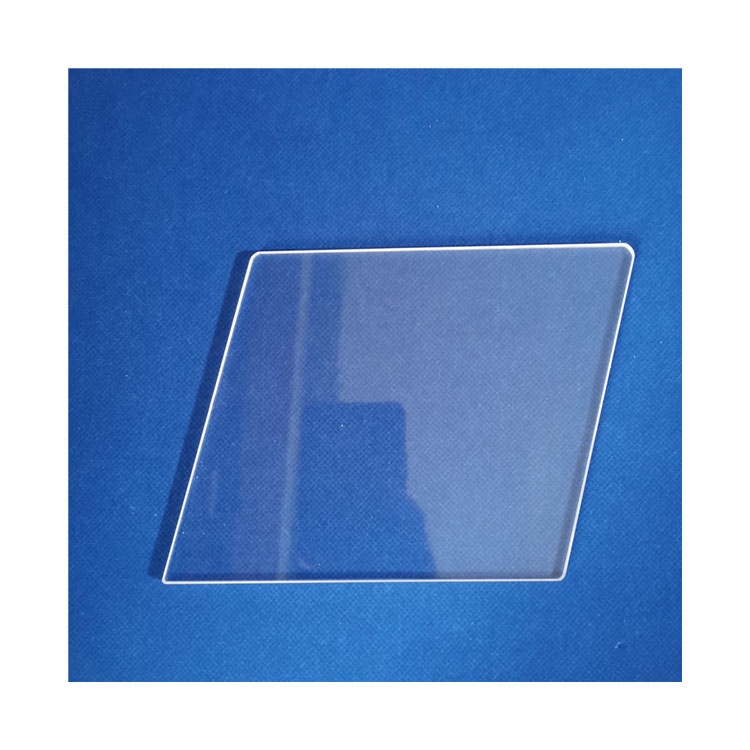
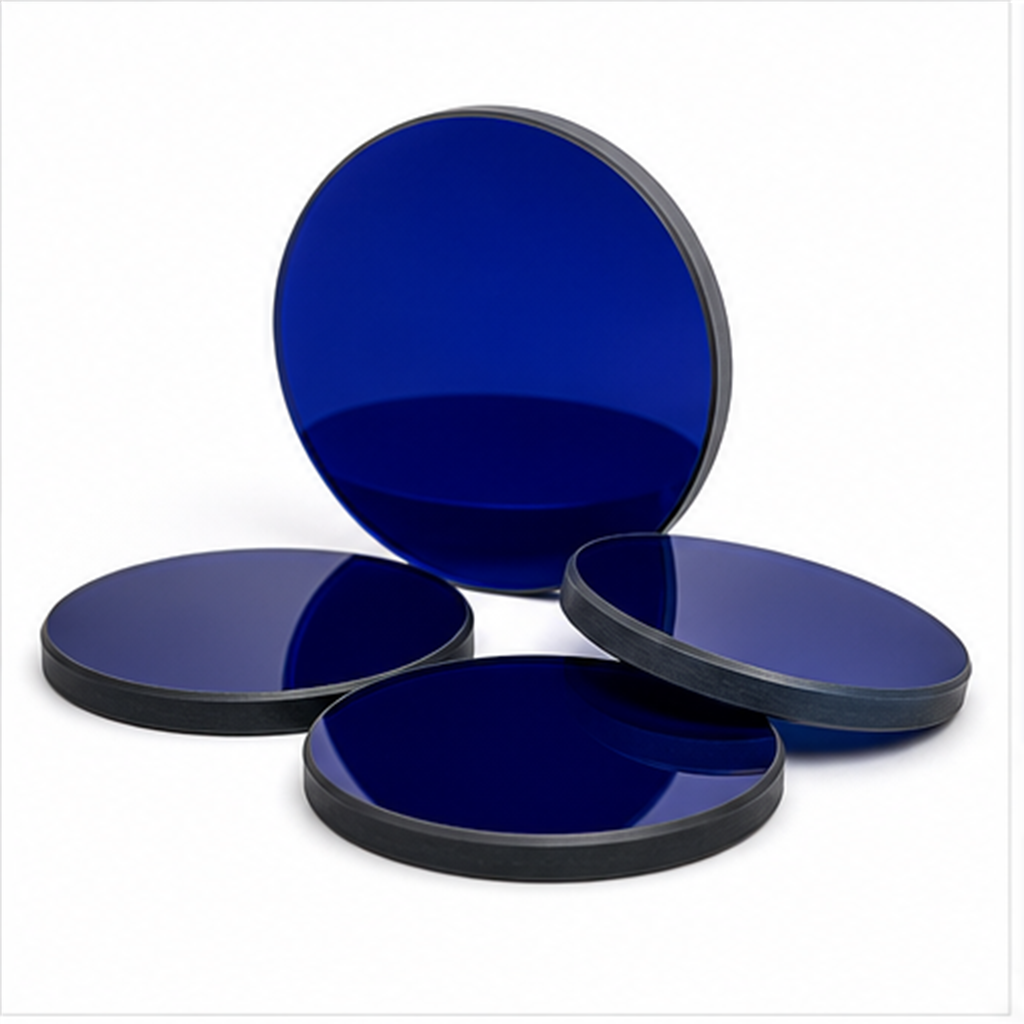
In modern photolithographic manufacturing, the photomask serves as the master stencil transfer medium, holding the circuit geometry that defines every metallic and dielectric track on a silicon wafer. As semiconductor fabrication and optoelectronic packaging advance toward tighter tolerances, substrate material integrity governs total process yields. Ordinary optical glasses cannot meet these demands: standard borosilicate and soda-lime panes experience thermal expansion drift, internal lattice stress, low deep-ultraviolet (DUV) transmission, and phase-shifting distortion under repeated intense exposure cycles.
Donghai Kemzo Quartz Products Co., Ltd. addresses these engineering bottlenecks by manufacturing synthetic fused silica plates and high-purity natural fused quartz blanks specifically optimized for semiconductor lithography, reticle blanks, and optical masks. Synthetic fused silica (amorphous silicon dioxide, SiO₂ > 99.9999%) is formed by vapor-phase oxidation of silicon tetrachloride (SiCl₄), creating a structure virtually free of refractive index inhomogeneities, microscopic air seeds, and metallic impurities. Natural fused quartz is melted directly from premium crystal deposits in Donghai, China, yielding high thermal resistance and rigid structural mechanics at competitive unit economics.
Thermal stability, extreme hardness, chemical inertness against aggressive piranha and hydrofluoric acid etching solutions, and superior transmission at critical laser wavelengths—such as i-line (365 nm), KrF (248 nm), and ArF (193 nm)—make quartz photomask substrates the global standard for device fabrication. Our cleanroom-processed quartz plates are sliced, ground, double-sided lapped, and precision-polished to achieve an ultra-smooth root-mean-square roughness (Rq) of less than 0.5 nm, preventing optical scatter and phase discrepancies during pattern transfer.
| Physical Property | Standard Fused Quartz (Natural) | Synthetic Fused Silica (Litho Grade) | Engineering Relevance for Mask Alignment |
|---|---|---|---|
| Chemical Purity (SiO₂) | > 99.99% | > 99.9999% | Prevents metallic ion diffusion and defect nucleation under DUV. |
| Thermal Expansion (20–300°C) | 5.5 × 10⁻⁷ /°C | 5.1 × 10⁻⁷ /°C | Negligible pattern distortion despite high-intensity exposure heat. |
| Continuous Working Temp. | 1100 °C | 1200 °C | Maintains geometry during chemical vapor deposition and annealing. |
| Refractive Index (nd at 589 nm) | 1.4585 | 1.4560 | High optical predictability for laser tracing and phase-shifting reticles. |
| Surface Flatness (TTV) | < 3.0 μm | < 1.5 μm (Ultra-flat available) | Maintains complete focal-plane depth of focus across large wafers. |
| Optical Homogeneity | Class B / C | Class A (Δn ≤ 1 × 10⁻⁶) | Eliminates internal wavefront distortion across the lithographic field. |
Industrial Integration Across The Laos Market
As Laos expands beyond resource extraction into precision technology zones, special economic zones (SEZs), and regional electronics assembly corridors, fused quartz substrate blanks solve key local manufacturing challenges.
Semiconductor Packaging in SEZs
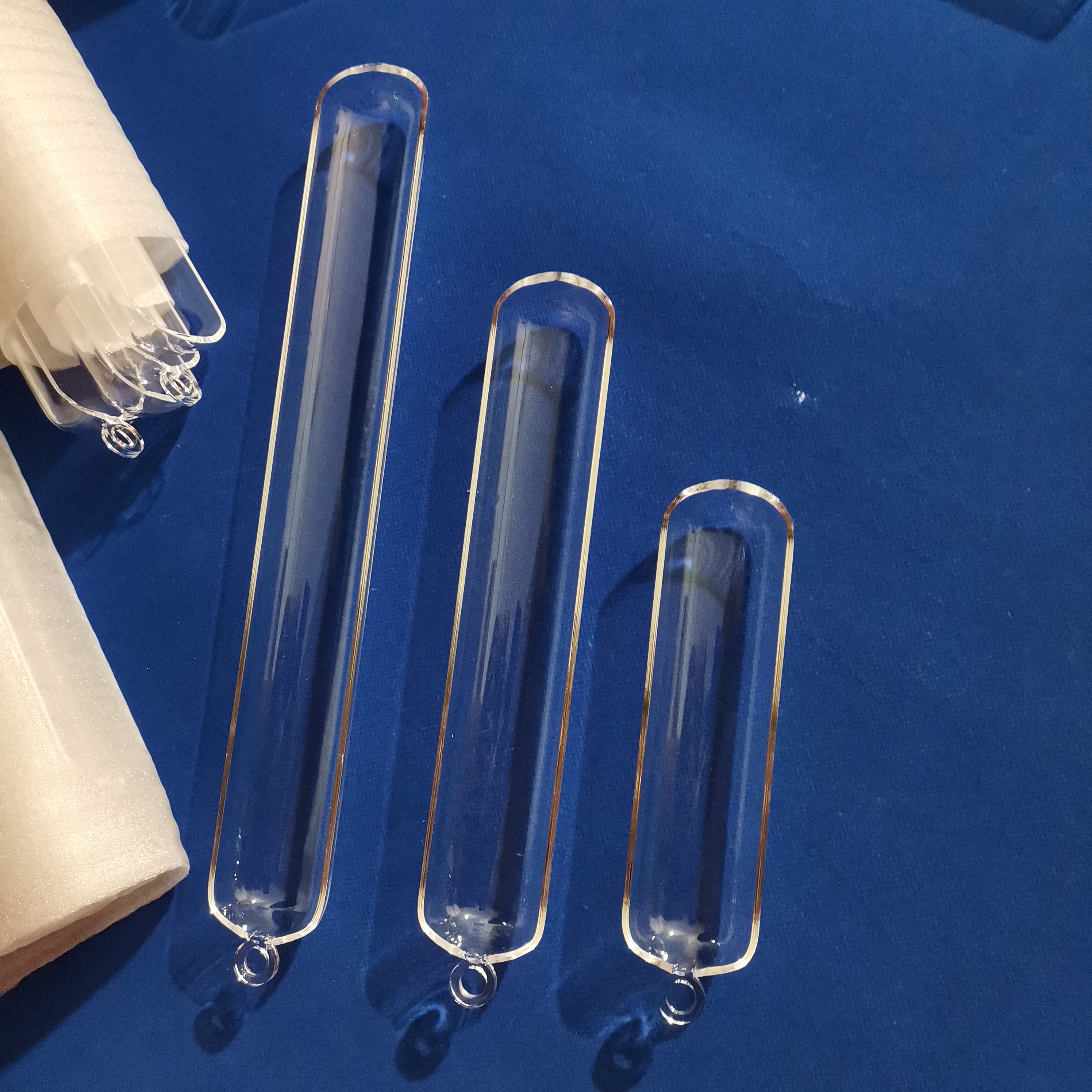
Laos Special Economic Zones (such as Vientiane Saysettha Development Zone and Savan-Seno SEZ) are establishing component assembly and test operations. Our double-side polished photomask blanks and wafer carrier boats support thin-film deposition, sensor die fabrication, and high-density lead-frame exposure tooling.
Photovoltaic & Solar Cell Wafering
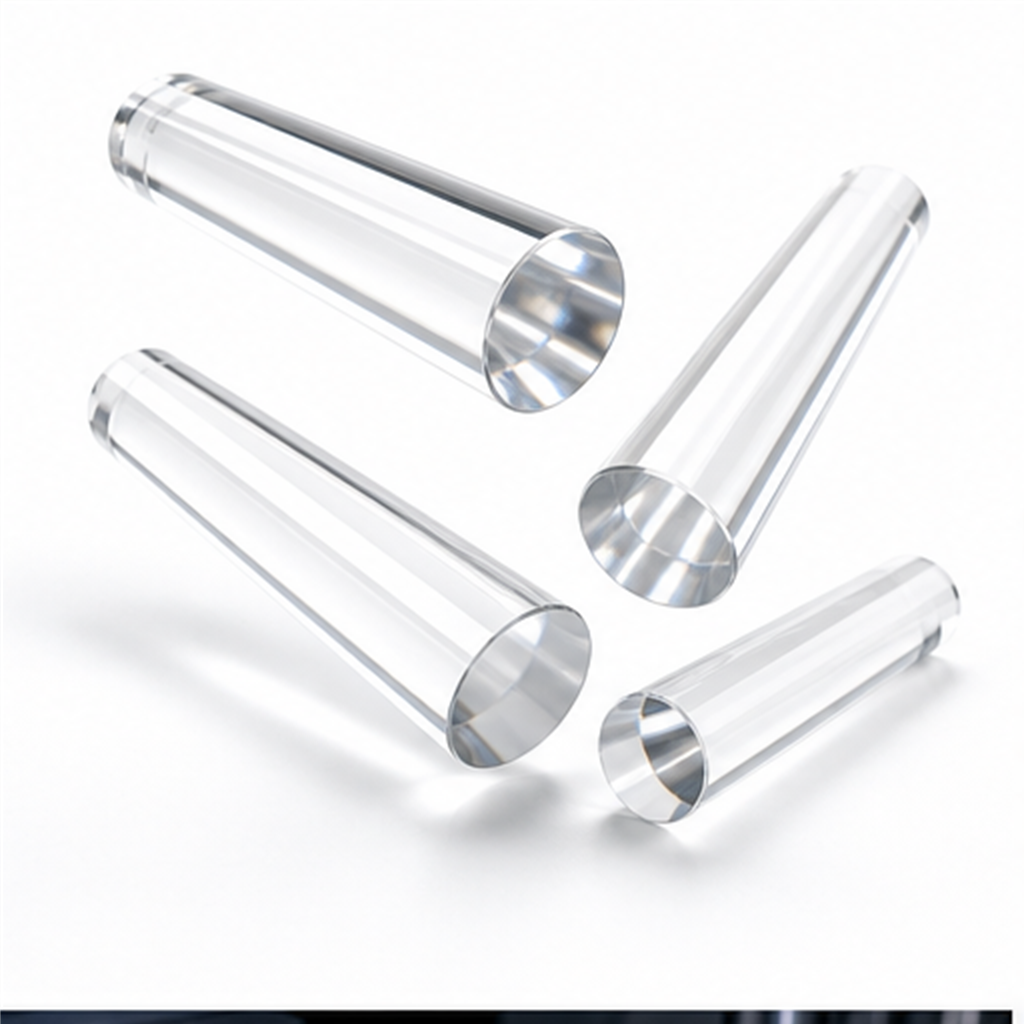
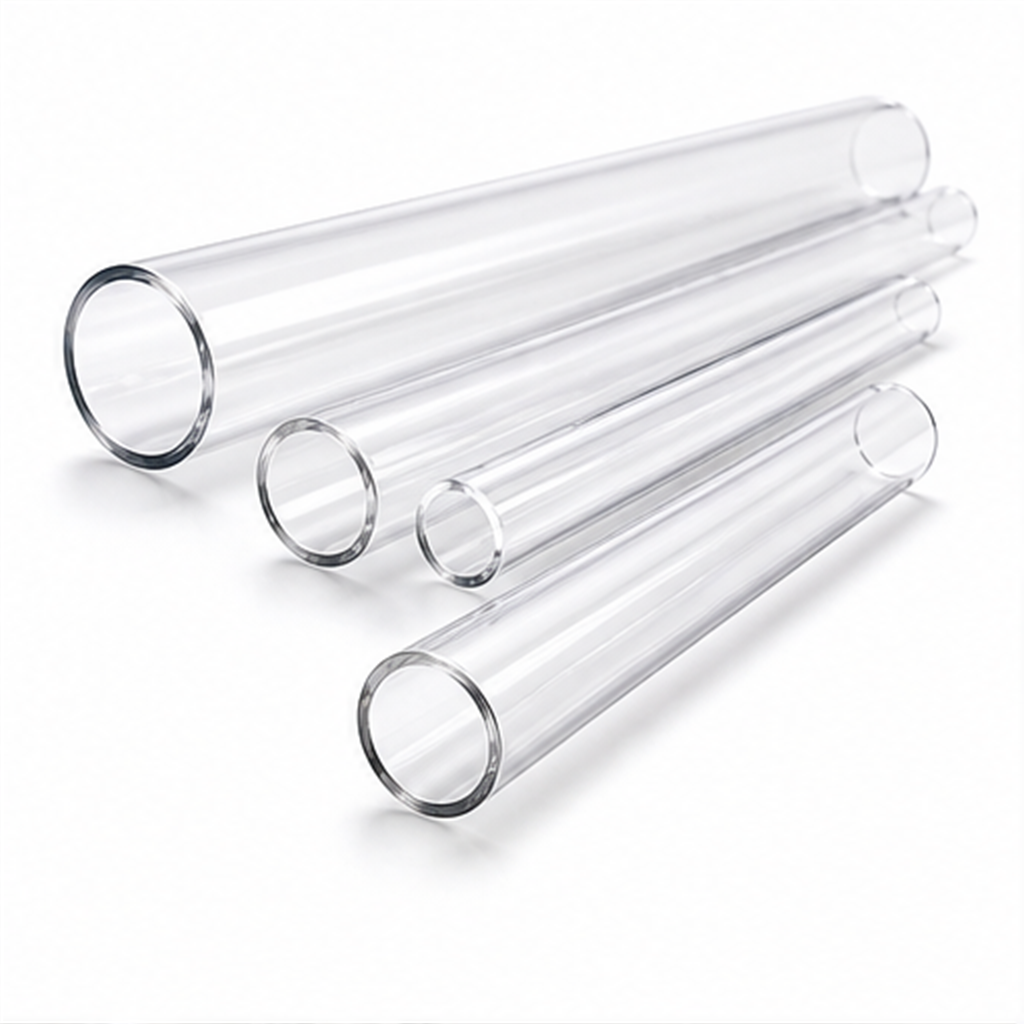
Driven by Laos's renewable energy strategies and solar assembly plants along the Mekong, local production lines use high-purity quartz furnace tubes, wafer handling boats, and sight windows for monocrystalline silicon ingot growth, phosphorus oxychloride diffusion, and automated anti-reflective coating checks.
Mining & Chemical Assay Labs
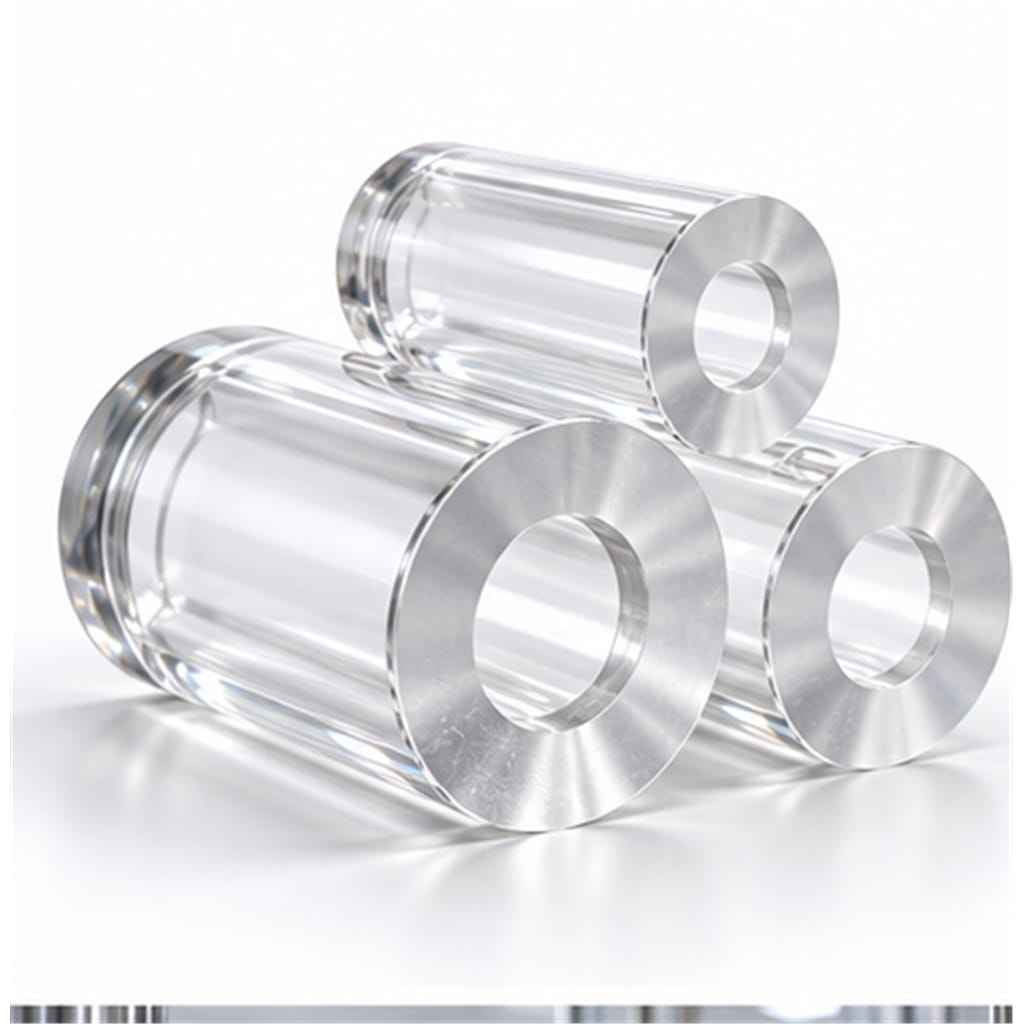
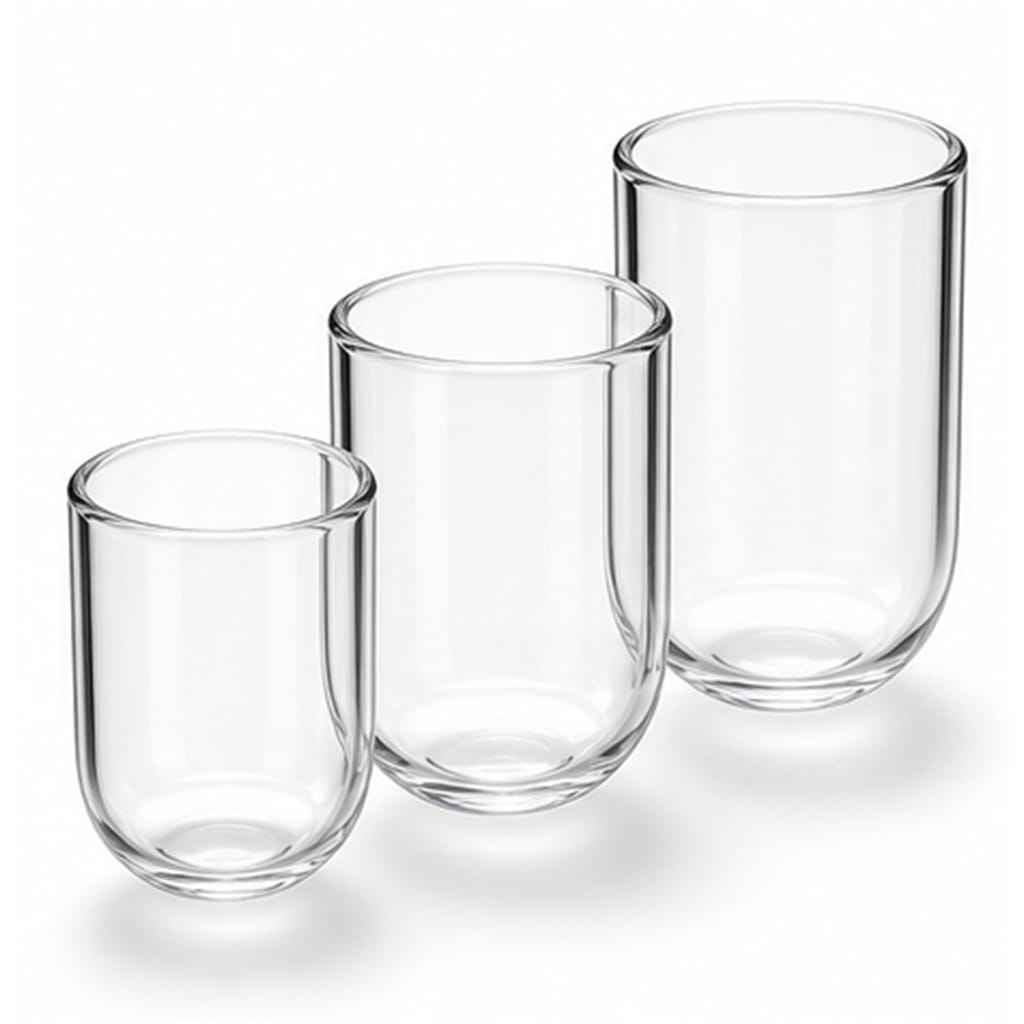
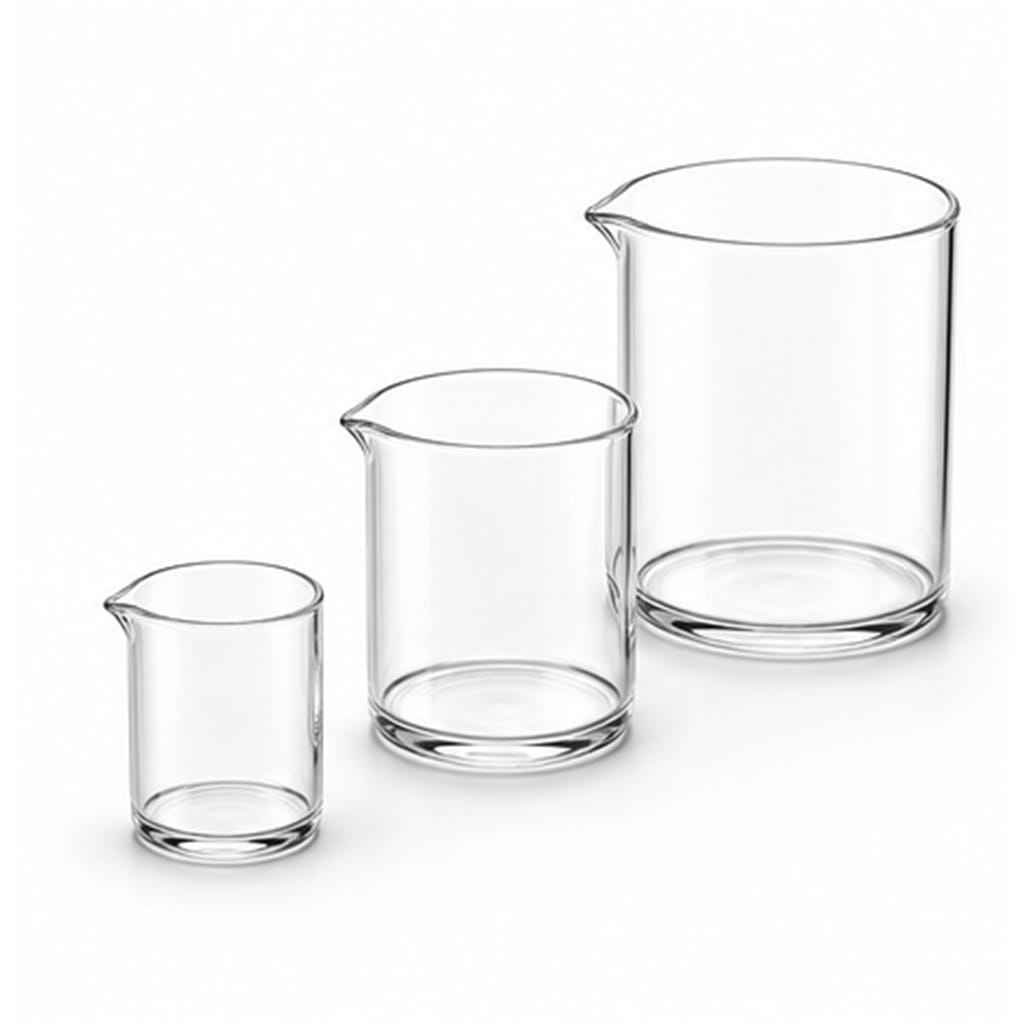
Laos's mineral refining operations (gold, copper, lithium processing, and rare-earth separation) require acid-resistant labware that withstands thermal shock. Kemzo's heavy-wall crucibles and quartz beakers remain chemically inert in nitric, aqua regia, and sulfuric acid environments without leaching contaminants.
Trends Shaping Quartz Component Procurement in Laos (2025–2030)
The geopolitical rebalancing of semiconductor supply chains—known as the "China Plus One" and ASEAN integration strategy—is accelerating technical investments across the Indochina peninsula. While Thailand and Vietnam house major outsourced semiconductor assembly and test (OSAT) facilities, Laos is positioning itself as a cost-effective, hydropower-rich logistics corridor connecting Kunming to Bangkok via the Boten–Vientiane (China–Laos) Railway.
Several macro developments are driving demand for precision photomask quartz plates and process quartzware across Laos:
- Clean Power Advantage for Advanced Materials: Laos's abundant hydroelectric capacity makes regional special economic zones attractive for power-intensive electronic component testing, cleanroom packaging, and high-vacuum thermal treatment facilities.
- Direct Rail Supply Chain from Donghai: The China–Laos Railway has cut cross-border transport times between Chinese industrial centers and Vientiane down to 3–4 days. High-purity quartz substrates and fragile quartz furnace tubes arrive safely via direct rail freight, avoiding sea shipping humidity and delays through congested coastal ports.
- Shift Toward Optical Micro-Patterning: Local high-tech joint ventures are transitioning from simple passive electronics to multi-layer MEMS, LED arrays, and microfluidic sensors, requiring optical quartz blanks with sub-micron flatness and verified defect-free areas.
Purchasers in Laos require suppliers who understand localized import customs clearance, provide verified certificates of analysis (COA) for trace metals, and deliver shock-resistant cleanroom packaging to maintain substrate integrity from the furnace door to the stepper stage.
Why Engineering Teams Choose Kemzo Quartz
Combining Donghai's world-renowned natural quartz crystal deposits with precision CNC shaping, annealing furnaces, and international export expertise.
Donghai Crystal Cluster
Situated in Donghai County, China's quartz hub, our factory controls raw silica sorting directly. This raw material purity keeps pricing competitive and provides high SiO₂ consistency across every batch.
Continuous 1100 °C Rating
Our fused quartz retains mechanical stability up to 1450 °C for short cycles. Its ultra-low thermal expansion (5.5 × 10⁻⁷ /°C) protects mask blanks, tubes, and crucibles from rapid thermal shock.
Precision CNC & Drawing
From CAD blueprints to finished parts: in-house wafer dicing, edge chamfering, laser drilling, fire-polishing, and fine lapping ensure dimensional tolerances down to ±0.02 mm.
Customs & Export Ready
With an average inquiry response time under 1 hour, multilingual trade specialists, and ISO 9001 certified cushioning and wooden crate crating, your shipment arrives ready for cleanroom use.
Frequently Asked Questions for Industrial Buyers in Laos
Clear answers on technical grades, customs logistics, shipping safety, and custom manufacturing requirements.
What is the functional difference between fused quartz and synthetic fused silica for photomask blanks?
How are delicate quartz photomask plates packed to survive freight transport into Laos?
Can Kemzo fabricate custom photomask blanks and quartz hardware according to our engineering drawings?
What international trade terms (Incoterms) and payment methods are available for businesses in Laos?
What surface quality and flatness standards are verified prior to outbound dispatch?
How does high ambient humidity and temperature in Laos affect stored quartz components?
Need Custom Photomask Quartz Plates or Process Quartzware for Laos Projects?
Send your CAD drawings, dimensional requirements, or target substrate specifications directly to our engineering team. We review requests and provide feasibility feedback, grade recommendations, and formal quotes within one business hour.
Get a Quote