Featured Industrial & Optical Fused Quartz Assemblies
Engineered from premium source-region silicon dioxide (SiO₂ ≥ 99.99%), our precision-drawn rods, tubes, plates, and vessels offer exceptional optical transmission from 190 nm to 2500 nm, extreme thermal shock resilience, and zero micro-bubble tolerance for exacting applications.
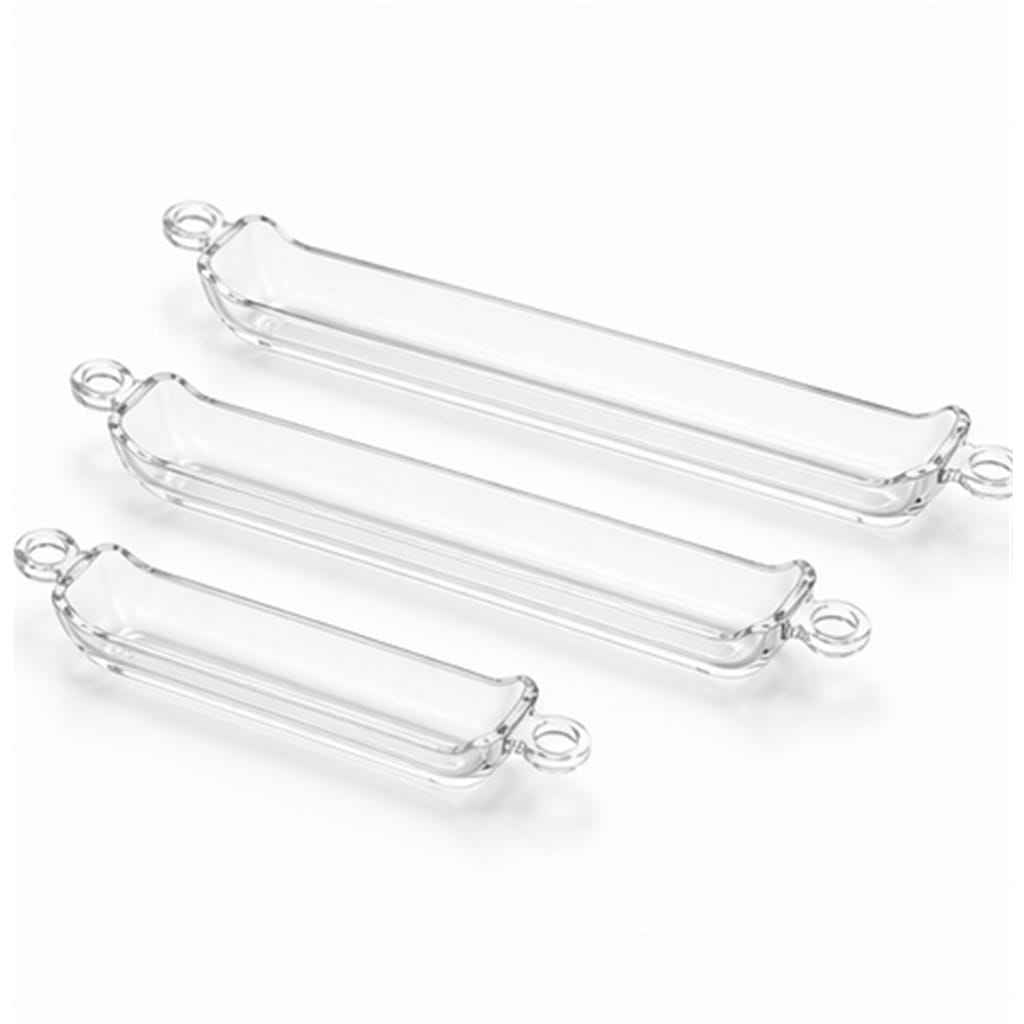
Clear Fused-Quartz Combustion Vessels with Fused Pull Rings
Engineered for high-temperature analytical tube furnaces up to 1450 °C with welded pull rings for robotic and manual furnace loading.
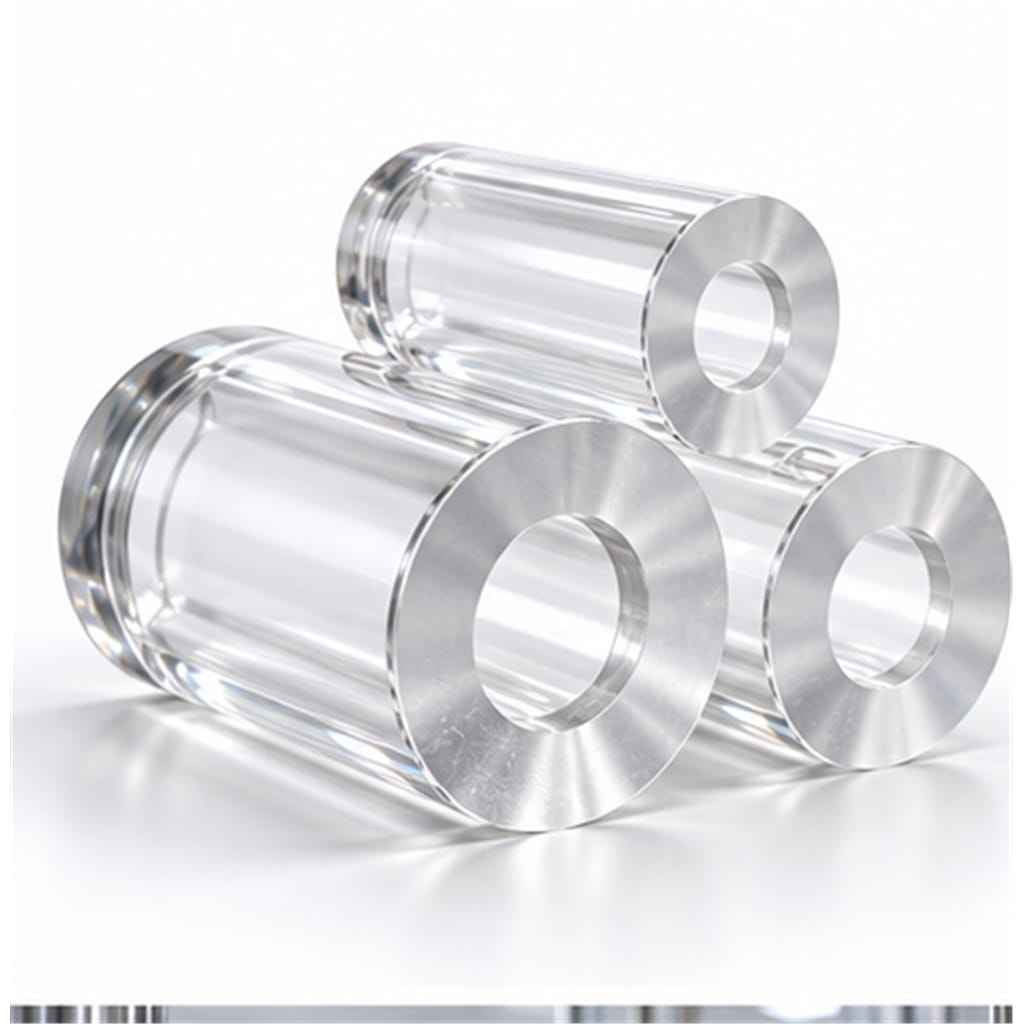
Heavy-Wall Fused-Quartz Cylindrical Pressure Tubes with Squared Ends
Precision thick-wall fused silica sight glass tubes withstanding extreme hydrostatic pressures in industrial autoclave monitoring.
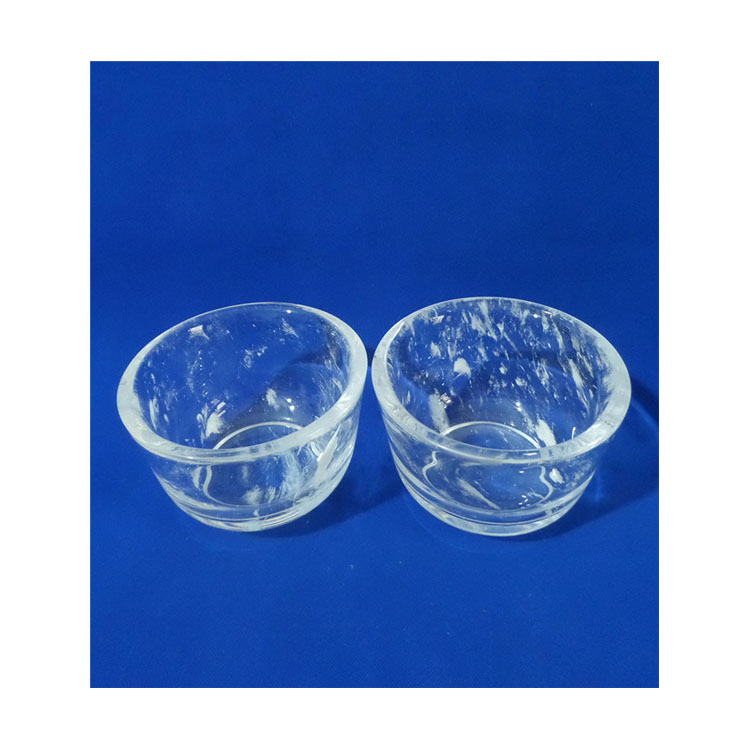
High Temperature Resistant Quartz Glass Circular Silica
Custom-sized circular quartz discs featuring micro-ground edges, zero thermal deformation at 1100 °C, and ultra-high chemical inertness.
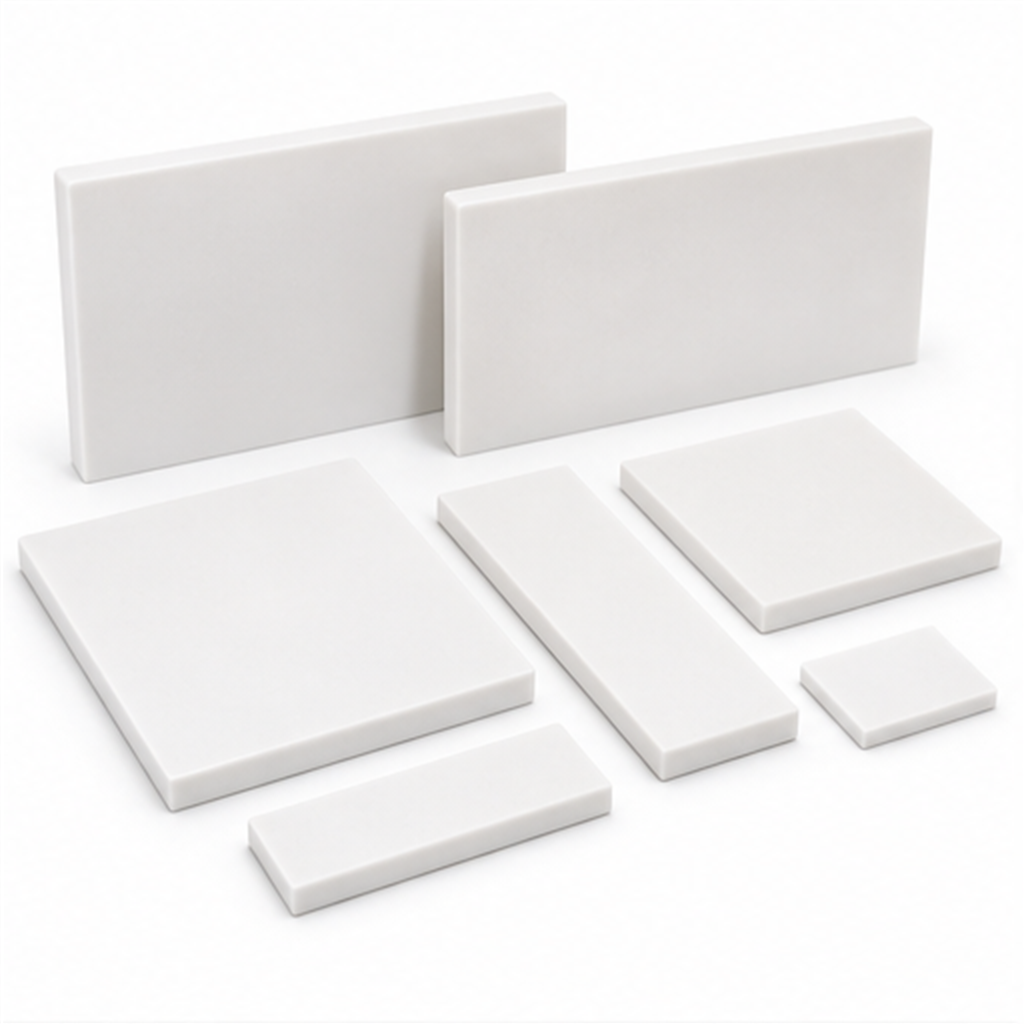
High Purity Opaque Milky White Fused Quartz Rectangular Plate
Micro-porous heat-diffusing silica slabs for uniform infrared back-scattering, semiconductor thermal shields, and muffle furnaces.
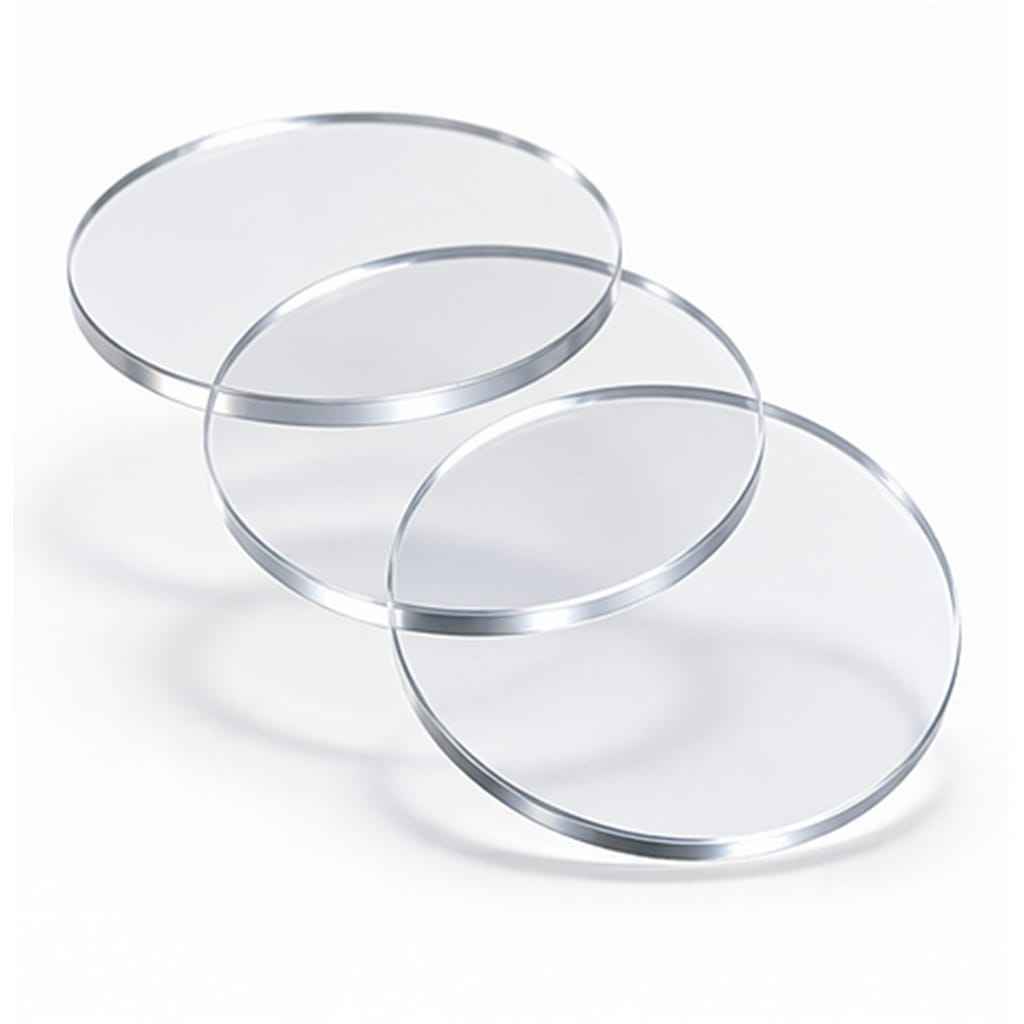
Optically Polished Single-Crystal Quartz Wafers with Chamfered Edges
Piezoelectric sensor-grade substrates offering laser-grade optical polish (Ra < 0.5 nm) for QCM sensors and high-frequency oscillators.
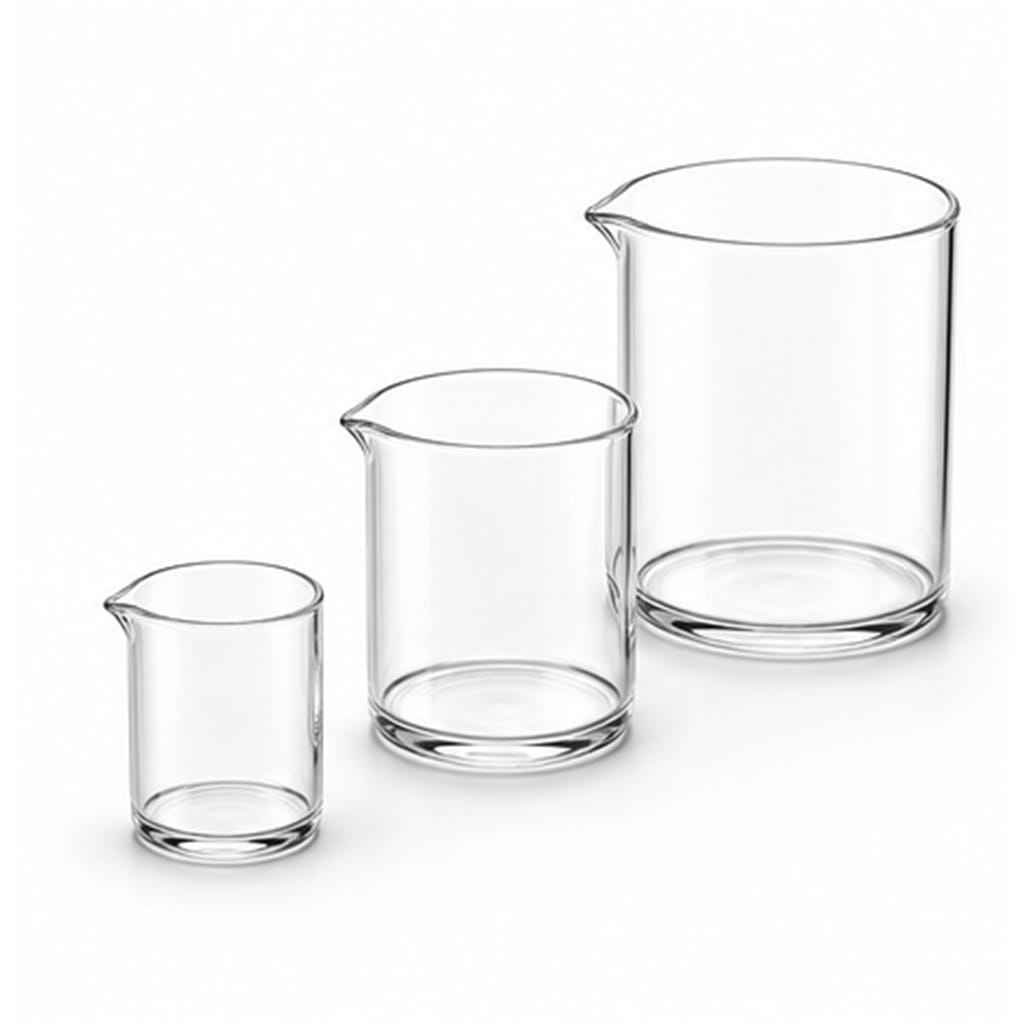
Clear Fused-Quartz Laboratory Beakers with Molded Spout
Hydrochloric, nitric, and sulfuric acid boiling vessels featuring molded spouts and minimal trace metallic ion leachability.
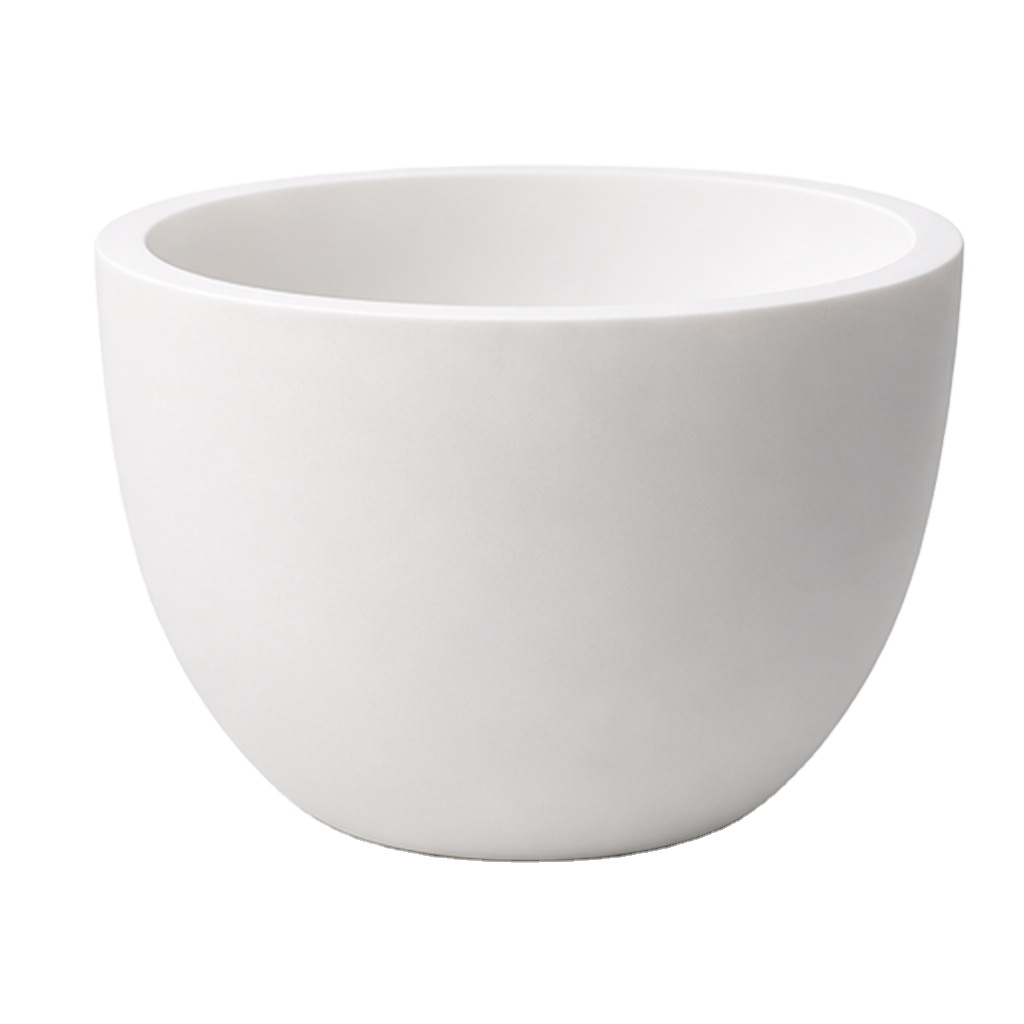
10 Inch High Purity Opaque Milky Fused Quartz Crucible
Heavy-duty arc-fused crucible containers optimized for non-ferrous metal refining, polysilicon crystal growth, and glass melting.
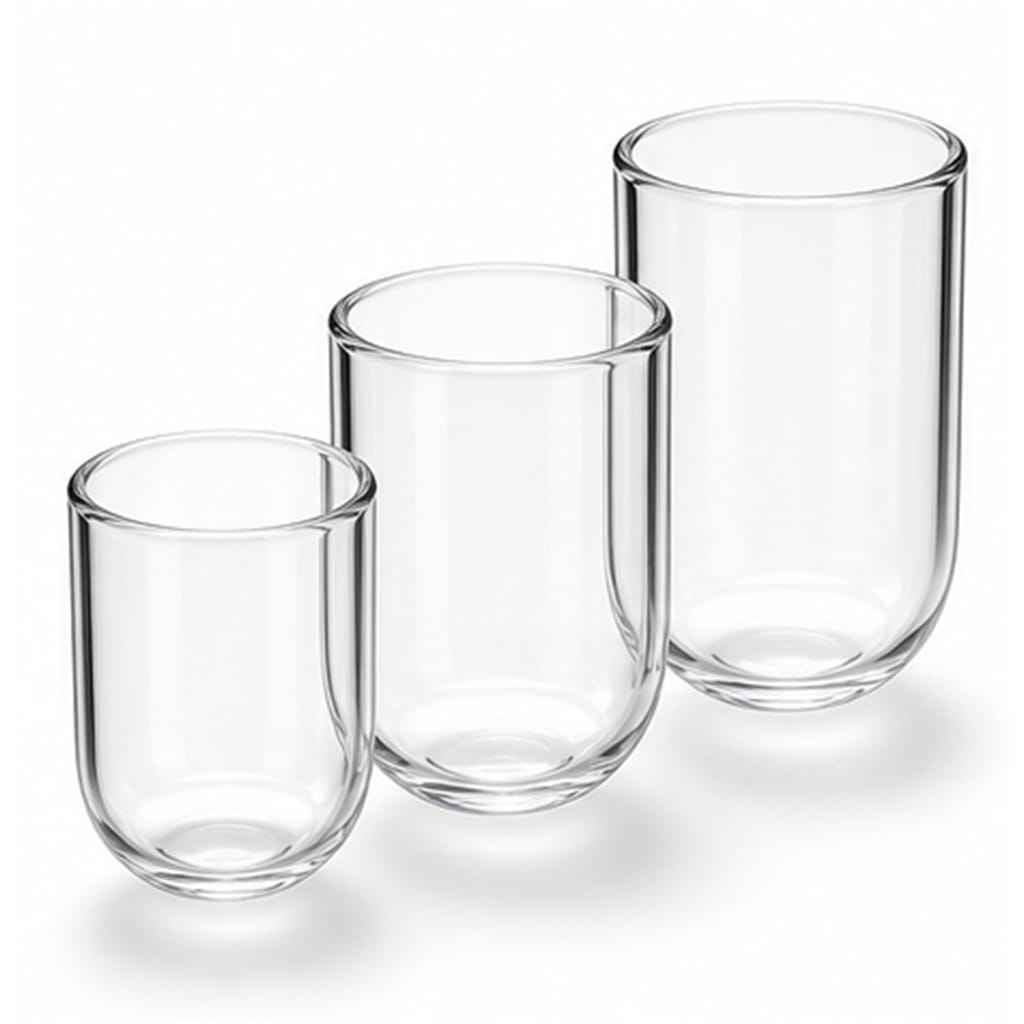
Clear Fused-Quartz Melting Crucibles with Fire-Polished Rims
Optical-clarity melting crucibles engineered for muffle furnaces, offering crystal-clear observation of molten specimens without devitrification.
Evaluating the Quartz Glass Light Guide Rod Industry in Vienna & Central Europe
Precision quartz glass light guide rods (also categorized as fused silica optical waveguiding cylinders and homogenizing light pipes) represent an indispensable foundation of modern photonics, biomedical instrumentation, semiconductor lithography, and high-energy ultraviolet (UV) curing systems. In the greater metropolitan area of Vienna (Wien), Lower Austria (Niederösterreich), and adjacent Central European high-technology corridors, the demand for optical quartz fabrication has experienced significant qualitative transformation.
Vienna functions as Austria's preeminent epicenter for optical research, biophotonics engineering, and advanced analytical instrumentation. Institutions such as the TU Wien (Vienna University of Technology), the Vienna BioCenter, the Medical University of Vienna (MedUni Wien), as well as industrial clusters along the Danube basin, consistently require custom-engineered light guide rods with extreme internal transmission across deep ultraviolet (DUV: 190–260 nm), standard UV, and near-infrared (NIR: 800–2200 nm) spectral bands.
Optical Waveguide Physics: Why Fused Silica Outperforms Optical Glass
A quartz glass light guide rod operates on the principle of Total Internal Reflection (TIR). When light rays enter the polished optical planar face of a high-purity cylinder at angles exceeding the critical angle $\theta_c = \arcsin(n_2 / n_1)$, total reflection occurs along the cylindrical boundary with zero refractive leakage. Standard optical borosilicate or soda-lime glasses fail rapidly when subjected to modern industrial laser densities, UV sterilization lamps, or elevated operating temperatures due to severe internal absorption, solarization (UV-induced browning), and high thermal expansion leading to catastrophic fracture.
Synthetic fused silica and high-purity fused quartz manufactured by industry leaders exhibit a minuscule thermal expansion coefficient of approximately $5.5 \times 10^{-7} / ^\circ\text{C}$—roughly one-sixth that of borosilicate glass. This allows a quartz light guide rod to maintain micron-level optical axial alignment while absorbing thermal loads that would shatter conventional lenses. Furthermore, with an optical homogeneity exceeding $\Delta n \le 2 \times 10^{-6}$ and an absorption coefficient below $10^{-4} \text{ cm}^{-1}$ in prime wavelengths, fused quartz light guides serve as both passive spatial light homogenizers and robust optical conduits in harsh environments.
| Material Parameter | High-Purity Fused Quartz (JGS2 Equivalent) | Synthetic Fused Silica (JGS1 / UV-Grade) | Borosilicate Glass 3.3 (Reference) |
|---|---|---|---|
| SiO₂ Content | ≥ 99.99% | ≥ 99.9999% | Approx. 81% |
| Useful Transmission Band | 260 nm – 2500 nm | 190 nm – 2200 nm | 350 nm – 2000 nm |
| Refractive Index (n_d at 589.3 nm) | 1.4585 | 1.4584 | 1.4720 |
| Max Continuous Temperature | 1100 °C | 1150 °C | 450 °C |
| Thermal Shock Tolerance | 1100 °C to 20 °C water quench: PASS | 1150 °C to 20 °C water quench: PASS | Severe cracking / shattered |
| End-Face Surface Quality | 20/10 Scratch-Dig (Laser Polished) | 10/5 Scratch-Dig (Super-Polished) | 40/20 Scratch-Dig |
| Hydroxyl (OH⁻) Concentration | < 30 ppm (Low OH) | > 800–1200 ppm (High OH) | N/A (Multi-component glass) |
Localized Industrial Application Scenarios in Vienna
Procurement engineers in Vienna deploy quartz light guide rods across four distinct industrial vectors:
- Biomedical Endoscopy & Dermatological Photomedicine: Vienna’s concentrated medical device companies rely on micro-diameter quartz rods (OD 1.0 mm to 4.0 mm) with optically polished spherical or flat ends to conduct UV-A/UV-B sterilization wavelengths and high-energy excimer laser radiation directly into operative fields without thermal dissipation.
- Industrial UV Curing for Precision Coatings: Along Vienna's manufacturing corridors, modern printing, electronics potting, and coating facilities utilize large-diameter quartz light pipes (OD 12 mm to 50 mm) to homogenize intense UV-LED radiation (365 nm, 385 nm, 405 nm), ensuring uniform curing across polymer interfaces without chromatic hot spots.
- Semiconductor & Photovoltaic Metrology: In cleanrooms supporting microelectronics fabrication, quartz rods transmit optical signals through vacuum chamber viewports, isolating sensitive photodiodes from high-temperature diffusion tubes running at 1100 °C.
- Fluorescence Spectroscopy & Flow Cytometry: Viennese analytical chemistry labs employ square-cross-section light homogenizers to transform irregular Gaussian laser beams into uniform 'top-hat' illumination profiles for single-cell optical interrogations.
Localized Development Trends in Austria
Three primary macro trends define the current procurement environment across Austria:
- Transition Toward Low-OH Deep UV Stability: As semiconductor lithography and water sterilization equipment transition deeper into UVC (222 nm excimer and 254 nm mercury lines), standard quartz grades succumb to solarization. Buyers are specifying specialized hydroxyl-controlled materials to ensure long-term transmission stability.
- Direct-from-Source Procurement Strategies: While Vienna maintains optical design consultancies and high-precision system integrators, raw quartz melting and high-temperature flame-drawing remain concentrated in resource-rich clusters. Viennese OEM manufacturers increasingly establish direct partnerships with primary factories like Donghai Kemzo Quartz to bypass multi-tier European broker markups, achieving 30–45% unit cost reductions while preserving strict ISO 9001 quality compliance.
- Integration of Complex CNC Micro-Machining: Modern applications no longer permit simple hand-cut rods. Viennese buyers demand CNC-ground chamfers, step-down shoulders, conical focusing tips, and anti-reflective (AR) multi-layer thin-film dielectric coatings rated for high laser-induced damage thresholds (LIDT > 10 J/cm² at 1064 nm).
Top 10 Quartz Glass Light Guide Rod Factories & Suppliers in Vienna & Global Supply Chains
A comparative industry benchmark analyzing manufacturing capabilities, optical tolerances, ISO credentials, and lead times for Austrian procurement managers.
A premier integrated manufacturer operating 10+ production lines in the world's quartz capital. Renowned for custom-to-drawing light guide rods, 99.99% SiO₂ purity, and high-precision laser-polished ends with average inquiry responses under 1 hour.
Specializes in rapid optical grinding, custom planar end-face repolishing, and specialized metrology verification for university laboratories and research spin-offs across the Vienna metropolitan area.
Distributes and fabricates industrial quartz components for furnace inspection ports, high-pressure autoclave windows, and industrial UV drying plants operating along the Austrian-German manufacturing corridor.
Focuses on medical diagnostic illumination systems, supplying polished rigid quartz light rods paired with flexible liquid light guides for European medical device OEMs.
Global market leader supplying raw synthetic preforms and ultra-grade raw materials used by regional high-end lithography and telecommunications component fabricators.
Expert in micro-machined quartz rods for optoelectronic assemblies, specialized sensor fixtures, and semiconductor wafer handling arms.
Supplies optical blanks, fused quartz rods, and custom glass compositions to Austrian high-tech manufacturing, defense, and laboratory research facilities.
Provides artisan-level quartz glassblowing, custom reaction vessels, and bespoke flame-polished optical rods for university research labs and pharmaceutical pilot plants.
Engineers light guide rods hermetically sealed into KF, CF, and ISO vacuum flanges for high-vacuum chamber inspection and laser beam delivery.
A premier cross-border optical component stockist providing localized warehousing, overnight express dispatch, and customs clearance for standard quartz rods and laboratory glassware across Eastern and Central Europe.
Direct Source Manufacturing with Engineering-Grade Excellence
Donghai Kemzo Quartz Products Co., Ltd. combines geographic raw material superiority in Donghai with advanced CNC fabrication, stringent ISO 9001 quality assurance, and streamlined European logistics.
Source-Region Advantage
Situated directly at China's crystal capital in Donghai, ensuring direct mineral screening, SiO₂ purity up to 99.99%, and stable price structures insulated from market volatility.
Rapid Inquiry Turnaround
Our dedicated engineering support team delivers technical feasibility assessments, tolerance checks, and quotation estimates within 1 hour for European project inquiries.
Strict Custom Tolerances
From diameter tolerances down to ±0.02 mm to scratch-dig ratings of 20/10 and parallelism < 30 arcseconds, every rod matches client CAD specifications precisely.
Export-Grade Secure Crating
Over 70% export share with specialized suspension packaging, shock indicators, and multi-layer wooden crating ensuring fragile optical goods arrive pristine in Vienna.
Frequently Asked Questions by Vienna Industrial Buyers
Addressing regulatory compliance, optical standards, customs, and thermal considerations for quartz waveguiding rods imported into Austria.
What is the optical transmission difference between JGS1, JGS2, and JGS3 quartz light guide rods?
JGS1 (Synthetic Fused Silica) offers the highest transmission in the deep ultraviolet range (190 nm – 2500 nm) and is essentially bubble-free and solarization-resistant, making it ideal for excimer lasers and UVC curing. JGS2 (Fused Quartz melted from natural crystals) provides superior transmission in the visible and near-infrared bands (260 nm – 2500 nm) with exceptional thermal endurance at an economical price point for furnace sight-glasses and general waveguiding. JGS3 (Infrared Optical Quartz) is synthesized with virtually zero water/hydroxyl ions (OH⁻ < 5 ppm), eliminating the prominent water absorption dip at 2730 nm and ensuring maximum throughput across the mid-infrared spectrum.
Can Kemzo Quartz deliver custom quartz components directly to Vienna under DDP or DAP terms?
Yes. We regularly ship to customers in Austria under DAP (Delivered at Place) and DDP (Delivered Duty Paid) terms, as well as FOB and CIF. Our logistics network utilizes major European hubs (including Vienna Schwechat VIE and Frankfurt FRA) with air-freight transit times averaging 4–7 business days. Customs documentation, HS code classifications (typically under 7002.31 for quartz tubes and 7002.39 for quartz rods), and EUR/USD invoice compliance are fully coordinated by our export team.
How do you prevent micro-cracks and stress concentrations on cut quartz rod ends?
Mechanical diamond-wheel cutting inevitably leaves micro-fissures along the perimeter of brittle quartz glass. At Kemzo Quartz, all light guide rods undergo multi-step processing: precision diamond cutting, followed by CNC edge chamfering (typical 0.5 mm × 45°), flat optical grinding with silicon carbide/cerium oxide abrasives, and finally laser-grade mechanical polishing or thermal fire-polishing. Finally, components are annealed in programmable furnaces at 1215 °C to release residual internal stresses prior to polarized light polariscopic inspection.
What surface quality specifications are typical for light homogenizing rods?
For entrance and exit faces, we provide optical finishes ranging from standard commercial polish (60/40 Scratch-Dig) up to high-precision laser-grade finish (20/10 or 10/5 Scratch-Dig with surface roughness Ra < 0.5 nm). The cylindrical outer perimeter can be supplied either fire-polished for maximum internal total reflection efficiency or fine-ground (frosted) when spatial beam de-speckling and lateral light diffusion are desired.
Are Kemzo Quartz materials certified for RoHS, REACH, and Austrian industrial standards?
Yes. High-purity fused quartz is chemically inert and comprised strictly of silicon dioxide (SiO₂ ≥ 99.99%). Our products comply with EU RoHS Directive 2011/65/EU and REACH Regulation (EC) No 1907/2006, containing zero hazardous substances or heavy metals. Certificates of Analysis (COA) specifying trace impurity concentrations (Fe, Al, Ti, Na, K, Li, Ca) in parts per million (ppm) are supplied with each production batch.