Featured High-Purity Fused Quartz Components
Engineered for extreme thermal resistance, superior optical clarity, and zero-contamination performance in advanced chemical, optical, and high-temperature metallurgical applications.
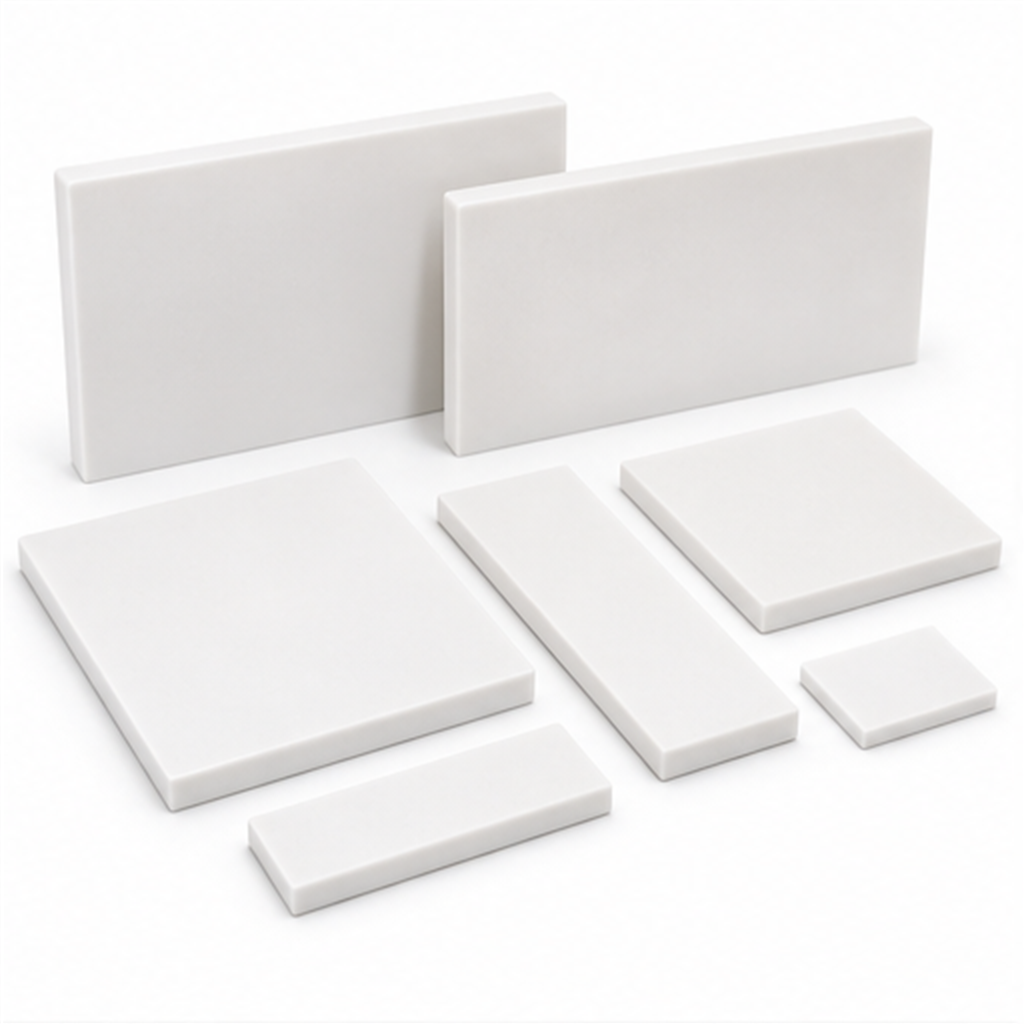
High Purity Opaque Milky White Fused Quartz Rectangular Plate Sheet Slab
View Specifications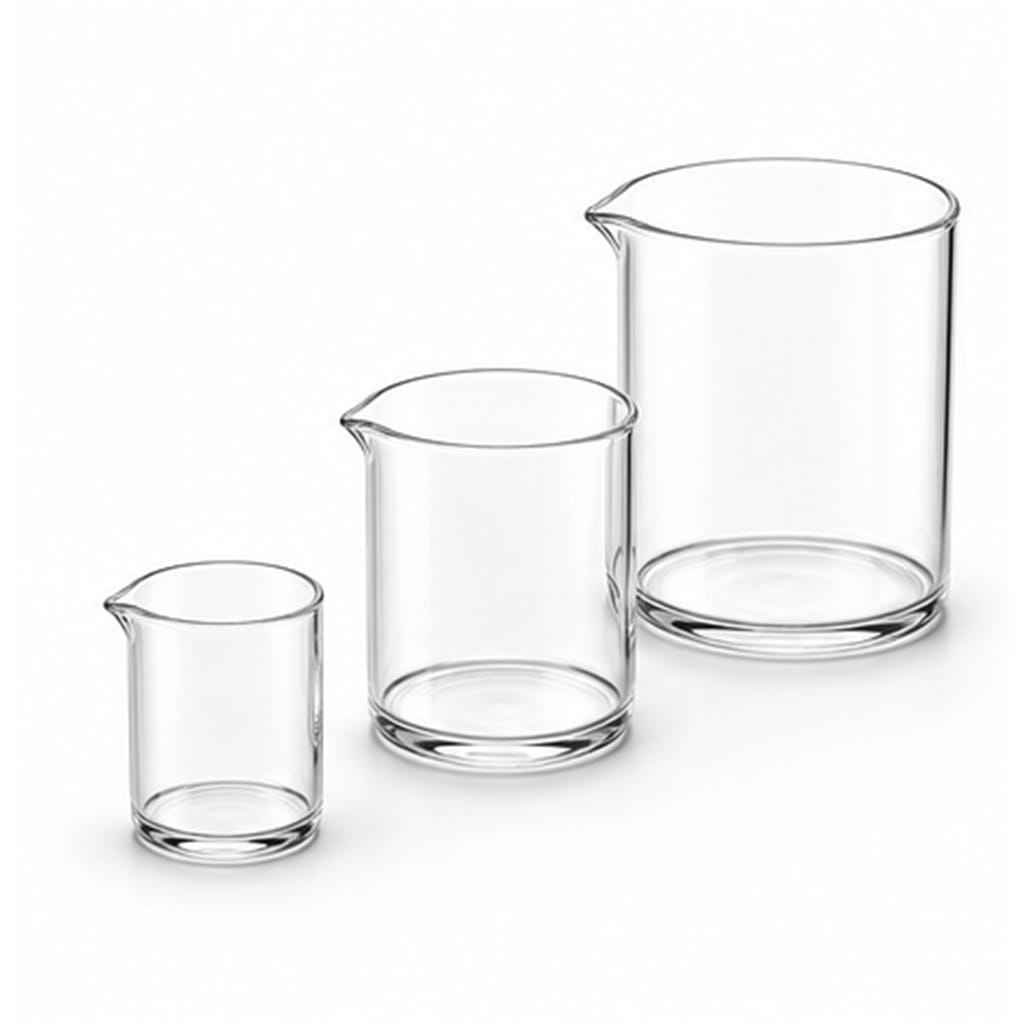
Clear Fused-Quartz Laboratory Beakers with Molded Pouring Spout for Acid-Resistant Chemical Heating
View Specifications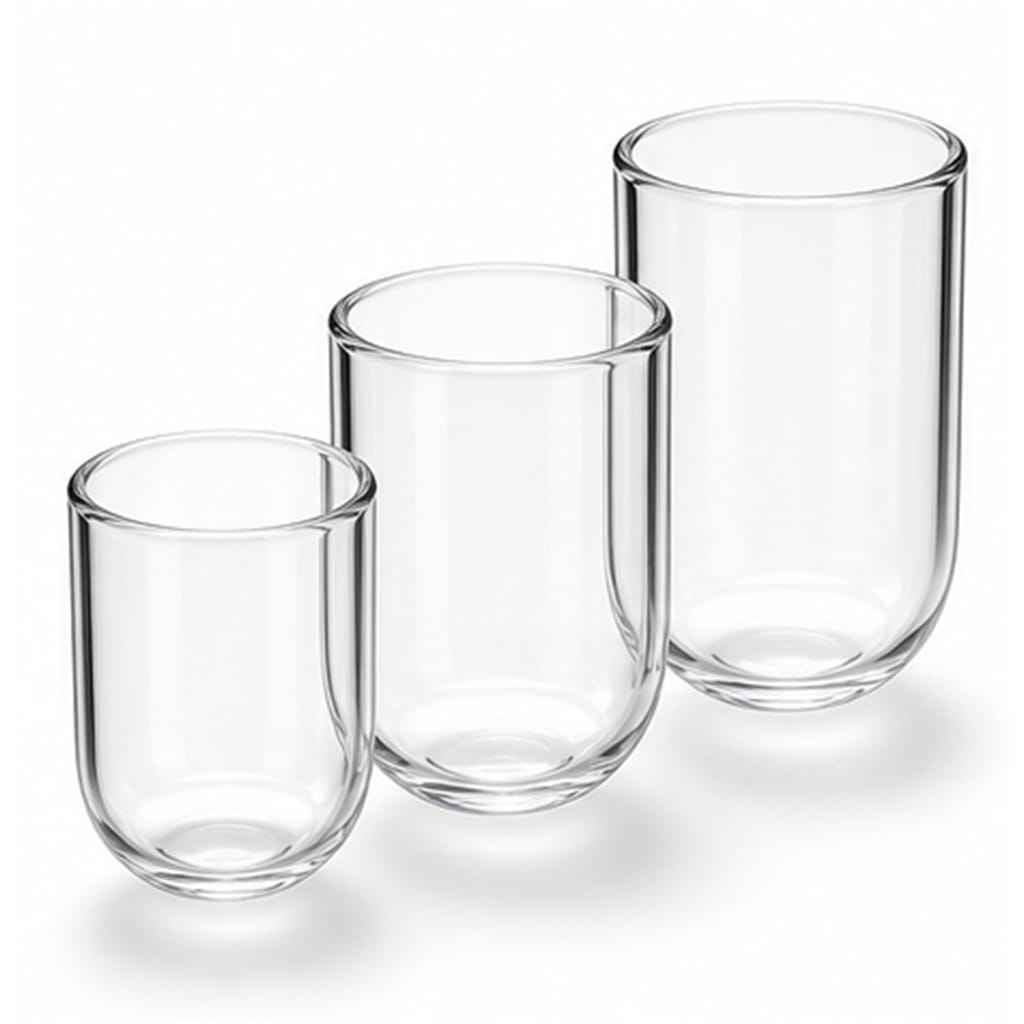
Clear Fused-Quartz Melting Crucibles with Fire-Polished Rims for High-Temperature Laboratory Muffle Furnaces
View Specifications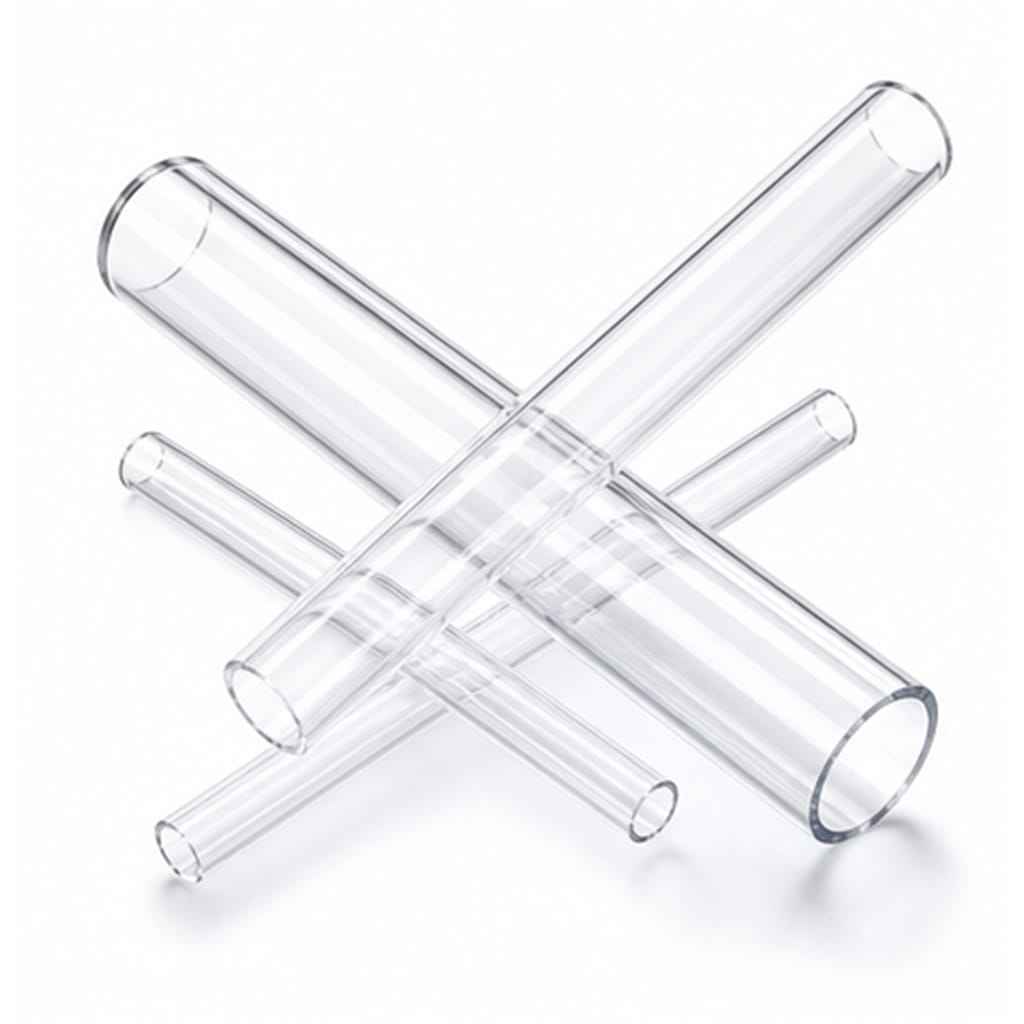
Precision Flat-Cut Fused-Quartz Straight Process Tubes with 90-Degree Squared Ends for Vacuum CVD Chambers
View Specifications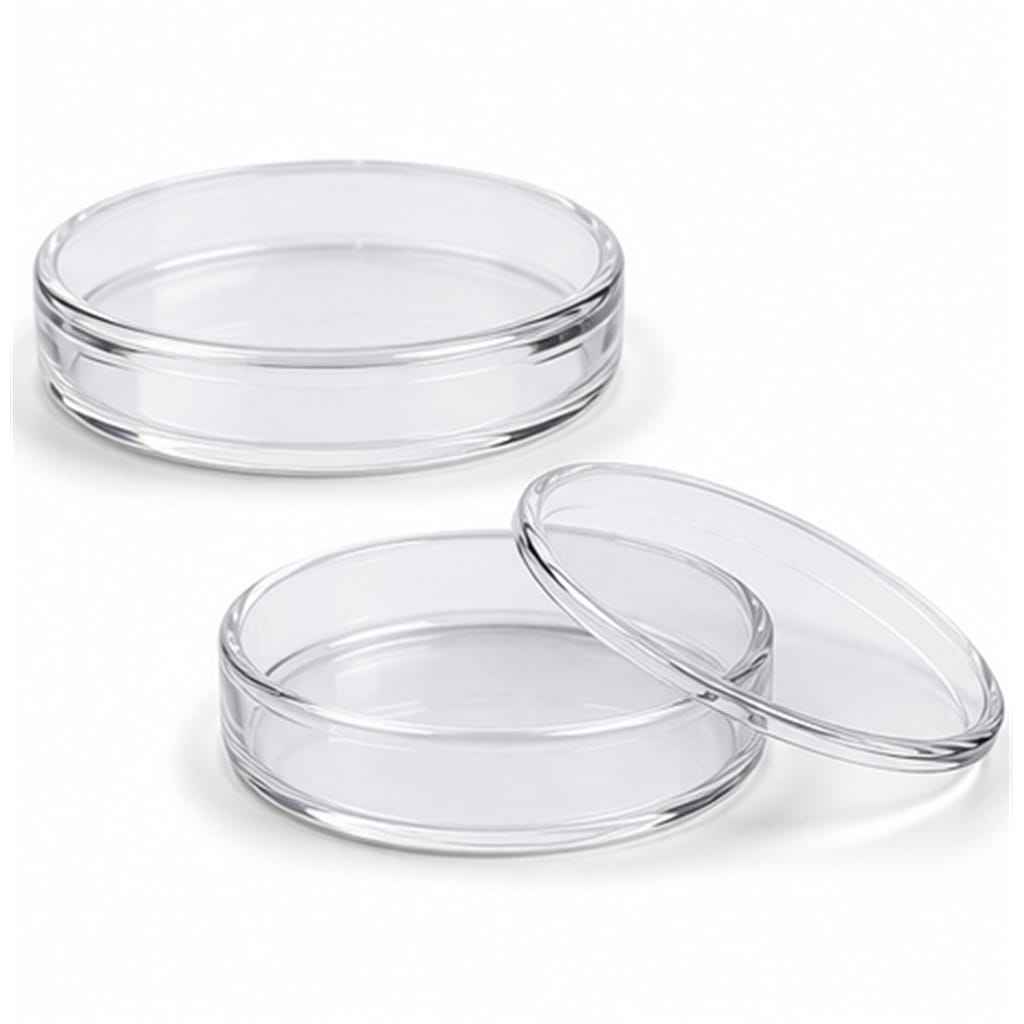
Clear Fused-Quartz Petri Dishes with Lids for High-Temperature Cell Culture and Acid Evaporation
View Specifications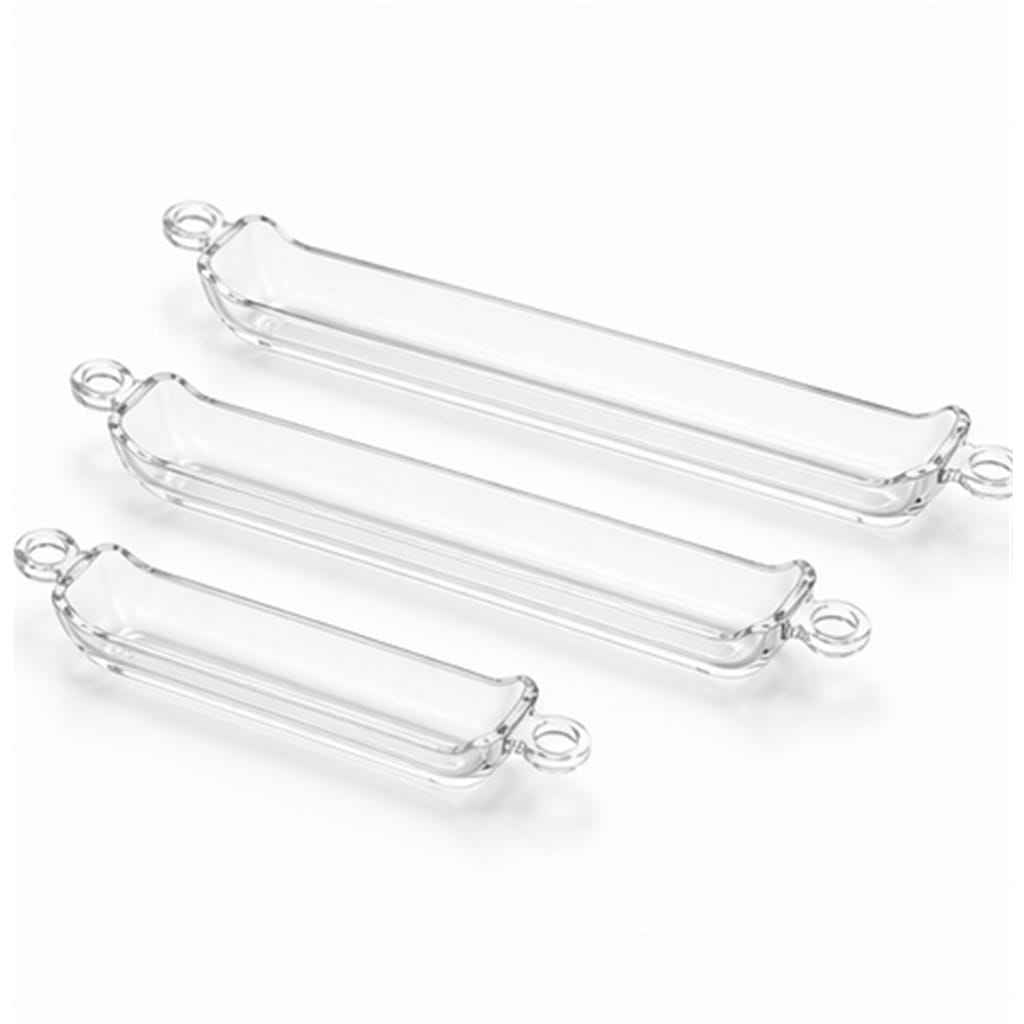
Clear Fused-Quartz Combustion Vessels with Fused Pull Rings for High-Temperature Analytical Tube Furnaces
View Specifications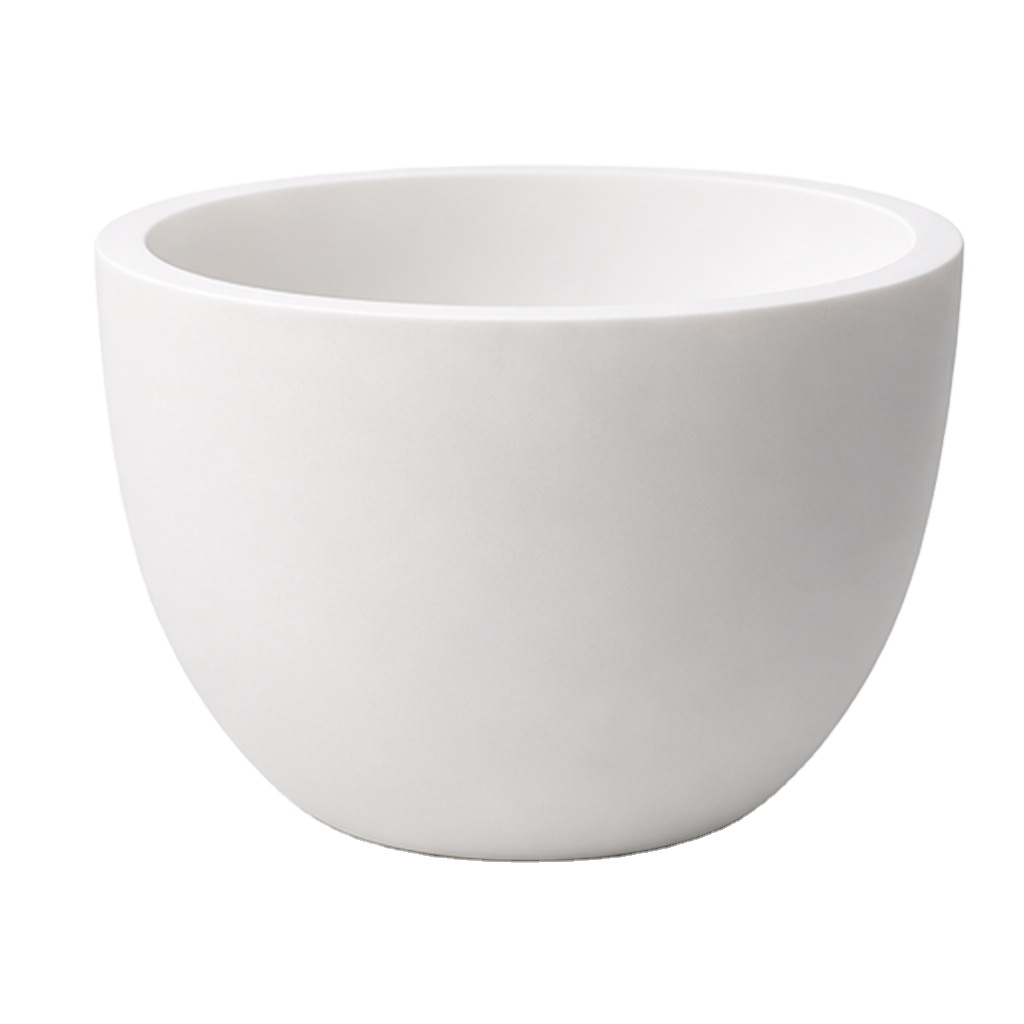
10 Inch High Purity Opaque Milky Fused Quartz Crucible for High Temp Melting Casting
View Specifications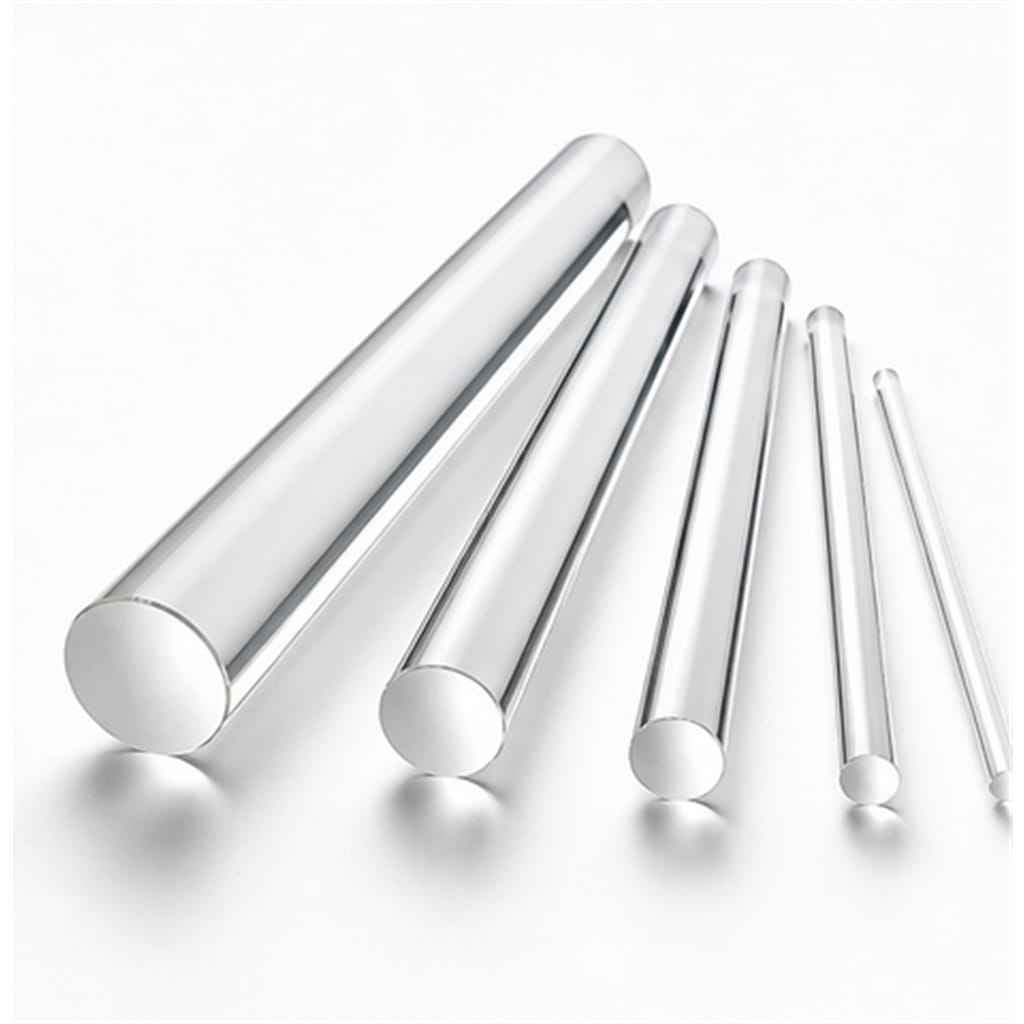
Solid Fused-Quartz Cylindrical Rods with Precision 90-Degree Flat-Cut Ends for Optical Laser Light Guides
View SpecificationsExecutive Analysis: Fused Quartz Ingot Block Supply Chains in FEZ Grodnoinvest
The region of Grodno, situated strategically within Western Belarus and anchored by the Free Economic Zone "Grodnoinvest," represents a key industrial epicenter for chemical synthesis, fertilizer production, optical component manufacturing, and advanced metallurgy. As industrial enterprises in Grodno modernize their thermal processing lines and chemical reactor infrastructures, the procurement demand for heavy-section quartz ingot blocks, synthetic silica slabs, and custom-machined quartz blanks has experienced accelerated growth.
Quartz ingot blocks serve as fundamental structural feedstocks. Unlike standard technical borosilicate glass or high-alumina ceramics, high-purity fused quartz ($SiO_2 \ge 99.99\%$) maintains near-zero thermal expansion, remarkable resistance to thermal shock, and absolute chemical inertness against aggressive mineral acids (with the exception of hydrofluoric and hot phosphoric acids). For engineering leaders operating within Grodno’s chemical synthesis corridors (such as nitrogen compound complexes and specialty glass plants), sourcing quartz blocks that meet rigorous geometric, optical, and purity tolerances is critical to preventing process downtime.
Material Classification & Comparison Matrix
To assist procurement managers across Grodno's manufacturing ecosystem, the following technical matrix details the performance boundaries between electro-fused natural quartz ingots, flame-fused silica blocks, and synthetic quartz slabs.
| Quartz Grade Category | SiO2 Purity Level | OH- Content Range | Primary Application Spectrum | Thermal Deflection Limit |
|---|---|---|---|---|
| Electro-Fused Natural Quartz (Type I) | 99.99% - 99.995% | < 5 ppm | High-temperature vacuum furnaces, furnace structural blocks, heavy crucibles | 1250°C Continuous / 1450°C Short-term |
| Flame-Fused Quartz Block (Type II) | 99.99% | 150 - 400 ppm | Chemical digestion vessels, acid heat exchangers, sight glass slabs | 1100°C Continuous / 1300°C Short-term |
| Synthetic Fused Silica Ingot (Type III) | > 99.999% | 800 - 1000 ppm | Laser optical windows, photomask substrates, semiconductor wafer handlers | 1000°C Continuous / 1200°C Short-term |
Localized Industrial Application Scenarios in the Grodno Region
Understanding the specific environmental stressors of Grodno’s manufacturing hubs allows quartz component engineers to tailor ingot block formulations for optimal field service life.
1. Chemical Processing & Fertilizer Industry
In Grodno’s chemical complexes, high-purity opaque and clear quartz blocks are wire-sawed into custom reactor lining slabs, heat shield baffles, and distillation column packing plates. Their immunity to nitric, sulfuric, and hydrochloric acid vapors at temperatures exceeding 800°C prevents trace metal ion leaching.
2. Optical & Precision Instrument Assembly
Legacy glassmaking expertise in the Grodno oblast has expanded into precision optical processing. Synthetic quartz ingots are core-drilled and double-side polished into UV-grade lens blanks, laser prisms, and optical sight windows capable of distortion-free light transmission across the 185 nm to 2500 nm wavelength range.
3. High-Temperature Metallurgical Casting
Foundries and specialty metal producers in Western Belarus rely on heavy-walled 10-inch milky opaque quartz crucibles and machined quartz block molds for melting high-purity alloys and precious metal assays, taking advantage of quartz’s non-wetting properties against molten metal melts.
Emerging Procurement Trends in Western Belarus
As international supply chains shift toward heightened technical compliance and shortened lead times, enterprise buyers in Grodno are transitioning from standardized catalog purchasing to direct engineering-to-production relationships with specialized original equipment manufacturers (OEMs).
Key Strategic Procurement Drivers:
- Direct Technical Drawing Processing: Procurement teams increasingly require direct multi-axis CNC machining, edge chamfering, and custom flame polishing directly at the manufacturing site in Donghai, China, eliminating secondary processing overhead in Europe.
- Strict Traceability & Certification: High-tech enterprises within FEZ Grodnoinvest mandate ISO 9001 quality management validation, spectrographic material certificates (showing impurity breakdowns in PPM), and origin verification with every consignment.
- Optimized Logistics & Customized Packaging: Due to the ultra-fragile nature of large-format fused quartz slabs and process tubes, exporters must utilize export-grade wooden crate enclosures with custom-molded polyethylene foam cushioning and shock-sensor indicators.
Why Regional Buyers Partner with Donghai Kemzo Quartz Products Co., Ltd.
Located in Donghai County, Lianyungang, Jiangsu Province—recognized globally as China’s premier crystal and high-purity quartz reserves hub—Donghai Kemzo Quartz Products Co., Ltd. has established itself as an integrated manufacturing authority since 2011.
Source Crystal Reserves
Proximity to world-class high-purity natural quartz sand deposits allows strict raw material selection ($SiO_2 \ge 99.99\%$), guaranteeing low metallic ion contamination (Fe < 1 ppm, Al < 12 ppm).
Complete In-House CNC Machining
From core drilling, surface grinding, and laser cutting to intricate flame welding and annealing furnaces, Kemzo delivers turnkey quartz blocks tailored precisely to customer CAD drawings.
ISO 9001 Certified Quality Control
Recognized as a Jiangsu High Technology Enterprise, every production batch undergoes 100% dimensional check, bubble grade verification, and polariscopic stress relief inspection before export packing.
Frequently Asked Questions: Purchasing Quartz Ingot Blocks in Grodno
Need Custom Machined Quartz Ingot Blocks or Technical Quotes?
Submit your CAD drawings, operational parameters, or material grade requirements to our senior engineering team. Receive feasibility validation and competitive pricing within 1 hour.
Contact Us