Precision Quartz Components & Crucible Solutions
1. Technical Intent & Strategic Procurement Needs in Gwangju (South Korea)
Gwangju Metropolitan City has firmly established itself as South Korea’s premier hub for advanced photonics, optical communication devices, compound semiconductor packaging, and next-generation battery research. Industrial ecosystems such as the Gwangju High-Tech Industrial Complex, Nambuk Industrial Complex, and nearby energy tech zones demand strict reliability from high-temperature processing consumables.
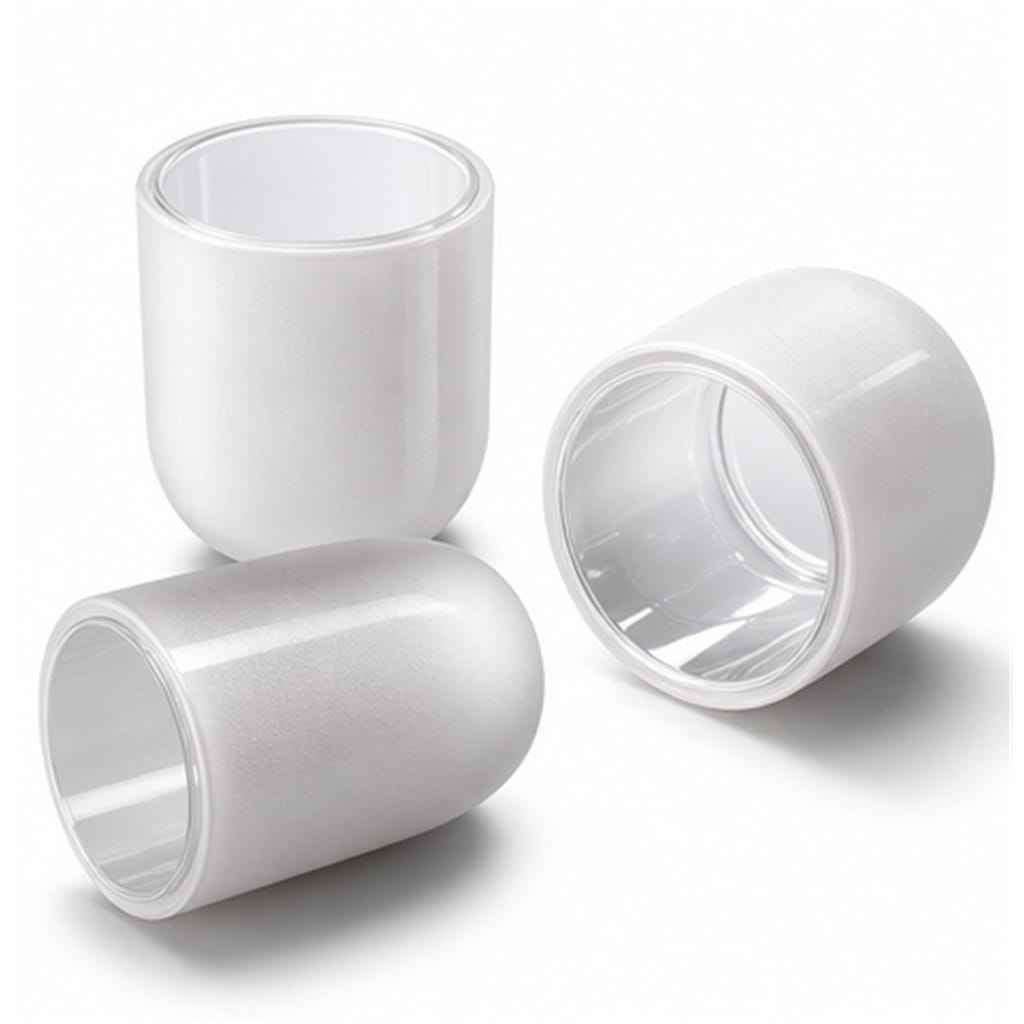
When processing compound semiconductor crystals (such as GaAs, GaN, and InP), melting precious metal alloys, or conducting vacuum induction melting (VIM), standard ceramic crucibles fail due to chemical leaching, structural thermal shock, and inadequate purity. High-purity fused quartz crucibles—manufactured from processed natural crystal sand or synthesized fused silica—serve as the indispensable containment medium due to their exceptional thermodynamic stability and near-zero metallic ion leaching.
Key technical criteria prioritized by Gwangju engineering leads include:
- Ultra-Low Contamination: Total alkali metal impurities (Na, K, Li) kept strictly below 10-15 ppm to prevent crystalline defect migration during CZ (Czochralski) or Bridgman crystal growth.
- Thermal Shock Resilience: Extremely low coefficient of thermal expansion (5.5 × 10⁻⁷ /°C) allowing rapid thermal cycling from ambient temperature up to 1100°C–1300°C without catastrophic fracture.
- Devitrification Resistance: Optimized glass surface matrix designed to slow down phase transformation into cristobalite during long furnace soak times.
2. Material Grade Benchmarking: Fused Quartz vs. Standard Ceramics
| Material Property / Parameter | High-Purity Fused Quartz | High-Purity Alumina (99.7% Al₂O₃) | Synthetic Borosilicate Glass |
|---|---|---|---|
| SiO₂ Purity Level | 99.9% – 99.995% | N/A (Alumina based) | ~80% SiO₂ (B, Na additives) |
| Continuous Operating Temp | 1100°C (1450°C short-term) | 1600°C | 500°C |
| Coeff. of Thermal Expansion (20-300°C) | 5.5 × 10⁻⁷ /°C | 8.0 × 10⁻⁶ /°C | 3.3 × 10⁻⁶ /°C |
| Thermal Shock Tolerance | Extreme (Instant quench tolerant) | Moderate to Poor | Moderate |
| Acid Resistance (except HF/H₃PO₄) | Outstanding (Inert to hot acids) | Good | Moderate |
| Dielectric Strength (20°C, 1MHz) | 25 – 40 kV/mm | 10 – 15 kV/mm | 15 – 20 kV/mm |
3. Localized Applications Across Gwangju Industrial Sectors
Precision quartz components exported by Donghai Kemzo Quartz Products Co., Ltd. directly align with the core technological thrusts of Gwangju Metropolitan City:
Semiconductor & Compound Ingot Growth
In silicon wafer pulling and III-V compound semiconductor processing (GaAs, InP), 4-inch to 18-inch quartz crucibles serve as zero-contaminant melt containers under vacuum or inert argon shields.
Photonics & Optical Component Sintering
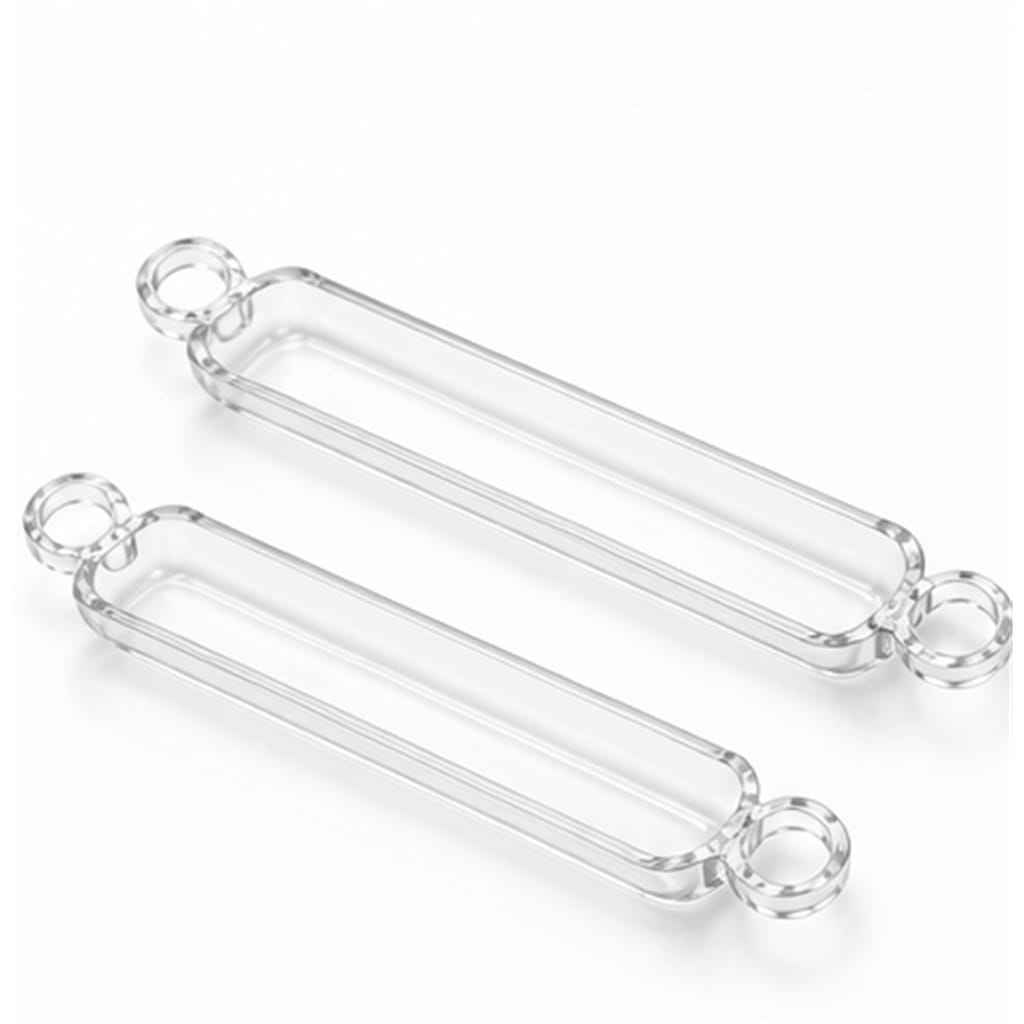
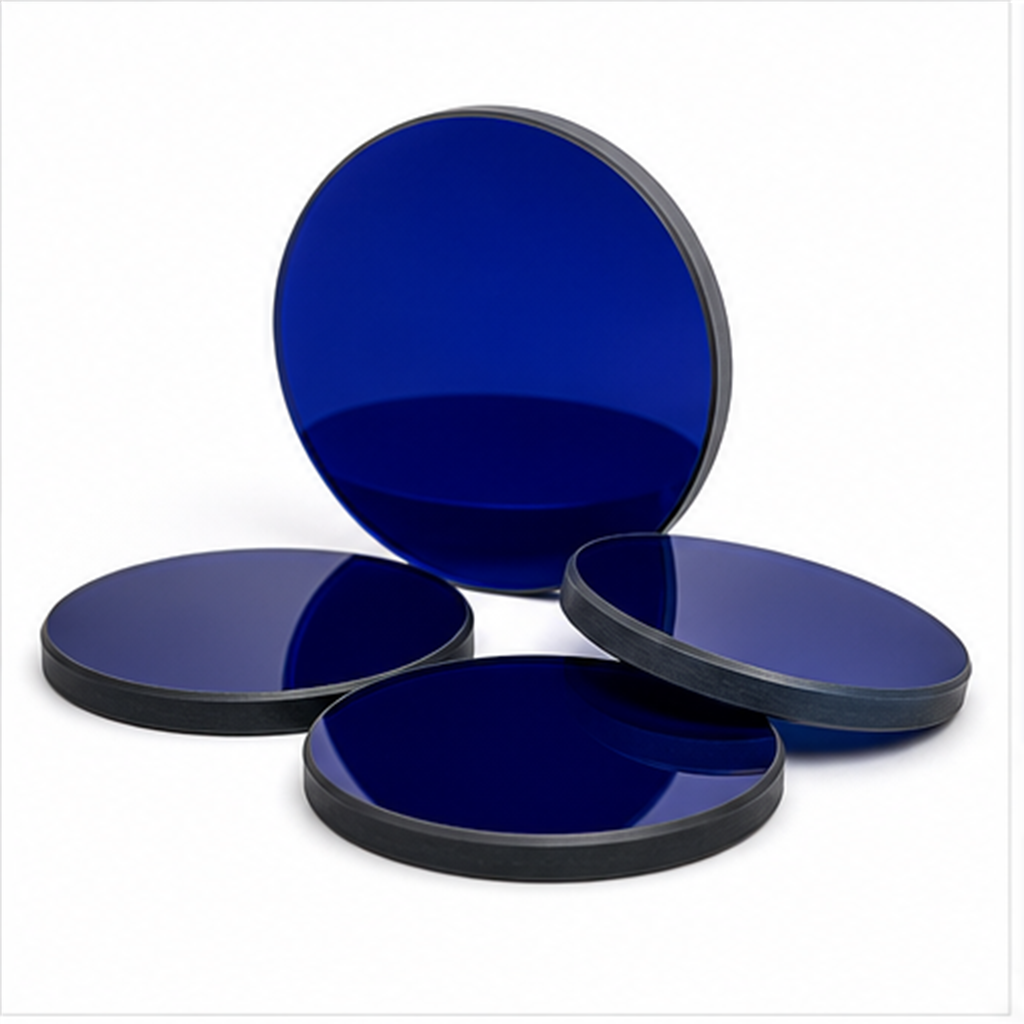
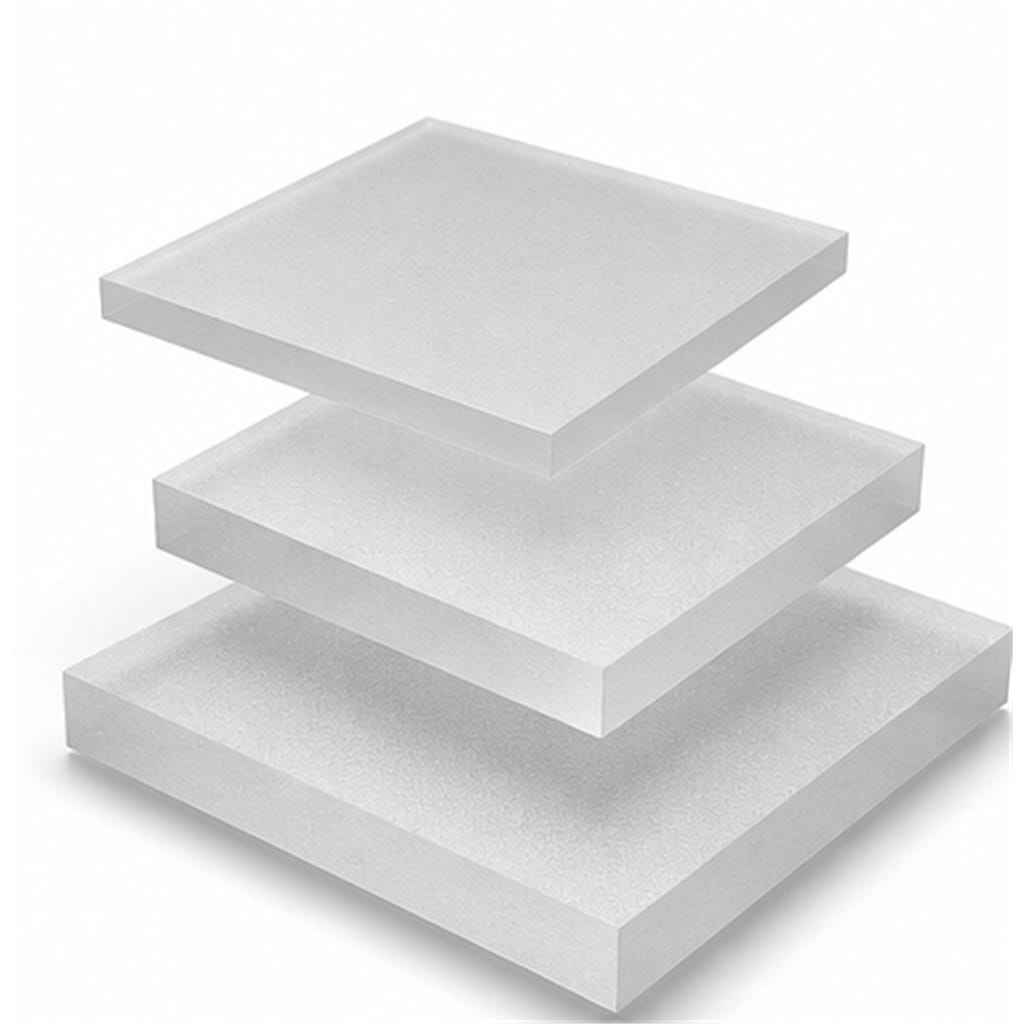
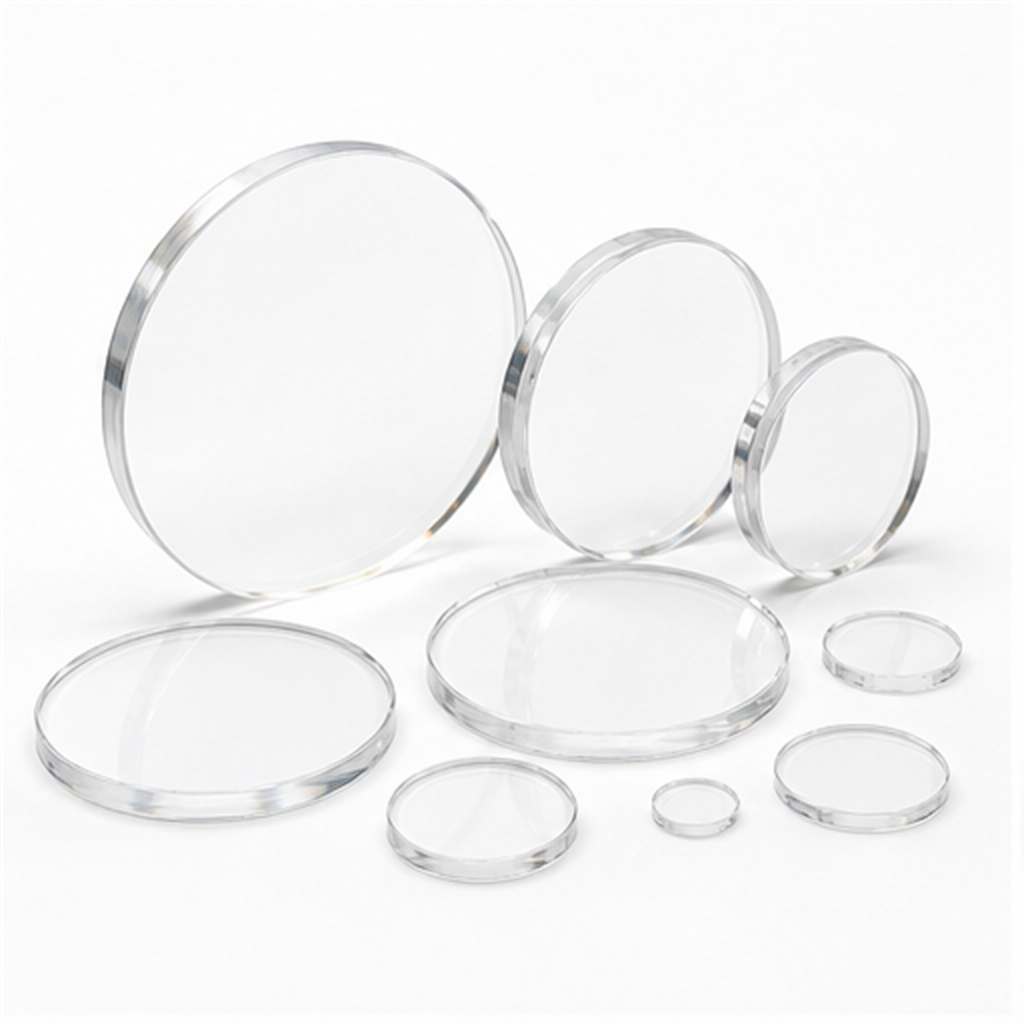
Gwangju’s cluster of optical fiber cable and precision lens manufacturers utilizes custom quartz boats, disc plates, and sight glasses for high-temperature UV optical window fabrication and glass preform collapse.
Battery Materials & Precious Metal Assay
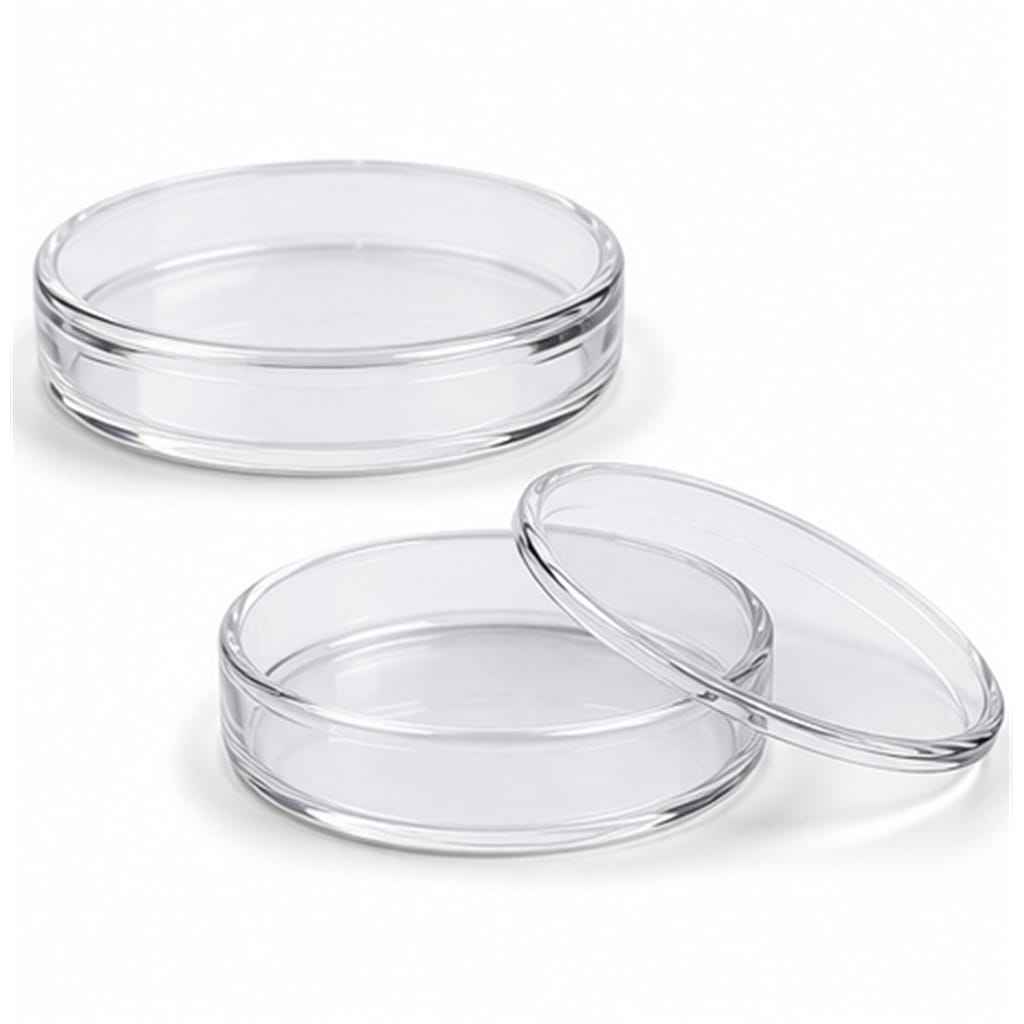
Advanced energy researchers in Gwangju rely on quartz combustion boats and petri dishes for calcination, acid digestion, and high-temp battery cathode material powder analysis.
4. Localized Supply Chain & Market Trends in South Korea
South Korea’s high-tech manufacturing sector has undergone significant structural supply-chain optimization. High-tech enterprises in Gwangju increasingly emphasize supplier diversification, compliance with ISO 9001 quality audits, and rapid customs transit protocols.
Donghai Kemzo Quartz Products Co., Ltd., situated in Donghai County (Lianyungang, Jiangsu, China)—the world-renowned crystal hub—offers direct regional advantages for South Korean importers:
- Geographic Proximity & Shipping Logistics: Fast sea-freight routes from Lianyungang / Qingdao port directly to Incheon, Busan, or Gwangyang ports, enabling delivery lead times under 5–7 days for standard stock orders.
- China-Korea FTA Utilization: Preferential tariff processing with complete Certificate of Origin documentation (Form K), ensuring lower landed costs for Gwangju procurement officers.
- Custom OEM Drawing Fabrication: Rapid prototype turnaround from CAD files (STEP, DWG, PDF) to finished annealed quartz components within 10–14 business days.
5. Corporate Capability & Quality Management
ISO 9001 & High-Tech Certification
Certified quality management system covering raw sand purification, electric/arc melting, stress annealing, and spectrographic trace analysis.
Comprehensive Processing Fleet
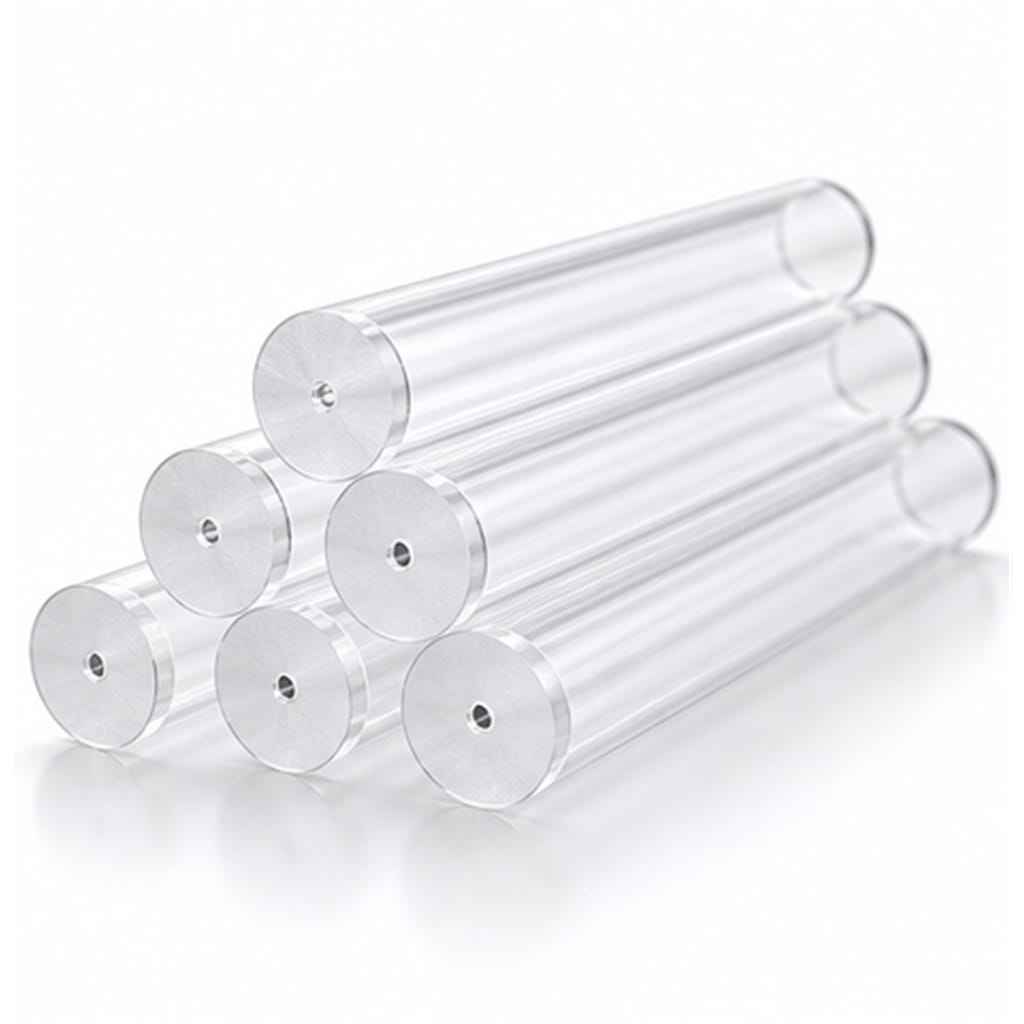
Operating over 10 production lines equipped with CNC quartz glass lathes, automatic tube drawing towers, fire-polishing stations, and double-side optical polishing tools.
Export Packing Safeguards
Custom shock-absorbing EPE foam matrices, vacuum sealing, and plywood crate packaging engineered specifically to eliminate shock damage during cross-border transit.
6. Frequently Asked Questions for Gwangju Procurement Engineers
Need Customized Quartz Crucibles or Components for Your Gwangju Facility?
Speak directly with our technical glass engineers today. Obtain custom drawing reviews, material purity certificates, and localized delivery timelines within 1 hour.
Get Catalog