Optical Filter
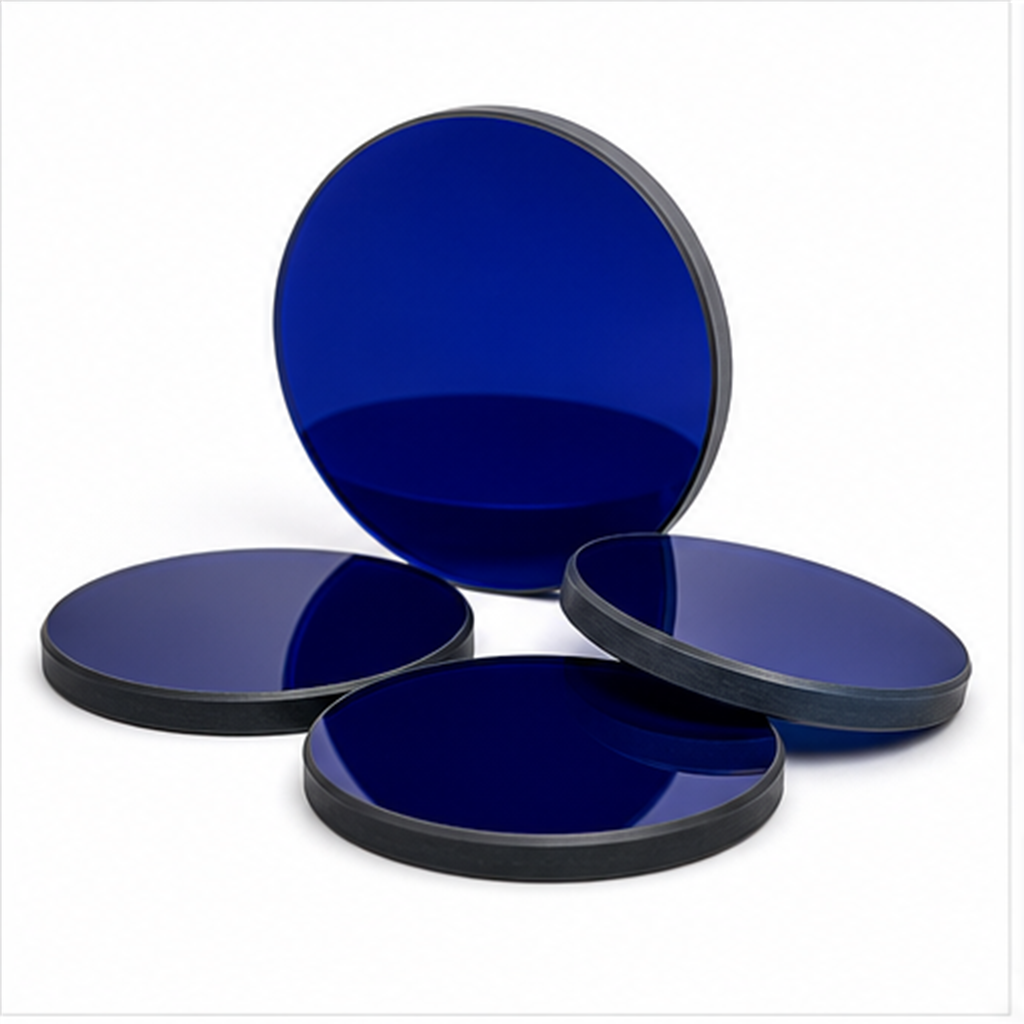
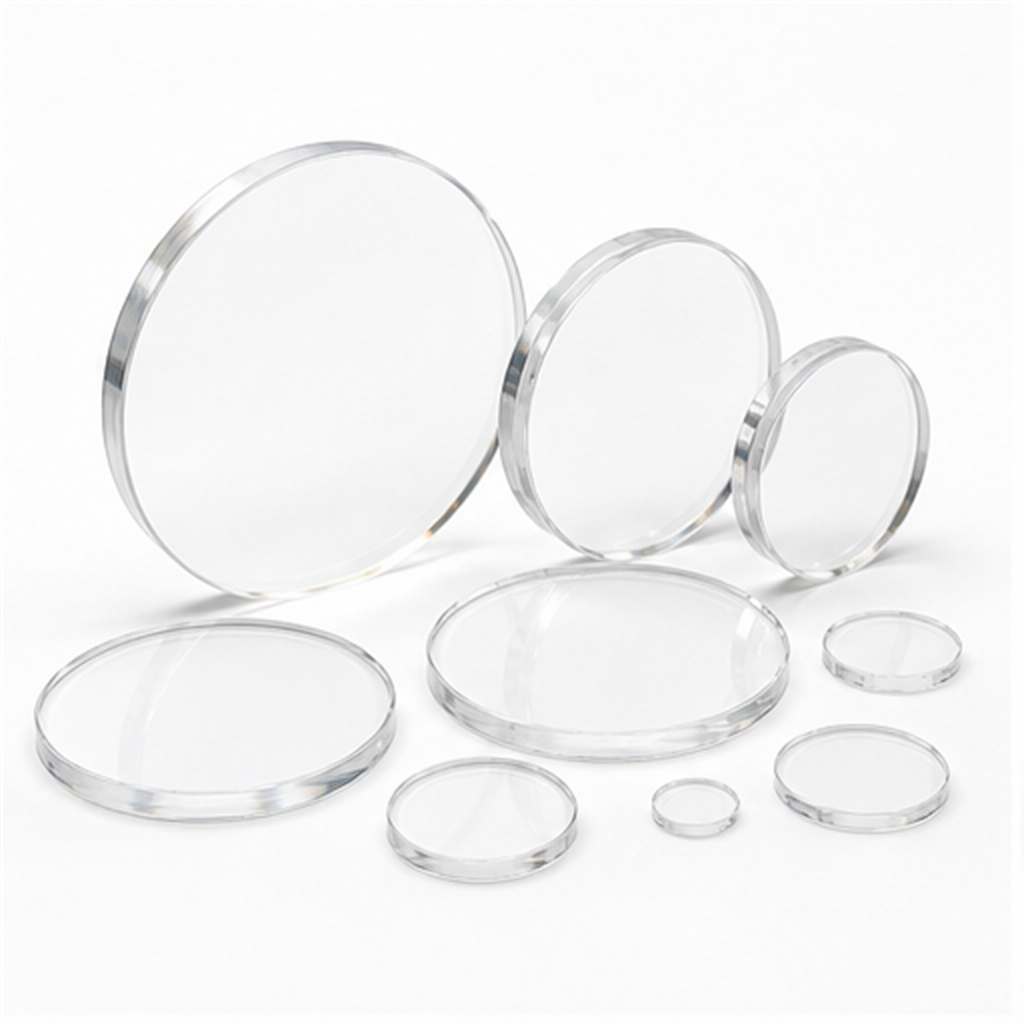
Optical Cobalt Blue Glass Disc Circular Filter Sight Window
- Selective UV/IR optical isolation
- Thermal shock threshold ≥ 800°C
- High-temperature furnace inspection
Explore our premium fused silica and carbon fiber heating configurations manufactured from Donghai's world-renowned natural crystal deposits, tailored for Latin American industrial heating envelopes.
A rigorous comparative analysis of infrared electromagnetic transfer, thermal response latency, and substrate absorption physics for plant managers across the Mixco industrial zone.
Industrial thermal processing in modern industrial complexes requires a transition away from traditional convection heating and high-inertia metal wire elements. In automated converting, plastics thermoforming, and paint curing, convection relies heavily on air as an intermediary transport medium. This introduces substantial convective losses, excessive warm-up intervals, and vulnerability to ambient humidity swings. The deployment of carbon fiber quartz heating lamps (medium-wave infrared radiation) delivers an unmatched thermodynamic leap forward.
A carbon fiber heating element operates at a filament color temperature between 950°C and 1250°C, emitting electromagnetic radiation concentrated within the 2.0 μm to 4.5 μm medium-wave infrared spectrum. This optical band aligns directly with the fundamental molecular absorption bands (C-H, O-H, and N-H bonds) common to industrial polymers, solvent resins, inks, and organic textiles processed in the Mixco municipality. Unlike short-wave infrared which often passes through semi-transparent substrates without adequate absorption, or long-wave infrared which merely heats the superficial boundary layer, medium-wave carbon fiber energy penetrates systematically into the core of the coating or polymer sheet.
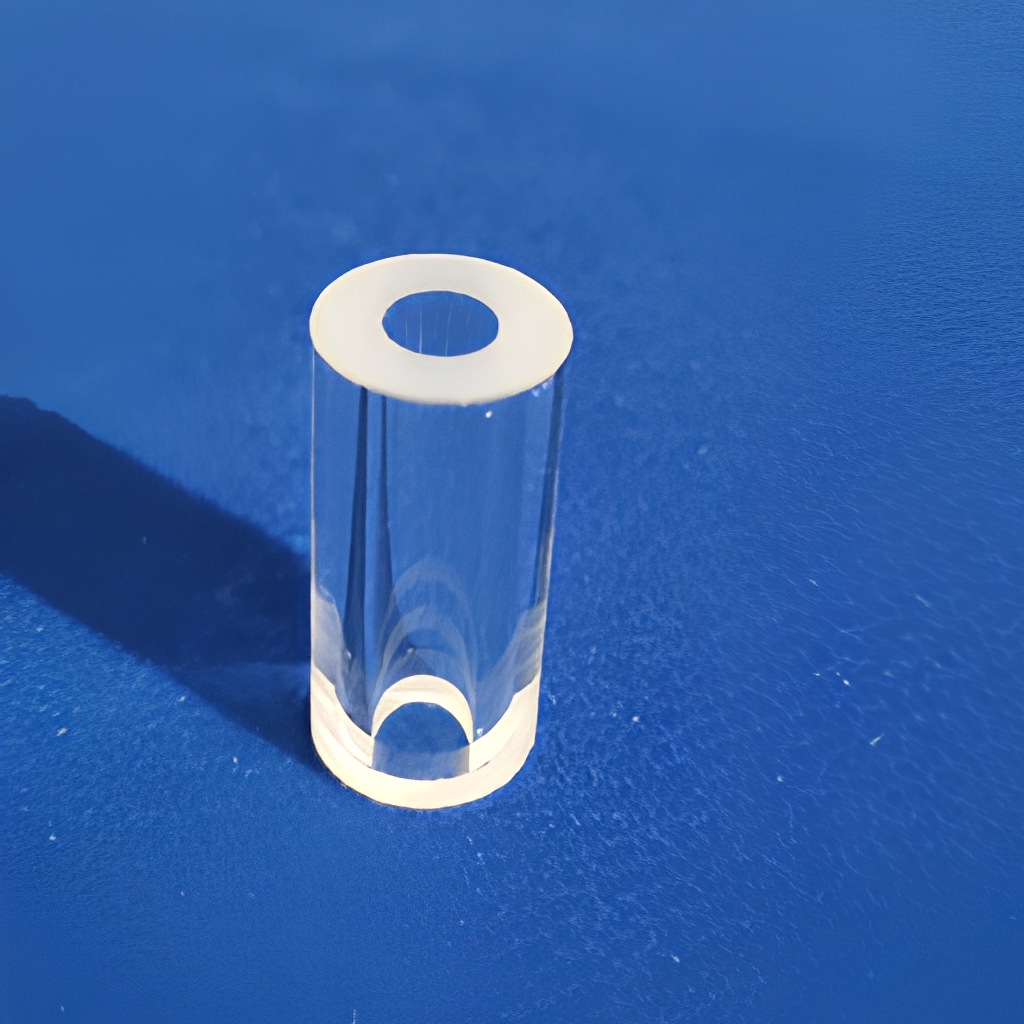
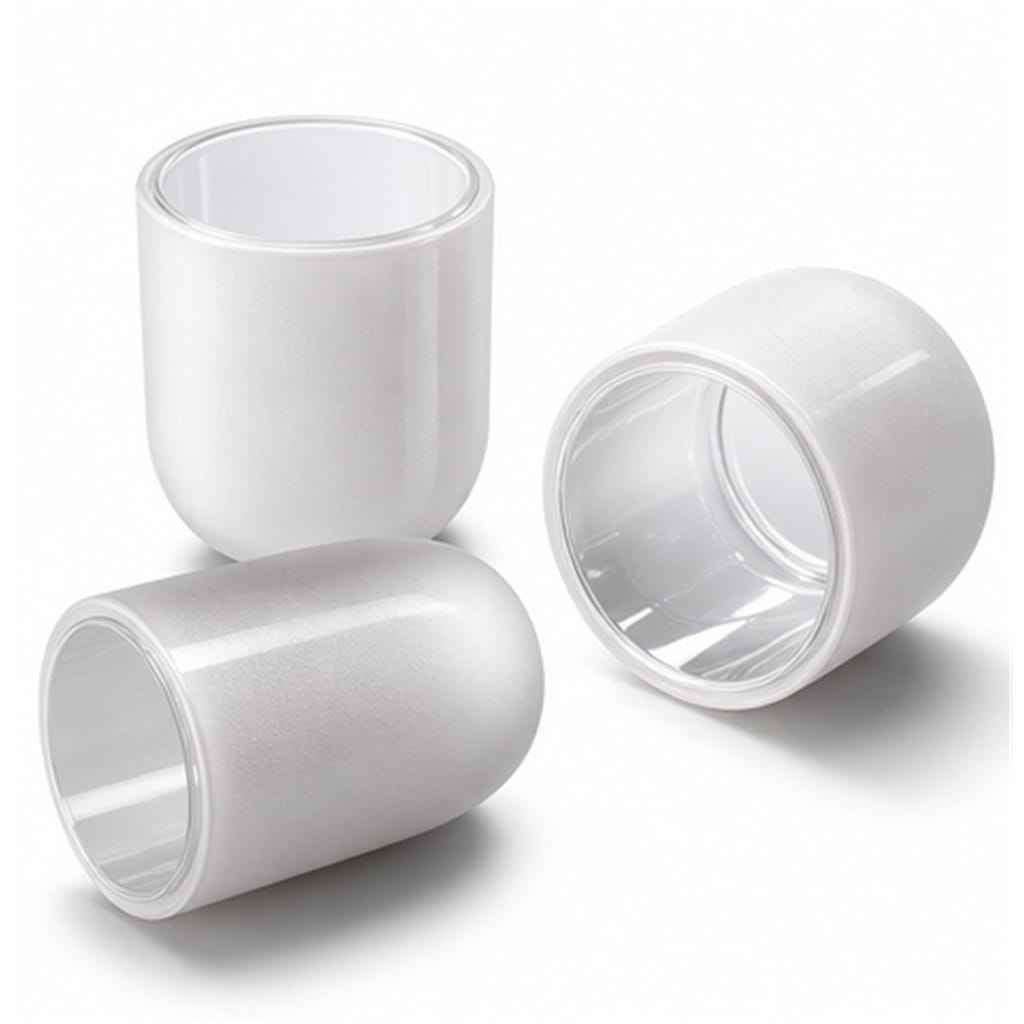
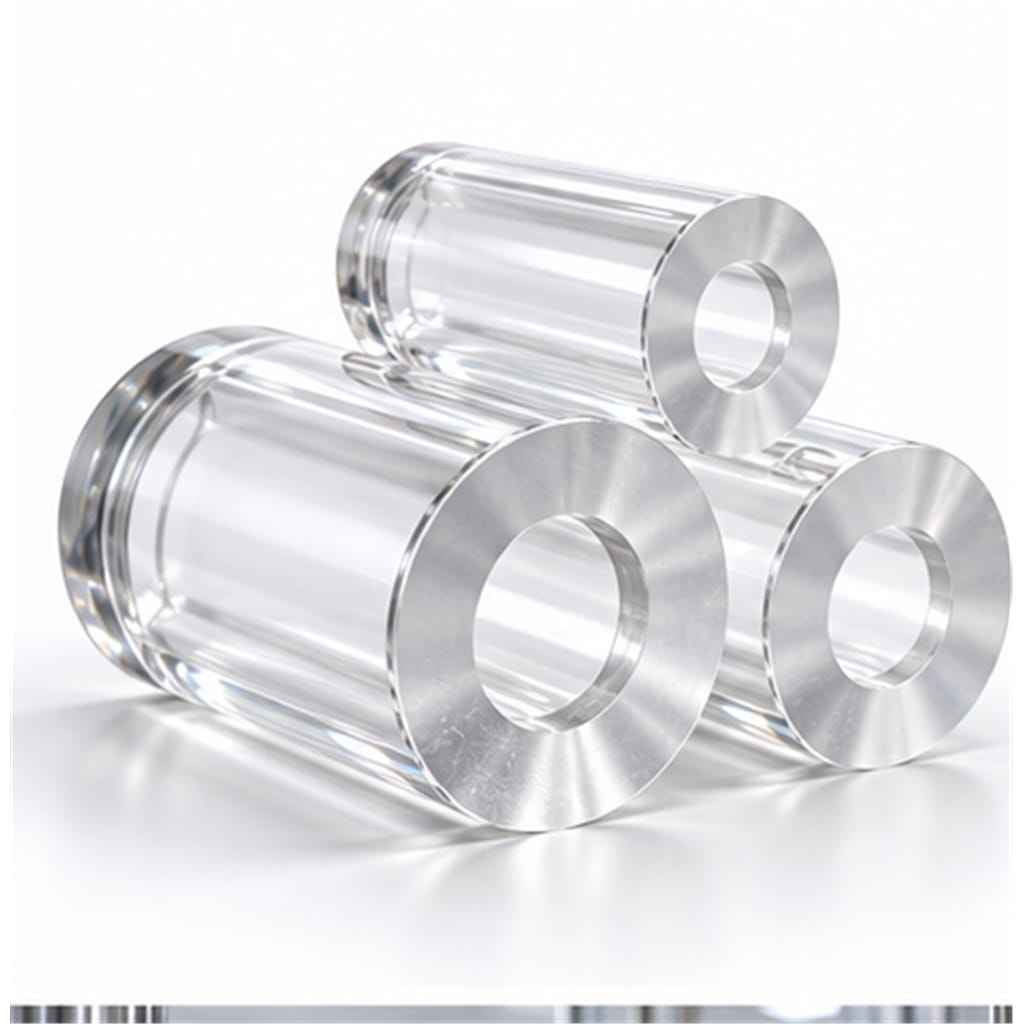
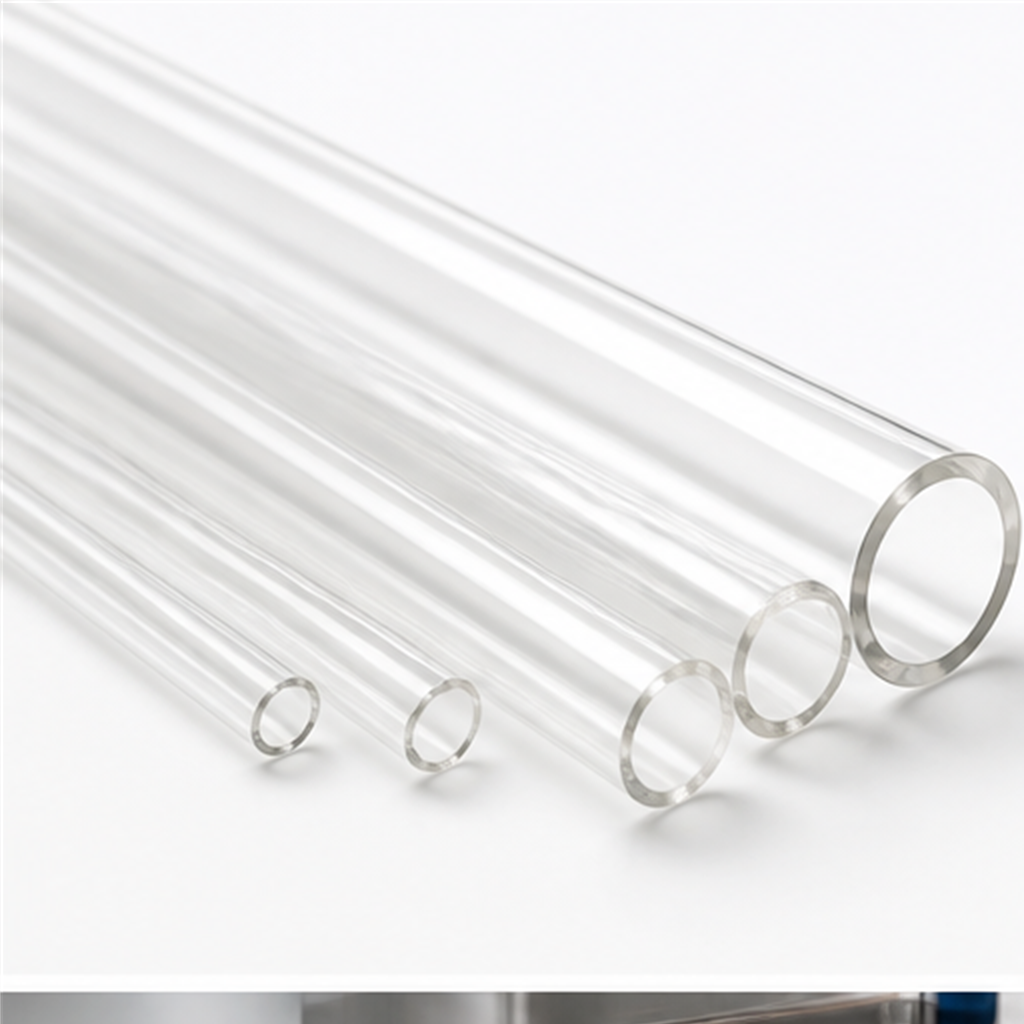
Furthermore, the encapsulation of the high-purity braided carbon filament inside our specialized Donghai fused quartz twin-tubes or single tubes provides comprehensive protection against oxidative degradation. Fused silica glass exhibits an extremely low coefficient of thermal expansion (α = 5.5 × 10⁻⁷ /°C). Consequently, our quartz tubes endure thermal shocks that would fracture commercial borosilicate glass, such as cold water spraying directly onto an operating 900°C heating tube.
| Performance Vector | Carbon Fiber Quartz Lamp | Standard Halogen (Short-Wave) | Ceramic / Metal Sheathed Emitters |
|---|---|---|---|
| Dominant Peak Wavelength | 2.0 – 3.5 μm (Medium-Wave) | 0.8 – 1.4 μm (Short-Wave) | 3.5 – 10.0 μm (Long-Wave) |
| Organic Material Absorption | Optimal (> 85% absorbed at surface & core) | Moderate (High penetration, light back-scatter) | Superficial (Heats surface layer only) |
| Cold-to-Full Power Latency | < 2 – 3 Seconds | < 1 Second | 8 – 20 Minutes (Severe Thermal Lag) |
| Thermal Shock Resistance | Extreme (Fused Quartz Tube, zero shock break) | High (Quartz Tube) | Moderate to Low (Subject to spalling) |
| Energy Savings Potential | 30% – 45% vs. Traditional Ovens | 15% – 25% (High convective loss) | Baseline Reference Consumption |
How specialized carbon fiber quartz emitters and precision fused silica components solve manufacturing bottlenecks across key production zones in Mixco, San Juan Sacatepéquez, and along the Calzada Roosevelt industrial spine.
Mixco is home to packaging converters supplying the food and beverage industry throughout Central America. Carbon fiber medium-wave lamps allow deep, uniform wall penetration during the reheating of PET, PVC, and biopolymer sheets without bubbling or surface blistering, eliminating internal material tension.
Mixco’s extensive maquila and textile operations rely on screen printing with plastisol and water-based inks. The specific 2.6 μm wavelength matches the water vapor dissipation curve, providing flash-gel drying in seconds without scorching synthetic or blended fabrics.
Fabrication shops and repair depots along the Calzada San Juan utilize infrared curing arches. Carbon fiber twin-tubes bake powder coats and urethanes from the inside out, completely eliminating solvent pop, orange peel texture, and pinholing defects common in humid climates.
Exporters processing Guatemala’s highland crops benefit from controlled infrared desiccation. Low-temperature, highly targeted medium-wave quartz emitters accelerate dehydration while preserving aromatic volatile organic compounds (VOCs) and sensitive essential oils.
High-speed carton packaging plants require instantaneous ink and lacquer fixation. Carbon fiber quartz emitters deliver immediate thermal output during printing runs, instantly de-energizing on press stops to prevent catastrophic paper fire hazards.
Artisanal and industrial furniture plants in Sacatepéquez and Mixco utilize quartz radiators for curing water-borne polyurethane primers on dense hardwoods, preventing moisture entrapment, swelling, and grain distortion.
Key economic drivers accelerating the transition from fossil fuel combustion to direct electrical infrared curing in Mixco’s evolving industrial landscape.
Guatemala’s national energy strategy has led to rapid expansion in geothermal, hydroelectric, and solar generation, fundamentally stabilizing industrial electrical tariffs while fossil fuel volatility (LPG and imported diesel) escalates operational risks. For heavy manufacturing hubs in Mixco, shifting from conventional LPG-fired drying ovens to precision medium-wave carbon fiber quartz emitter systems directly addresses the triple imperative of decarbonization, operational safety, and cost reduction.
LPG drying chambers generate extensive combustion byproducts, including moisture and hydrocarbons, which frequently contaminate sensitive water-borne surface coatings or create high ambient heat loads within production facilities. In contrast, electrical infrared radiation generates pure, directional photon emission with zero greenhouse gas exhaust within the cleanroom or factory environment. Because carbon fiber lamps can be modulated instantaneously from 0% to 100% via solid-state relays (SSRs) and closed-loop pyrometers, production plants eliminate the costly 45-minute thermal pre-heating cycles characteristic of gas-fired ovens.
Nearshoring dynamics within Central America also demand tighter ISO compliance and lower process failure rates. Facilities in Mixco exporting to North American retail channels face stringent zero-defect criteria. Upgrading to customized 99.99% SiO&sub2; fused quartz emitters ensures uniform thermal distribution (±1.5°C across wide webs), preventing batch rejections while maximizing line speeds.
Why procurement directors in Guatemala partner directly with Donghai Kemzo Quartz Products Co., Ltd. for turnkey fabrication, custom OEM blueprints, and robust international logistics.
Situated in Donghai County—China’s crystal capital—we harvest and refine our own high-purity natural silica sand, ensuring stable chemistry, zero bubbles, and competitive factory-gate pricing.
Over 10 dedicated manufacturing lines drawing continuous tubes, CNC precision-cutting twin-tube geometries, flame-welding quartz joints, and depositing durable white/gold reflectors.
Recognized as a Jiangsu High Technology Enterprise. Strict five-tier quality protocols cover raw sand spectroscopic analysis, polariscopic stress relief verification, and electrical burn-in testing.
Robust international trade capability covering sea freight to Puerto Quetzal / Santo Tomás de Castilla, air freight to La Aurora (GUA), with customized shockproof wooden crating.
Practical questions and engineering guidance for maintenance engineers, technical buyers, and plant operators importing industrial quartz lamps into Guatemala.
Send us your dimensional drawings, electrical parameters (voltage/wattage), or target material specifications. Our thermal engineering team reviews all technical inquiries with an average response time of less than 60 minutes.
Contact Us