1. The Physics of Fused Quartz Viewport Windows in High-Stress Environments
In modern industrial manufacturing, optical inspection, and ultra-high temperature processing, sight glasses and viewport windows act as critical pressure barriers and optical transparency channels. Standard borosilicate or soda-lime glass fails catastrophically under extreme thermal shock, corrosive chemical atmospheres, or high hydrostatic pressure. Fused quartz (synthesized or melted from high-purity natural silica sand SiO‐2 > 99.99%) represents the definitive engineering solution for demanding applications across Šiauliai’s industrial landscape.
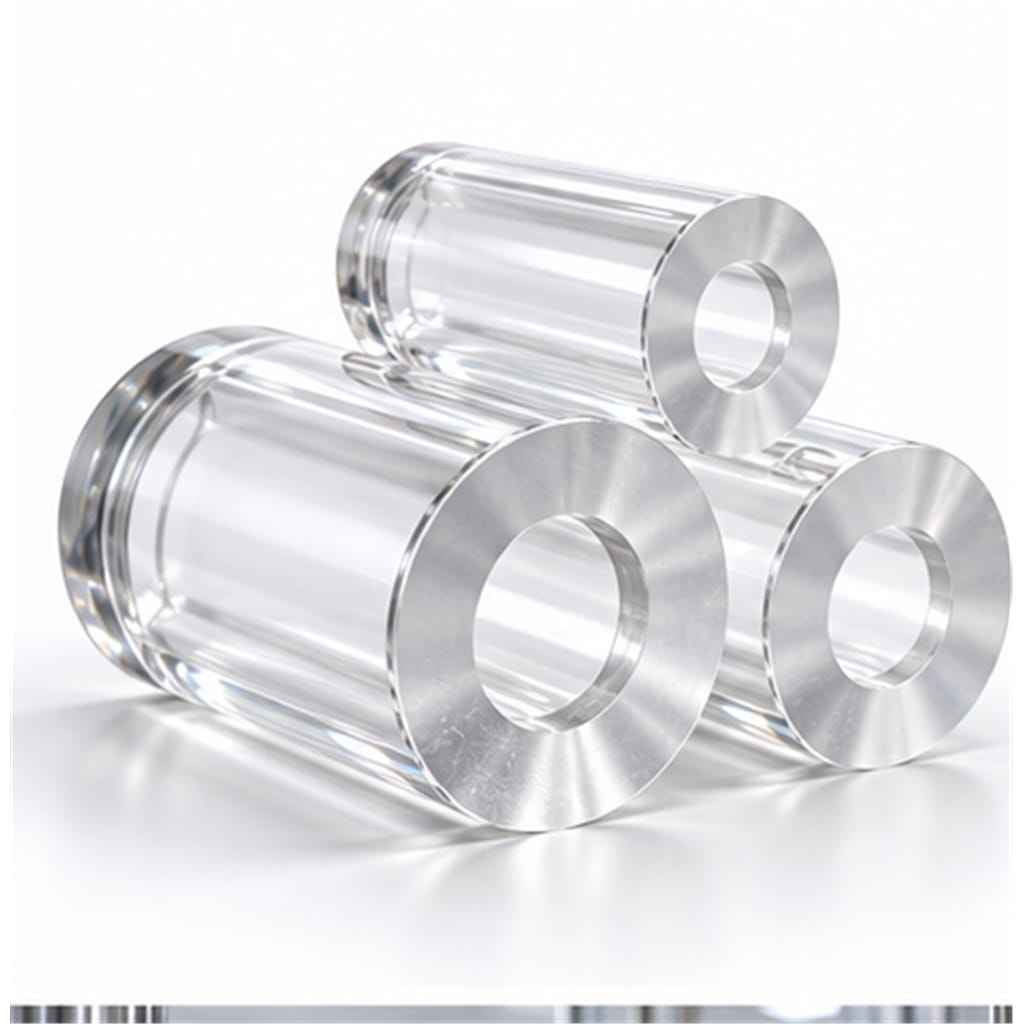
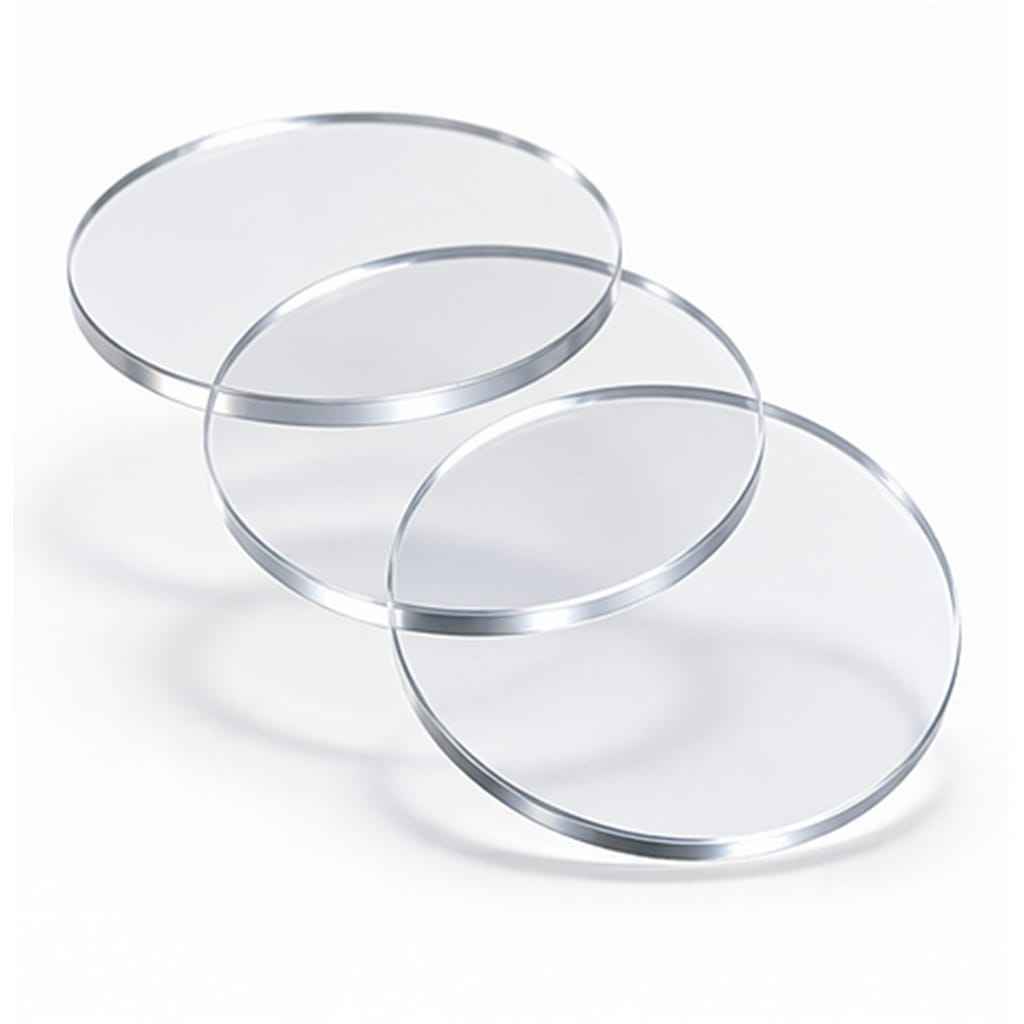
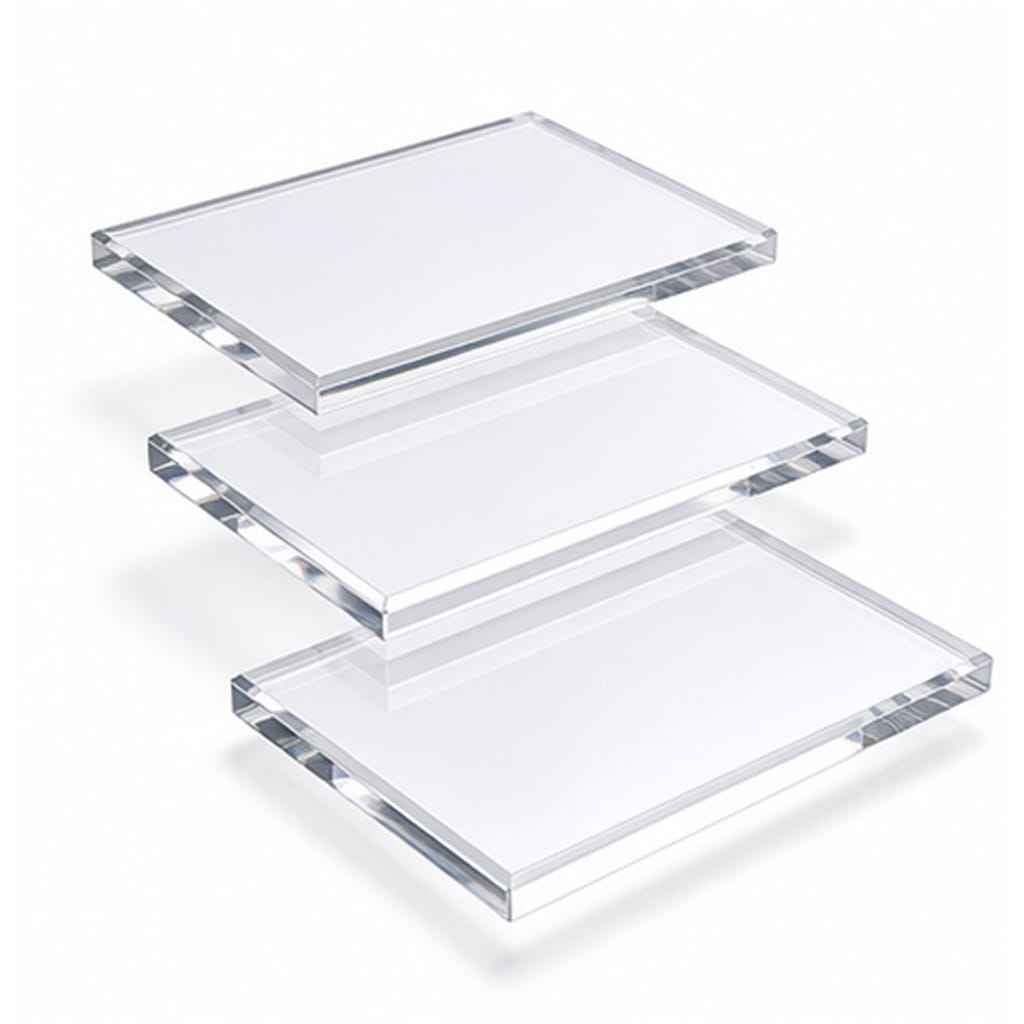
Donghai Kemzo Quartz Products Co., Ltd. custom-engineers clear fused quartz viewports featuring an exceptionally low coefficient of thermal expansion (5.5 × 10⁻⁷ /°C), which is approximately 1/10th that of standard glass. This enables a Kemzo quartz viewport window to withstand immediate immersion into cold water from operating temperatures of 1100°C without micro-fracturing or structural failure.
To determine the minimum required thickness ($t$) for a clamped flat circular quartz viewport window operating under pressure ($P$) in pressure vessels, engineers in Šiauliai can utilize Timoshenko’s plate stress equation:
t = d × √( (3 × P × C) / (16 × σ_a) )
Where d is the unsupported clear diameter, P is design pressure, C is the clamping fixture factor (typically 1.25 for elastomeric sealing), and σ_a is the allowable bending design stress (factoring a safety coefficient of 4:1 to 5:1 over tensile strength of 48 MPa).
2. Optical Transmission Grades: JGS1 vs. JGS2 vs. JGS3
Selecting the correct fused silica material grade is crucial to matching the user's specific wavelength and thermal constraints. Kemzo Quartz categorizes its optical viewport windows into three primary industrial material grades:
- JGS1 (Synthetic Fused Silica): Manufactured from silicon-containing chemical compounds (SiCl4). Offers supreme optical transparency across the Deep Ultraviolet spectrum (185 nm – 2500 nm). Free of bubbles and inclusions (Grade 0). High Hydroxyl content (OH ≈ 1000 ppm), making it ideal for UV laser machining, lithography, and high-precision spectroscopy.
- JGS2 (Fused Quartz from Natural Crystal Sand): Produced from refined natural quartz crystal. Excellent transmission across UV-Vis-NIR bands (220 nm – 2500 nm) with OH content below 30 ppm. It serves as the primary benchmark material for high-pressure sight glasses, industrial heating furnaces, and autoclave inspection windows.
- JGS3 (Infrared Synthetic Optical Silica): Formulated specifically to eliminate OH radicals (hydroxyl content < 5 ppm). Delivers maximum transmittance in the Near-Infrared and Mid-Infrared spectrums up to 3500 nm, making it indispensable for thermal imaging cameras, Pyrometry viewports, and IR spectroscopy.
| Physical / Optical Property | JGS1 (Synthetic UV) | JGS2 (Standard Optical) | JGS3 (Infrared IR) |
|---|---|---|---|
| Primary Spectral Band | 185 nm – 2500 nm (Deep UV) | 220 nm – 2500 nm (UV-Vis) | 260 nm – 3500 nm (NIR / IR) |
| SiO‐2 Purity Grade | > 99.9999% | > 99.99% | > 99.999% |
| Hydroxyl (OH‐) Content | ≈ 1000 - 1200 ppm | < 30 ppm | < 5 ppm |
| Continuous Max Temperature | 1100 °C | 1100 °C | 1100 °C |
| Short-term Peak Temp | 1350 °C | 1450 °C | 1450 °C |
| Refractive Index (nd @ 589nm) | 1.4585 | 1.4585 | 1.4585 |
| Bubble & Inclusion Class | Class 0 (Zero bubble) | Class 1 / Class 2 | Class 0 / Class 1 |