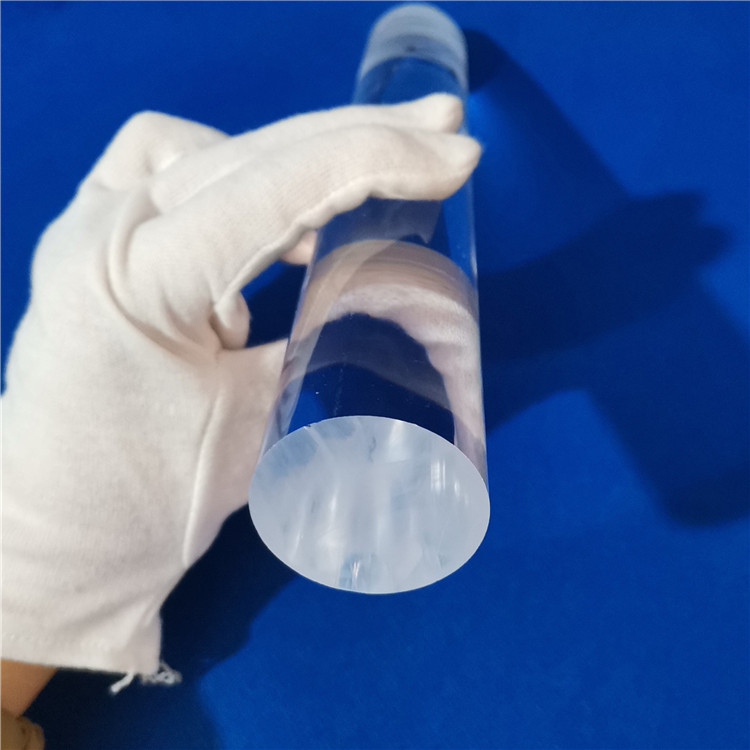
Engineered Product Portfolio
Precision Fused Silica & High-Purity Quartz Solutions
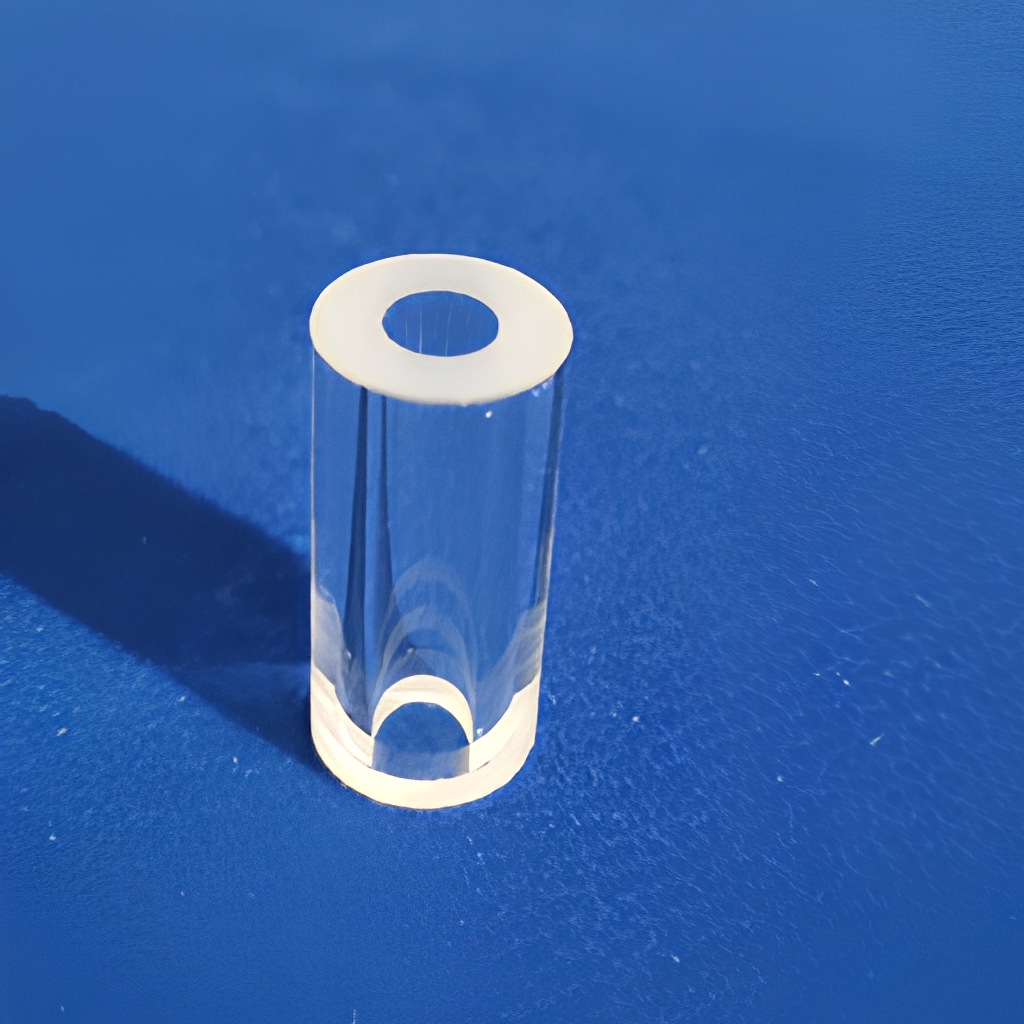
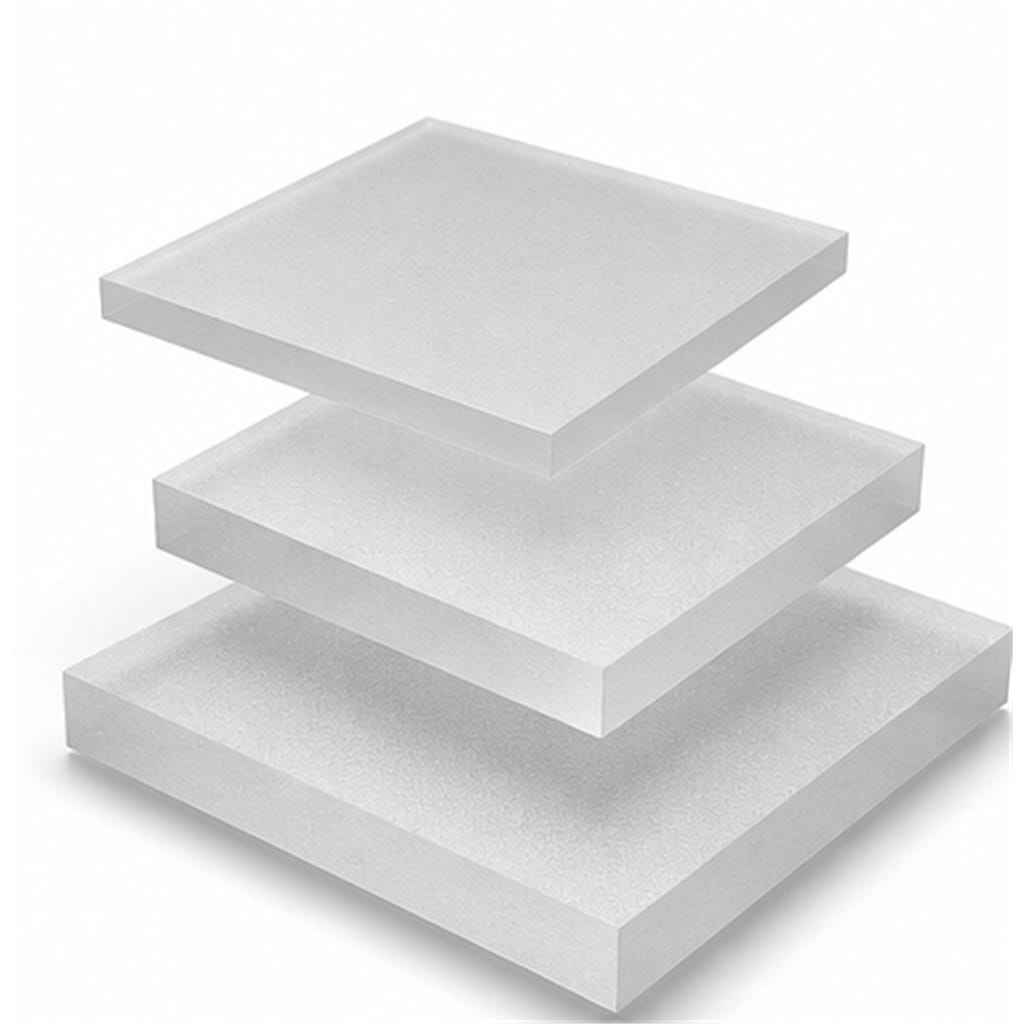
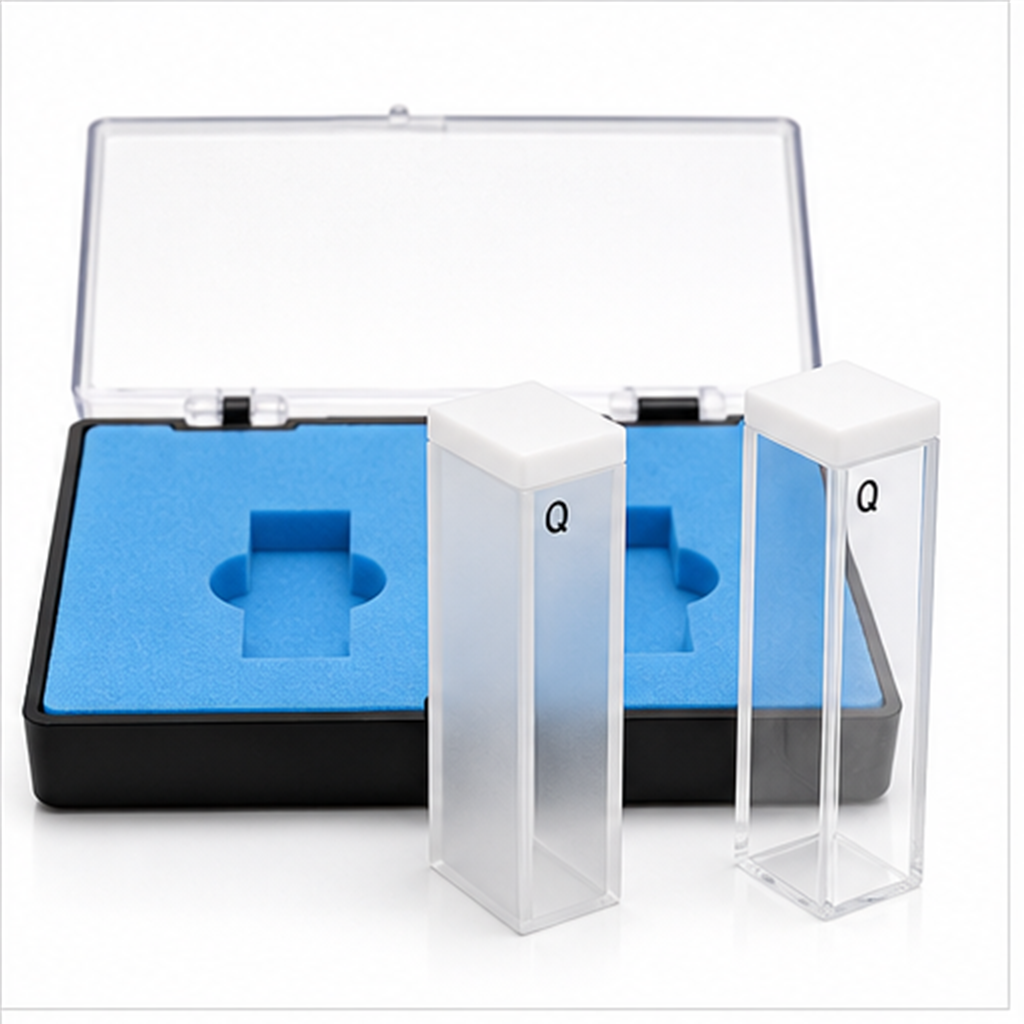
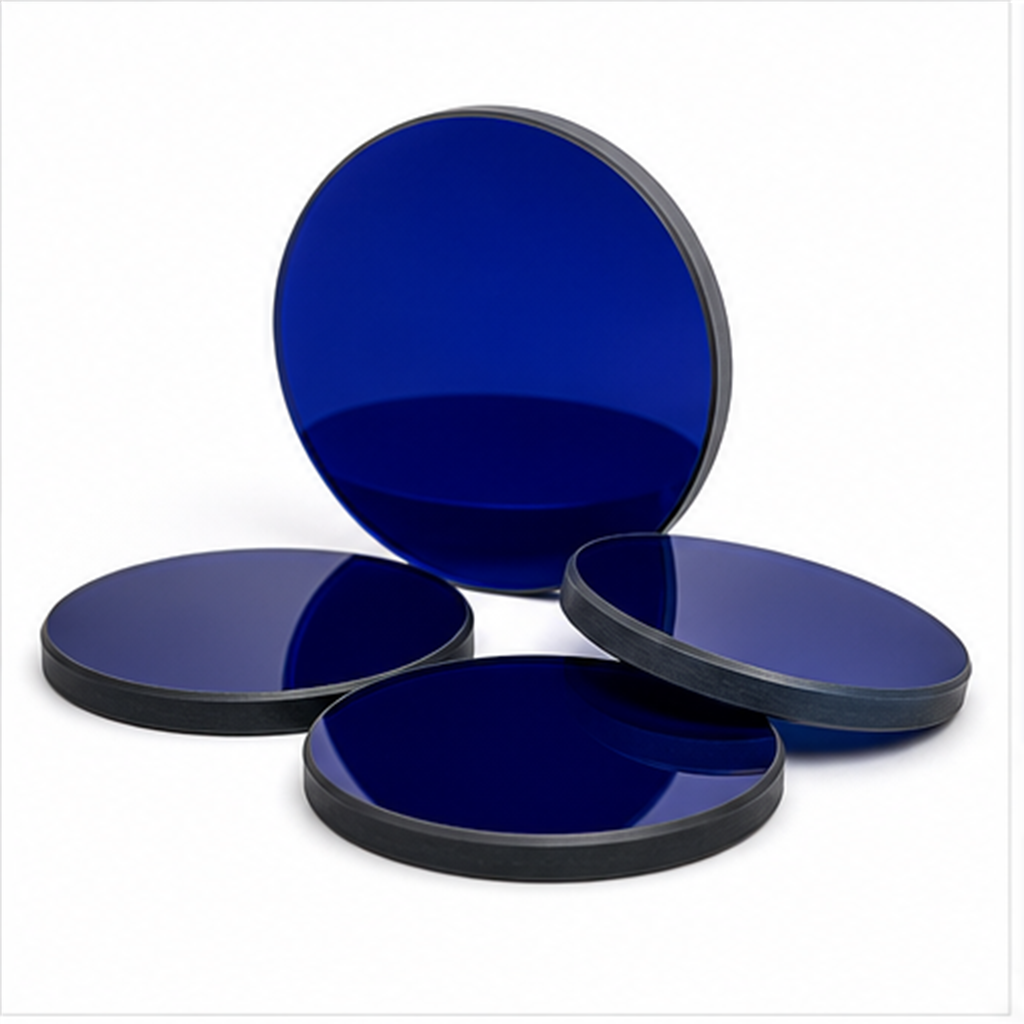
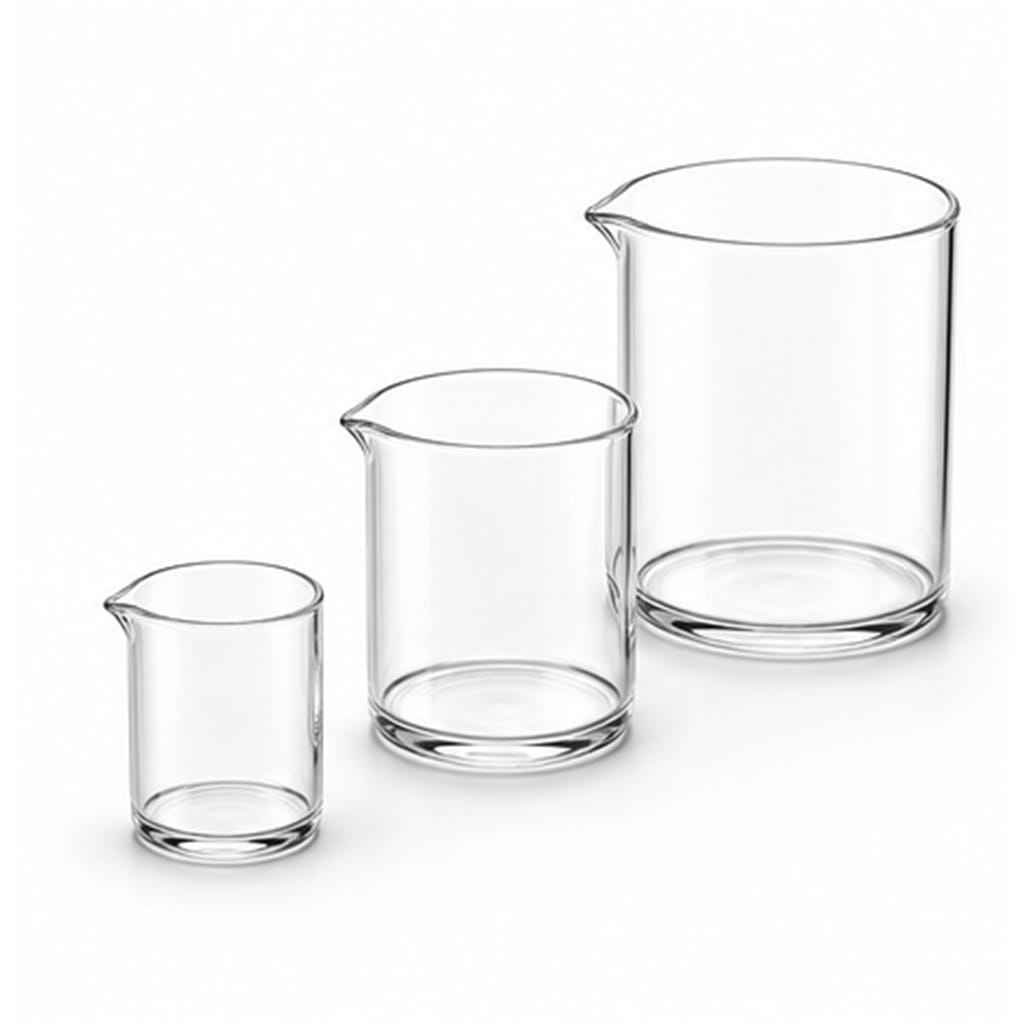
Manufactured under strict ISO 9001 certified conditions, our engineered fused quartz components and micro-spherical beads provide exceptional chemical durability, low dielectric dissipation, and optical clarity across critical wavelengths.
≥99.99%
Pure SiO&sub2; Feedstock
1683°C
Glass Softening Point
10+ Lines
Thermal Processing Lines
≤1 Hour
Technical Response Time
Whitepaper · Industrial Engineering Insights
Engineering Grade Fused Silica Quartz Beads: Material Science and Industrial Utilization
In the transition toward sub-micron precision manufacturing and extreme thermal-cycle chemical kinetics, standard soda-lime and borosilicate beads fail under localized mechanical shear and thermal stress. Fused silica beads (amorphous silicon dioxide) manufactured from high-purity natural crystalline quartz deposits provide the mechanical toughness, low dielectric constant, and chemical unreactivity demanded by high-value Baltic industries.
Technical Distinction: Unlike synthetic fused silica produced via vapor deposition of SiCl&sub4;, our natural high-purity fused quartz micro-beads leverage raw pegmatite quartz sourced from Donghai. This achieves exceptional structural density, near-zero bubble matrix inclusions, and outstanding cost-efficiency for industrial volume processing in Estonia.
Thermophysical & Chemical Superiority
The thermal coefficient of expansion for fused quartz is approximately 5.5 × 10⁻⁷/°C across a 20°C to 320°C gradient—less than 1/6th that of borosilicate glass. When used in ultra-fine wet bead milling, fluidized bed heat exchangers, or high-purity fluid catalytic beds, our fused silica quartz beads endure sudden thermal shocks from 1100°C continuous operating limits down to cold-water quenching without spalling, structural cleavage, or contamination of the batch slurry.
| Physical / Chemical Property | Fused Quartz Value | Standard Borosilicate | Performance Benefit in Application |
|---|---|---|---|
| Chemical Composition (SiO&sub2;) | ≥ 99.99% | ≈ 80 - 81% | Zero heavy metal leaching in acidic baths |
| Thermal Expansion (20-300°C) | 5.5 × 10⁻⁷ / °C | 32.5 × 10⁻⁷ / °C | Extreme resistance to microcrack formation under shock |
| Continuous Working Temp | 1100 °C | 450 °C | Allows ultra-high temp thermal reactions and pyrolysis |
| Softening Point | ≈ 1683 °C | ≈ 820 °C | Structural integrity retention in vacuum chambers |
| Mohs Hardness | 6.5 - 7.0 | 5.5 - 6.0 | Low bead degradation and wear in dispersion milling |
Localized Industrial Applications in the Republic of Estonia
Estonia has steadily built one of Europe’s most technologically advanced industrial ecosystems, driven by deep-tech clean technology, smart specialized electronics in Tallinn and Tartu, oil shale petrochemical valorization, and high-purity pharmaceutical manufacturing. Industrial fused quartz beads serve crucial functions across several Estonian sectors:
Electronics & Photonics Packaging
Harju County’s electronics cluster requires inert, low-dielectric filler beads and spacer media for micro-optoelectronic devices, LIDAR sensor optics, and ultra-high-frequency PCB subcomponents needing absolute thermal stability.
Advanced Chemical & Petrochemical
Used as inert catalyst beds and packed column distillation packing in oil shale chemical processing and synthetic organic chemistry labs in Ida-Virumaa and Tartu, remaining unaffected by acidic solvents.
Pharmaceutical & Nano-Grinding
Biotech research facilities utilize spherical fused silica beads as contamination-free grinding media for sub-micron cell disruption, active pharmaceutical ingredient (API) homogenizing, and clean chromatography support.
Strategic Outlook
Market Trends in the Baltic Region: Fused Silica & High-Purity Quartz
Estonia’s push toward European Union net-zero goals, combined with the continuous digitization of precision industrial lines, has accelerated the demand for high-durability inorganic materials. Three macro trends are directly influencing procurement behaviors across Estonian procurement managers:
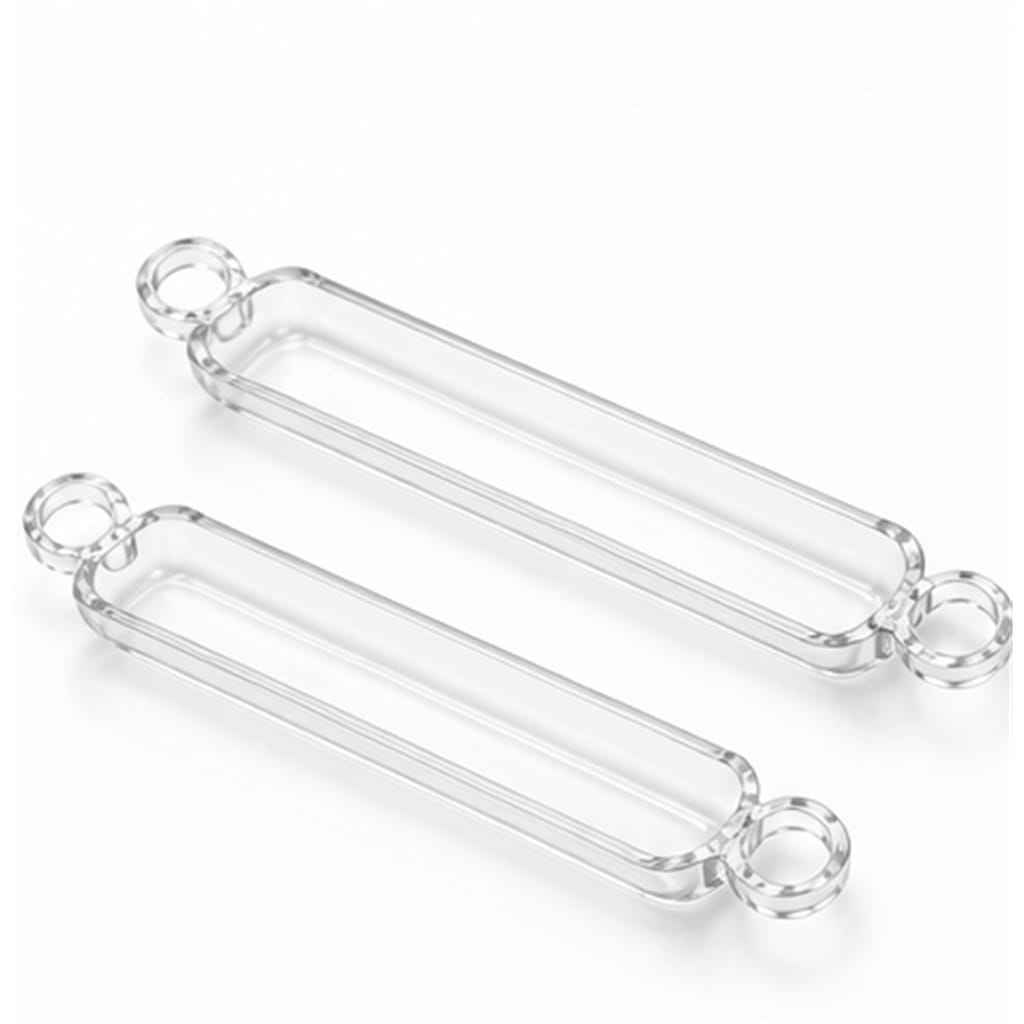
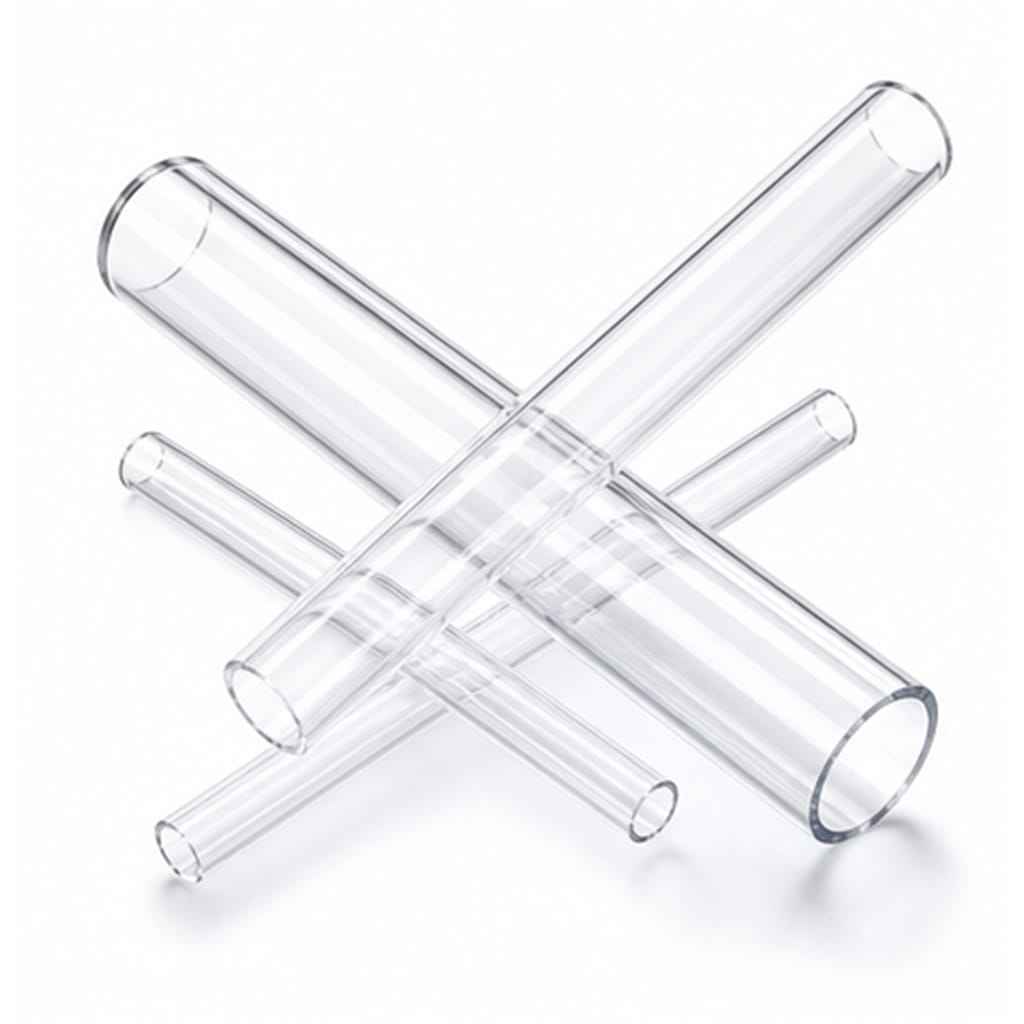
1. Decarbonization and Transition to High-Efficiency Electric Heating: As Nordic and Baltic industrial enterprises replace fossil-fueled burners with high-efficiency infrared emitters and thermal storage units, high-purity fused quartz tubes, twin-tube elements, and bead heat-transfer matrices are replacing conventional metals. These components eliminate scale shedding, prevent thermal runaway, and ensure high infrared transmission efficiency.
2. Tightening of Heavy Metal Contamination Thresholds: Under European REACH and RoHS mandates, chemical synthesizers and surface coating facilities in Tallinn are phasing out low-grade ceramic and soda-lime grinding media. Trace leachable elements such as iron, lead, and sodium cannot be tolerated in contemporary high-grade coatings or battery electrolyte preparations. Fused silica beads, containing total trace metals below 30 ppm, have become the baseline standard for performance assurance.
3. Resilience in Supply Chains and Direct Factory Verification: Baltic enterprises are shifting away from intermediate regional redistributors toward direct relationships with certified manufacturing sources capable of custom batch sizing, customized laser-cutting, and rapid technical communication.
Factory Advantage
Why Estonian Engineers & Buyers Choose Kemzo Quartz
Headquartered in Donghai—the world's recognized hub for high-purity quartz reserves—Kemzo Quartz combines raw resource control with deep precision machining.
Raw Purity
Source-Region Quality Control
Direct access to Donghai pegmatite quartz deposits guarantees reliable chemical consistency, high optical clarity, and low bubble densities across all production runs.
Thermal Resilience
Tested Thermal Performance
Parts undergo rigorous stress-relieving annealing at 1215°C to prevent cracking during thermal cycling in challenging industrial environments up to 1450°C.
OEM Customization
11+ Years Fabrication Experience
Equipped for CNC ultrasonic drilling, fire polishing, surface lapping, precision tube bending, and customized ground-joint glassblowing precisely to your engineering prints.
Global Logistics
Export-Ready Packaging & Fast Response
Full support for EU delivery terms (CIF, DDU, DAP Tallinn). Individual foam-nested cradles and plywood export crates eliminate transit damage risk.
Technical & Logistical Clarity
Frequently Asked Questions for Estonian Procurement Teams
Direct answers addressing technical parameters, customs documentation, packaging safety, and ordering workflows for Baltic buyers.
What specific advantages do fused silica beads have over standard borosilicate or glass beads in milling?
Fused silica beads possess a crystalline-pure SiO&sub2; chemistry (≥99.99%) without alkali modifiers like Na&sub2;O, CaO, or B&sub2;O&sub3;. In milling operations, they exhibit high Mohs hardness (6.5–7.0) combined with lower brittleness than sintered ceramics, minimizing media degradation and preventing trace ion contamination in high-purity battery slurries, pharmaceutical preparations, or optical coatings.
Can Kemzo Quartz deliver custom diameter tolerances for specialized optics or fluidized beds?
Yes. In addition to standard metric gradations (ranging from 0.5 mm up to 40 mm), we provide precision classification using calibrated ultrasonic sieving and laser-diffraction particle size analyzers. Custom sphericity tolerances and tight diameter spreads (±0.02 mm for precision spheres) can be produced according to your engineering drawings.
What Incoterms and shipping methods are standard for shipments to Tallinn, Tartu, or Narva?
We regularly ship via FOB, CFR, CIF (Muuga Harbour / Port of Tallinn), or direct door-to-door delivery (DDU/DAP) via air express (DHL, FedEx, UPS) for time-critical R&D batches. Full customs documentation, commercial invoices, EUR-compliant packing declarations, and Certificates of Analysis (COA) are provided with each consignment.
How do you guarantee that fragile quartz products arrive without transit fractures?
Over 11 years of worldwide export experience have informed our multi-layer packing protocol. Products are cushioned within shock-absorbent closed-cell foam inserts, isolated to prevent glass-on-glass contact, and secured in reinforced export-grade plywood crates equipped with shock indicators for air or ocean freight.
Can our engineering team receive material certification and spectrometer test reports?
Yes. Every production run is traceable back to its raw sand batch. We provide comprehensive technical documentation upon request, including ICP-OES trace metal impurity reports, UV-Vis-NIR optical transmittance curves, and ISO 9001 quality compliance certificates.
Accelerate Your Project with Certified Fused Quartz Solutions
Send your dimensional drawings, required bead mesh sizes, or operating parameters directly to our senior engineering team. Receive feasibility analysis, grade optimization, and a verified quotation within one hour.
Inquire Now