Engineered Fused Quartz Solutions & Thermal Components
Explore our certified high-temperature fused silica tubes, twin-pipe heating substrates, and precision optical labware fabricated to microscopic tolerances for severe industrial duty.
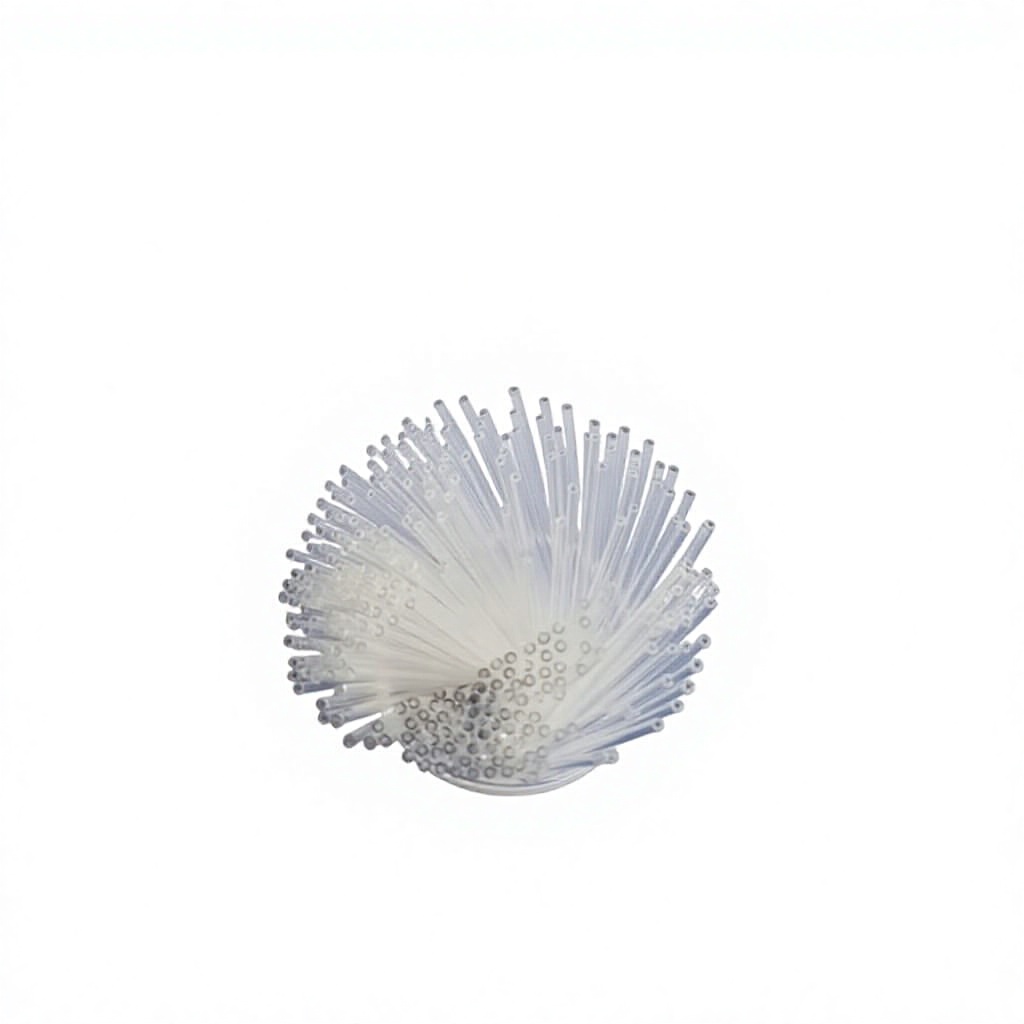
Custom Size Translucent Capillary Quartz Tube Polished Twin Pipe Ozone Free
- Profile: Dual-bore twin tube design
- Purity: SiO2 ≥ 99.99% high-purity glass
- Function: Ozone-free infrared emitter core
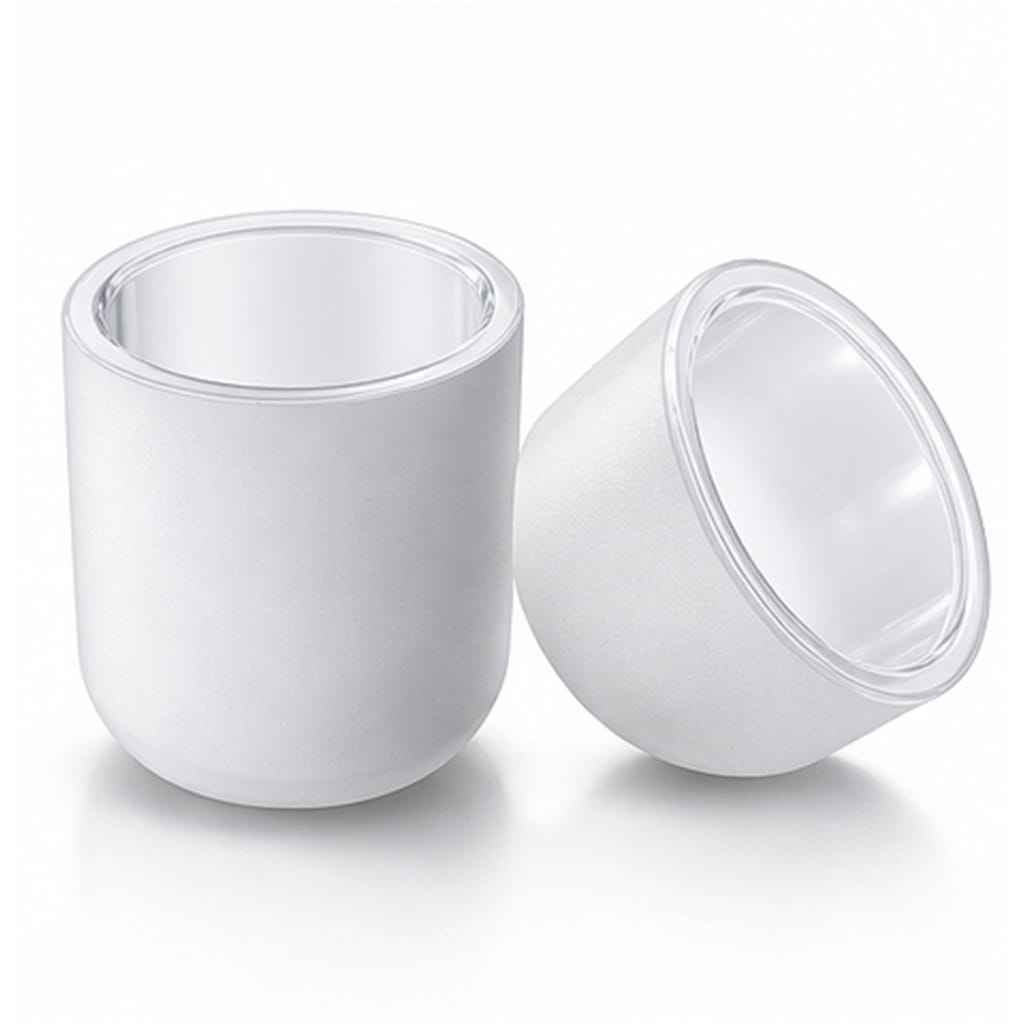
4-Inch US Sand Fused-Quartz Crucibles with Bubble-Free Inner Layer
- Raw Material: High-grade refined quartz sand
- Feature: Bubble-free inner fused barrier
- Thermal Rating: Continuous use up to 1150°C
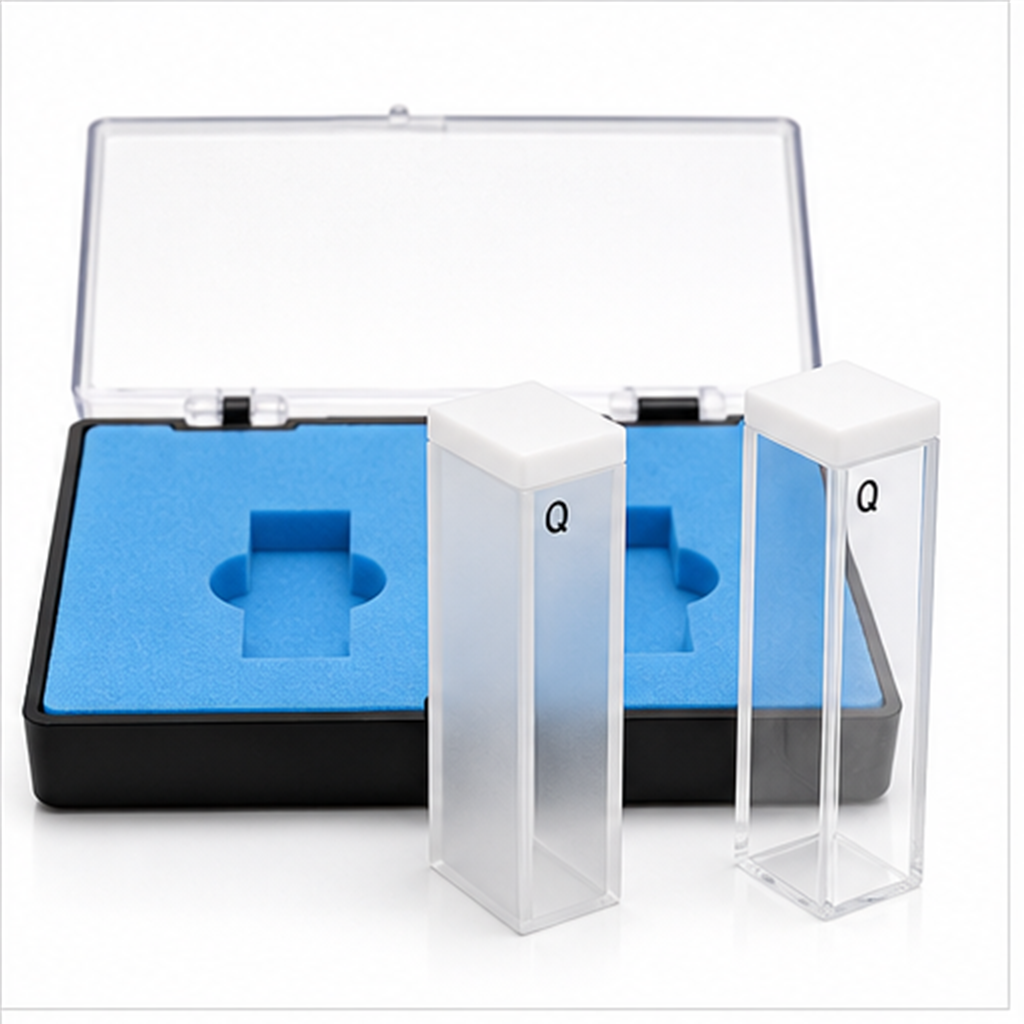
Standard 2-Window and 4-Window UV Quartz Cuvettes with Black Q Mark
- Transmission: Deep UV 190nm - 2500nm
- Assembly: Fully flame-fused, acid-resistant
- Packaging: Shockproof protective casing
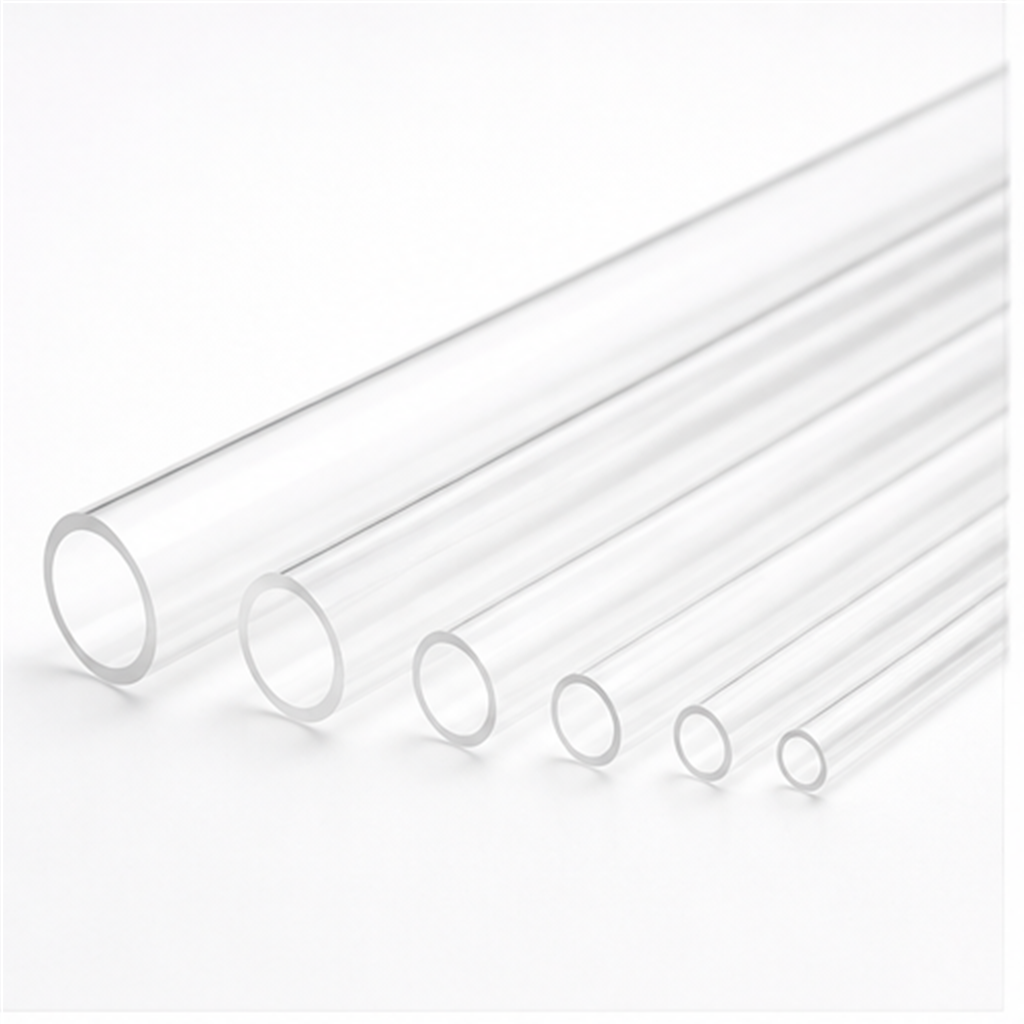
High Purity Clear Fused Quartz Glass Tube Flat Cut Unpolished Ends
- Diameter: Precision outer/inner diameter tolerances
- Thermal Expansion: 5.5 × 10⁻⁷ / °C
- Application: Heating sheath & chemical transfer
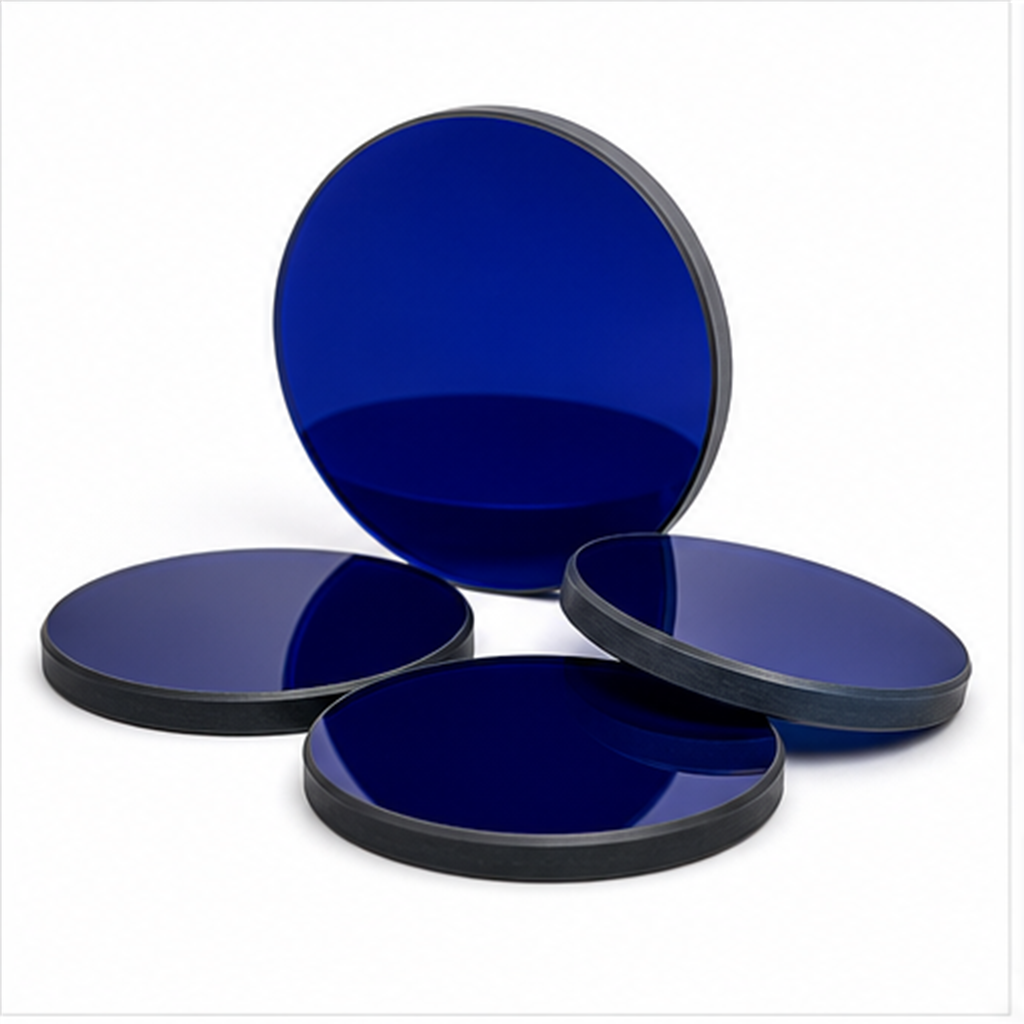
Optical Cobalt Blue Glass Disc Circular Filter Furnace Sight Window
- Spectral Filtering: Blocks intense glare/sodium flame
- Thermal Limit: High heat resistant glass matrix
- Usage: Kiln inspection, boiler viewports
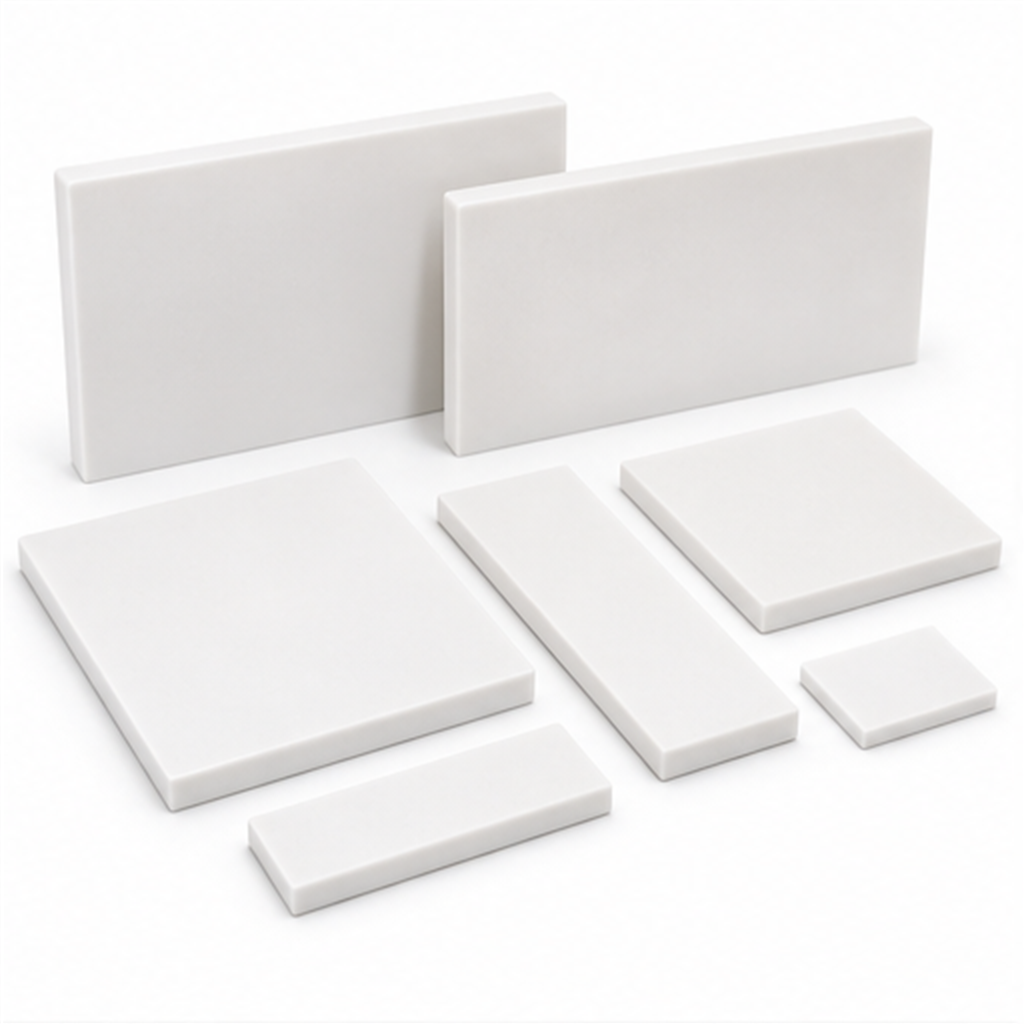
High Purity Opaque Milky White Fused Quartz Rectangular Plate Slab
- Optical Property: Diffuse infrared radiation shield
- Density: Micro-bubble structure for insulation
- Resistance: Unaffected by corrosive vapors
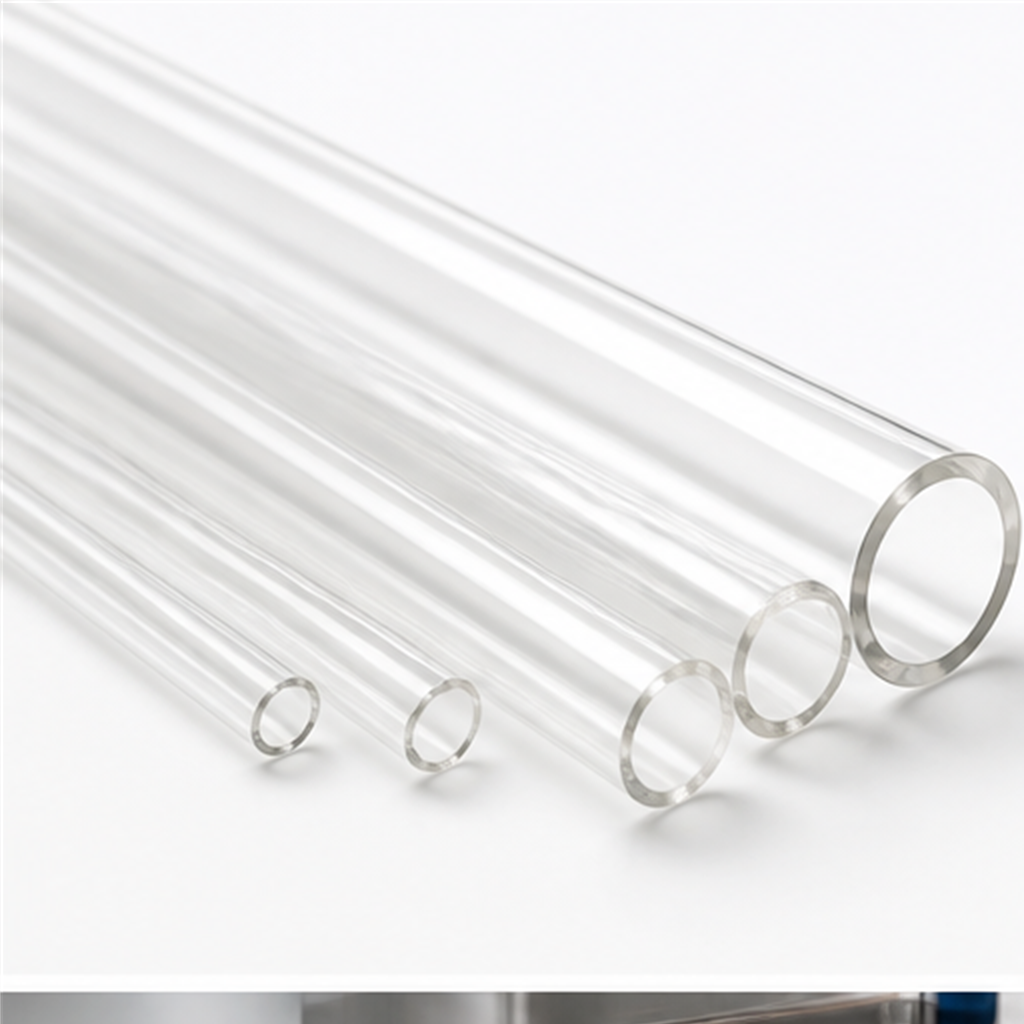
High Purity Clear Fused Quartz Glass Tube High Temp Furnace Tubing
- Operating Peak: 1450°C short-term threshold
- Deformation Point: Softening point at 1683°C
- Straightness: High runout concentricity
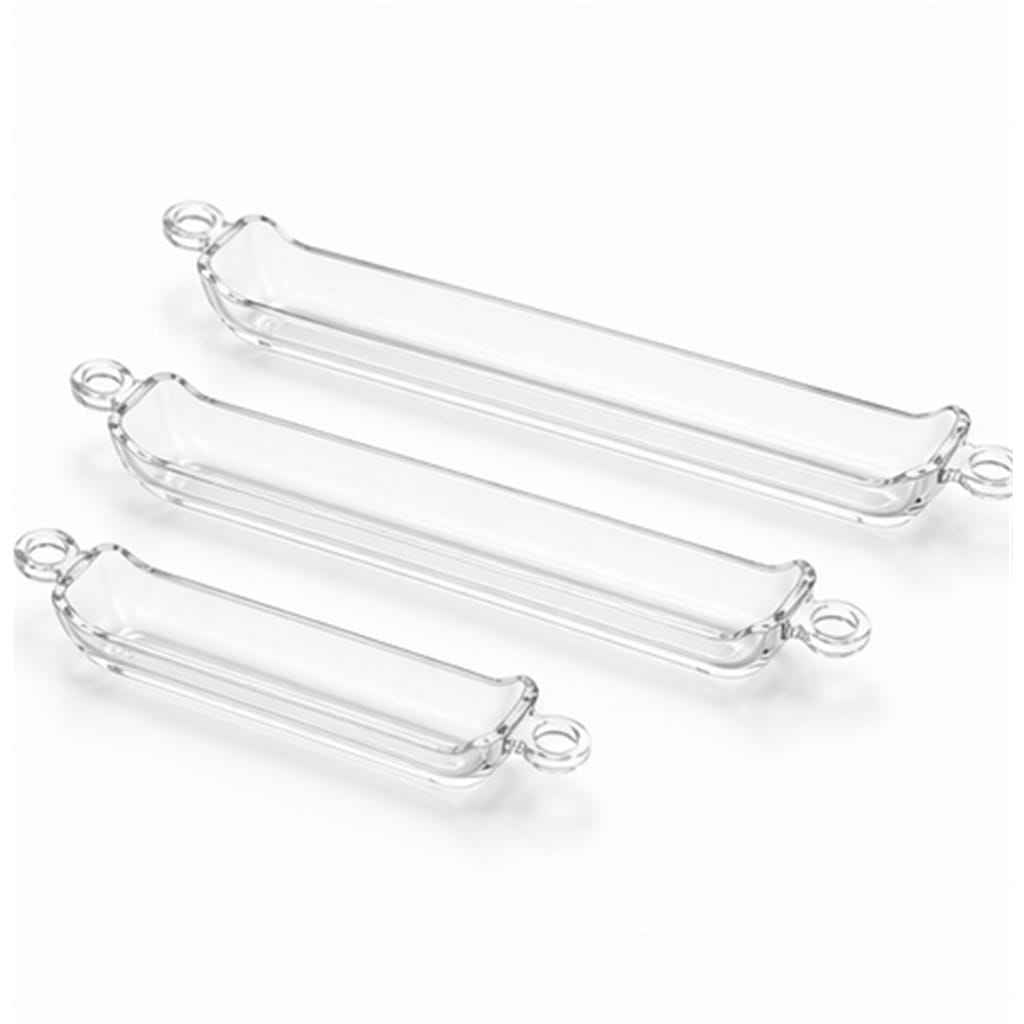
Clear Fused-Quartz Combustion Vessels with Fused Pull Rings
- Mechanical Design: Integrated reinforced pull rings
- Chemical Purity: Ashing, combustion trace-analysis
- Thermal Shock: Immediate air quench survivability
Technical Whitepaper: Infrared Quartz Radiant Dynamics in Coastal Tropical Climates
Selecting industrial heating equipment for the Nha Trang and greater Khanh Hoa market presents thermodynamic, chemical, and atmospheric challenges unlike inland temperate manufacturing zones. Located along the South Central Coast of Vietnam, Nha Trang experiences sustained ambient relative humidity frequently exceeding 80% to 88%, coupled with atmospheric marine saline aerosols (NaCl micro-droplets) blown inland from Nha Trang Bay and the East Sea.
Conventional metal-sheathed tubular heaters (calrod elements) and standard borosilicate glass infrared lamps suffer rapid degradation under these rigorous marine environmental parameters. Borosilicate glass, while economically accessible, exhibits an elevated thermal expansion coefficient (~33 × 10⁻⁷ / °C) and lower softening temperature thresholds. In industrial drying tunnels or open-air applications where sea-mist condensation interacts with hot lamp envelopes, borosilicate undergoes severe local micro-thermal stress fractures. In contrast, high-purity fused quartz (fused silica) operates with an exceptionally low thermal expansion coefficient of just 5.5 × 10⁻⁷ / °C. This physical property enables a quartz heating tube operating at 1000°C to be doused with ice water without catastrophic structural failure or envelope shattering.
As industrialization accelerates across Khanh Hoa Province—including the expansion of the Suoi Dau Industrial Zone, the Ninh Thuy Industrial Park, and the maritime clusters near the Van Phong Economic Zone—processing engineers are systematically replacing obsolete convective combustion and metal-resistance ovens with targeted short-wave, fast medium-wave, and carbon medium-wave quartz infrared radiation systems. Fused quartz heating lamps emit electromagnetic energy directly into the absorption bands of water and organic matrices, eliminating redundant air heating and driving thermal transfer efficiencies above 90%.
Localized Applications in Nha Trang & Khanh Hoa Industrial Corridor
How precision quartz infrared technology powers the core economic sectors across South-Central Vietnam.
Seafood & Marine Product Dehydration
Nha Trang is a world-renowned exporter of dried squid, fish maw, shrimp, and premium sea cucumber. Traditional convective solar drying is vulnerable to monsoonal rains and airborne contaminants. Utilizing medium-wave quartz heating tubes (wavelength: 2.0 – 3.0 μm) targets the fundamental OH-bond absorption resonance of cellular moisture, vaporizing deep-tissue water within hours without charring outer proteins or depleting natural color pigments.
Edible Bird's Nest (Yen Sao) Moisture Control
Khanh Hoa Province is celebrated as Vietnam's epicenter for swiftlet nest harvesting. Secondary processing demands meticulous moisture reduction to under 10% without altering the delicate amino acid chains and glycopeptide structures. Low-thermal-inertia twin-tube quartz emitters with ceramic back-reflectors provide controlled, contact-free radiant dosing, ensuring hygiene standards conform to international export and ISO 22000 mandates.
Luxury Hospitality & Coastal Architectural Comfort
With hundreds of world-class 5-star beachfront resorts across Tran Phu, Bai Dai, and Hon Tre Island, open-air seafront dining zones require wind-immune spot heating during breezy coastal evenings and tropical downpours. High-output ruby and gold-coated short-wave quartz lamps emit instant direct radiant warmth unaffected by coastal air cross-drafts, while sealing interior tungsten elements against salt air oxidation.
Marine Composites & Shipyard Coating Curing
Operating near the Cam Ranh maritime shipyards and local high-speed boat builders, fiberglass (FRP) hull fabrication and polyurethane anti-corrosion barrier coatings require exact curing temperatures. Portable infrared quartz heating arrays cross-link epoxy and vinylester resins uniformly without blistering solvent entrapment, speeding up marine drydock turnarounds from days to hours.
Oceanographic Research & Analytical Testing Ware
The prestigious Institute of Oceanography in Nha Trang conducts deep-sea biogeochemical analysis and trace heavy-metal monitoring. Our synthetic quartz cuvettes, combustion vessels, and high-purity furnace tubes provide non-reactive sample matrices with near-zero metallic impurities (Fe < 0.2 ppm, Al < 14 ppm), preserving baseline fidelity in environmental trace-level spectrometry.
Fused Quartz Heating Emitters vs. Conventional Alternatives
Objective technical evaluation for equipment engineers specifying thermal components in marine coastal industrial environments.
| Evaluation Parameter | High-Purity Fused Quartz | Borosilicate Glass Lamps | Ceramic Radiant Panels | Metal Sheathed Elements |
|---|---|---|---|---|
| Thermal Expansion Coeff. | 5.5 × 10⁻⁷ / °C | 33 × 10⁻⁷ / °C | ~60 × 10⁻⁷ / °C | ~160 × 10⁻⁷ / °C |
| Thermal Shock Resistance | Extreme (ΔT ≥ 1000°C) | Moderate (ΔT ~ 150°C) | Fair (ΔT ~ 250°C) | High, but outer sheath rusts |
| Coastal Saline Corrosion | Chemically Inert | Leaches boron/alkali ions | Porous glaze micro-cracking | Pitting & scale formation |
| Thermal Ramp-Up Response | Instantaneous (1 – 3 sec) | Rapid (5 – 10 sec) | Very Slow (10 – 20 min) | Slow (5 – 15 min) |
| Radiation Efficiency | > 92% direct infrared | ~75% (envelope losses) | ~65% (mixed convective) | ~50% (predominantly convective) |
| Food Grade Cleanliness (HACCP) | Non-shedding, Zero Outgas | Moderate break hazard | Risk of ceramic dusting | Oxide flake shedding risks |
Emerging Trends in Khanh Hoa's Thermal & High-Tech Manufacturing Landscape
Khanh Hoa's provincial industrial strategy up to 2030 prioritizes clean, energy-efficient manufacturing alongside the rapid modernization of the Van Phong deep-water maritime logistics hub. This transition is forcing local production facilities to systematically decommission low-efficiency LPG gas heaters and dirty coal-fired boilers. Three distinct technology trends have emerged directly impacting component procurement:
1. Adoption of Fast-Response Carbon Twin-Tube Emitters: Seafood processing lines in Dien Khanh and Cam Ranh are transitioning from metal-rod warmers to medium-wave carbon fiber quartz heating lamps. Carbon elements generate a high proportion of medium-wave radiation (2.5 – 3.5 μm), matching the absorption resonance of organic seafood flesh precisely while reducing energy consumption by up to 38% compared to traditional steam pipes.
2. Hermetic Terminal Sealing for High Humidity: In Nha Trang’s sea-facing microclimates, traditional ceramic capped ends with exposed copper lead wires suffer rapid galvanic oxidation, leading to arcing and emitter failure. Modern specifications require specialized molybdenum-foil gas-tight pinch seals housed in silicone or high-temperature PEEK insulators with Teflon-sheathed pure nickel conductors.
3. Direct-Bonded Gold Reflector Geometry: Industrial drying ovens operate within tight physical footprints. By applying a solid 24K gold coating directly to the reverse side of the fused quartz tube (reflecting up to 98% of rearward infrared radiation), heating tunnels eliminate heavy external metal reflectors that tarnish, oxidize, and require frequent abrasive cleaning in salty coastal air.
Donghai Kemzo Quartz Products Co., Ltd.
Operating since 2011 from Donghai County—globally celebrated as China's crystal capital—we combine direct regional access to pristine natural quartz reserves with cutting-edge optical and thermal processing lines. With over 10 automated drawing and finishing tracks, our ISO 9001 certified facility supplies international buyers across North America, Europe, East Asia, and Southeast Asia. We engineer customized twin tubes, optical viewports, crucibles, and specialized infrared emitters with sub-millimeter precision.
Frequently Asked Questions for Nha Trang & Vietnam Buyers
Clear, transparent technical and logistics answers addressing international trade, custom manufacturing, and field durability.
Why is fused quartz preferred over metal tubular heaters in Nha Trang seafood drying plants?
How do your quartz lamps withstand the extreme humidity and salt air of Khanh Hoa Province?
Can you manufacture replacement quartz heating lamps from custom blueprints or broken OEM samples?
What logistics channels and ports are used for shipments to Nha Trang?
How do you guarantee that fragile quartz tubes and cuvettes will arrive without breakage?
What international import taxes and HS codes apply when importing quartz products into Vietnam?
What is the difference between Clear, Milky Opaque, and Ruby/Gold-coated quartz heating tubes?
Accelerate Your Thermal Efficiency with Donghai Kemzo Quartz
Whether you are modernizing a seafood dehydration facility in Suoi Dau Industrial Zone, outfitting a luxury beach resort on Nha Trang Bay, or running precision tests at an oceanographic laboratory, our technical engineers provide instant quotation, custom blueprint validation, and direct-factory pricing.
Typical technical response time: Under 60 minutes · ISO 9001 Factory Direct · Full Technical Data Sheets Available