1. Industrial Executive Summary & Technical Foundation for the Portland Market
The greater Portland metropolitan area—anchored by the Pacific Northwest’s vibrant "Silicon Forest" corridor spanning Hillsboro, Beaverton, Gresham, and extending into Vancouver, Washington—represents one of North America's most dynamic hubs for high-technology manufacturing. Ranging from leading-edge semiconductor wafer fabrication (foundries, logic, and memory processing), crystalline silicon photovoltaic cell production, advanced metallurgy, and specialty glass manufacturing to clean-energy thermal research, precision non-contact temperature measurement is a non-negotiable prerequisite for yield optimization and thermal process control.
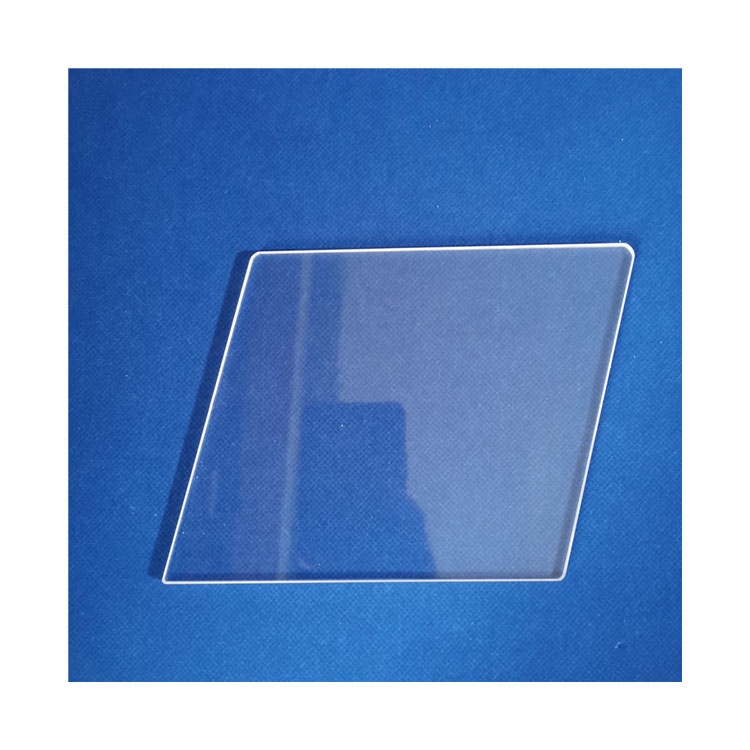
Non-contact infrared pyrometry relies entirely on detecting emitted thermal radiation governed by Planck's Law of Blackbody Radiation. However, in enclosed furnace environments, vacuum chambers, plasma etching tools, and chemical vapor deposition (CVD) systems, pyrometers cannot view the process target directly without an optical barrier. This requires an ultra-high-purity optical viewport: a Quartz Pyrometer Window (or fused silica sight glass). The optical sight window must act as a physically robust pressure boundary while exhibiting near-perfect transmittance in the specific infrared wavelengths utilized by modern single-spot, ratio, and multi-wavelength optical pyrometers.
Optical Transmittance Comparison: Fused Quartz vs. Borosilicate & Sapphire
Selecting the correct sight glass material directly impacts temperature calibration accuracy. While sapphire provides extreme hardness, its cost scales exponentially for large-diameter viewports, and its birefringence can interfere with polarized optical sensors. Standard glass suffers from severe thermal shock vulnerability ($\alpha \approx 3.3 \times 10^{-6}/^\circ\text{C}$). Fused silica and fused quartz strike the ideal balance of extreme thermal stability, low thermal expansion coefficient ($\alpha = 0.55 \times 10^{-6}/^\circ\text{C}$), high mechanical strength, and superb optical clear apertures.
| Substrate Material | Effective Transmittance Band | Max Working Temp (°C) | Thermal Shock Resistance | OH- Content Options |
|---|---|---|---|---|
| Optical Synthetic Fused Silica (JGS1 Equivalent) | 185 nm – 2,500 nm (Deep UV to NIR) | 1,100 °C | Exceptional (Quench from 1000°C to H₂O) | High-OH (>800 ppm) / Standard |
| Low-OH Infrared Fused Quartz (JGS3 Equivalent) | 260 nm – 3,700 nm (Near to Mid-IR) | 1,150 °C | Exceptional | Ultra-Low OH (<5 ppm) |
| Commercial Natural Fused Quartz (JGS2) | 220 nm – 2,700 nm | 1,100 °C | High | Standard (15 – 30 ppm) |
| Borosilicate Glass | 350 nm – 2,000 nm | 450 °C | Moderate (Cracks under fast gradient) | N/A |
2. Localized Application Scenarios in Portland’s Industrial Sectors
Portland’s advanced industrial landscape demands highly specialized pyrometer viewport configurations tailored to specific operational environments. As an established global exporter and direct supplier to Oregon and Washington OEMs, Donghai Kemzo Quartz Products Co., Ltd. custom engineers quartz pyrometer windows to match local furnace and tool designs.
In Rapid Thermal Processing (RTP), Metal-Organic Chemical Vapor Deposition (MOCVD), and Epitaxial Silicon growth, precise temperature control (±0.1°C sensitivity) is imperative to prevent wafer slip line dislocation and non-uniform film deposition. Kemzo’s double-side lap polished JGS1/JGS2 quartz pyrometer windows provide surface flatnesses of $\lambda/4$ and scratch-dig specifications up to 20/10, eliminating beam distortion for pyrometers reading 0.96 µm to 1.55 µm wavelengths.
Foundries and titanium investment casting operations in Portland’s Columbia Corridor operate vacuum induction melting (VIM) and arc furnaces exceeding 1,500°C. Heavy soot, metal vapors, and thermal splash quickly degrade sight glass surfaces. Kemzo supplies custom-thickened (6mm to 25mm) quartz pyrometer windows with sacrificial quartz debris shields and CF/KF flanged viewport assemblies, preventing catastrophic pressure loss during metal processing.
Oregon’s aggressive clean energy directives drive continuous development in high-temperature biomass gasification and waste-to-energy reactors. Pyrometer sight windows mounted on these gasifiers must withstand highly corrosive gaseous environments containing sulfur dioxide, carbon monoxide, and alkali dust while maintaining thermal pyrometry readings over 1,200°C under positive pressures.
Mitigating Infrared Absorption Bands: The Low-OH Imperative
A critical consideration often overlooked by procurement teams purchasing generic quartz sight glasses is the presence of Hydroxyl (OH⁻) ions embedded within the quartz matrix. Standard electrically fused natural quartz contains between 10 to 30 ppm of OH⁻, which creates strong absorption dips at 1.38 µm, 2.2 µm, and a deep absorption band at 2.72 µm.
If a Portland facility utilizes Short-Wave Infrared (SWIR) or Mid-Wave Infrared (MWIR) optical pyrometers (such as ratio pyrometers centered near 2.2 µm or 2.7 µm), standard quartz sight glass will absorb up to 45% of the emitted IR signal, causing the pyrometer to read significantly lower than the true process temperature. Kemzo Quartz solves this by supplying Low-OH Synthetic Fused Quartz Sight Windows (<2 ppm OH⁻), delivering a flat transmittance response curve across the entire SWIR spectrum.
3. Localized Market Trends & Supply Chain Dynamics in Portland, Oregon
The Pacific Northwest high-tech ecosystem has undergone rapid modernization in recent years, driven by massive investments in domestic semiconductor manufacturing infrastructure (U.S. CHIPS Act expansion in Hillsboro) and localized supply chain resilience initiatives. Procurement departments across Clackamas, Washington, and Multnomah counties are increasingly moving away from legacy regional distributors who charge exorbitant markups for imported quartz blanks.
Key Regional Benchmark Requirements for Quartz Procurement
- Strict ISO 9001:2015 Traceability: Raw silica batch certification, bubble class compliance (DIN ISO 10110-3 standard), and 100% dimensional laser inspection prior to packaging.
- Rapid Prototype Turnaround: Ability to deliver custom ground, cut, polished, and chamfered pyrometer windows within 10 to 14 business days from CAD drawing approval.
- Anti-Reflective (AR) & Protective Coating Capabilities: Deposition of broadband AR coatings (e.g., 800-1100 nm or dual-band 1.3 µm / 1.55 µm) to increase overall light transmission up to 98.5%, reducing optical stray light reflection inside pyrometer housings.
- Custom Geometry Engineering: Step-cut circular discs, grooved sealing faces for Viton/Kalrez O-rings, threaded quartz retaining rings, and custom bolt-hole pitch circles for ultra-high vacuum (UHV) viewports.
4. Why Portland Procurement Engineers Trust Donghai Kemzo Quartz Products Co., Ltd.
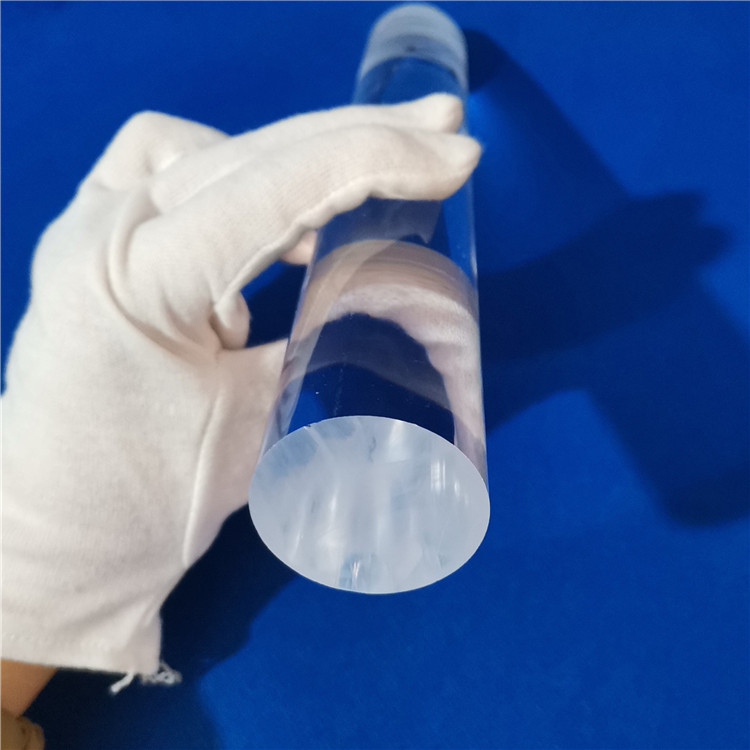
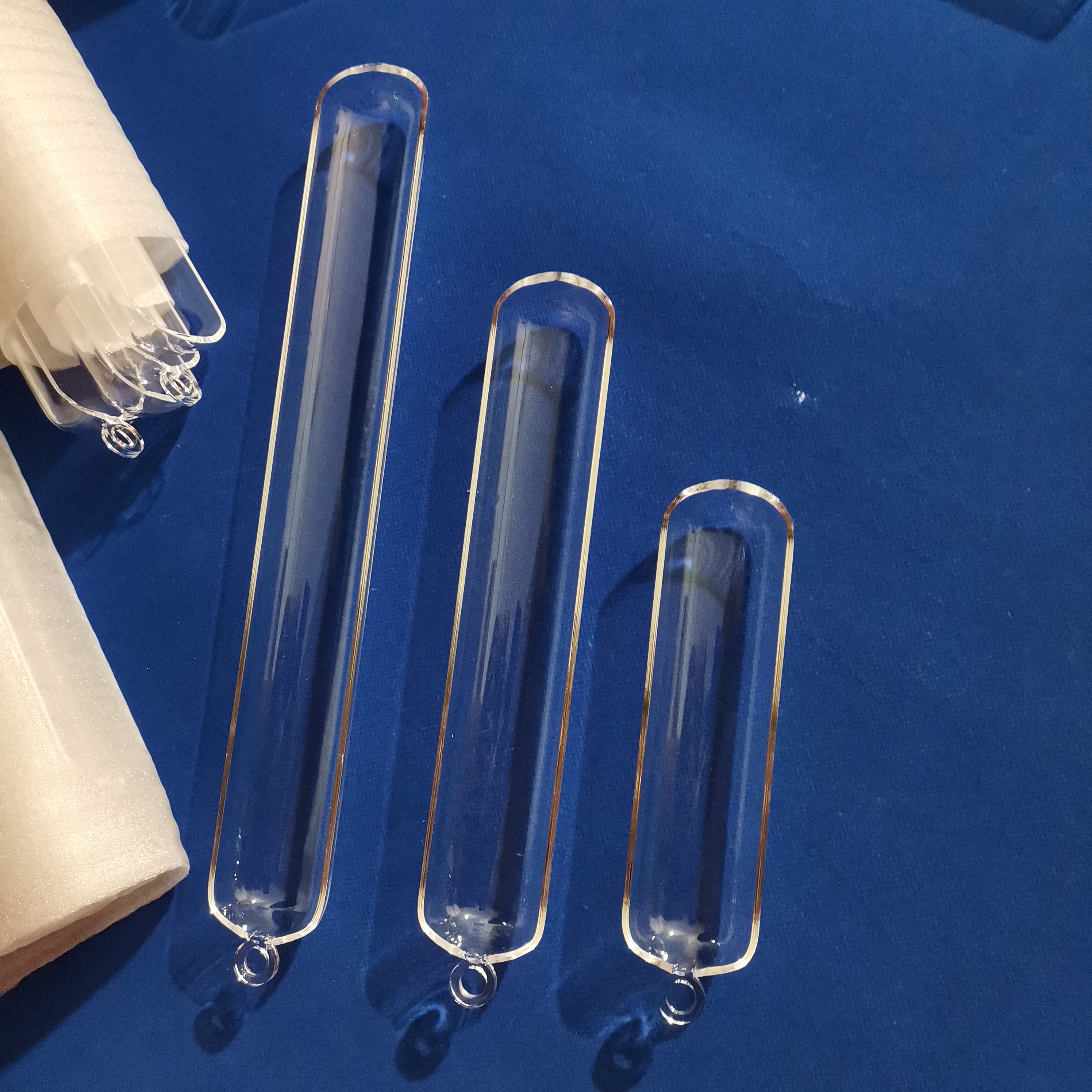
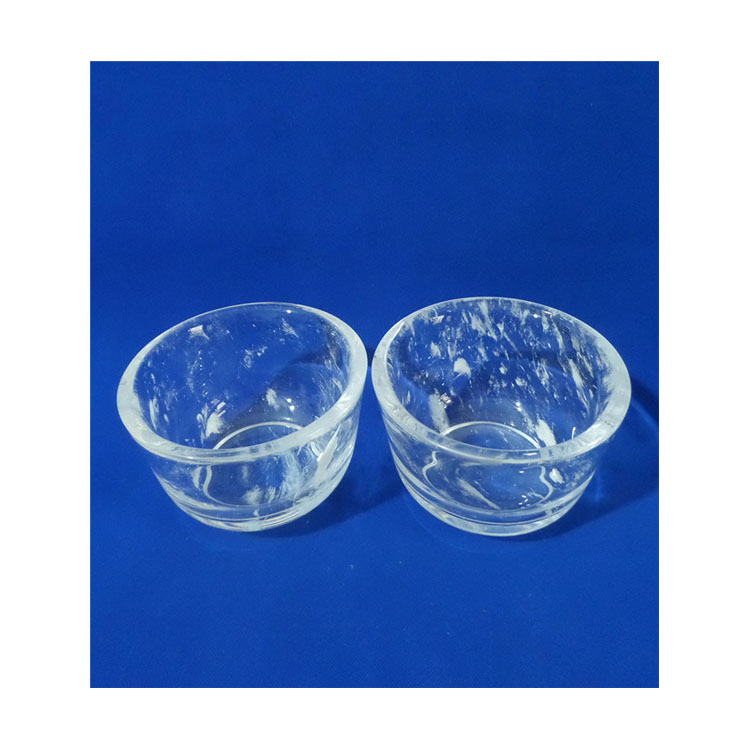
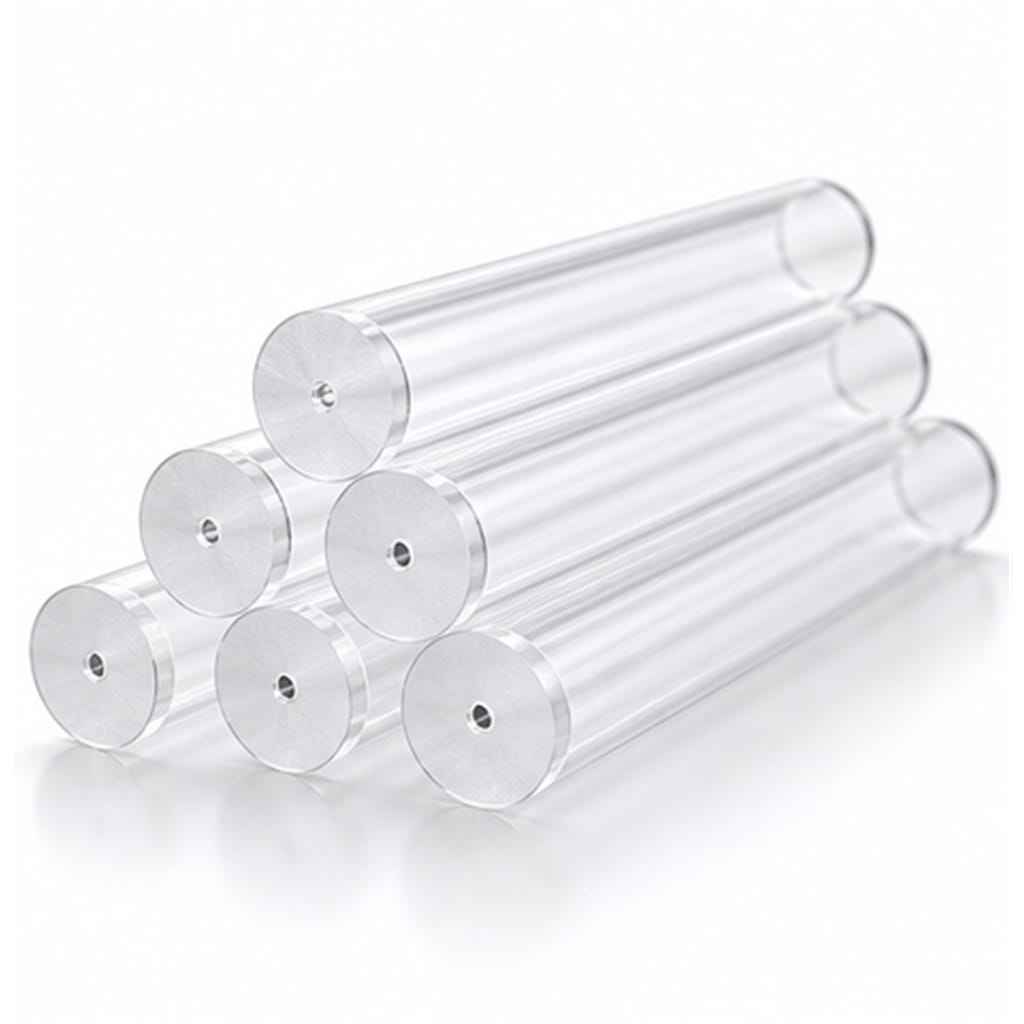
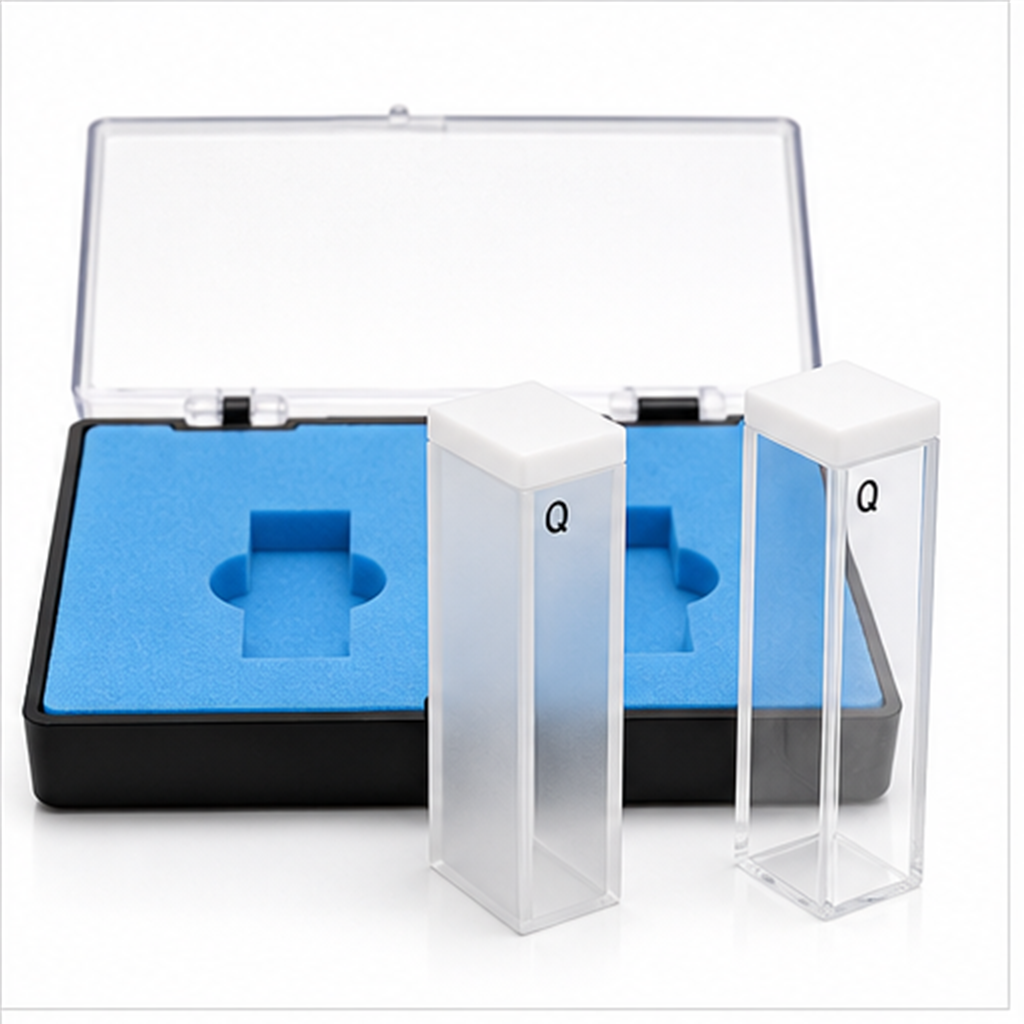
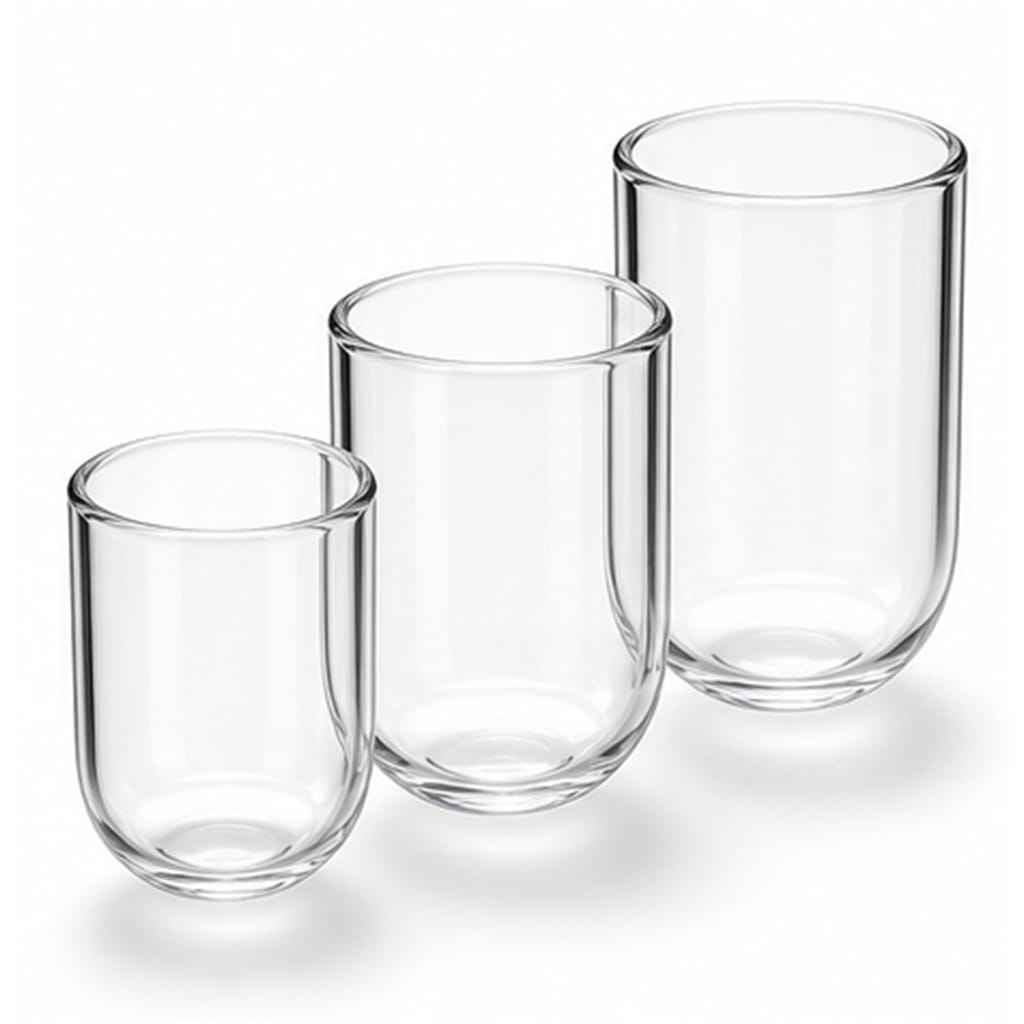
Donghai Kemzo Quartz Products Co., Ltd. operates directly out of Donghai County, Jiangsu Province—globally celebrated as China's premier crystal and high-purity quartz manufacturing base. Since 2011, Kemzo Quartz has established itself as an authoritative manufacturer and exporter of fused quartz tubes, crucibles, plates, optical windows, and custom labware for clients across North America, Europe, and East Asia.
Leveraging Donghai’s unique geographical quartz deposit advantages, Kemzo selects ultra-high purity natural quartz sand (>99.99% SiO₂) with low trace iron (<0.8 ppm) and alkali metals, ensuring minimal solarization and maximum thermal resistivity.
Equipped with state-of-the-art multi-axis CNC glass grinding workstations, double-sided planetary polishing equipment, dynamic laser interferometers, and computer-controlled annealing lehrs for residual internal stress relief.
With 71% to 80% of annual output shipped globally, Kemzo provides seamless export documentation, standard DDP/DDU/FOB shipping terms, custom foam cushioning, and reinforced export wooden crate packaging guaranteed to survive international transit.
Kemzo Quartz Pyrometer Window Manufacturing Capabilities Specification
| Parameter | Kemzo Manufacturing Capability | Standard Industry Tolerance |
|---|---|---|
| Dimensional Diameter Range | 5 mm up to 650 mm (Custom Shapes Available) | ±0.05 mm (Precision Ground: ±0.01 mm) |
| Thickness Range | 0.5 mm up to 50 mm | ±0.05 mm |
| Surface Quality (Scratch-Dig) | 80/50 (Commercial), 40/20 (Optical), 20/10 (Laser/Semi) | MIL-PRF-13830B Compliant |
| Surface Flatness | 3λ to λ/10 per 25mm @ 632.8 nm | Tested via Zygo Laser Interferometer |
| Parallelism | < 3 arc minutes down to < 10 arc seconds | Optical Goniometer Verified |
| Edge Finishing | Ground edge, C-bevel, 45° Chamfer, Fire-polished | Prevents edge chipping under thermal strain |
5. Frequently Asked Questions by Portland Procurement & Engineering Teams
To assist optical engineers, process technicians, and buyer teams in selecting and maintaining quartz pyrometer windows, our senior application specialists have compiled answers to common technical inquiries.
Request Your Custom Quartz Pyrometer Window Quote Today
Need engineering guidance, material samples, or a competitive quotation for your Portland thermal processing facility? Connect directly with Kemzo Quartz application engineers.