Precision Fused Quartz & Thermal Solutions
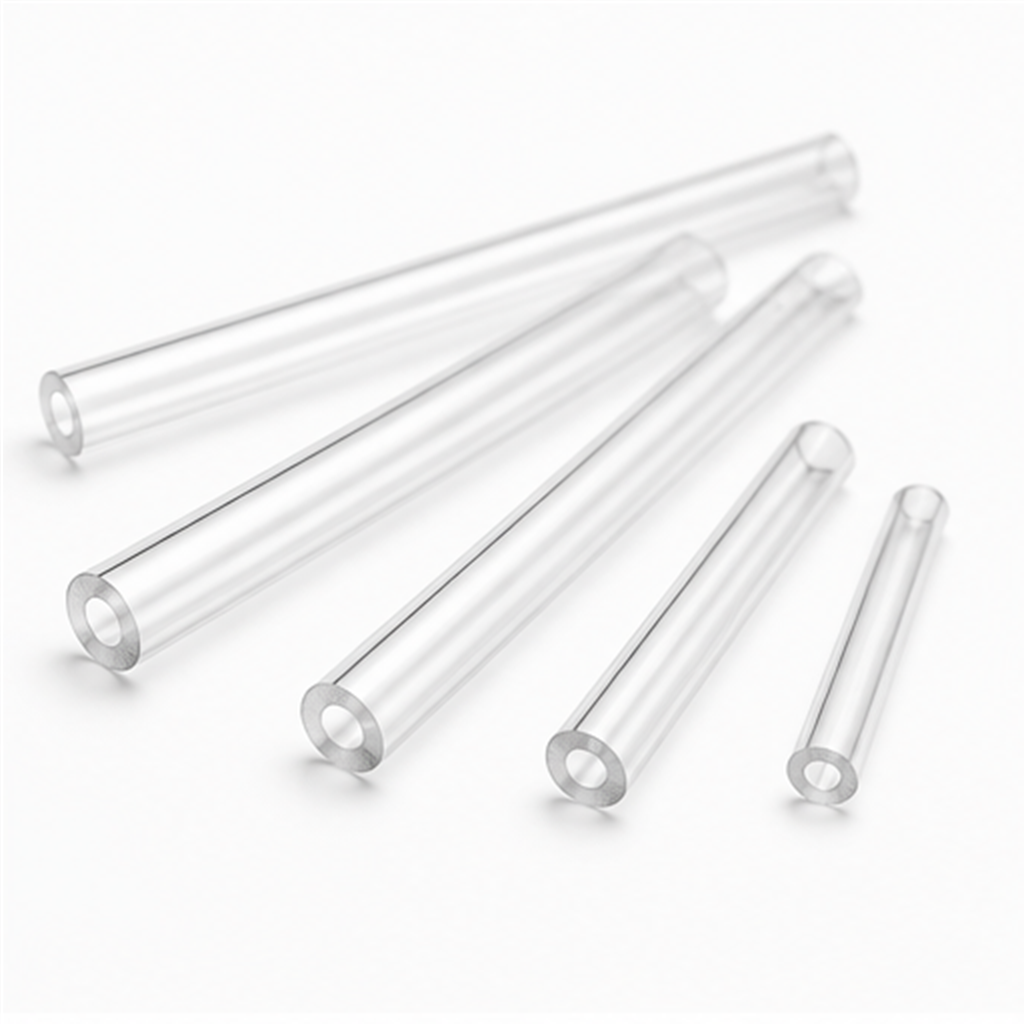
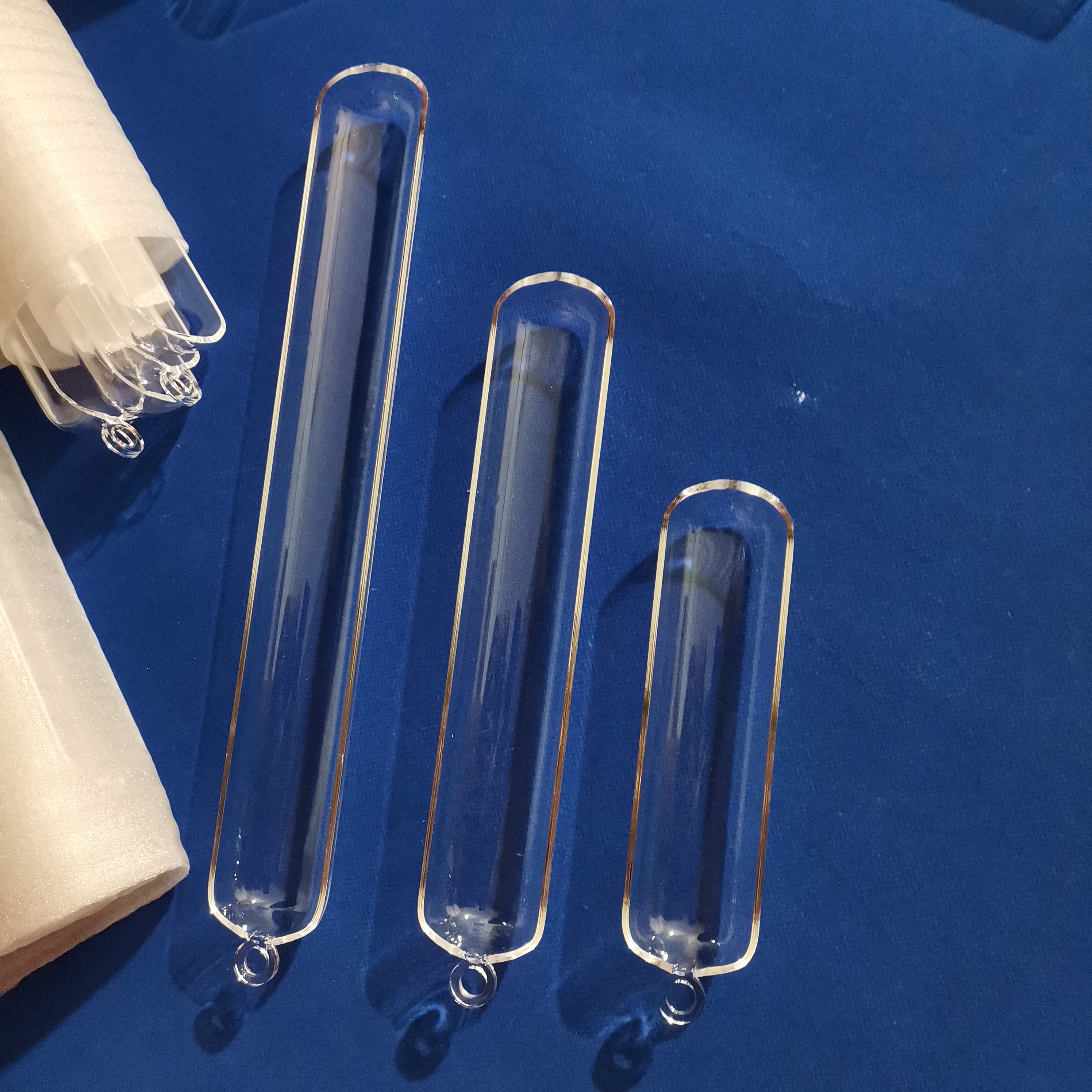
Explore our certified catalog of precision-formed fused silica tubes, crucibles, combustion boats, and specialized thermal elements engineered for maximum mechanical and thermal integrity.
99.99%
SiO₂ Base Purity
1,100°C
Continuous Thermal Ceiling
1-2 Sec
Fast IR Response Time
≤ 1 Hour
Inquiry Engineering Response
1. Whitepaper Overview: High-Purity Twin Tube Infrared Radiators in Puebla
The industrial landscape of Puebla, Mexico, is defined by its deep integration into global supply chains, anchored by premier automotive assembly facilities in San José Chiapa and Cuautlancingo, surrounded by dozens of Tier-1 parts manufacturers, industrial textile mills, and performance thermoforming plants. In modern automated processing lines, thermal efficiency is measured not only by heat dissipation but by absolute spectral precision, instantaneous cycle response, and mechanical rigidity over continuous high-temperature operating hours. As manufacturing plants transition to agile, lean manufacturing setups, twin tube quartz heating elements have established themselves as an indispensable standard for non-contact infrared thermal transfer.
Unlike conventional round quartz tubes that are vulnerable to sagging under extreme heat spans and lack directional emission stability, twin tube quartz heating elements are engineered with an integrated continuous figure-8 cross-section (commonly in 23×11mm or 33×15mm dimensional profiles). Fabricated from natural raw quartz crystal originating from premier geological deposits such as Donghai, China, these dual-channel fused silica profiles exhibit superior mechanical inertia, completely eliminating warping along lengths reaching up to 6.5 meters. By providing dual internal channels, engineers can either route dual tungsten or nickel-chromium (NiCr) filaments inside one profile or implement a single-end wiring configuration, vastly simplifying terminal connections inside cramped automotive automated cells and tunnel curing ovens across Puebla's production hubs.
2. Spectral Tuning: Short-Wave, Fast Medium-Wave, and Medium-Wave Emitters
A frequent engineering miscalculation in industrial procurement across the Puebla market is utilizing generic heating elements without accounting for the exact spectral absorption band of the treated substrate. Twin tube quartz heaters are manufactured to emit targeted spectral wavebands based on filament composition, gas filling chemistry, and quartz barrier treatments:
Short-Wave Emitters (0.9 to 1.6 μm): Operating at element temperatures between 1,800°C and 2,400°C, short-wave radiators deliver high-intensity surface penetration. These elements possess an extraordinarily brief thermal inertia period—achieving maximum radiant output within 1 to 2 seconds of power initiation. In Puebla's high-speed automotive sheet-metal forming lines and paint touch-up cells, short-wave twin tubes heat thin, high-density materials rapidly without creating stagnant convective boundary layers.
Fast Medium-Wave & Medium-Wave Emitters (1.4 to 3.0 μm): Delivering balanced core and surface heating at temperatures ranging from 800°C to 1,500°C, these twin tube configurations align precisely with the peak infrared absorption spectra of polyolefins, industrial plastics, adhesives, water-based formulations, and powder-coated metal substrates. The dual quartz geometry stabilizes the filament at continuous operating spans, preventing sag-induced electrical shorts while maintaining uniform heat density over expansive conveyor widths.
3. Integrated Reflective Coatings: Gold versus White Ceramic Optimization
To eliminate parasitic energy loss and protect adjacent equipment from ambient radiant exposure, twin tube quartz elements can be manufactured with specialized reflective coatings applied directly onto the reverse facet of the quartz profile. Kemzo Quartz applies high-precision gold or diffuse white ceramic coatings that cover a 180° radius of the cross-section. Chemically bonded gold reflects up to 95% of rearward infrared radiation directly forward onto the targeted substrate, improving overall energy transfer efficiency by up to 35% compared to non-coated quartz glass. For continuous high-heat baking zones exceeding 800°C, high-density white ceramic reflectors maintain spectral reflectivity without thermal degeneration, offering Puebla manufacturing engineers reduced kilowatt-hour operational costs and extended operating cycles.
Localized Industrial Applications in the Puebla Basin
Tailored infrared thermal solutions designed to address specific operational requirements across Puebla's major industrial manufacturing sectors.
Automotive Paint & E-Coat Curing
Tier-1 automotive suppliers in San José Chiapa and Cuautlancingo rely on gold-coated fast response twin tubes for rapid flash-off tunnels, spot primer repair, and complete body-in-white finish curing, eliminating paint solvent boiling defects.
Plastic Thermoforming & Blow Molding
In Puebla's medical device and industrial packaging production lines, uniform infrared emission from twin tubes heats ABS, polycarbonate, and acrylic sheets to exact glass transition temperatures without core burning or structural surface stress.
Technical Textiles & Fabric Lamination
Serving the historic and technical textile corridor along Huejotzingo and Cholula, medium-wave emitters deliver contactless moisture evaporation and heat-set bonding for synthetic fibers, multi-ply membranes, and automotive seat linings.
Electronic Circuit Board Soldering, SMT Reflow & Screen Printing Drying
Puebla's expanding electronic and mechatronics assembly facilities deploy compact twin tube infrared emitters within automated multi-zone conveyor ovens. Rapid on/off modulation provides precise thermal profiles for solder paste reflow and rapid curing of screen-printed conductive inks without thermal shock damage to sensitive micro-components.
Puebla Regional Industry Trends: Nearshoring & Electrification
How the evolution of Mexico's automotive cluster drives demand for precision industrial heating systems.
Electric Vehicle (EV) Transition
As automotive manufacturers in Puebla retool facilities for battery electric vehicles (BEVs), twin tube emitters are selected for high-precision curing of battery pack thermal adhesives, cell encapsulation, and rotor pre-heating.
Decarbonization of Industrial Lines
Transitioning from inefficient gas-fired convective drying ovens to targeted infrared quartz radiation slashes factory carbon footprints and delivers up to 60% energy savings across Puebla's industrial parks.
Nearshoring Supply Assurance
Tier-1 plants in Mexico face strict delivery schedules for exports to the USMCA region. Relying on reliable fused quartz components reduces downtime and ensures continuous compliance with OEM quality audits.
Enterprise Advantages: Donghai Kemzo Quartz
Why procurement managers and plant engineers in North America and Latin America place their trust in our precision manufacturing capabilities.
Source-Region Raw Material
Located in Donghai County—China's crystal capital—Kemzo maintains direct control over natural silica sourcing, ensuring SiO₂ purity of 99.9% to 99.99% with minimal metallic traces.
Over 11 Years OEM/ODM
Since 2011, we have precision-cut, bent, vacuum-sealed, and flame-worked quartz to customer blueprints, providing full dimensional compliance for global furnace makers and OEM retrofits.
ISO 9001 Certified System
Every twin tube element undergoes automated optical dimensional checks, polariscope stress tests, and vacuum seal helium leak testing to guarantee continuous operation without failure.
Engineered Export Packaging
Fragile quartz heating elements are packed in customized high-density EPE foam cushions inside reinforced export-grade wooden cases, preventing transit damage across international air and sea freight routes.
Frequently Asked Questions by Puebla Buyers
Direct technical and commercial answers for maintenance directors, design engineers, and industrial procurement managers in Mexico.
Why choose twin tube quartz heating elements over single round tube lamps?
Twin tube quartz heating elements feature an integrated dual-chamber profile (such as 23×11mm or 33×15mm) that provides superior mechanical rigidity compared to round tubes. This design prevents sagging when elements are installed across wide conveyor tunnels (up to 6.5 meters). Additionally, twin tube elements support higher wattage density per linear centimeter and accommodate single-end wiring connections, simplifying installation inside automated machinery.
What is the difference between gold reflector and white ceramic reflector coatings?
A 24-karat gold reflector chemically applied to the rear face of the quartz reflects approximately 95% of rearward infrared radiation directly toward the target, making it ideal for processes operating up to 600°C–800°C. For continuous high-heat environments exceeding 800°C, a diffuse white ceramic coating is recommended; it maintains thermal stability and high infrared reflectance at sustained temperatures up to 1,000°C without flaking or oxidizing.
Can you manufacture custom twin tube emitters according to technical drawings or sample parts?
Yes. With over 11 years of OEM/ODM manufacturing experience, Kemzo Quartz produces replacement elements based on CAD drawings, dimensional sketches, or sample parts. We can match specifications including overall length, heated length, cross-sectional profile (23×11mm, 33×15mm), electrical ratings (voltage/wattage), filament type, terminal connections (leads, spade terminals, ceramic caps), and reflector options.
What international delivery terms and shipping options are available for Puebla facilities?
We regularly export to Latin America and North America under flexible Incoterms including FOB, CFR, CIF, EXW, and DDU. For urgent maintenance or factory line retooling in Puebla's industrial zones (such as FINSA, San José Chiapa, or 2000 Industrial Park), we offer express air courier delivery (DHL, FedEx, UPS) with customs documentation, as well as full container load (FCL) sea freight via the Port of Veracruz for scheduled bulk inventory replenishment.
How do fused quartz elements perform under rapid temperature changes?
Fused quartz exhibits an extremely low coefficient of thermal expansion (approximately 5.5 × 10⁻⁷ /°C)—about one-sixth that of borosilicate glass. This gives our twin tube quartz elements high resistance to thermal shock. They can withstand rapid cycling from ambient room temperature to 1,100°C within seconds without cracking, making them well-suited for automated lines with intermittent run cycles.
Need Custom Twin Tube Quartz Heating Elements for Your Line?
Submit your operating parameters, CAD drawings, or equipment part numbers. Our engineering team will review your application and respond with technical recommendations, production tolerances, and commercial quotations within one hour.
Contact Us